
- Part 1. What is a 12.8 volt lithium battery?
- Part 2. Why is it 12.8V, not 12.0V?
- Part 3. Understanding LiFePO4 chemistry
- Part 4. The 12.8V lithium battery discharge curve and voltage range
- Part 5. 12v lithium vs lifepo4: What's the difference?
- Part 6. Real-world voltage: 10V to 14.6V explained
- Part 7. Key applications of 12.8 volt lithium batteries
- Part 8. 12.8V Lithium battery benefits over lead-acid batteries
- Part 9. Maintenance and charging 12.8V lithium battery best practices
- Part 10. Where to buy a 12.8V LiFePO4 battery?
- Part 11. FAQs about 12.8V lithium battery
What is a 12.8 volt lithium battery and why is it better than traditional 12V batteries? A 12.8 volt lithium battery is a powerful, modern energy storage solution based on LiFePO4 (Lithium Iron Phosphate) chemistry. It delivers longer lifespan, higher efficiency, and safer performance compared to old-school lead-acid alternatives. Many people now choose 12.8V lithium batteries for solar systems, RVs, boats, and backup power setups because they are more reliable and lighter.
In this guide, we’ll explore why it’s called 12.8V, how it works, and why it outperforms other types of batteries. We’ll also break down the key applications, compare 12V lithium vs LiFePO4, and answer the most common questions people ask about these batteries.
Part 1. What is a 12.8 volt lithium battery?
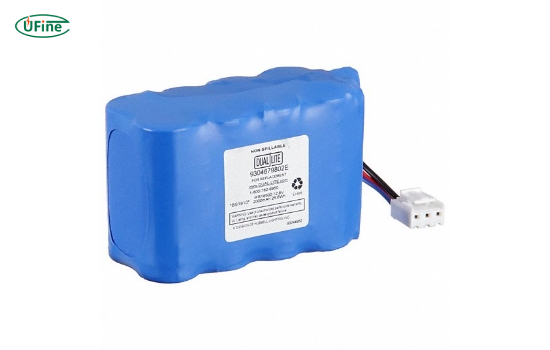
A 12.8 volt lithium battery is a rechargeable battery made up of four lithium iron phosphate (LiFePO4) cells connected in series. Each cell has a nominal voltage of 3.2 volts. When you connect four of them together (4 x 3.2V), you get 12.8V.
Unlike traditional 12V lead-acid batteries that have a nominal voltage of about 12.0V, LiFePO4 batteries offer a more stable voltage output, improving performance and safety.
These batteries are used in applications that need consistent power delivery, fast charging, and a long service life.
Part 2. Why is it 12.8V, not 12.0V?
This is a common question.
The answer lies in the chemistry of the battery. A lead-acid battery has six cells at 2.0 volts each, adding up to 12.0V. In contrast, a LiFePO4 battery has four cells, each with a nominal voltage of 3.2V, which totals 12.8V.
This slight increase in voltage brings big benefits. Most 12V systems are designed to handle a voltage range from 10V to 14.6V, so 12.8V batteries work perfectly as a drop-in replacement for 12V lead-acid batteries.
Part 3. Understanding LiFePO4 chemistry
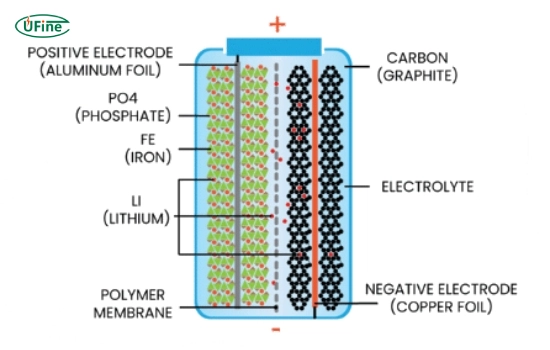
One of the reasons 12.8V lithium batteries are so popular is because of their LiFePO4 chemistry.
Here are the main features of LiFePO4:
- Stable chemistry: It is much safer than other lithium types like Li-ion or Li-polymer.
- Longer cycle life: LiFePO4 batteries can last up to 4000–6000 cycles, compared to 300–500 cycles for lead-acid.
- Thermal stability: These batteries are less likely to overheat or catch fire.
- Flat discharge curve: Voltage remains steady until the battery is almost empty.
This chemistry is ideal for deep-cycle applications, where batteries are regularly discharged and recharged.
Part 4. The 12.8V lithium battery discharge curve and voltage range
How does a 12.8V lithium battery behave during use?
Here’s a quick overview of its discharge curve:
- Fully charged: 13.6V to 14.6V
- Nominal voltage: 12.8V
- Fully discharged: 10.0V to 10.5V
Unlike lead-acid batteries, which have a steep voltage drop when discharged, LiFePO4 batteries hold their voltage almost flat during most of the discharge cycle. This means your devices get consistent power until the battery is nearly empty.
This flat discharge curve also protects sensitive electronics and ensures higher usable capacity.
Part 5. 12v lithium vs lifepo4: What’s the difference?
You might see both terms online: 12V lithium and 12.8V LiFePO4. Are they the same?
Not exactly. The term “12V lithium battery” is a general phrase. It can refer to any lithium battery designed to replace a 12V lead-acid battery. However, LiFePO4 is a specific chemistry.
Here’s a quick comparison:
| Feature | 12V Lithium (General) | 12.8V LiFePO4 |
|---|---|---|
| Chemistry | Varies (Li-ion, etc.) | Lithium Iron Phosphate |
| Safety | Moderate to Low | Very High |
| Voltage Stability | Varies | Very Stable |
| Lifespan | 1000–3000 cycles | 4000–6000 cycles |
| Thermal Stability | Medium | Excellent |
So, if you’re looking for the safest and most reliable 12V lithium battery, go with a 12.8V LiFePO4.
Part 6. Real-world voltage: 10V to 14.6V explained
Let’s break down the actual voltage range during use:
- Charging: A 12.8V LiFePO4 battery is typically charged up to 14.6V.
- Float voltage: Some systems will maintain around 13.6V.
- Operating voltage: While in use, voltage remains around 12.8V for most of the discharge.
- Cut-off voltage: Battery Management Systems (BMS) usually stop the battery at 10.0V to protect the cells.
This range (10V–14.6V) is designed to match most 12V systems, making 12.8V LiFePO4 batteries a perfect upgrade without needing to change your charger or inverter.
Part 7. Key applications of 12.8 volt lithium batteries
Where can you use a 12.8V lithium battery?
Here are the most popular applications:
- Solar energy storage
These batteries are perfect for off-grid solar systems. They charge quickly, store solar energy efficiently, and last for years. - RVs and camper vans
Travelers love LiFePO4 batteries for their light weight, fast charging, and deep-cycle performance. - Marine and boats
They resist vibration and are moisture-resistant, making them ideal for boats, yachts, and fishing vessels. - Uninterruptible Power Supply (UPS)
They provide reliable backup power for computers, medical devices, and other sensitive electronics. - Electric scooters and mobility equipment
Lightweight and long-lasting, they power mobility scooters, wheelchairs, and e-bikes with ease.
Part 8. 12.8V Lithium battery benefits over lead-acid batteries
Why switch from lead-acid to lithium?
12.8V LiFePO4 batteries offer:
- Up to 10x longer lifespan
- Half the weight
- Faster charging
- No maintenance or water refills
- Constant voltage output
- Deep discharge without damage
In short, they are more efficient, safer, and more economical in the long run.
Part 9. Maintenance and charging 12.8V lithium battery best practices
Though LiFePO4 batteries are low-maintenance, here are a few tips to help them last longer:
- Use a LiFePO4-compatible charger
- Avoid overcharging above 14.6V
- Don’t let voltage drop below 10V
- Store at 50% charge if not used for months
- Keep in dry, cool places
With proper care, your battery can last 10 years or more.
Part 10. Where to buy a 12.8V LiFePO4 battery?
If you’re ready to upgrade, look for trusted lithium battery brands that offer:
- Built-in Battery Management System (BMS)
- High cycle life (4000+)
- Warranty and customer support
- Certified safety standards
Make sure to visit our 12V LiFePO4 product pages to find the right battery for your needs.
Part 11. FAQs about 12.8V lithium battery
What makes a 12.8V lithium battery better than a 12V lead-acid battery?
It lasts longer, charges faster, and provides more usable energy. It’s also much lighter and requires no maintenance.
Can I replace my 12V lead-acid battery with a 12.8V lithium battery?
Yes, 12.8V LiFePO4 batteries are designed as drop-in replacements for 12V systems. Just make sure your charging system is compatible.
Is 12V lithium the same as 12.8V LiFePO4?
Not always. 12V lithium is a generic term. 12.8V LiFePO4 refers to a specific, safer, and more stable chemistry.
What is the maximum charging voltage for a 12.8V LiFePO4 battery?
The maximum charging voltage is 14.6V. Do not exceed this to avoid damaging the battery.
How long does a 12.8V lithium battery last?
Most high-quality LiFePO4 batteries last 10 years or up to 6000 cycles, depending on depth of discharge and care.
Tip: Always choose a battery with a built-in BMS to protect against overcharging, deep discharge, and temperature extremes.
Related Tags:

More Articles
Buck vs. Boost vs. Buck-Boost Converter: Which Is Best for Battery?
Not sure which converter your battery-powered device needs? Compare Buck, Boost, and Buck-Boost designs and discover what affects voltage stability and runtime.
How to Match 18650 Cells for a Reliable Battery Pack?
Building an 18650 battery pack? Learn how to compare cell capacity, voltage, and internal resistance to avoid mismatches and improve reliability.
Why Do 18650 Battery Packs Get Hot During Discharge?
Is your 18650 battery pack overheating under load? Learn what causes excess heat, how to spot dangerous symptoms, and what to do next.
18650 Battery BMS: How to Get the Specs Right
Learn how to choose a BMS for an 18650 battery pack. Compare voltage, current ratings, protection features, and balancing before you buy.
Why Does My Ring Camera Battery Drain So Fast or Stop Charging?
Is your Ring camera battery draining fast or not charging? Discover common causes, practical fixes, and when to replace the battery.


