

Part 1. iPad / Tablet battery application overview
Ufine Battery provides advanced lithium battery solutions specifically engineered for iPads and tablets, delivering reliable power for education, commercial, and industrial applications. Tablet devices require long-lasting battery life, consistent voltage under high-load applications, and safe operation in varying temperature conditions. Manufacturers and integrators face challenges in fitting high-capacity batteries into slim devices without compromising safety or cycle life.
Lithium-ion and lithium-polymer batteries are the standard for modern tablets. According to Battery University, these batteries typically degrade 20–30% over 2 years under continuous use, emphasizing the need for high-quality, engineered solutions.
This page addresses common tablet battery challenges, outlines Ufine’s technical solutions, provides recommended battery types, and offers decision-making parameters for different tablet scenarios, helping engineering and procurement teams select the optimal battery solution.

Part 2. Common power challenges in iPad / tablet devices
- Limited space vs. high capacity: Tablets require batteries that fit slim designs while providing 7–12 hours of continuous operation.
- Voltage stability under heavy usage: Video streaming, gaming, and multitasking can cause voltage drops affecting performance.
- Temperature sensitivity: Batteries must operate reliably from -20℃ to 60℃ in classroom, office, or field conditions.
- Long-term durability: Tablets typically require >500 full charge cycles to maintain acceptable capacity.
- Safety and compliance: Batteries must meet CE, UL, UN38.3 certifications to ensure safe deployment across regions.

Part 3. Ufine technical solutions for iPads & tablets
Ufine provides batteries that address energy density, cycle life, and temperature performance while ensuring safety and regulatory compliance.
Key technical advantages:
- High energy density & thin profile: Enables long runtime without increasing device thickness.
- Battery Management System (BMS): Protects against overcharge, over-discharge, and short-circuit.
- Low self-discharge: Ensures extended standby time for tablets in education or industrial deployments.
- Wide operating temperature range: Supports -40℃ to 85℃, ideal for field use.
- Certifications: CE, UL, UN38.3 for international deployment.
Technical solutions by scenario:
- Education tablets: Require lightweight, high-capacity batteries to support full-day usage.
- Commercial tablets: Need stable voltage and high cycle life for multitasking, conferencing, and office applications.
- Industrial tablets: Require ruggedized batteries with wide temperature tolerance and long lifecycle for field deployment.

Part 4. Decision-making parameters for tablet battery selection
| Tablet Scenario | Typical Capacity (mAh) | Nominal Voltage (V) | Max Thickness (mm) | Expected Cycle Life | Operating Temp (℃) | Notes |
|---|---|---|---|---|---|---|
| Education Tablets | 1000–5000 | 3.7 | ≤10 | 500–800 | 0~45 | Lightweight, supports 8–10h usage |
| Commercial Tablets | 4000–10000 | 7.4 | ≤15 | 800–1000 | -10~60 | High stability under multitasking |
| Industrial Tablets | 5000–10000 | 7.4–11.1 | ≤20 | >1000 | -40~85 | Ruggedized, wide temp, long lifecycle |
| Ultra-compact / Mini Tablets | 300–1500 | 3.7 | ≤5 | 300–500 | 0~45 | Focus on portability, light apps |
This table helps procurement and engineering teams select batteries based on real technical requirements, not just brand or model.
Part 5. Recommended battery types for iPad / tablet devices
Education Tablets:
- 3.7V 5000mAh Li-ion (6759104) – lightweight, 67x59x10 mm, provides ~8–10h usage.
- 3.7V 1000mAh Li-ion (102050) – ultra-compact solution for small tablets.
Commercial Tablets:
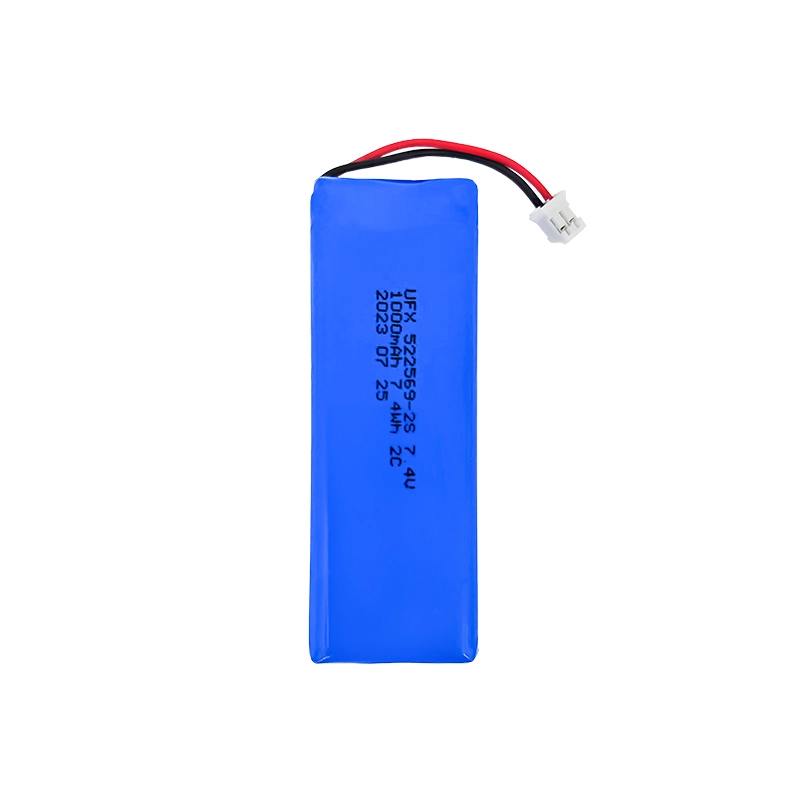
- 7.4V 10000mAh Li-ion Pack (1160100-2S) – supports heavy multitasking and conferencing.
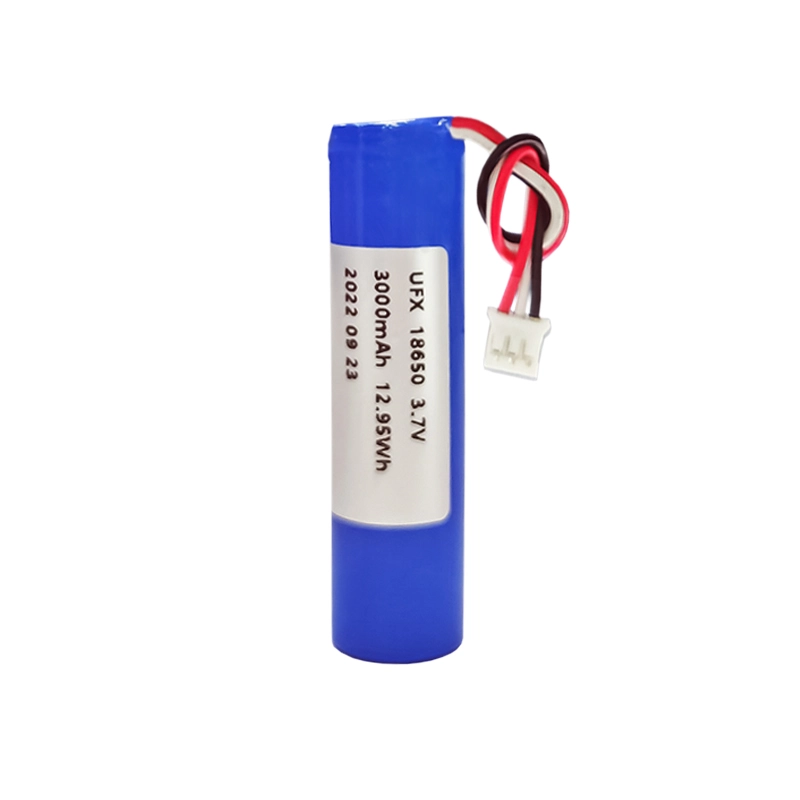
- 7.4V 4400mAh 18650 Pack (18650-2P2S) – high cycle life for office and enterprise tablets.
Industrial Tablets:
- 3.7V 10000mAh Li-ion (955565-2P) – ultra-stable, ruggedized for field use.
- 7.4V 5000mAh Li-ion Pack (105565-2S) – long lifecycle, wide temp range.
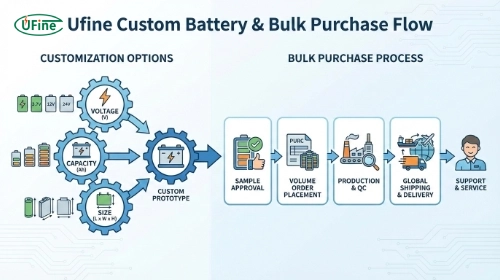
Contact our engineers today for tailored recommendations and prototype support.
Get Custom Battery SolutionsHigh Energy Density
It stores large amounts of energy in a smaller and lighter package
Longer Cycle Life
Withstands extensive charge and discharge cycles
Low Self-Discharge
Maintains power longer when not in use
Safety
Minimizes the risk of accidents and ensures safe operation
More Information About iPad Battery
-
How many cycles can these batteries reliably handle in tablet deployment?
-
Can Ufine customize voltage, capacity, or dimensions for a specific tablet model?
-
What certifications ensure safety for commercial and industrial deployment?
-
What is the safe operating temperature range for different tablet scenarios?
-
Does Ufine support large-scale procurement and fleet management?
Latest Blogs
About Lithium Battery Industry News

JST vs Molex: The Right Battery Connector Choice
JST or Molex for your battery? Learn how connector selection affects current, voltage drop, reliability, and device performance.
2026/09/15 Ufine
Custom Battery Pricing: Costs Manufacturers Don’t Mention
A low battery quote may not be the final cost. Discover common hidden expenses that affect custom lithium battery projects.
2026/09/15 Ufine

Battery Wire Length: Hidden Cause of Power Loss
A longer battery wire can cause voltage drop, power loss, and unstable operation. Learn how wire length affects battery performance.
2026/09/14 Ufine

How Device Sleep Modes Affect Battery Life
Think sleep mode extends battery life? Learn why devices still drain power and how firmware, hardware, and batteries affect runtime.
2026/09/14 Ufine

LiPo Battery and PCB Design: Clearance, Insulation, and Placement
Learn how to optimize LiPo battery PCB clearance, insulation, placement, wiring, and thermal design—and avoid common integration mistakes.
2026/09/14 Ufine
Battery Calibration: Why Is Your Battery % Wrong?
Is your battery percentage inaccurate? Learn how battery calibration works, when you need it, and how to fix unexpected battery drops.
2026/09/09 Ufine

