
The 18650 vape battery is the core power source of many vape devices. It directly affects output power, runtime, and safety. Choosing the wrong battery for vape use can lead to poor performance or even risk.
This guide explains how to select the best 18650 battery for vaping based on real application needs. It focuses on capacity, discharge rate, chemistry, and device compatibility.
Key Takeaways
- The best 18650 battery for vape must match your device’s discharge (amp) requirement, not just capacity.
- High-wattage or sub-ohm vaping needs high-drain batteries (15A–30A).
- Higher mAh means longer runtime, but often lower discharge capability.
- INR and IMR chemistries offer better safety for 18650 vape battery applications.
- Always follow device specs and use proper chargers to avoid overheating or failure.
Part 1. What is an 18650 vape battery?
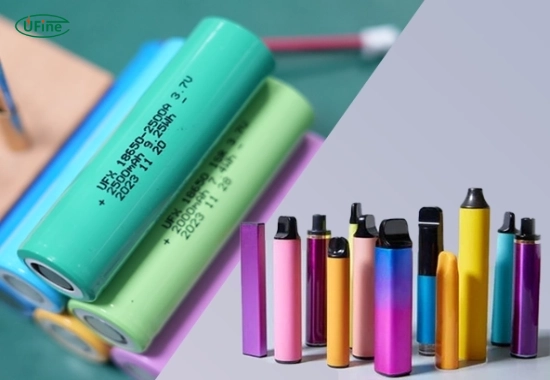
An 18650 vape battery is a rechargeable lithium-ion cell with a standard size:
- Diameter: 18 mm
- Length: 65 mm
It is widely used in vape mods, flashlights, and portable electronics due to its balance of power, size, and availability.
Why 18650 batteries are popular for vaping
- Standardized size fits most vape mods
- Wide range of capacities (1500–3500 mAh)
- Supports both low and high wattage devices
- Replaceable design (better than built-in batteries)
👉 For more technical details, see our internal guide on 18650 lithium-ion battery specifications
Part 2. Battery chemistry and safety basics
Choosing the right chemistry is critical for battery for vape safety.
Common Chemistries
| Type | Features | Best For |
|---|---|---|
| INR (Li-NiMnCo) | Balanced performance and safety | Most vape users |
| IMR (Li-Mn) | High safety, stable | High-drain vaping |
| ICR (Li-Co) | High capacity, lower safety | Not recommended for vaping |
| LiPo | Flexible shape, high discharge | Built-in vape devices |
✔ For most users, INR or IMR is the safest choice.
Safety Guidelines
- Use a dedicated 18650 charger
- Avoid overcharging or deep discharge
- Never carry loose batteries (risk of short circuit)
- Keep away from heat (>60°C)
- Replace damaged wraps immediately
For safety standards, refer to organizations like UL (Underwriters Laboratories) for battery safety testing.
Part 3. How to choose the best 18650 battery for vaping?
1 Battery capacity (mah)
Capacity determines how long your vape runs per charge.
- 1500–2500 mAh → Light or casual vaping
- 2500–3500 mAh → Longer sessions, fewer charges
However:
Higher capacity ≠ better performance in all cases.
High-capacity batteries usually have lower discharge limits.
👉 Learn more about lifespan here: how long rechargeable vape batteries last
2 Continuous discharge rate (cdr)
This is the most critical parameter for any 18650 vape battery.
- Measured in amps (A)
- Defines how much current the battery can safely deliver
Typical Requirements
| Device Type | Recommended CDR |
|---|---|
| Low wattage (<40W) | 10A–15A |
| Medium (40–80W) | 15A–20A |
| High wattage / sub-ohm | 20A–30A |
If the discharge rate is too low:
- Battery overheats
- Voltage drops
- Safety risks increase
✔ Always match CDR ≥ device requirement
3 Balance between capacity and power
You must choose between:
- Long runtime (high mAh)
- High power output (high A)
You cannot maximize both due to internal cell design limits.
Example:
- 3000 mAh battery → ~15A
- 2500 mAh battery → ~20A
👉 For best batteries for vape, prioritize CDR first, then capacity.
4 Compatibility with your vape device
Not all 18650 batteries fit all devices.
Check:
✔ Device Requirements
- Recommended battery type
- Max wattage
- Voltage range
✔ Physical Fit
- Flat top vs button top
- Battery compartment size
✔ Electrical Matching
- Ensure voltage and amp output match device specs
Ignoring compatibility can cause:
- Device malfunction
- Reduced performance
- Safety hazards
5 Brand quality and authenticity
For 18650 battery for vape, avoid unknown brands.
Choose cells from reputable manufacturers such as:
- Samsung
- Sony (Murata)
- LG
- Panasonic
These brands provide accurate ratings and better safety control.
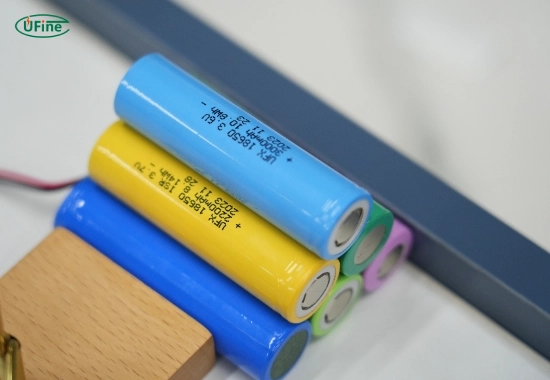
Part 4. Common 18650 vape battery use cases
| Use Case | Recommended Battery |
|---|---|
| Beginner vape pen | 2000–3000 mAh, 10–15A |
| Regulated mod (medium power) | 2500–3000 mAh, 15–20A |
| Sub-ohm / cloud chasing | 2000–2500 mAh, 20–30A |
Part 5. 18650 Vape battery FAQs
What is the best 18650 battery for vaping?
The best 18650 battery for vaping depends on your device. High-wattage devices need high-drain batteries (20A+), while low-power devices can use higher capacity cells.
Can I use any 18650 battery for vape?
No. Not all 18650 batteries are suitable for vape use. You must choose a battery with the correct discharge rate and safety chemistry (INR or IMR).
What does mAh mean in a vape battery?
mAh indicates battery capacity. A higher mAh means longer runtime but often lower maximum discharge capability.
How long does an 18650 vape battery last?
Most 18650 vape batteries last 200–300 charge cycles, depending on usage, charging habits, and temperature.
What is the safest battery for vape devices?
INR and IMR batteries are considered the safest options for vape devices due to better thermal stability and lower risk of failure.
Related Tags:

More Articles
Dead Battery or Device Failure? How to Find the Cause
Think your device is broken? Learn how to tell if the problem comes from battery aging or hardware failure before replacing your electronics.
Why iPhone Duo Uses Two Batteries: The Engineering Behind Foldable Phone Power
Why do foldable phones need two batteries? Explore the engineering challenges behind iPhone Duo’s dual-battery architecture and future battery trends.
Solid-State Batteries: 3 Myths You Need to Know
Solid-state batteries promise safer EVs and longer range, but the reality is more complex. Discover the challenges behind this next-gen technology.
Battery Capacity vs Discharge Rate: The Choice Engineers Face
Higher capacity or higher discharge rate? Learn how to choose the right LiPo battery for longer runtime, stable power output, and better device performance.
Battery Cable Size Guide: Choose the Right Wire Fast
Not sure what battery cable size you need? Learn how to select the right wire gauge, terminal size, and cable for safer, more efficient battery systems.


