- Key Takeaways
- Part 1. What are rechargeable vape batteries?
- Part 2. What is a battery charge cycle?
- Part 3. How usage influences "how long does a rechargeable vape last"
- Part 4. Common misconceptions about vape batteries
- Part 5. Practical application: Choosing the right vape battery
- Part 6. FAQs about how long vape batteries last
Rechargeable vape batteries power every vaping session. A common question is: how long do vape batteries last, and what affects their lifespan?
In most cases, a rechargeable vape battery lasts 6 months to 2 years, depending on usage, charging habits, and battery quality. Understanding these variables helps you reduce replacement costs and improve device performance.
Key Takeaways
- Most rechargeable vape batteries last 300–500 charge cycles or about 6–24 months.
- High wattage and frequent use shorten daily runtime and overall lifespan.
- Keeping batteries between 20%–80% charge helps reduce long-term degradation.
- Heat is the biggest enemy—avoid high temperatures and overcharging.
- Performance drops (short runtime, weak vapor) are clear signs it’s time to replace.
Part 1. What are rechargeable vape batteries?
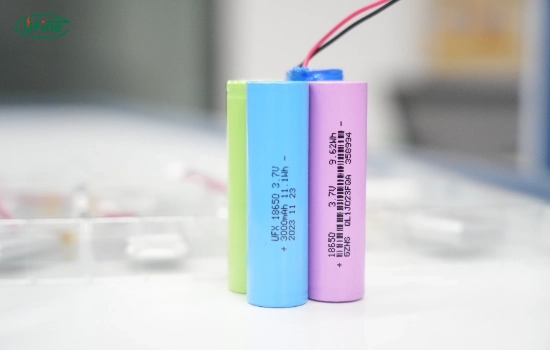
Rechargeable vape batteries are typically lithium-ion batteries, widely used for their high energy density and stable output.
Most vape devices use formats like 18650, 21700, or built-in Li-ion packs. Capacity is measured in mAh (milliamp-hours)—a higher number means longer runtime per charge.
Learn more about battery selection in this guide: how to choose the 18650 vape battery
When you press the fire button, the battery supplies current to the coil, converting e-liquid into vapor. This process places repeated stress on the battery, which directly impacts lifespan.
Typical vape battery lifespan (real-world data)
- Cycle Life
Most lithium-ion vape batteries support 300–500 full charge cycles
After this, capacity typically drops below 80% of original - Time-Based Lifespan
Light users: 1.5–2 years
Moderate users: 1 year
Heavy users (high wattage): 6–9 months - Daily Runtime (Per Charge)
Small pod systems: 1–2 days
Mid-range devices: 6–12 hours
High-power mods: 2–6 hours
For lithium-ion degradation basics, see U.S. Department of Energy battery guide
Part 2. What is a battery charge cycle?
A charge cycle is not just “0% to 100% once.” It is cumulative:
- 50% → 100% = 0.5 cycle
- Two half charges = 1 full cycle
This matters because frequent partial charging still consumes cycle life, but it is less stressful than full discharge.
1 Key factors that affect vape battery lifespan
- Battery Quality
High-quality cells (grade A lithium-ion) offer:- More stable output
- Longer cycle life
- Better safety
- Usage Patterns
Your vaping style directly affects battery longevity:
| Usage Type | Impact |
|---|---|
| Frequent puffs | Faster cycle consumption |
| Long draws | Higher energy drain |
| Chain vaping | Heat buildup → faster aging |
- Power Settings (Wattage)
Higher wattage = higher current draw
This increases internal resistance stress and heat
Result: faster capacity loss - Temperature Conditions
Ideal range: 15°C–25°C (59°F–77°F)
High heat → chemical degradation
Cold → temporary capacity loss - Charging Habits
Improper charging is a major cause of early battery failure:- Overcharging accelerates aging
- Cheap chargers cause unstable voltage
- Overnight charging increases heat exposure
Part 3. How usage influences “how long does a rechargeable vape last”
If you’re asking how long does a rechargeable vape last per charge, the answer depends on:
- Battery capacity (mAh)
- Coil resistance
- Wattage setting
- Puff frequency
Example:
- 3000mAh battery at low wattage → 1–2 days
- Same battery at high wattage → few hours
1 Signs your vape battery needs replacement
Replace your battery if you notice:
- Short runtime after full charge
- Weak vapor production
- Longer charging time
- Device overheating
- Physical damage (swelling or leakage)
⚠️ Safety note: Never use a damaged lithium battery.
2 How to extend vape battery lifespan
Best Practices
- Keep battery between 20%–80% charge
- Avoid full discharge (0%)
- Store in a cool, dry place
- Clean battery contacts regularly
- Use manufacturer-approved chargers
3 Vape battery charging best practices
- Use original or certified chargers only
- Avoid charging overnight
- Disconnect once fully charged
- Charge on non-flammable surfaces
Part 4. Common misconceptions about vape batteries
- “All vape batteries are the same”
False — capacity, chemistry, and discharge rate vary widely. - “You should always fully drain the battery”
False — this shortens lithium-ion lifespan. - “Damaged batteries are still usable”
Dangerous — always replace immediately.
Part 5. Practical application: Choosing the right vape battery
| Scenario | Recommended Setup |
|---|---|
| Casual user | Built-in battery (low maintenance) |
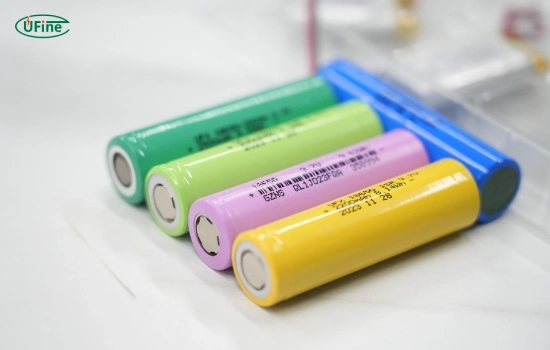
| Moderate user | 18650 battery (balanced) |
| Heavy user | 21700 battery (higher capacity) |
Part 6. FAQs about how long vape batteries last
How long do vape batteries last on a single charge?
Most last a few hours to 2 days, depending on battery size and usage.
How long do vape batteries last overall?
Typically 6 months to 2 years or 300–500 charge cycles.
Why does my vape battery drain so fast?
Common causes include: high wattage, frequent use, aging battery, and cold temperatures.
Can I leave my vape charging overnight?
Not recommended. It increases heat exposure and reduces battery lifespan.
How do I make my vape battery last longer?
Use moderate wattage, avoid overcharging, and keep the battery in a stable temperature environment.
Related Tags:

More Articles

The Ultimate Guide to Small Size Battery
Learn small battery types, sizes, and applications. Compare lithium, alkaline, and coin cells. Find the best small size battery for your device or project.
Lithium Battery Comparison: Soft Pack Vs. Hard Pack
Compare soft pack vs hard pack lithium battery. Understand structure, safety, energy density, and applications to choose the right battery.
What Size are 18650 Batteries?
Learn exact 18650 battery dimensions (18mm × 65mm), tolerances, and pack configurations. Compare 18650 size with 21700 and others for better battery selection.
The Ultimate Guide to Battery Terminal Clamps
Learn battery terminal clamps, including types, materials, installation, and how to choose the right battery clamp for car and industrial use.
What Is a Lithium-Ion Battery Pack?
Learn what a lithium ion battery pack is, how it works, key components, configurations, and real-world applications for industrial and commercial use.