- Part 1. What are AGM batteries?
- Part 2. What are lead acid batteries?
- Part 3. AGM vs lead acid battery - a detailed comparison
- Part 4. Choosing the right battery: When agm reigns supreme
- Part 5. Choosing the right battery: When lead acid batteries are still relevant
- Part 6. Can you replace a lead acid battery with AGM?
- Part 7. FAQs
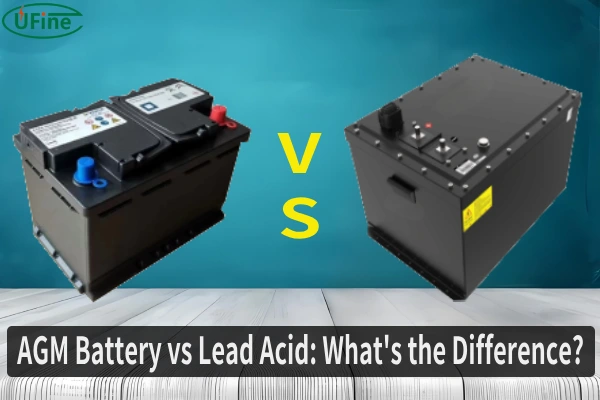
The world of batteries can be a confusing labyrinth, especially when choosing between AGM and lead acid batteries. Both are popular choices for various applications, from powering vehicles to storing renewable energy. However, they differ significantly in their construction, performance, and suitability for specific needs. This comprehensive guide will delve into the intricacies of each type, exploring their advantages, disadvantages, and ultimately helping you determine which one reigns supreme for your particular application.
Key takeaways
- AGM batteries are still lead acid batteries, but they use a sealed Absorbent Glass Mat structure instead of free liquid electrolyte.
- You should not treat all lead acid batteries as the same—AGM and flooded types behave very differently in charging, lifespan, and safety.
- AGM batteries are maintenance-free and more resistant to vibration, but they are more sensitive to overcharging.
- Flooded lead acid batteries are cheaper and more tolerant to basic charging systems, but they require regular maintenance and ventilation.
- The right choice depends on your application (starter, deep cycle, solar, backup power) and how precise your charging system is.
Part 1. What are AGM batteries?
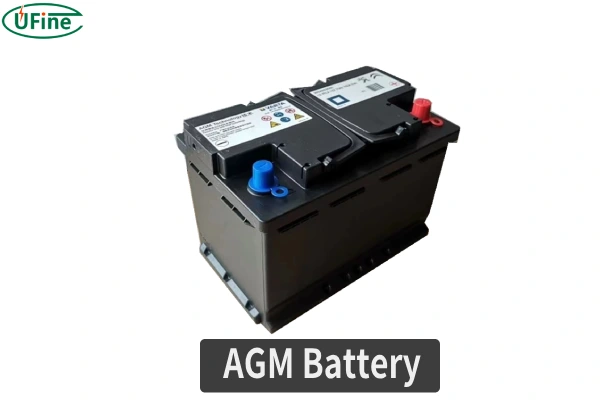
AGM (Absorbent Glass Mat) is a type of sealed lead acid battery where the electrolyte is absorbed into fiberglass mats placed between the plates. Instead of having free-flowing liquid, the acid is immobilized inside the separator material.
This structural change makes a big difference in real-world performance. Because the electrolyte is held in place, AGM batteries are spill-proof and can operate in any orientation without leakage. They are also sealed systems, which means you do not need to add water or perform regular maintenance.
Another important engineering feature is the oxygen recombination process. During charging, gases generated inside the battery are recombined internally rather than being vented out. This improves efficiency and reduces water loss, which is one of the main reasons AGM batteries tend to last longer under proper charging conditions.
AGM stands for Absorbent Glass Mat. These batteries are essentially a sophisticated evolution of the traditional lead acid battery, incorporating a critical technological advancement. Instead of using a liquid electrolyte solution, AGM batteries utilize a special fiberglass mat that absorbs the electrolyte, effectively immobilizing it. This ingenious design offers several key benefits:
Advantages of AGM Batteries
-
Enhanced Safety: The immobilized electrolyte eliminates the risk of spills and leaks, making AGM batteries significantly safer than their traditional counterparts. This is crucial in applications where battery placement is confined or where accidental spills could cause damage or pose a hazard.
-
Superior Performance: AGM batteries boast a higher power output and can deliver more energy than traditional lead acid batteries. This translates to a more robust performance in demanding applications requiring sustained power delivery, like high-performance vehicles or solar energy systems.
-
Extended Lifespan: Due to the immobilized electrolyte, AGM batteries experience less internal corrosion and degradation. This results in a longer lifespan, requiring fewer replacements and reducing long-term costs.
-
Improved Durability: The robust construction and immobilized electrolyte make AGM batteries more resistant to vibration and shock. This makes them ideal for applications involving rough terrain or frequent movement, like off-road vehicles or heavy-duty equipment.
-
Faster Charging: AGM batteries can charge faster than traditional lead acid batteries due to their improved internal conductivity. This is particularly advantageous in applications where quick charging is essential, such as in emergency power systems or high-demand situations.
Disadvantages of AGM Batteries
-
Higher Cost: The advanced technology and construction of AGM batteries make them more expensive than traditional lead acid batteries. This cost difference can be a significant factor in budget-conscious applications.
-
Limited Capacity: While AGM batteries offer superior performance, they generally have a lower capacity than traditional lead acid batteries of the same size. This means they can store less energy, potentially limiting their suitability for applications requiring extended run times.
-
Temperature Sensitivity: AGM batteries are more sensitive to extreme temperatures than traditional lead acid batteries. They can experience reduced performance or even damage in very hot or cold environments.
Part 2. What are lead acid batteries?
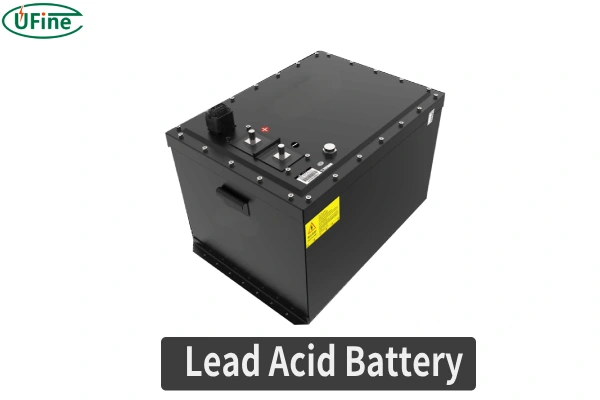
A lead acid battery is a rechargeable battery technology that has been used for over a century in vehicles, backup systems, and industrial applications. At its core, it generates electricity through a chemical reaction between lead-based plates and sulfuric acid.
Inside a traditional flooded lead acid battery, you will find liquid electrolyte freely moving around the plates. This design is relatively simple and cost-effective, but it comes with trade-offs. Because the electrolyte is not contained, the battery must be vented during charging to release gas, and over time, water loss occurs, which is why you need to regularly check and refill it.
In modern usage, “lead acid battery” is actually a broad category that includes several subtypes, and one of the most important is AGM.
Advantages of Lead Acid Batteries
-
Affordability: Lead acid batteries are significantly cheaper than AGM batteries, making them an attractive option for budget-conscious applications. This cost advantage can be crucial in situations where initial investment is a major consideration.
-
High Capacity: Traditional lead acid batteries typically have a higher capacity than AGM batteries of the same size. This means they can store more energy, making them suitable for applications requiring extended run times, such as off-grid power systems or long-distance travel.
-
Wide Availability: Lead acid batteries are readily available worldwide, making them easy to find and replace. This accessibility is particularly valuable in remote locations or during emergencies when sourcing specialized batteries might be challenging.
Disadvantages of Lead Acid Batteries
-
Safety Concerns: The liquid electrolyte in traditional lead acid batteries poses a significant safety risk. Spills can cause damage to surrounding equipment, pose a health hazard, and require specialized cleanup procedures.
-
Lower Performance: Lead acid batteries have a lower power output and shorter lifespan compared to AGM batteries. This can be a significant drawback in demanding applications requiring sustained performance or extended run times.
-
Maintenance Requirements: Traditional lead acid batteries require regular maintenance, including topping off the electrolyte levels and cleaning the terminals. This can be time-consuming and inconvenient, especially in applications where accessibility is limited.
-
Limited Durability: Lead acid batteries are less durable than AGM batteries and can be damaged by vibration, shock, and extreme temperatures. This can shorten their lifespan and make them unsuitable for applications involving rough conditions.
-
Slower Charging: Lead acid batteries charge slower than AGM batteries due to their lower internal conductivity. This can be a significant drawback in applications requiring quick charging, such as in emergency power systems or high-demand situations.
If you are not sure whether your battery is AGM or not, you can check this guide on how to tell if a battery is AGM for a step-by-step explanation.
Part 3. AGM vs lead acid battery – a detailed comparison
To illustrate the key differences between AGM and lead acid batteries, let’s examine them side-by-side:
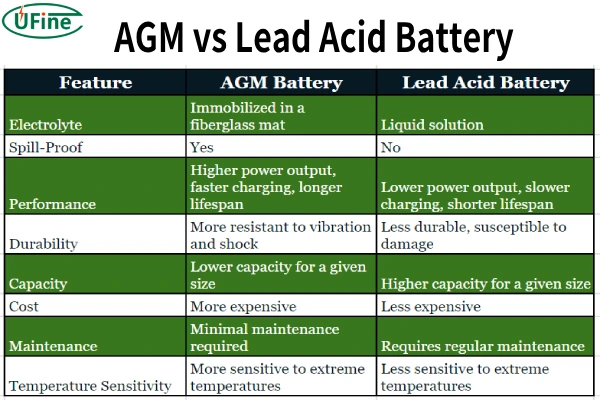
1 AGM vs lead acid internal structure differences
The real difference between AGM and flooded lead acid batteries is not just performance—it starts at the internal design level.
In a flooded lead acid battery, the electrolyte is fully liquid and freely surrounds the lead plates. This allows easy ion movement, but it also leads to issues like acid stratification, where heavier acid settles at the bottom over time, reducing efficiency and accelerating degradation.
In an AGM battery, the electrolyte is absorbed into fiberglass separators. This keeps the acid evenly distributed and prevents stratification. At the same time, the sealed structure allows internal gas recombination, which reduces water loss and improves overall stability.
| Feature | AGM battery | Flooded lead acid battery |
|---|---|---|
| Electrolyte type | Absorbed in fiberglass mat | Free-flowing liquid |
| Maintenance | Maintenance-free | Regular water refilling required |
| Gas handling | Internal recombination | External venting required |
| Acid stratification | Minimal risk | Higher risk over time |
| Installation flexibility | Can be mounted in various positions | Must stay upright |
2 AGM vs lead acid charging differences
Charging behavior is one of the most important practical differences you need to understand, especially if you are considering replacing one battery type with another.
AGM batteries require tighter voltage control. If you overcharge them, you can permanently damage the internal structure because excess gas pressure cannot be safely vented in the same way as flooded batteries. In most systems, AGM batteries typically require an absorption voltage in the range of 14.4V to 14.7V, followed by a controlled float stage.
Flooded lead acid batteries are more forgiving. They can tolerate slightly higher charging voltages and are designed to release excess gas during charging. However, this also means they lose water over time, which is why maintenance is required.
If you are using a smart charger, it should ideally support a specific AGM charging profile rather than a generic lead acid mode. As noted in charging guidelines from manufacturers such as Trojan Battery Charging Guide, using the correct charging profile is critical to extending battery life.
3 Cycle life, depth of discharge, and real usage performance
Battery lifespan is not just about chemistry—it is heavily influenced by how deeply you discharge the battery in real use.
AGM batteries generally tolerate deeper discharge levels better than flooded batteries, especially in applications where consistent cycling is required, such as solar storage or backup systems.
| Battery type | Recommended depth of discharge (DoD) | Typical cycle life |
|---|---|---|
| AGM battery | 50%–80% | 300–800 cycles |
| Flooded lead acid battery | 30%–50% | 200–500 cycles |
In real-world usage, if you regularly discharge a battery too deeply, both types will degrade faster, but flooded batteries tend to lose capacity more quickly due to sulfation buildup on the plates.
4 Temperature and environmental performance
Temperature has a direct impact on how both battery types behave, especially in outdoor or industrial environments.
AGM batteries perform better in cold conditions because they typically offer higher cold cranking performance and lower internal resistance. This makes them a popular choice in vehicles operating in colder climates or systems that require high burst current.
Flooded lead acid batteries, on the other hand, are more sensitive to temperature extremes. In cold environments, their capacity drops noticeably. In hot environments, water loss accelerates, which increases maintenance requirements and reduces lifespan if not properly managed.
AGM VS Lithium VS Lead-Acid Battery: Comprehensive Comparison
Part 4. Choosing the right battery: When agm reigns supreme
AGM batteries are the superior choice for applications where performance, safety, and durability are paramount. Here are some scenarios where AGM batteries excel:
-
High-Performance Vehicles: AGM batteries are ideal for powering high-performance vehicles, such as racing cars, motorcycles, and boats, due to their high power output and ability to handle heavy loads.
-
Deep Cycle Applications: AGM batteries are well-suited for deep cycle applications, such as solar power systems, electric golf carts, and marine batteries, where they can withstand repeated deep discharges without significant degradation.
-
Safety-Critical Applications: Their spill-proof design makes them ideal for applications where safety is paramount, such as in medical devices, emergency lighting systems, and backup power systems.
-
Off-Road Vehicles: AGM batteries’ durability and resistance to vibration make them a reliable choice for off-road vehicles and heavy-duty equipment operating in rough terrains.
-
High-Demand Applications: AGM batteries’ faster charging capabilities make them suitable for applications demanding quick recharge times, such as in emergency power systems or high-demand situations.
Part 5. Choosing the right battery: When lead acid batteries are still relevant
Despite their limitations, lead acid batteries remain a viable option for specific applications. Here’s when lead acid batteries might be the better choice:
-
Budget-Conscious Applications: Lead acid batteries are the most cost-effective option for applications where initial investment is a major concern, such as in lawnmowers, small engines, and general-purpose applications.
-
Extended Run Times: Their higher capacity makes them suitable for applications requiring extended run times, such as off-grid power systems or long-distance travel.
-
Wide Availability: Lead acid batteries are readily available worldwide, making them easy to find and replace, particularly in remote locations or during emergencies.
Part 6. Can you replace a lead acid battery with AGM?
In many applications, you can replace a flooded lead acid battery with an AGM battery, but it is not always a direct drop-in replacement.
If your charging system supports proper AGM voltage control, and your application benefits from sealed, maintenance-free operation, then AGM is often a better long-term choice.
However, if your system uses a basic charger without voltage regulation, or if cost is the main constraint, flooded lead acid may still be the more practical option.
For example, in automotive and backup systems, AGM is commonly used due to its stability and reliability. But in low-cost applications where maintenance is acceptable, flooded batteries remain widely used.
Part 7. FAQs
1. Are AGM batteries considered deep cycle batteries?
Yes, many AGM batteries are designed for deep cycle use, especially in solar, RV, and backup power systems. However, not all AGM batteries are true deep cycle, so you should check the manufacturer specification.
2. Why are AGM batteries more expensive than flooded lead acid batteries?
AGM batteries use fiberglass separator technology, sealed construction, and more precise manufacturing processes, which increase production cost compared to traditional flooded designs.
3. Can AGM batteries be installed in any position?
Yes, AGM batteries are sealed and spill-proof, so they can be mounted in most orientations without leakage, unlike flooded lead acid batteries.
4. Do AGM batteries produce gas during charging?
Yes, but very little. AGM batteries use internal gas recombination, which significantly reduces external venting compared to flooded batteries.
6. Are AGM batteries more environmentally friendly than flooded batteries?
AGM batteries can reduce acid leakage risk and water loss, but both types still contain lead and require proper recycling. Environmental impact depends more on usage and disposal practices.
Related Tags:

More Articles
Buck vs. Boost vs. Buck-Boost Converter: Which Is Best for Battery?
Not sure which converter your battery-powered device needs? Compare Buck, Boost, and Buck-Boost designs and discover what affects voltage stability and runtime.
How to Match 18650 Cells for a Reliable Battery Pack?
Building an 18650 battery pack? Learn how to compare cell capacity, voltage, and internal resistance to avoid mismatches and improve reliability.
Why Do 18650 Battery Packs Get Hot During Discharge?
Is your 18650 battery pack overheating under load? Learn what causes excess heat, how to spot dangerous symptoms, and what to do next.
18650 Battery BMS: How to Get the Specs Right
Learn how to choose a BMS for an 18650 battery pack. Compare voltage, current ratings, protection features, and balancing before you buy.
Why Does My Ring Camera Battery Drain So Fast or Stop Charging?
Is your Ring camera battery draining fast or not charging? Discover common causes, practical fixes, and when to replace the battery.