
- Key Takeaways
- Part 1. What is a lithium metal AA battery?
- Part 2. Lithium metal AA battery parameters
- Part 3. Lithium metal AA vs lithium-ion AA batteries
- Part 4. AA lithium vs lithium-Ion vs alkaline vs NiMH
- Part 5. Applications of lithium metal AA Batteries
- Part 6. Advantages and limitations
- Part 7. AA battery buying guide
- Part 8. Common misconceptions
- Part 9. Brand & model recommendations
- Part 10. Lifespan and storage
- Part 11. FAQs
Key Takeaways
- Not all AA lithium batteries are rechargeable—most are single-use lithium metal cells.
- Lithium-ion AA batteries are rechargeable but require internal electronics to deliver a safe 1.5V, so they’re not always drop-in replacements.
- Picking the wrong battery can lead to weak performance, device glitches, or even safety hazards.
- Understanding voltage, chemistry, usage scenario, and storage life makes choosing the right AA battery much easier.
Part 1. What is a lithium metal AA battery?
Lithium metal AA batteries are a type of primary cell battery, meaning they are designed for single-use and cannot be recharged. They are widely known for their high energy density due to the use of lithium metal as the anode. This allows them to store more energy than conventional alkaline batteries, providing longer runtime for devices such as smoke detectors, digital cameras, and remote controls.
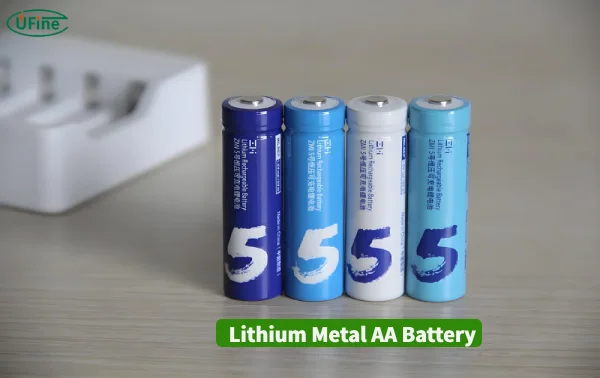
Key features of lithium metal AA batteries include:
- Voltage Stability: Maintains a steady 1.5V output throughout the discharge cycle, ensuring reliable performance.
- Shelf Life: Can retain charge for up to 10 years under proper storage conditions, making them ideal for emergency and backup applications.
- High Performance in Extreme Temperatures: Unlike alkaline batteries, lithium metal AA batteries perform well in very cold or hot environments.
While highly reliable, these batteries are non-rechargeable, so they must be replaced after use.
Note: If your device requires a rechargeable solution, companies like Ufine Battery provide custom lipo battery and cylindrical batteries that can be safely recharged hundreds of times while maintaining performance and longevity.
Part 2. Lithium metal AA battery parameters
Lithium metal AA batteries adhere to standard AA dimensions (14mm × 50mm), ensuring compatibility with most devices. Their typical capacity is around 3000 mAh, which is significantly higher than most alkaline batteries.
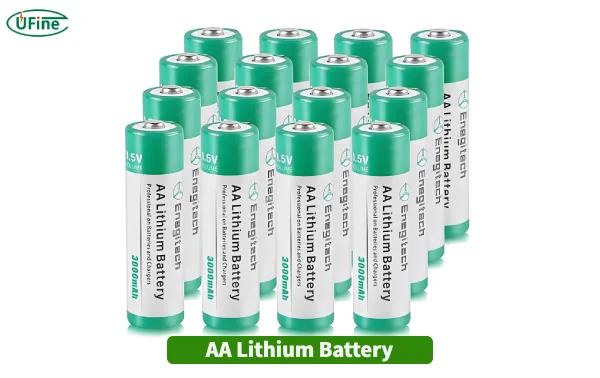
Other considerations include:
- Environmental Impact: Single-use batteries create more waste, so proper recycling is important.
- Device Compatibility: Works with a wide range of low-drain devices, but not suitable for devices requiring rechargeable cells.
Part 3. Lithium metal AA vs lithium-ion AA batteries
| Feature | Lithium Metal AA | Lithium-Ion AA |
|---|---|---|
| Chemistry | Lithium metal anode, non-rechargeable | Lithium-ion compound, rechargeable |
| Voltage | 1.5V | 3.6–3.7V per cell |
| Size | Standard AA | Varies (e.g., 18650, cylindrical) |
| Rechargeable | No | Yes |
| Lifespan | Up to 10 years in storage | 300–500 cycles or more |
| Cost | Lower upfront, higher over time | Higher upfront, economical long-term |
| Safety | Generally safer, no thermal runaway | Risk of overheating if mishandled |
| Environmental | Single-use, more waste | Rechargeable, reduces waste if recycled |
Key Differences Explained:
- Rechargeability and Cycle Life: Lithium-ion batteries are designed for repeated charging and discharging, making them ideal for high-drain devices like smartphones, cameras, and portable electronics. Lithium metal AA batteries, however, are best suited for devices that require long shelf life and low-drain usage.
- Applications: Lithium metal AA batteries excel in smoke detectors, medical devices, flashlights, and other emergency equipment. Lithium-ion AA cells are ideal for rechargeable devices where frequent replacement would be inconvenient.
Part 4. AA lithium vs lithium-Ion vs alkaline vs NiMH
| Battery Type | Chemistry | Voltage | Rechargeable | Typical Capacity | Best Use Cases |
|---|---|---|---|---|---|
| Lithium Metal AA | Lithium metal | 1.5V | No | ~3000 mAh | Smoke detectors, emergency kits, low-drain devices |
| Lithium-Ion AA | Lithium-ion | 3.6–3.7V | Yes | 2000–3000 mAh | High-drain devices, cameras, portable electronics |
| Alkaline AA | Zinc/Manganese | 1.5V | No | 2000–2500 mAh | Low-to-moderate drain devices, general household use |
| NiMH AA | Nickel-metal hydride | 1.2V | Yes | 1800–2500 mAh | Rechargeable devices, toys, high-drain electronics |
This table helps you quickly compare performance, rechargeability, and device suitability, so you can make an informed choice.
Part 5. Applications of lithium metal AA Batteries
Lithium metal AA batteries are suitable for a variety of low-drain and critical devices:
- Smoke Detectors: Reliable power for several years with minimal maintenance.
- Digital Cameras: Stable voltage allows longer shooting sessions, especially for high-performance cameras.
- Flashlights: Outdoor and professional users benefit from consistent brightness and extended runtime.
- Medical Devices: Critical equipment benefits from long shelf life and dependable power.
Their stability in extreme temperatures and extended shelf life makes them an excellent choice for emergency kits, safety devices, and outdoor equipment.
For users seeking rechargeable, high-performance lithium solutions, Ufine Battery provides customizable lithium-ion batteries suitable for consumer electronics, industrial devices, and specialized high-drain applications.
Part 6. Advantages and limitations
Advantages:
- Long shelf life and stable voltage
- Lightweight and high energy density
- Excellent performance in extreme temperatures
Limitations:
- Non-rechargeable (for lithium metal)
- Higher cost over time compared to rechargeable lithium-ion solutions
- Requires careful disposal to reduce environmental impact
Part 7. AA battery buying guide
When buying AA batteries, consider these factors:
- Device Requirements: Check if your device needs rechargeable cells or single-use batteries.
- Voltage and Chemistry: Match voltage requirements (1.5V for AA lithium metal, 3.6V for Li-ion AA).
- Energy Demands: High-drain devices benefit from lithium or NiMH batteries; low-drain devices work well with alkaline or lithium metal.
- Temperature and Storage: Choose batteries suited for cold or hot environments.
- Brand Reliability: Trusted brands ensure consistent performance. For custom rechargeable solutions, Ufine Battery offers high-quality lithium-ion AA and cylindrical batteries with tailored voltage, capacity, and discharge rates to meet your project needs.
Part 8. Common misconceptions
- All AA lithium batteries are rechargeable. False—most lithium metal AA batteries are single-use.
- Lithium-ion AA can replace any AA battery. Not always—the step-down circuit can cause device incompatibility.
- Higher mAh always equals longer runtime. False—steady voltage often matters more than capacity, especially in low-drain devices.
Getting these wrong leads to wasted money, frustration, and occasionally, smoke detector failure.
Part 9. Brand & model recommendations
| Brand | Voltage Stability | Capacity | Price | Device Compatibility | Recommended Use |
|---|---|---|---|---|---|
| Energizer Lithium AA | Excellent | 3000 mAh | Mid | Most AA devices | Smoke detectors, flashlights |
| Duracell Lithium AA | Very good | 3000 mAh | Mid | Most AA devices | Emergency kits, cameras |
| Panasonic Eneloop NiMH | Good | 2000–2500 mAh | Affordable | Rechargeable | Toys, controllers |
| Ultralife Lithium AA | Excellent | 3000 mAh | Higher | Critical devices | Medical devices, security sensors |
| Sony Lithium-Ion AA | Good | 2000–2500 mAh | Higher | Needs device compatibility | Rechargeable cameras, portable electronics |
These recommendations are based on manufacturer datasheets and reviews—so you can trust performance.
Part 10. Lifespan and storage
- Lithium Metal AA: Up to 10 years in storage; can last years in low-drain devices.
- Lithium-Ion AA: Around 300–500 recharge cycles, perfect for frequently used devices.
- Alkaline AA: Up to 3 years in storage, but voltage gradually declines in use.
- NiMH AA: 500–1000 cycles depending on quality.
Battery University notes that storing lithium metal batteries in a cool, dry place maximizes their long shelf life.
Part 11. FAQs
Are AA batteries lithium?
Some AA batteries are lithium metal (single-use) or lithium-ion (rechargeable). Always check the label and device requirements.
Can lithium metal AA batteries replace alkaline batteries?
Yes, in most devices that accept AA size, but non-rechargeable lithium should not be used where rechargeability is required.
How long do lithium metal AA batteries last?
Up to 10 years in storage and several years in low-drain devices like smoke detectors.
Are lithium metal AA batteries suitable for cold environments?
Yes, they perform reliably in extreme temperatures, unlike alkaline batteries that lose efficiency in cold conditions.
Can I get custom lithium batteries for my devices?
Yes. Ufine Battery offers custom rechargeable lithium-ion batteries with tailored sizes, voltages, capacities, and discharge rates for various applications.
Can lithium metal batteries be recharged?
No. Only lithium-ion or other rechargeable chemistries can be safely recharged.
Related Tags:

More Articles
Dead Battery or Device Failure? How to Find the Cause
Think your device is broken? Learn how to tell if the problem comes from battery aging or hardware failure before replacing your electronics.
Why iPhone Duo Uses Two Batteries: The Engineering Behind Foldable Phone Power
Why do foldable phones need two batteries? Explore the engineering challenges behind iPhone Duo’s dual-battery architecture and future battery trends.
Solid-State Batteries: 3 Myths You Need to Know
Solid-state batteries promise safer EVs and longer range, but the reality is more complex. Discover the challenges behind this next-gen technology.
Battery Capacity vs Discharge Rate: The Choice Engineers Face
Higher capacity or higher discharge rate? Learn how to choose the right LiPo battery for longer runtime, stable power output, and better device performance.
Battery Cable Size Guide: Choose the Right Wire Fast
Not sure what battery cable size you need? Learn how to select the right wire gauge, terminal size, and cable for safer, more efficient battery systems.


