
- Key Takeaways
- Part 1. What is a high performance battery? Key features explained
- Part 2. Types of high performance batteries (lithium, agm, nimh)
- Part 3. High performance battery applications: Ev, energy storage & more
- Part 4. High performance battery metrics: Cca, self-discharge & more
- Part 5. Benefits of high performance batteries
- Part 6. How to choose a high performance battery (buyer's guide)
- Part 7. High performance battery myths vs facts (what really matters)
- Part 8. FAQs about high performance batteries
A high performance battery is engineered to deliver higher power output, longer lifespan, and stable performance under demanding conditions. It is widely used in electric vehicles, industrial equipment, energy storage systems, and advanced electronics.
As systems demand higher discharge rates, faster charging, and better reliability, choosing the right high performance lithium battery or alternative chemistry becomes a critical engineering decision—not just a spec comparison.
Key Takeaways
- A high performance battery is defined by power output, cycle life, and reliability, not just capacity.
- Lithium-ion batteries dominate due to high energy density and low self-discharge.
- CCA matters for cold starts, especially in automotive and outdoor applications.
- Low self-discharge improves standby reliability, critical for backup and seasonal use.
- Battery selection should match application load profile, environment, and lifecycle cost.
Part 1. What is a high performance battery? Key features explained
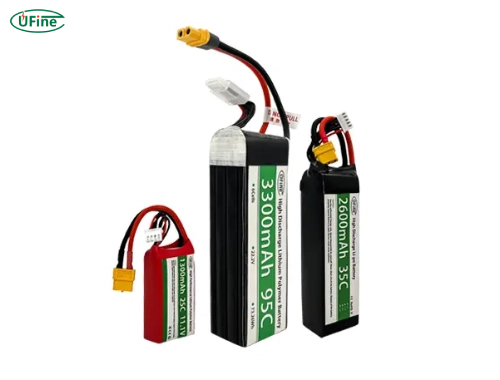
A high performance battery is designed to operate efficiently under high load, frequent cycling, or extreme environments.
Core Performance Characteristics
- High Energy Density → Stores more energy in a smaller size. Essential for EVs and portable devices.
- High Power Output (High C-rate) → Supports rapid discharge for applications like power tools or engine starting.
- Fast Charging Capability → Reduces downtime in industrial and consumer applications.
- Long Cycle Life → Maintains capacity over hundreds or thousands of charge cycles.
- Thermal and Mechanical Stability → Performs reliably under vibration, heat, or cold conditions.
👉 For lithium-based systems, performance is also tied to cell chemistry, BMS design, and thermal management. You can explore more in our lithium battery knowledge hub.
Part 2. Types of high performance batteries (lithium, agm, nimh)
Different chemistries serve different performance priorities.
1. Lithium-Ion Batteries (Li-ion)
- High energy density and efficiency
- Low self-discharge (~2–3% per month)
- Widely used in EVs, drones, and electronics
👉 Often the best choice for high performance lithium battery applications
2. AGM Batteries (Absorbent Glass Mat)
- Spill-proof and vibration-resistant
- Better than traditional lead-acid for durability
- Used in start-stop vehicles and backup systems
3. Nickel-Metal Hydride (NiMH)
- Moderate energy density
- Good safety and stability
- Common in hybrid vehicles
4. Advanced Lead-Acid (Gel / Enhanced Flooded)
- Lower cost
- Improved reliability over traditional designs
- Suitable for backup and low-budget systems
Part 3. High performance battery applications: Ev, energy storage & more
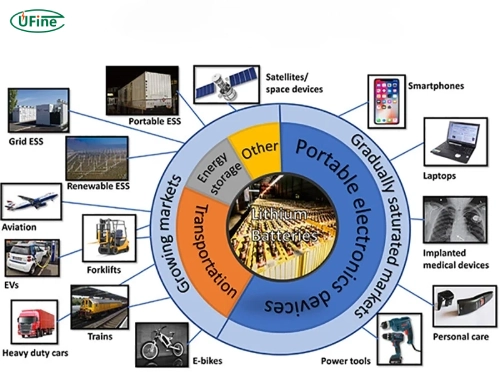
Key Application Scenarios
| Industry | Why High Performance Batteries Matter |
|---|---|
| Electric Vehicles | High discharge + long range |
| Energy Storage (ESS) | Stable cycling + low degradation |
| Aerospace | Lightweight + extreme reliability |
| Industrial Equipment | High load + durability |
| Consumer Electronics | Compact + fast charging |
External reference: Battery performance standards are often defined by organizations like SAE International and IEEE.
Part 4. High performance battery metrics: Cca, self-discharge & more
1. Cold Cranking Amps (CCA)
CCA measures a battery’s ability to start an engine in cold temperatures.
- Defined as current delivered at 0°F (-18°C) for 30 seconds
- Higher CCA = better cold-start reliability
👉 Learn more here: CCA battery meaning explained
Engineering insight: Low temperature slows electrochemical reactions. A high CCA battery compensates by delivering higher instantaneous current.
2. Self-Discharge Rate
Self-discharge determines how fast a battery loses charge when idle.
| Battery Type | Monthly Self-Discharge |
|---|---|
| Lithium-ion | ~2–3% |
| AGM / Lead-acid | ~3–5%+ |
Why it matters:
- Critical for backup systems
- Important for seasonal vehicles (RV, marine)
- Affects maintenance frequency
Part 5. Benefits of high performance batteries
- Longer lifespan → lower total cost of ownership
- Higher reliability in critical systems
- Faster charging → improved operational efficiency
- Lower maintenance (especially lithium & AGM)
From an ROI perspective, high performance batteries are typically justified in high-duty or mission-critical applications.
Part 6. How to choose a high performance battery (buyer’s guide)
1. Match the Application Profile
- High discharge → choose lithium or AGM
- Long standby → prioritize low self-discharge
- Harsh environment → ensure thermal stability
2. Check Key Specifications
- Capacity (Ah)
- Voltage
- C-rate (charge/discharge capability)
- Cycle life
3. Evaluate System Compatibility
- Physical size and form factor
- BMS and charger compatibility
- Integration with your device or system
4. Consider Lifecycle Cost (Not Just Price)
A cheaper battery may cost more over time due to:
- Shorter lifespan
- Higher maintenance
- Lower efficiency
Part 7. High performance battery myths vs facts (what really matters)
- Myth 1: Expensive = high performance
→ Performance depends on specs, not price alone. - Myth 2: High performance means higher capacity only
→ True performance includes power delivery, lifespan, and stability.
Part 8. FAQs about high performance batteries
What is a high performance lithium battery?
A high performance lithium battery delivers high energy density, fast charging, and long cycle life, making it ideal for EVs, energy storage, and industrial systems.
How long do high performance batteries last?
Typically 5–10 years, depending on usage, depth of discharge, and operating conditions.
Are high performance batteries worth it?
Yes—especially in applications requiring reliability, high power output, or long service life.
Can I replace a standard battery with a high performance battery?
In many cases yes, but you must verify voltage, size, and system compatibility.
Do high performance batteries need special chargers?
Some do. For example, lithium-ion batteries require compatible chargers and BMS control.
Related Tags:

More Articles
Dead Battery or Device Failure? How to Find the Cause
Think your device is broken? Learn how to tell if the problem comes from battery aging or hardware failure before replacing your electronics.
Why iPhone Duo Uses Two Batteries: The Engineering Behind Foldable Phone Power
Why do foldable phones need two batteries? Explore the engineering challenges behind iPhone Duo’s dual-battery architecture and future battery trends.
Solid-State Batteries: 3 Myths You Need to Know
Solid-state batteries promise safer EVs and longer range, but the reality is more complex. Discover the challenges behind this next-gen technology.
Battery Capacity vs Discharge Rate: The Choice Engineers Face
Higher capacity or higher discharge rate? Learn how to choose the right LiPo battery for longer runtime, stable power output, and better device performance.
Battery Cable Size Guide: Choose the Right Wire Fast
Not sure what battery cable size you need? Learn how to select the right wire gauge, terminal size, and cable for safer, more efficient battery systems.


