- Part 1. What Is a 3.2 volt lithium battery?
- Part 2. Shapes
- Part 3. Common models of 3.2 volt lithium battery
- Part 4. Why do LiFePO4 batteries use 3.2v instead of 3.7v
- Part 5. 3.2v lithium battery voltage curve explained
- Part 6. How long does a 3.2v lithium battery last?
- Part 7. How to charge a 3.2 volt lithium battery
- Part 8. Types of 3.2 volt lithium battery chargers
- Part 9. Common mistakes when using 3.2v batteries
- Part 10. FAQs
If you’re into electronics or renewable energy systems, you’ve likely heard of 3.2 volt lithium batteries. These batteries have become increasingly popular due to their high energy density, long lifespan, and versatility. But what exactly is a 3.2-volt lithium battery, and why should you care about them?
In this article, we’ll explore everything you need to know about 3.2 volt lithium batteries—from their chemistry and common models to their applications, advantages, and maintenance. Whether you’re planning to use them for off-grid solar storage, an electric vehicle, or DIY projects, you’ll get a comprehensive understanding of these batteries. Let’s dive in!
Key takeaways
- A 3.2V lithium battery usually refers to a LiFePO4 (lithium iron phosphate) cell with a nominal voltage of 3.2V
- The full charge voltage is typically 3.65V, and the discharge cut-off is around 2.5V–2.8V
- Compared with 3.7V lithium-ion batteries, 3.2V LiFePO4 batteries offer higher safety and longer cycle life
- You often use 3.2V cells in series to build 12V, 24V, or 48V battery systems
- Correct charging behavior and BMS configuration are critical for battery performance and lifespan
Part 1. What Is a 3.2 volt lithium battery?
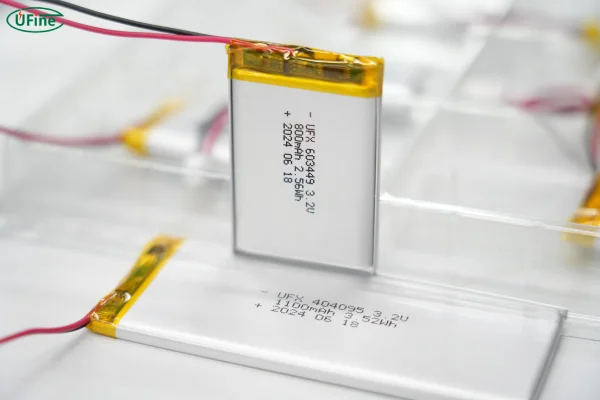
A 3.2-volt lithium battery is a specific type of lithium-ion battery that operates at a nominal voltage of 3.2 volts. Unlike common 3.7-volt lithium batteries, these 3.2-volt batteries typically use lithium iron phosphate (LiFePO4) chemistry, which provides several distinct advantages, such as enhanced safety and longer cycles.
When you see a “3.2 volt lithium battery”, it usually refers to a single lithium iron phosphate (LiFePO4) cell rather than a complete battery pack.
In practical terms, you are dealing with a rechargeable battery chemistry designed to provide:
- Stable nominal voltage of 3.2V
- High thermal stability and safety
- Long cycle life compared to traditional lithium-ion batteries
Unlike 3.7V lithium-ion cells used in smartphones and laptops, a 3.2V LiFePO4 battery prioritizes safety and durability over energy density.
You can think of it as a building block. By connecting multiple cells in series, you create higher-voltage systems for solar storage, backup power, and industrial applications.
A 3.2V lithium battery is almost always a single cell, not a complete pack.
Here is how real systems are built:
| System voltage | Number of 3.2V cells (LiFePO4) | Typical application |
|---|---|---|
| 12V system | 4 cells in series | Home storage, small solar systems |
| 24V system | 8 cells in series | Medium solar systems |
| 48V system | 16 cells in series | Industrial energy storage |
So when you see a “12V LiFePO4 battery”, it is actually a series connection of multiple 3.2V cells.
The 3.2V rating is important because it indicates the average voltage the battery provides during discharge. Lithium iron phosphate batteries are considered safer than other lithium batteries because they are less prone to overheating or catching fire. This makes them a favorite choice in applications requiring both power and safety.
1 Advantages:
- Safety: LiFePO4 is the safest lithium battery chemistry, with a low risk of overheating or fire.
- Longevity: These batteries can last for 2,000+ cycles, much longer than traditional lead-acid batteries.
- Energy Efficiency: Lithium batteries offer higher energy density and efficiency compared to other battery chemistries.
- Low Maintenance: Unlike lead-acid batteries, lithium batteries require less maintenance and are more forgiving during charging and discharging.
2 Disadvantages:
- Cost: 3.2-volt lithium batteries tend to be more expensive upfront than other types, though their long-term benefits make them cost-effective over time.
- Temperature Sensitivity: Although they’re safer, they can still be sensitive to extreme temperatures. Proper care and installation are needed to maximize lifespan.
- Compatibility: Some older systems may not be compatible with lithium batteries, requiring you to upgrade or adjust your system.
3 Is a 3.2v lithium battery the same as LiFePO4?
Yes, in most practical contexts, a 3.2V lithium battery refers to a LiFePO4 cell.
However, not all lithium batteries are LiFePO4.
- 3.2V = LiFePO4 (iron phosphate chemistry)
- 3.7V = lithium-ion (NMC, LCO, etc.)
So when you see “3.2V battery”, you should automatically associate it with LiFePO4 chemistry unless specified otherwise.
4 Typical applications of 3.2v lithium batteries
Common applications include:
- Solar energy storage systems
- Residential backup power systems
- Off-grid power installations
- Low-speed electric vehicles
- Industrial energy storage systems
In solar applications especially, the long cycle life of LiFePO4 makes it significantly more cost-effective over time compared to traditional lithium-ion chemistries.
Part 2. Shapes
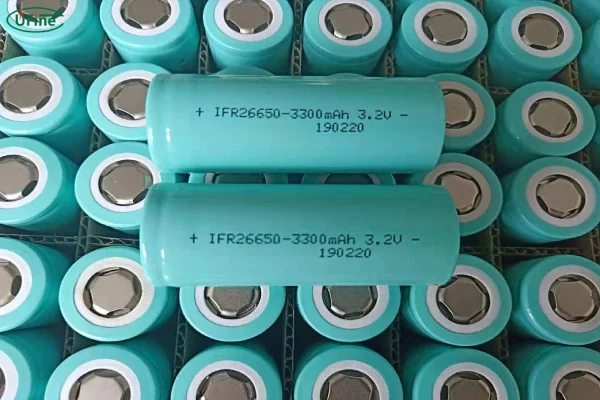
One of the key benefits of 3.2 volt lithium batteries is their flexibility in terms of shape. Unlike other batteries that may only come in a few standardized forms, 3.2-volt lithium batteries can be designed to fit various types of equipment and configurations.
Here are the common shapes you’ll find:
- Cylindrical 3.2 Volt Lithium Battery: These are the most common shape for 3.2-volt lithium batteries and are often used in applications like power tools, small devices, and portable electronics.
- Prismatic 3.2 Volt Lithium Battery : Prismatic batteries are more compact and are typically used in larger applications like electric vehicles (EVs) or solar energy storage systems. They have a flat, rectangular shape, which is great for efficient space usage.
- Pouch 3.2 Volt Lithium Battery : Flexible and lightweight, pouch-style batteries are used in various consumer electronics and can fit into compact spaces.
To better understand how 3.2V LiFePO4 cells are packaged in real systems, you can check this comparison of cell types, including cylindrical, prismatic, and pouch structures.
Part 3. Common models of 3.2 volt lithium battery
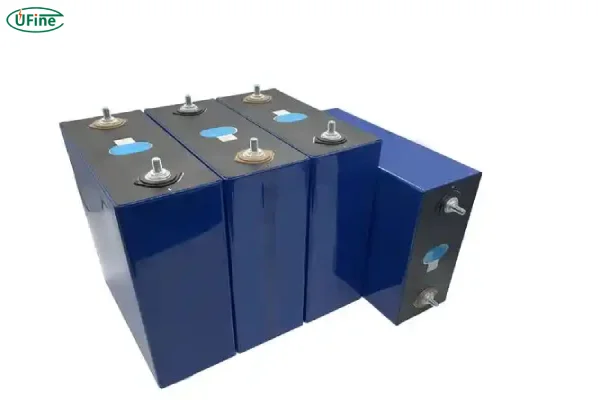
Now, let’s talk about the most common models of 3.2-volt lithium batteries you’ll encounter. The two main types you’ll find are cylindrical cells (18650, 26650) and prismatic cells.
- 18650 (Cylindrical Model): The 18650 cell is one of the most popular lithium battery sizes and is used in everything from laptops to electric bikes. It’s a versatile cell that’s widely available and offers great performance.
- 26650 (Cylindrical Model): A larger version of the 18650, the 26650 is used in higher-power applications like solar storage systems and high-powered tools.
- LiFePO4 Prismatic Cells: These cells are used in higher capacity applications like electric vehicles, large-scale energy storage, and renewable energy systems. They tend to have a higher capacity than cylindrical models.
These models are all reliable options for various energy applications, offering long cycles and stable power output.
Part 4. Why do LiFePO4 batteries use 3.2v instead of 3.7v
You might wonder why not just use 3.7V like standard lithium-ion batteries.
The answer is simple: safety and structure trade-offs.
3.7V lithium-ion batteries (such as NMC or LCO) store more energy but are less thermally stable. In contrast, LiFePO4 uses a stronger phosphate bond that resists oxygen release during overheating.
This difference leads to:
- Lower voltage per cell (3.2V vs 3.7V)
- Much safer thermal behavior
- Longer cycle life (often 2000–6000 cycles)
- Slightly larger system size for the same energy output
So when you choose a 3.2V battery, you are essentially prioritizing long-term reliability over compact energy density.
You can also understand how different lithium battery chemistries compare in real applications in this guide about 3.7V battery options, which explains Li-ion, LiPo, and LiFePO4 differences in detail.
Part 5. 3.2v lithium battery voltage curve explained
A key advantage of LiFePO4 chemistry is its flat discharge curve.
Unlike traditional lithium-ion batteries that drop voltage gradually, a 3.2V LiFePO4 battery maintains a stable output for most of its discharge cycle.
Typical voltage range:
- Full charge: 3.65V
- Nominal voltage: 3.2V
- Discharge cut-off: 2.5V–2.8V
| State | Voltage | Behavior |
|---|---|---|
| Full charge | 3.65V | Maximum capacity |
| Nominal | 3.2V | Stable operating range |
| Low voltage cut-off | 2.5–2.8V | Battery protection activates |
This stable voltage profile makes LiFePO4 especially suitable for solar systems where consistent output matters more than peak energy density.
Part 6. How long does a 3.2v lithium battery last?
The lifespan of a 3.2V LiFePO4 battery depends heavily on usage conditions, but typical performance is:
- 2000 to 6000 charge cycles
- 8 to 15 years of service life in stationary systems
Factors that affect lifespan include:
- Depth of discharge (DoD)
- Charging speed
- Temperature conditions
- Quality of battery management system (BMS)
If you operate the battery within recommended voltage and temperature ranges, LiFePO4 chemistry is one of the longest-lasting lithium technologies available today.
Part 7. How to charge a 3.2 volt lithium battery
Charging a 3.2V LiFePO4 battery correctly is critical for both safety and lifespan.
The standard charging method is CC/CV (constant current / constant voltage):
- Charge voltage: 3.65V per cell
- Recommended charge current: 0.2C to 0.5C
- Cut-off voltage: around 3.65V
You should never assume a standard 3.7V lithium-ion charger is compatible. Even a small mismatch in charging profile can reduce cycle life or trigger safety risks.
For technical reference, LiFePO4 charging standards are widely documented in energy storage applications by institutions such as NREL.
Charging and maintenance tips
Charging and maintaining your 3.2-volt lithium battery properly is key to ensuring it lasts for years. Here are a few essential tips:
- Use a Quality Charger: Always use a charger that’s specifically designed for 3.2V lithium batteries. Using the wrong charger can damage the battery and lead to performance issues.
- Avoid Overcharging: Overcharging can degrade the battery’s life. Most modern chargers are equipped with overcharge protection, but it’s still important to avoid leaving batteries on the charger too long.
- Store in a Cool Place: Heat is the enemy of lithium batteries. Always store your batteries in a cool, dry place to maximize their lifespan.
- Avoid Deep Discharge: Regularly discharging the battery all the way down to 0% can harm the battery. Try to keep it between 20% and 80% to maintain its health.
Part 8. Types of 3.2 volt lithium battery chargers
Charging your 3.2-volt lithium battery properly is critical. Here are the common types of chargers available:
- Standard LiFePO4 Battery Charger: These chargers are specifically designed to safely charge lithium iron phosphate batteries like the 3.2V models.
- Solar Chargers: If you’re using 3.2V lithium batteries in a solar power setup, a solar charger with a charge controller is a great option.
- Smart Chargers: Smart chargers automatically adjust the charging rate and provide overcharge protection, ensuring the battery is charged safely.
Part 9. Common mistakes when using 3.2v batteries
If you are new to LiFePO4 systems, you may run into several common issues:
- Using a 3.7V lithium-ion charger instead of a 3.65V LiFePO4 charger
- Mixing LiFePO4 and lithium-ion cells in the same system
- Over-discharging below 2.5V
- Incorrect BMS configuration for series packs
- Assuming all “lithium batteries” behave the same
These mistakes often lead to reduced cycle life, unstable performance, or premature battery failure.
Part 10. FAQs
1. Can a 3.2V lithium battery be replaced with a 3.7V battery?
No, they are based on different chemistries (LiFePO4 vs lithium-ion). Direct replacement can cause charging mismatch and system failure.
2. Are all 3.2V lithium batteries rechargeable?
Yes, 3.2V LiFePO4 batteries are fully rechargeable and designed for long-cycle applications, unlike primary lithium batteries.
3. Can 3.2V lithium batteries be connected in parallel?
Yes. Parallel connection increases capacity (Ah) while keeping voltage constant, but cells must be well balanced before connection.
4. Why do solar systems prefer 3.2V LiFePO4 cells?
Because they offer long cycle life, stable voltage output, and high safety, making them ideal for long-term energy storage.
5. Can 3.2V lithium batteries work in cold temperatures?
Yes, but performance decreases in low temperatures. Charging below 0°C should be avoided unless the battery has low-temperature protection.
Related Tags:

More Articles
Buck vs. Boost vs. Buck-Boost Converter: Which Is Best for Battery?
Not sure which converter your battery-powered device needs? Compare Buck, Boost, and Buck-Boost designs and discover what affects voltage stability and runtime.
How to Match 18650 Cells for a Reliable Battery Pack?
Building an 18650 battery pack? Learn how to compare cell capacity, voltage, and internal resistance to avoid mismatches and improve reliability.
Why Do 18650 Battery Packs Get Hot During Discharge?
Is your 18650 battery pack overheating under load? Learn what causes excess heat, how to spot dangerous symptoms, and what to do next.
18650 Battery BMS: How to Get the Specs Right
Learn how to choose a BMS for an 18650 battery pack. Compare voltage, current ratings, protection features, and balancing before you buy.
Why Does My Ring Camera Battery Drain So Fast or Stop Charging?
Is your Ring camera battery draining fast or not charging? Discover common causes, practical fixes, and when to replace the battery.