Reliable solar rechargeable batteries are critical for stable energy storage in any solar system—from small garden lights to full home backup setups.
But the market includes many chemistries, sizes, and performance levels. Choosing the wrong battery often leads to short runtime, early failure, or poor charging efficiency.
This guide helps you compare the best rechargeable batteries for solar lights and systems, with practical selection advice based on real applications.
Key Takeaways
- LiFePO4 batteries offer the best lifespan, safety, and stability for solar systems.
- NiMH AA solar rechargeable batteries are ideal for low-power devices like garden lights.
- Capacity (mAh/Wh) directly impacts runtime, especially in cloudy conditions.
- Cycle life and depth of discharge (DoD) determine long-term cost efficiency.
- Always match battery type with your solar charge controller and system voltage.
Part 1. What are solar rechargeable batteries?
Solar rechargeable batteries store electricity generated by solar panels during the day and release it when needed (night or low sunlight).
Unlike standard batteries, they are designed for:
- Frequent charge/discharge cycles
- Variable charging conditions (sunlight fluctuation)
- Long-term outdoor use
Common Types Used in Solar Applications
| Battery Type | Best For | Key Advantage |
|---|---|---|
| LiFePO4 (Lithium Iron Phosphate) | Home systems, backup | Long lifespan, high safety |
| Lithium-ion | Portable power stations | High energy density |
| NiMH (AA/AAA) | Solar lights | Low cost, easy replacement |
| AGM / Lead-acid | Off-grid systems | Lower upfront cost |
👉 Learn more about lithium options: lithium battery types explained
Part 2. Top 10 rechargeable solar batteries (2026)
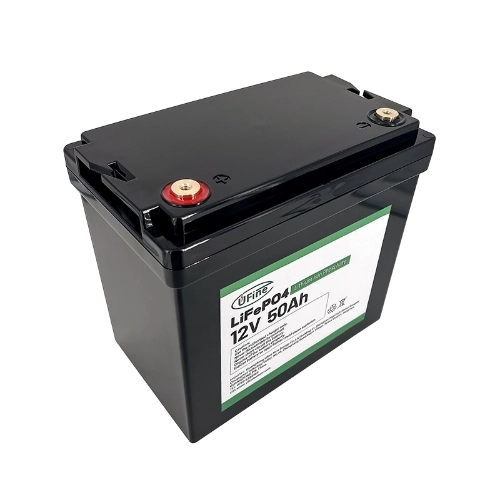
1 Ufine 12V 50Ah LiFePO4 battery
Key Specs
- 50Ah | 12.8V | 640Wh
- ≥2000 cycles
- Charging: 0°C–45°C
Why It Stands Out
- Stable voltage output for solar systems
- Long cycle life reduces replacement cost
- High thermal and chemical stability
Best For
- Solar lighting systems
- Small off-grid setups
- Medical or backup devices
2 Tenergy Solla premium rechargeable NiMH AA battery

Key Specs
- 1300mAh | 1.2V | NiMH
- Up to 2000 cycles
- Wide temperature tolerance
Why It Stands Out
- Designed for solar light charging profiles
- Long cycle life for daily use
- Reliable in outdoor conditions
Best For
- Solar garden lights
- Pathway lighting
- Outdoor decorative lights
3 Kruta rechargeable AA batteries (12-pack)

Key Specs
- 1600mAh | 1.2V | NiMH
- ~1200 cycles
- Temp range: -20°C to 60°C
Why It Stands Out
- Higher capacity for longer lighting time
- Performs well in hot environments
- Good balance of price and performance
Best For
- High-brightness solar lights
- String lights
- Outdoor lighting systems
4 Renogy deep cycle LiFePO4 battery

Key Specs
- 200Ah | 12V
- Built-in BMS
- High discharge capability
Why It Stands Out
- Deep cycle performance for solar storage
- Integrated protection system (BMS)
- Long service life
Best For
- Off-grid solar systems
- RV and marine applications
- Energy storage setups
5 Brightown AAA rechargeable batteries (600mAh)

Key Specs
- 600mAh | 1.2V | NiMH
- ~1200 cycles
- Low self-discharge
Why It Stands Out
- Cost-effective for bulk replacement
- Stable performance in small devices
- Good storage retention
Best For
- Small solar lights
- Indoor electronics
- Decorative lighting
6 LG energy solution home battery

Key Specs
- Up to 32kWh
- Modular system design
- High power output
Why It Stands Out
- Scalable energy storage
- High efficiency for home use
- Compatible with solar systems
Best For
- Residential solar systems
- Home backup power
- Energy independence setups
7 EcoFlow DELTA max portable power station

Key Specs
- 2–6kWh capacity
- 2400W output
- Fast charging support
Why It Stands Out
- Portable solar energy storage
- Fast recharge capability
- Multi-device support
Best For
- Emergency backup
- Outdoor activities
- Portable solar systems
8 Eaton lithium-ion battery

Key Specs
- Lithium-ion (LFP)
- 8–10 years lifespan
- Low maintenance
Why It Stands Out
- Industrial-grade reliability
- Long operational life
- Stable performance
Best For
- Industrial applications
- Critical systems
- Medical equipment backup
9 RICEEL AA rechargeable batteries (600mAh)

Key Specs
- 600mAh | 1.2V | NiMH
- 800+ cycles
- 90% precharged
Why It Stands Out
- Budget-friendly option
- Ready to use out of box
- Suitable for low-drain devices
Best For
- Garden solar lights
- Remote controls
- Small electronics
10 Henreepow AA rechargeable batteries (800mAh)

Key Specs
- 800mAh | 1.2V | NiMH
- 500+ cycles
- Wide temperature range
Why It Stands Out
- Designed for outdoor solar use
- Good temperature resistance
- Flexible charging options
Best For
- Solar garden lights
- Lawn and pathway lighting
- Outdoor devices
Part 3. How to choose the best rechargeable batteries for solar lights
When selecting rechargeable solar batteries, focus on these engineering factors:
-
Capacity (mAh / Wh)
- Higher capacity = longer runtime
- Critical for cloudy or winter conditions
-
Cycle Life
- Indicates how many charge cycles the battery can handle
- LiFePO4: 2000–4000 cycles
- NiMH: 500–2000 cycles
-
Depth of Discharge (DoD)
- Higher DoD allows more usable energy
- Important for maximizing solar storage efficiency
-
Charging Efficiency
- Impacts how much solar energy is stored
- Lithium batteries typically outperform lead-acid
-
System Compatibility
- Match voltage (1.2V AA vs 12V system)
- Ensure compatibility with your solar charge controller
👉 Reference standard (battery safety & transport): UN 38.3 lithium battery testing standard
Part 4. Application-based battery selection
| Application | Recommended Battery Type | Reason |
|---|---|---|
| Solar garden lights | NiMH AA/AAA | Low cost, easy replacement |
| Street / landscape lighting | LiFePO4 | Long life, stable output |
| Home solar systems | LiFePO4 / Lithium-ion | High capacity, efficiency |
| Portable solar generators | Lithium-ion | High energy density |
Part 5. FAQs about solar rechargeable batteries
What are the best rechargeable batteries for solar lights?
NiMH AA batteries are the most common. For better lifespan and performance, LiFePO4 is a premium option.
Can I use regular rechargeable batteries in solar lights?
Yes, but performance may be unstable. Solar-specific rechargeable batteries handle outdoor charging better.
How long do solar rechargeable batteries last?
NiMH: 1–3 years. LiFePO4: 5–10+ years.
Are AA solar rechargeable batteries different from normal AA batteries?
Yes. They are optimized for low-current solar charging and frequent cycling.
What is the best battery type for a solar system?
For most systems, LiFePO4 offers the best balance of safety, lifespan, and efficiency.
Related Tags:

More Articles
Dead Battery or Device Failure? How to Find the Cause
Think your device is broken? Learn how to tell if the problem comes from battery aging or hardware failure before replacing your electronics.
Why iPhone Duo Uses Two Batteries: The Engineering Behind Foldable Phone Power
Why do foldable phones need two batteries? Explore the engineering challenges behind iPhone Duo’s dual-battery architecture and future battery trends.
Solid-State Batteries: 3 Myths You Need to Know
Solid-state batteries promise safer EVs and longer range, but the reality is more complex. Discover the challenges behind this next-gen technology.
Battery Capacity vs Discharge Rate: The Choice Engineers Face
Higher capacity or higher discharge rate? Learn how to choose the right LiPo battery for longer runtime, stable power output, and better device performance.
Battery Cable Size Guide: Choose the Right Wire Fast
Not sure what battery cable size you need? Learn how to select the right wire gauge, terminal size, and cable for safer, more efficient battery systems.