
- Key Takeaways
- Part 1. What is a 3.7 volt rechargeable battery?
- Part 2. Types of 3.7v rechargeable batteries
- Part 3. 3.7v battery comparison chart (2026)
- Part 4. Top 10 best 3.7 volt rechargeable batteries (2026 detailed picks)
- Part 5. How to choose the right 3.7 volt rechargeable battery
- Part 6. How to buy 3.7v batteries safely
- Part 7. FAQs about 3.7 volt rechargeable batteries
Choosing the right 3.7V rechargeable battery can directly impact your device’s performance, lifespan, and safety. Whether you’re sourcing cells for flashlights, power tools, drones, medical devices, or custom battery packs, understanding real specifications—rather than marketing claims—is critical.
This guide compares the top 10 3.7 volt rechargeable battery options, explains technical differences, and provides engineering-focused buying advice to help you select the right battery with confidence.
Key Takeaways
- A 3.7 volt rechargeable battery typically refers to a single lithium-ion (Li-ion) or lithium polymer (Li-Po) cell with a nominal voltage of 3.7V and a full charge voltage of 4.2V.
- For high-drain devices, prioritize continuous discharge rating (A) over exaggerated capacity claims.
- Authentic 18650 cells rarely exceed 3500mAh–3600mAh; claims of 8000mAh–9900mAh in standard 18650 size are typically unrealistic.
- For long-term projects or OEM applications, verify UL2054, IEC62133, and UN38.3 certifications.
- Always match battery size (flat top vs button top), protection circuit (PCB), and charger compatibility before purchase.
Part 1. What is a 3.7 volt rechargeable battery?
A 3.7 volt rechargeable battery is most commonly a lithium-based cell with:
- Nominal voltage: 3.7V
- Full charge voltage: 4.2V
- Cut-off voltage: ~2.5V–3.0V
- Rechargeable chemistry: Li-ion or Li-Po
Unlike AA/AAA alkaline batteries (1.5V), these lithium cells provide higher energy density and are used in:
- Flashlights
- Power tools
- Drones
- Medical electronics
- IoT devices
- Custom battery packs
If you’re new to cylindrical cells, see our detailed internal guide: 👉 18650 Battery Buying Guide
Part 2. Types of 3.7v rechargeable batteries
1 Lithium-ion (Li-ion)
- Most common format: 18650
- High energy density (200–260Wh/kg)
- Long cycle life
- Ideal for high-drain devices
- Common uses: flashlights, tools, EV modules, industrial packs.
2 Lithium polymer (Li-Po)
- Polymer electrolyte
- Lightweight and flexible shapes
- Used in drones, wearables, medical patches
Learn more about Li-Po chemistry here: 👉 Lithium Polymer Battery Guide
3 NiMH (rare in 3.7v format)
Nickel-metal hydride batteries are typically 1.2V per cell and not standard in 3.7V configurations. Most modern 3.7 volt rechargeable battery solutions are lithium-based.
For lithium safety standards, refer to: UL 2054 Standard | IEC 62133
Part 3. 3.7v battery comparison chart (2026)
| Battery | Capacity | Discharge Rate | Cycle Life | Best For |
|---|---|---|---|---|
| Ufine 18650 | 3000mAh | 15A | 500+ | High-drain |
| MLGBDC 9900mAh* | 9900mAh* | 5A | 300 | Budget |
| Xain USA 4400mAh | 4400mAh | 10A | 400 | Heavy-duty |
| DQGG 3500mAh | 3500mAh | 8A | 600 | Longevity |
| Skywolfeye 5000mAh* | 5000mAh* | 20A | 350 | Fast charging |
| FPVERA 1200mAh | 1200mAh | 25A | 250 | High-drain |
| Yuntunele 3000mAh | 3000mAh | 12A | 450 | Flashlights |
| BENKIA 8800mAh* | 8800mAh* | 7A | 400 | Cameras |
| EEMB 1200mAh (Li-Po) | 1200mAh | 3A | 300 | Lightweight |
| TOKEYLA 4000mAh | 4000mAh | 9A | 500 | Value |
*Capacity claims significantly above 3600mAh for standard 18650 cells should be verified with testing equipment.
Part 4. Top 10 best 3.7 volt rechargeable batteries (2026 detailed picks)
1 🏆 Best overall: Ufine 3.7v 3000mah 18650 battery
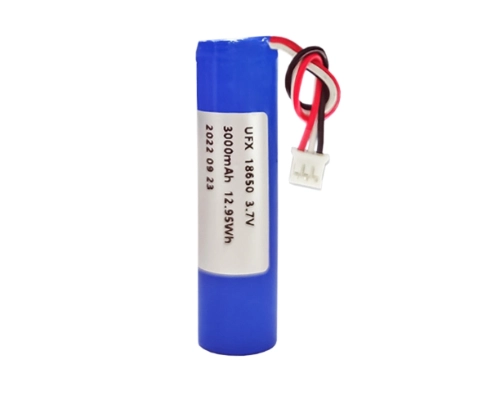
A well-balanced 3.7 volt rechargeable battery for high-drain applications.
Key Specs:
- 3000mAh
- 15A continuous discharge
- 500+ cycles
- UL2054, CE, RoHS certified
Best For: Flashlights, power tools, industrial electronics, OEM battery packs.
2 💰 Best budget: MLGBDC 18650 3.7v 9900mah flat top
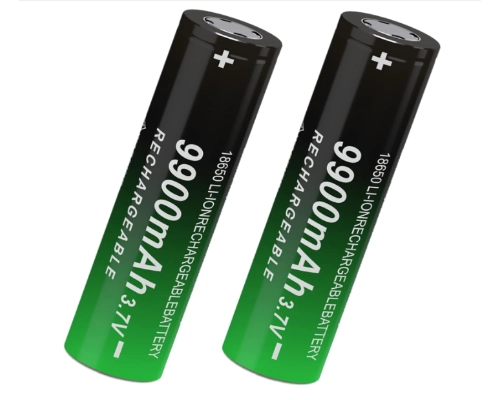
An affordable 3.7 volt rechargeable battery designed for low-drain devices and budget-conscious users.
Key Specs:
- 9900mAh (claimed)
- 5A discharge rate
- Flat top design
- CE, FCC certified
Best For: LED lights, small electronics, backup devices (capacity should be verified before critical use).
3 🔋 Best high capacity: Xain USA 4400mah 1s2p 3.7v battery
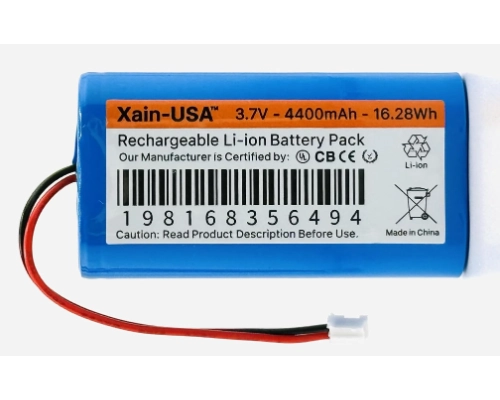
A higher-capacity 3.7 volt rechargeable battery built in 1S2P configuration for extended runtime.
Key Specs:
- 4400mAh
- 10A discharge
- 1S2P configuration
- UN38.3 certified
Best For: Portable power systems, DIY battery packs, extended runtime applications.
4 🔁 Best longevity: DQGG 18650 3.7v 3500mah
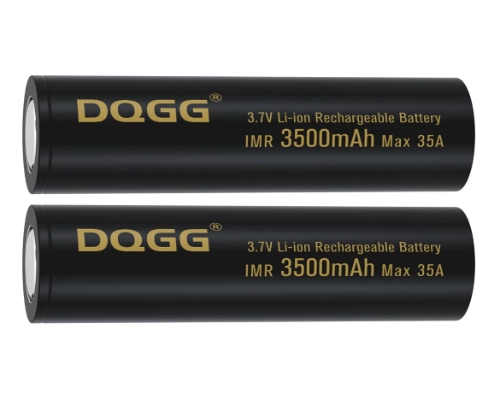
Designed for durability and long cycle life.
Key Specs:
- 3500mAh
- 8A discharge
- Up to 600 cycles
- IEC62133 certified
Best For: Long-term electronics projects, solar lighting systems, maintenance-sensitive devices.
5 ⚡ Best fast charging: Skywolfeye 5000mah 3.7v with charger
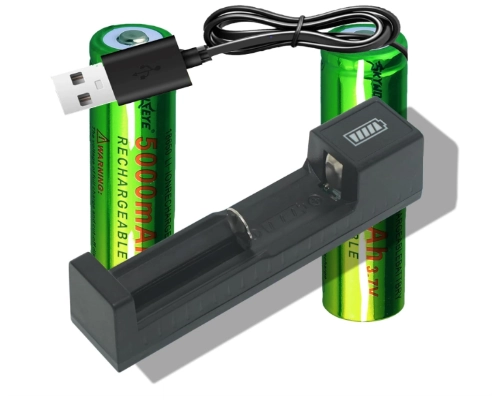
A 3.7 volt rechargeable battery package that includes a charger for convenient fast charging.
Key Specs:
- 5000mAh (claimed)
- 20A discharge
- Includes charger
- UL, PSE certified
Best For: Outdoor users, emergency kits, flashlight owners needing quick turnaround charging.
6 🔥 Best for high drain devices: FPVERA 3.7v 1200mah
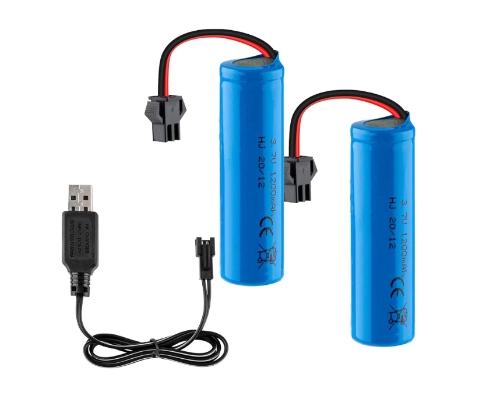
A compact 3.7 volt rechargeable battery optimized for high discharge performance.
Key Specs:
- 1200mAh
- 25A high discharge
- Includes charging cable
- CE certified
Best For: RC devices, high-power LED modules, small power tools.
7 🔦 Best for flashlights: Yuntunele 3.7v 3000mah flat top
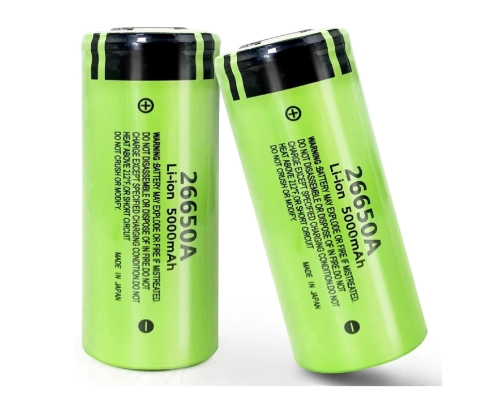
A reliable 3.7 volt rechargeable battery designed specifically for flashlight compatibility.
Key Specs:
- 3000mAh
- 12A discharge
- Flat top
- RoHS, REACH certified
Best For: Tactical flashlights, camping lights, search lamps.
8 📷 Best for cameras: BENKIA 8800mah 3.7v lithium battery
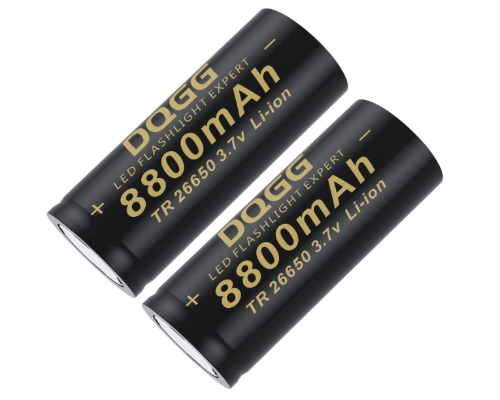
High-capacity 3.7 volt rechargeable battery for extended camera usage.
Key Specs:
- 8800mAh (claimed)
- 7A discharge
- KC, CB certified
- Lithium-ion chemistry
Best For: Cameras, portable monitors, long shooting sessions.
9 🪶 Best lightweight option: EEMB 3.7v 1200mah lithium polymer
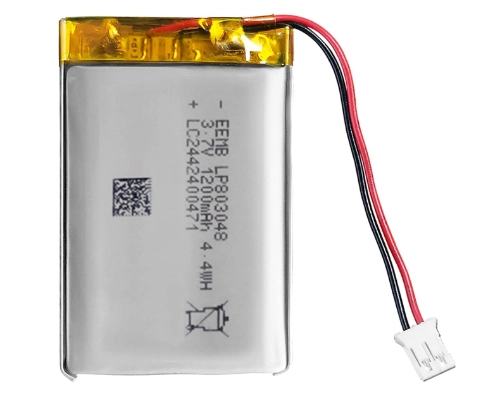
A compact lithium polymer 3.7 volt rechargeable battery ideal for lightweight electronics.
Key Specs:
- 1200mAh
- 3A discharge
- Li-Po chemistry
- UL1642 certified
Best For: IoT devices, wearables, medical electronics, compact DIY projects.
10 💡 Best value for money: TOKEYLA 18650 3.7v 4000mah
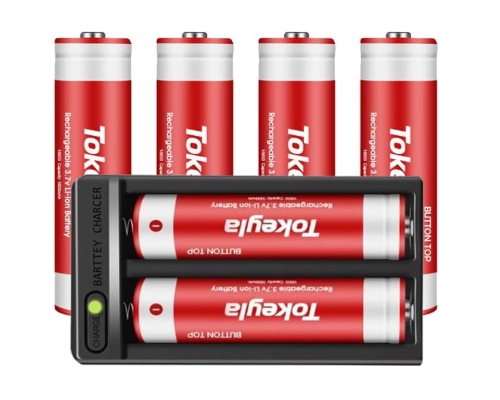
A balanced 3.7 volt rechargeable battery offering solid capacity at an affordable price point.
Key Specs:
- 4000mAh
- 9A discharge
- Includes charger
- CE, RoHS certified
Best For: General-purpose electronics, home backup kits, moderate-drain devices.
Part 5. How to choose the right 3.7 volt rechargeable battery
Capacity (mAh)
Higher mAh = longer runtime, but verify realistic limits.
Continuous discharge rating (A)
Critical for:
- Flashlights
- Power tools
- RC models
Protected vs unprotected
- Protected cells include PCB safety circuit
- Required for consumer electronics
Cycle life
Typical range: 300–800 cycles.
Operating temperature
Industrial applications may require -20°C to 60°C rated cells.
For safe storage guidelines, read: 👉 How to Store 3.7V Batteries Safely
Part 6. How to buy 3.7v batteries safely
- Verify UL2054 / IEC62133 certification
- Avoid unrealistic capacity claims
- Use compatible lithium charger (4.2V cutoff)
- Transport compliant with UN38.3
- Buy from verified manufacturers or OEM suppliers
Part 7. FAQs about 3.7 volt rechargeable batteries
Can I use a 3.7V battery instead of AA/AAA (1.5V)?
No. The voltage is more than double and can permanently damage devices designed for 1.5V.
How long does a 3.7 volt rechargeable battery last?
Typically 300–500 cycles. High-quality cells may exceed 800 cycles under proper management.
Are 9900mAh 18650 batteries real?
Standard 18650 lithium-ion cells rarely exceed 3600mAh. Claims beyond this should be tested with capacity analyzers.
Can I bring 3.7V lithium batteries on airplanes?
Yes, if under 100Wh and carried in hand luggage per FAA guidelines.
What happens if a lithium battery swells?
Stop using immediately. Place in a fireproof container and dispose of via certified hazardous waste channels.
Related Tags:

More Articles

JST vs Molex: The Right Battery Connector Choice
JST or Molex for your battery? Learn how connector selection affects current, voltage drop, reliability, and device performance.
Custom Battery Pricing: Costs Manufacturers Don’t Mention
A low battery quote may not be the final cost. Discover common hidden expenses that affect custom lithium battery projects.
Battery Wire Length: Hidden Cause of Power Loss
A longer battery wire can cause voltage drop, power loss, and unstable operation. Learn how wire length affects battery performance.
How Device Sleep Modes Affect Battery Life
Think sleep mode extends battery life? Learn why devices still drain power and how firmware, hardware, and batteries affect runtime.
LiPo Battery and PCB Design: Clearance, Insulation, and Placement
Learn how to optimize LiPo battery PCB clearance, insulation, placement, wiring, and thermal design—and avoid common integration mistakes.


