
- Part 1. Why understanding the inside of a battery matters
- Part 2. What’s inside a battery?
- Part 3. The anode and cathode
- Part 4. The electrolyte
- Part 5. The separator
- Part 6. Battery chemistry
- Part 7. What’s inside different battery types?
- Part 8. Inside smart batteries: the electronics within
- Part 9. Battery cell vs battery pack: what is the difference?
- Part 10. What can go wrong inside a battery?
- Part 11. The afterlife: recycling what’s inside a battery
- Part 12. FAQs
Have you ever wondered what is actually inside a battery?
A battery may look like a simple cylinder, pouch, or small rectangular component from the outside. However, inside a battery is a carefully engineered system made of multiple layers and materials that work together to store and release energy.
So, what does the inside of a battery look like?
Inside a battery cell, you will find key components including the anode, cathode, electrolyte, separator, current collectors, and protective structures. Each part has a specific role, and even a small change in material or design can affect battery capacity, charging speed, lifespan, and safety.
Key Takeaways
- A battery contains four main components: anode, cathode, electrolyte, and separator.
- Lithium-ion batteries also include current collectors, casing, and a Battery Management System.
- Battery materials determine energy density, lifespan, and safety.
- Different battery types use different internal materials.
Part 1. Why understanding the inside of a battery matters
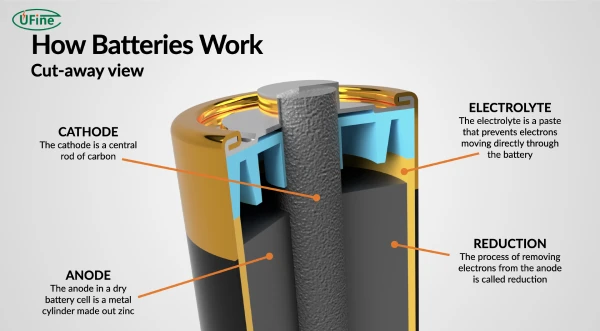
At first glance, a battery might seem like just another object. But inside a battery lies the foundation of portable energy. If you’re a tech lover, an engineer, or simply a curious soul, understanding how batteries work gives you insight into safety, performance, and even environmental impact.
Plus, batteries can sometimes fail—and when they do, it’s almost always because of what’s happening on the inside. Knowing what goes on inside a battery isn’t just interesting. It’s important.
It also helps if you’re customizing power solutions. For example, Ufine Battery, a leading custom lithium battery manufacturer based in China, works closely with customers across various industries to design batteries tailored to specific needs. Knowing what’s inside helps them match the right chemistry, size, voltage, and rate to your project.
Part 2. What’s inside a battery?
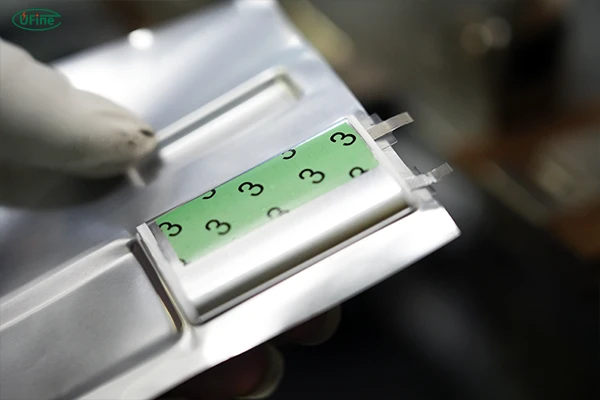
Every battery has the same basic goal: to convert stored chemical energy into electrical energy. To do this, a battery needs four essential parts:
- Anode (Negative Terminal): This is where the electric current begins.
- Cathode (Positive Terminal): This is where the current flows to.
- Electrolyte: A medium that allows ions to move between anode and cathode.
- Separator: A thin layer that keeps the two electrodes from touching each other—because if they do, the battery can short-circuit or catch fire.
It sounds simple, right? But the design of these parts, and the materials used, change everything—efficiency, lifespan, safety, and more.
Part 3. The anode and cathode
The anode and cathode are the soul of a battery. When a battery discharges, electrons flow from the anode to the cathode through an external circuit—like your smartphone. At the same time, ions move internally through the electrolyte.
- In alkaline batteries, the anode is zinc, and the cathode is manganese dioxide.
- In lithium-ion batteries, you’ll find a graphite anode and a cathode made of lithium cobalt oxide or lithium iron phosphate.
- In lead-acid car batteries, the anode and cathode are both made of lead compounds.
Learn About the Cathode and Anode of the Battery
The type of material used decides how powerful the battery is, how long it lasts, and how safe it is.
Part 4. The electrolyte
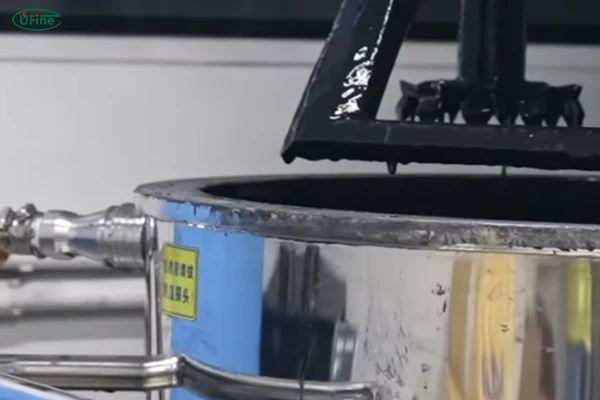
Inside a battery, the electrolyte serves as a bridge. It lets ions travel between the anode and cathode during charging and discharging. Electrolytes can be:
- Liquid-based, like sulfuric acid in lead-acid batteries.
- Gel-based, as in lithium-polymer (LiPo) batteries.
- Solid-state, which is the future of safe, high-energy batteries.
Learn About Lithium Battery Electrolyte
A stable electrolyte means a stable battery. A poor one? That could mean overheating, swelling, or even fire.
Part 5. The separator
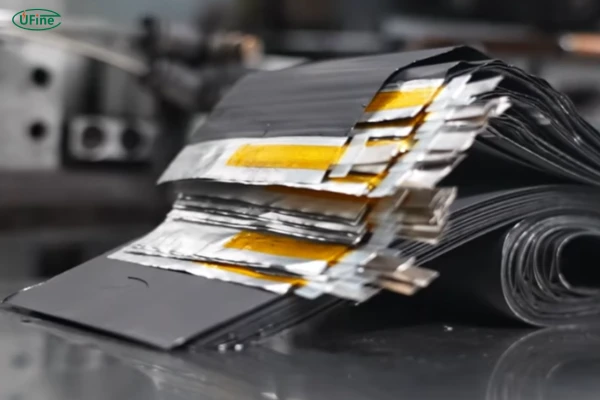
Don’t overlook the separator—it’s one of the most critical layers inside a battery. It prevents direct contact between the anode and cathode while allowing ion flow.
Made from polyethylene or ceramic-coated films, separators are heat-resistant, porous, and incredibly thin. If a separator fails, the entire battery can go into thermal runaway—a chain reaction that leads to fire or explosion. This is why separator quality is crucial in battery safety design.
Ufine sources premium materials for internal battery components like separators, ensuring safety even under extreme conditions.
Part 6. Battery chemistry
Chemistry inside a battery isn’t just about electrons. It’s about balance, timing, and precise control of chemical reactions.
Here’s what happens when a battery works:
- At the anode, oxidation takes place, releasing electrons and ions.
- Electrons travel through your device (lighting it up or making it work).
- Ions pass through the electrolyte to the cathode, where reduction happens.
- The process creates electric current—this is what powers your gadget.
If even one part of this chemical cycle breaks down, the battery fails.
If you’re unsure what chemistry fits your product, Ufine Battery offers expert consultation to design the ideal battery from the inside out.
Part 7. What’s inside different battery types?
Each type of battery uses a unique chemical system. Here’s what you’ll find inside:
Alkaline Battery:
- Anode: Zinc powder
- Cathode: Manganese dioxide
- Electrolyte: Potassium hydroxide
Lithium-ion Battery:
- Anode: Graphite
- Cathode: Lithium cobalt oxide or similar
- Electrolyte: Lithium salt in organic solvent
NiMH Battery:
- Anode: Metal hydride
- Cathode: Nickel oxide hydroxide
- Electrolyte: Potassium hydroxide
Lead-Acid Battery:
- Anode/Cathode: Lead dioxide and spongy lead
- Electrolyte: Dilute sulfuric acid
Each design serves a purpose—whether it’s energy density for laptops, or long life for solar storage systems.
Part 8. Inside smart batteries: the electronics within
Modern lithium-ion batteries often include a Battery Management System (BMS). These tiny chips monitor:
- Voltage
- Temperature
- Charge cycles
- Health status
Inside a smart battery, the BMS acts like a brain. It prevents overcharging, balances cells, and shuts down the system if there’s a problem. Without it, many modern devices would be unsafe or short-lived.
Part 9. Battery cell vs battery pack: what is the difference?
Many people use the terms “battery” and “battery cell” interchangeably, but they are different.
A battery cell is the basic energy storage unit.
A battery pack combines multiple cells with additional components, including:
- Battery Management System (BMS)
- Protection circuits
- Wiring
- Cooling systems
- Structural components
For example, a laptop battery pack may contain several lithium-ion cells connected together. The cells provide energy storage, while the additional electronics manage safety and performance.
Understanding this difference is important when designing products because choosing the right cell is only one part of battery development. The entire battery system must work together.
Part 10. What can go wrong inside a battery?
Sometimes, what’s inside a battery becomes dangerous. Common issues include:
- Dendrite growth in lithium batteries, which can pierce the separator.
- Gas buildup, causing swelling and rupture.
- Thermal runaway, where heat leads to fire or explosion.
That’s why battery engineers spend years testing, refining, and redesigning what goes inside. Safety is never optional.
That’s why using batteries from trusted manufacturers like Ufine Battery is so important. Their commitment to high-quality materials, strict QC, and precision assembly helps prevent internal failure.
Part 11. The afterlife: recycling what’s inside a battery
Batteries don’t last forever. But what’s inside them can be reused—if we do it right.
- Lithium, cobalt, and nickel are valuable and recyclable.
- Proper recycling separates materials for reuse.
- Improper disposal harms the environment.
By recycling what’s inside a battery, we reduce mining, pollution, and waste. That’s a win for both the planet and future generations.
Part 12. FAQs
Can I safely open a battery to see what’s inside?
No. Batteries can leak chemicals or explode. Never open them unless you’re a trained professional.
What’s the black goo inside a battery?
Usually degraded electrolyte or reaction byproducts. It’s best to avoid contact.
Why do batteries get hot?
Because of chemical reactions and internal resistance. Overheating could mean a serious issue.
What makes a battery explode?
Short circuits, thermal runaway, or physical damage inside a battery.
Is there liquid inside a battery?
Some types—yes. Others use gels or solids, especially in LiPo and solid-state batteries.
Related Tags:

More Articles

JST vs Molex: The Right Battery Connector Choice
JST or Molex for your battery? Learn how connector selection affects current, voltage drop, reliability, and device performance.
Custom Battery Pricing: Costs Manufacturers Don’t Mention
A low battery quote may not be the final cost. Discover common hidden expenses that affect custom lithium battery projects.
Battery Wire Length: Hidden Cause of Power Loss
A longer battery wire can cause voltage drop, power loss, and unstable operation. Learn how wire length affects battery performance.
How Device Sleep Modes Affect Battery Life
Think sleep mode extends battery life? Learn why devices still drain power and how firmware, hardware, and batteries affect runtime.
LiPo Battery and PCB Design: Clearance, Insulation, and Placement
Learn how to optimize LiPo battery PCB clearance, insulation, placement, wiring, and thermal design—and avoid common integration mistakes.


