
Charging a drone battery correctly is not just about convenience—it directly affects flight time, safety, battery lifespan, and long-term operating cost. Whether you are a hobbyist pilot or managing drones for inspection, mapping, or industrial use, understanding how to charge a drone battery properly helps prevent failures, swelling, or unexpected downtime.
This guide explains drone battery types, drone battery chargers, and step-by-step charging practices, with a clear focus on real-world usage and selection decisions.
Key Takeaways
- Most drones use LiPo or Li-ion batteries, each requiring specific charging methods and current limits.
- Using the correct drone battery charger is critical for safety, cell balancing, and lifespan.
- Balance charging and temperature monitoring significantly reduce swelling and thermal risk.
- Overcharging, fast charging beyond spec, and poor storage habits are the main causes of battery degradation.
- Proper charging practices can extend drone battery life by 30–50% in real-world use.
Part 1. Understanding drone batteries
1 Common drone battery types
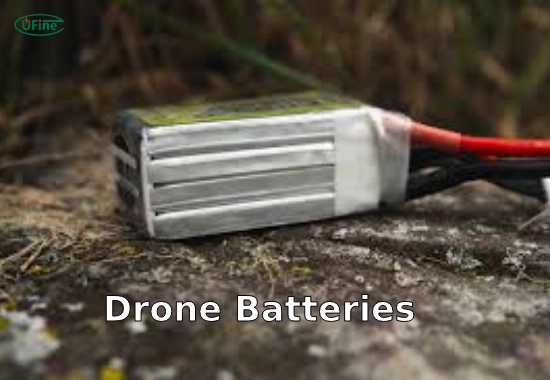
Most consumer and industrial drones rely on lithium-based rechargeable batteries. The two dominant chemistries are Lithium Polymer (LiPo) and Lithium-Ion (Li-ion).
2 Lithium polymer (LiPo) drone batteries
- High power output and lightweight design
- Flexible pouch format for compact drone frames
- Excellent for racing drones and high-performance UAVs
- More sensitive to overcharging, overheating, and physical damage
LiPo batteries are widely used where high discharge rates and low weight are critical, but they require strict charging discipline.
3 Lithium-ion (Li-ion) drone batteries
- Higher energy density and longer cycle life
- More stable thermal behavior
- Lower discharge rates compared to LiPo
- Common in long-endurance and industrial drones
Li-ion batteries trade peak power for longer lifespan and improved safety margins, making them suitable for mapping, inspection, and logistics drones.
4 Why proper drone battery charging matters
Correct charging directly impacts:
- Battery lifespan: Balanced charging reduces cell imbalance and early failure
- Safety: Prevents swelling, venting, or fire caused by thermal runaway
- Performance consistency: Maintains stable voltage during flight
- Cost control: Fewer replacements and lower operational risk
According to lithium battery safety guidelines referenced by organizations such as Federal Aviation Administration, improper charging is one of the leading causes of lithium battery incidents in UAV operations.
Part 2. Drone battery chargers explained
1 Types of drone battery chargers
Choosing the right drone battery charger is as important as choosing the battery itself.
2 USB drone battery chargers
- Powered via USB-A or USB-C
- Designed for small drones with integrated batteries
- Limited charging current and minimal safety features
Best suited for toy drones or beginner models, not recommended for larger LiPo packs.
3 AC/DC balance chargers
- Support LiPo, Li-ion, NiMH, and NiCd batteries
- Provide balance charging via balance ports
- Allow precise current and voltage control
These are the standard choice for charging drone batteries safely and efficiently.
4 Field and portable chargers
- Powered by car batteries, generators, or solar panels
- Used in outdoor or remote operations
- Often paired with power stations
Essential for surveyors, inspection teams, and emergency response drone operations.
5 How to choose the right drone battery charger
When selecting a charger, evaluate the following:
- Battery Compatibility: Charger must match battery chemistry (LiPo or Li-ion). Voltage and cell count (e.g., 3S, 4S, 6S) must be supported.
- Charging Current (C-Rate): Typical safe rate: 1C unless manufacturer specifies otherwise. Faster charging increases heat and reduces cycle life.
- Safety Features: Over-voltage and over-current protection, temperature monitoring, automatic charge termination.
- Usability: Clear display and intuitive menu, accurate cell voltage readout.
Part 3. How to charge a drone battery (step-by-step)
1 Preparation before charging
Before charging a drone battery:
- Inspect for swelling, punctures, or damaged wires
- Confirm charger settings match battery specifications
- Charge in a fire-resistant, well-ventilated area
Using a LiPo-safe charging bag is strongly recommended.
2 Drone battery charging process
- Connect the charger to a stable power source
- Connect the battery main lead and balance lead
- Select the correct battery type and cell count
- Use balance charge mode for LiPo batteries
- Set charging current within recommended limits
- Start charging and monitor progress
Never leave charging drone batteries unattended.
3 Safety during charging
- Monitor battery temperature (warm is normal, hot is not)
- Stop charging immediately if swelling occurs
- Keep flammable materials away
Industry standards such as International Electrotechnical Commission IEC 62133 emphasize controlled charging environments for lithium batteries.
4 After charging and storage
- Allow batteries to cool before use or storage
- Store batteries at 40–60% charge if unused for long periods
- Avoid storing fully charged batteries for weeks
For long-term reliability, follow manufacturer storage voltage recommendations.
Part 4. FAQs about charging drone batteries
How often should I charge a drone battery?
Charge only when needed. For storage, maintain around 50% charge and refresh every 1–2 months.
Can I use any drone battery charger?
No. Always use a charger compatible with your battery’s chemistry, voltage, and cell count.
Is fast charging a drone battery safe?
Fast charging increases heat and reduces battery lifespan. Use standard charging rates whenever possible.
Can I charge a drone battery with a power bank?
Only small drones with USB charging support this safely. High-capacity LiPo packs should use dedicated chargers.
What should I do if a drone battery swells?
Stop using it immediately. Place it in a fireproof container and dispose of it according to local regulations.
Related Tags:

More Articles

JST vs Molex: The Right Battery Connector Choice
JST or Molex for your battery? Learn how connector selection affects current, voltage drop, reliability, and device performance.
Custom Battery Pricing: Costs Manufacturers Don’t Mention
A low battery quote may not be the final cost. Discover common hidden expenses that affect custom lithium battery projects.
Battery Wire Length: Hidden Cause of Power Loss
A longer battery wire can cause voltage drop, power loss, and unstable operation. Learn how wire length affects battery performance.
How Device Sleep Modes Affect Battery Life
Think sleep mode extends battery life? Learn why devices still drain power and how firmware, hardware, and batteries affect runtime.
LiPo Battery and PCB Design: Clearance, Insulation, and Placement
Learn how to optimize LiPo battery PCB clearance, insulation, placement, wiring, and thermal design—and avoid common integration mistakes.


