
- Key Takeaways
- Part 1. What makes lithium motorcycle batteries different?
- Part 2. Types of lithium motorcycle batteries
- Part 3. Preparing for charging a lithium motorcycle battery
- Part 4. Best ways to charge a lithium motorcycle battery
- Part 5. Step-by-step: How to charge a motorcycle battery
- Part 6. Charging time and voltage
- Part 7. Common mistakes when charging lithium motorcycle batteries
- Part 8. Lithium vs lead-acid charging
- Part 9. FAQs about charging lithium motorcycle batteries
Lithium motorcycle batteries are widely used because they are lighter, last longer, and deliver higher power than lead-acid batteries. However, charging a lithium motorcycle battery requires the correct method and charger. Using the wrong setup can reduce performance or damage the battery.
This guide explains how to charge a lithium motorcycle battery, how to choose the right lithium motorcycle battery charger, and how to avoid common mistakes.
Key Takeaways
- Always use a lithium motorcycle battery charger with the correct voltage range.
- Charge within 0°C–45°C (32°F–113°F) to protect battery health.
- Avoid frequent fast charging; it increases heat and reduces lifespan.
- Lithium batteries do not need trickle charging after full charge.
- Proper charging can extend battery life beyond 5 years.
Part 1. What makes lithium motorcycle batteries different?
Compared with traditional batteries, lithium motorcycle batteries offer:
- Stable voltage output
- Low self-discharge
- No memory effect
- Higher energy density
Most motorcycles today use LiFePO₄ batteries, which are safer and more stable.
👉 If you are still selecting a battery, see our guide on choosing the right lithium battery for your application.
Part 2. Types of lithium motorcycle batteries
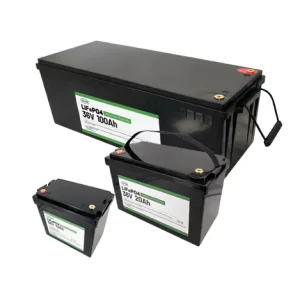
1 LiFePO₄ (lithium iron phosphate)
- Best for motorcycles
- Long cycle life
- High safety
2 NMC / NCA lithium batteries
- Higher energy density
- Used in performance applications
- Require strict charging control
3 LTO batteries
- Very fast charging
- Extremely long lifespan
- Higher cost
Part 3. Preparing for charging a lithium motorcycle battery
-
Inspect the Battery
- No swelling or damage
- Clean terminals
-
Choose the Right Charger
- Match voltage (e.g., 12V system → 14.4V–14.6V charging)
- Use a CC/CV charging profile
- Reference: lithium-ion charging basics from Battery University
-
Check Environment
- Dry and ventilated
- Avoid extreme heat or cold
-
Disconnect Loads
- Remove accessories to prevent energy drain during charging
Part 4. Best ways to charge a lithium motorcycle battery
-
Dedicated Lithium Charger (Recommended)
- Designed for lithium chemistry
- Prevents overcharging
-
Smart Charger
- Auto-adjusts voltage and current
- Easy and safe to use
-
Fast Charger
- Useful when time is limited
- May reduce lifespan if used often
-
Balancing Charger
- Keeps multi-cell batteries balanced
- Improves long-term performance
-
Solar Charging
- Useful for outdoor or off-grid riding
- Requires lithium-compatible controller
Part 5. Step-by-step: How to charge a motorcycle battery
Prepare the area
Use a clean, dry, and ventilated space.
Check the battery
Look for damage or loose connections.
Connect the charger
Positive to positive, negative to negative.
Select lithium mode
Ensure the charger is set correctly.
Start charging
Turn on the charger and begin the process.
Monitor charging
Check for overheating or abnormal behavior.
Stop at full charge
Do not leave the battery connected too long.
Disconnect safely
Remove charger and store properly.
Part 6. Charging time and voltage
| Battery | Voltage | Charging Time |
|---|---|---|
| 12V LiFePO₄ | 14.4V–14.6V | 1–3 hours |
| 24V Lithium | 28.8V–29.2V | 2–4 hours |
Charging time depends on:
- Battery capacity
- Charger current
- Depth of discharge
Part 7. Common mistakes when charging lithium motorcycle batteries
- Using a lead-acid charger
- Charging below freezing temperature
- Overcharging the battery
- Frequent fast charging
- Ignoring BMS compatibility
Part 8. Lithium vs lead-acid charging
| Feature | Lithium | Lead-Acid |
|---|---|---|
| Charging Speed | Fast | Slow |
| Maintenance | Low | High |
| Trickle Charging | Not needed | Required |
Part 9. FAQs about charging lithium motorcycle batteries
How to charge a lithium motorcycle battery safely?
Use a compatible lithium motorcycle battery charger, follow correct polarity, and stop charging when full.
Can I charge a motorcycle battery with a regular charger?
No. A standard charger may damage lithium batteries.
How long does charging a motorcycle battery take?
Usually 1–3 hours, depending on battery size and charger.
What is the best lithium motorcycle battery charger?
A charger with CC/CV mode and voltage matching your battery is best.
Can I fast charge lithium motorcycle batteries?
Yes, but only occasionally to avoid reducing lifespan.
Related Tags:

More Articles

JST vs Molex: The Right Battery Connector Choice
JST or Molex for your battery? Learn how connector selection affects current, voltage drop, reliability, and device performance.
Custom Battery Pricing: Costs Manufacturers Don’t Mention
A low battery quote may not be the final cost. Discover common hidden expenses that affect custom lithium battery projects.
Battery Wire Length: Hidden Cause of Power Loss
A longer battery wire can cause voltage drop, power loss, and unstable operation. Learn how wire length affects battery performance.
How Device Sleep Modes Affect Battery Life
Think sleep mode extends battery life? Learn why devices still drain power and how firmware, hardware, and batteries affect runtime.
LiPo Battery and PCB Design: Clearance, Insulation, and Placement
Learn how to optimize LiPo battery PCB clearance, insulation, placement, wiring, and thermal design—and avoid common integration mistakes.


