- Key Takeaways
- Part 1. What is a battery tray and why does it matter?
- Part 2. Types of battery trays and their applications
- Part 3. Material differences and technical specs
- Part 4. Why are lithium battery trays special
- Part 5. Battery trays applications
- Part 6. Installation and maintenance
- Part 7. Innovations and future trends
- Part 8. Choosing the right tray for you
- Part 9. FAQs
Batteries are the powerhouse behind everything from your car to solar energy systems. But have you ever thought about how your battery is held in place? That’s where battery trays come in. The right tray doesn’t just hold your battery—it protects it, keeps it stable, and ensures it performs optimally.
Whether you’re upgrading your car battery tray or building a battery bank for energy storage, understanding battery trays will save you time, money, and frustration. Let’s dive in.
Key Takeaways
- Battery trays secure, protect, and organize batteries in various applications.
- The right tray depends on battery size, material, environment, and mounting style.
- Lithium batteries need special trays for ventilation, insulation, and corrosion resistance.
- Proper installation and maintenance maximize battery safety, lifespan, and performance.
Part 1. What is a battery tray and why does it matter?
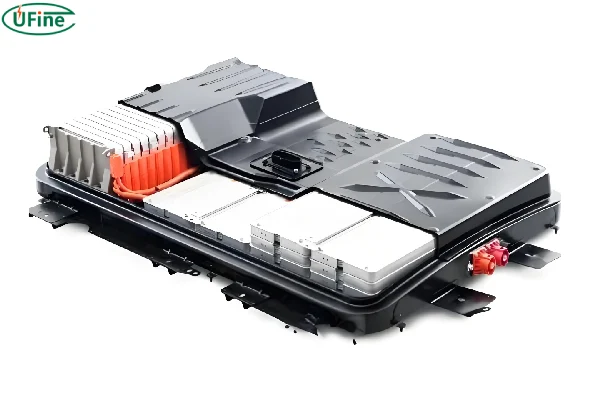
A battery tray is more than a simple holder. It prevents batteries from shifting, vibrating, or being damaged. Imagine your car hitting a pothole—the tray keeps the battery in place, avoiding leaks, short circuits, or costly damage.
Battery trays are made from plastic, metal, or composite materials, each suited to different use cases and environmental conditions. They come in various sizes and configurations to fit standard or custom batteries.
If you want to go deeper into why batteries can fail, check out this explanation of battery leaks and how to stay safe.
Part 2. Types of battery trays and their applications
Choosing the right tray depends on your battery type and environment. Here’s a breakdown of the most common types:
1 Standard Battery Trays
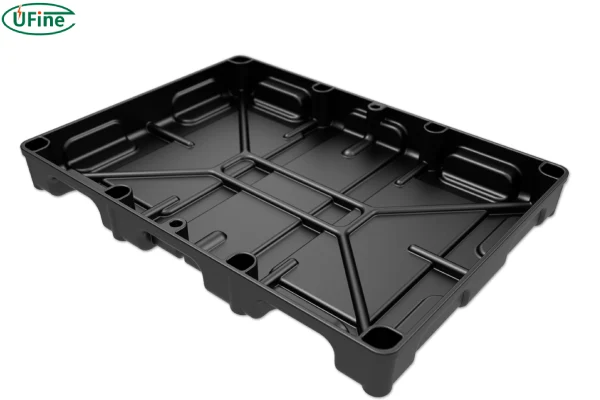
- Best for: Cars, small boats, general equipment
- Material: Plastic or metal
- Pros: Affordable, easy to install
- Cons: Limited sizes, basic protection
Ideal for standard car batteries or simple setups. They offer essential stability but may not handle extreme conditions.
2 Adjustable Battery Trays

- Best for: Varying battery sizes or future upgrades
- Material: Plastic or composite with adjustable brackets
- Pros: Flexible, reusable
- Cons: More expensive, installation requires attention
Great if you switch batteries often or have non-standard sizes.
3 Heavy-Duty Battery Trays

- Best for: Industrial equipment, marine environments, high-performance vehicles
- Material: Metal or reinforced composites
- Pros: Extremely durable, supports larger batteries
- Cons: Bulkier, higher cost
Built to survive tough conditions, from vibrations to moisture. Perfect for demanding applications.
Battery Tray Comparison Table
| Tray Type | Size Flexibility | Durability | Typical Use Case | Cost |
|---|---|---|---|---|
| Standard | Low | Medium | Cars, small boats | Low |
| Adjustable | High | Medium | Varying battery sizes, upgrades | Medium |
| Heavy-Duty | Medium | High | Industrial, marine, heavy equipment | High |
Part 3. Material differences and technical specs
Not all trays are created equal. Here’s what you need to know about materials, strength, and environmental resistance:
| Material | Weight | Corrosion Resistance | Max Operating Temp | Best For |
|---|---|---|---|---|
| Plastic | Light | High | -20℃ to 80℃ | Cars, general use |
| Metal | Heavy | Medium | Up to 200℃ | Industrial, heavy-duty |
| Composite | Medium | High | -40℃ to 120℃ | High-performance/lithium |
Pro tip: For lithium batteries, composite or high-grade plastic is often preferred due to ventilation needs, corrosion resistance, and lightweight design.
Part 4. Why are lithium battery trays special
Lithium batteries require extra attention:
- Ventilation: Lithium batteries generate heat; trays should allow airflow.
- Insulation & Safety: Avoid direct metal contact—prevents short circuits.
- Corrosion Resistance: Lithium setups often sit in tighter spaces or near electronics.
- Mounting: Non-metallic clamps or brackets are safer than traditional metal straps.
| Feature | Lead-Acid Battery Tray | Lithium Battery Tray |
|---|---|---|
| Material | Plastic/Metal | Plastic/Composite |
| Ventilation | Optional | Required |
| Fixing Method | Strap or Clamp | Non-metallic Clamp |
| Corrosion Resistance | Medium | High |
Part 5. Battery trays applications
If you’re upgrading a car to a lithium battery, using a metal standard tray might risk short circuits and heat build-up. A composite adjustable tray solves this, providing safety and flexibility.
- Automotive: Engine compartments are hot and vibrate constantly → choose vibration-resistant trays.
- Marine: Saltwater exposure → use corrosion-proof trays with built-in hold-downs.
- Industrial Equipment: Heavy batteries and rough environments → heavy-duty metal or composite trays.
- Energy Storage Systems: Multiple lithium batteries → modular trays for easy maintenance and airflow.
Part 6. Installation and maintenance
- Install Securely: Use bolts or screws rated for vibration-heavy environments.
- Place the Battery Properly: Snug fit prevents movement; adjustable trays can be tightened.
- Secure the Battery: Straps or clamps prevent shifting. For lithium, avoid metal contact.
- Check Connections: Ensure terminals are tight and corrosion-free.
- Regular Maintenance: Inspect for cracks, wear, or corrosion. This prolongs both tray and battery life.
Common Mistakes Table
| Mistake | Consequence | Tip |
|---|---|---|
| Tray too small | Battery shifts, short circuit | Measure battery + clearance |
| Metal tray without coating | Corrosion over time | Use anti-rust paint or composite |
| Loose clamps | Vibrations, damage | Use torque wrench to secure bolts |
Part 7. Innovations and future trends
Battery trays are evolving with technology:
- Modular Trays: Stackable, easy to maintain in battery banks.
- 3D Printed or Custom Composites: Lightweight and highly durable for specialized batteries.
- Smart Trays: Integrated temperature sensors or current monitoring for lithium systems.
These innovations make battery management smarter, safer, and more efficient.
Part 8. Choosing the right tray for you
To summarize, consider these key factors:
- Battery Size: Accurate measurement is critical. Adjustable trays provide flexibility.
- Application: Match trays to your environment (automotive, marine, industrial).
- Material: Choose based on durability, corrosion resistance, and battery type.
- Mounting Options: Ensure compatibility with screws, brackets, or modular setups.
- Budget vs Quality: Invest in a tray that protects your battery; it saves money and stress long-term.
Part 9. FAQs
Can a battery tray prevent battery leaks?
Yes. A well-designed tray keeps batteries stable, reducing vibration and contact with corrosive surfaces that can cause leaks.
Do I need a battery tray for solar energy storage systems?
Absolutely. Trays help organize multiple batteries, improve airflow, and make maintenance easier for solar setups.
How often should I replace a battery tray?
It depends on the material and environment. Inspect plastic or composite trays every 2–3 years, and metal trays for corrosion annually.
Can battery trays be customized for unusual battery shapes?
Yes. Adjustable or modular trays allow you to fit non-standard batteries safely without compromising stability.
Are there eco-friendly battery trays?
Some trays are made from recycled plastics or composites, offering strength while reducing environmental impact.
Related Tags:

More Articles

JST vs Molex: The Right Battery Connector Choice
JST or Molex for your battery? Learn how connector selection affects current, voltage drop, reliability, and device performance.
Custom Battery Pricing: Costs Manufacturers Don’t Mention
A low battery quote may not be the final cost. Discover common hidden expenses that affect custom lithium battery projects.
Battery Wire Length: Hidden Cause of Power Loss
A longer battery wire can cause voltage drop, power loss, and unstable operation. Learn how wire length affects battery performance.
How Device Sleep Modes Affect Battery Life
Think sleep mode extends battery life? Learn why devices still drain power and how firmware, hardware, and batteries affect runtime.
LiPo Battery and PCB Design: Clearance, Insulation, and Placement
Learn how to optimize LiPo battery PCB clearance, insulation, placement, wiring, and thermal design—and avoid common integration mistakes.