
- Key Takeaways
- Part 1. What does a battery expiration date mean?
- Part 2. Do batteries expire if they are never used?
- Part 3. Typical shelf life of unused batteries
- Part 4. What happens when batteries go bad?
- Part 5. Signs your battery is expired or aging
- Part 6. Do rechargeable batteries go out of date?
- Part 7. How to read battery expiration dates
- Part 8. What factors shorten battery shelf life?
- Part 9. Best battery storage practices
- Part 10. What happens if you use expired batteries?
- Part 11. Rechargeable vs non-rechargeable batteries for long-term storage
- Part 12. Can lithium batteries be recycled?
- Part 13. Common myths about battery expiration
- Part 14. FAQs about battery expiration, shelf life, and unused batteries
Do batteries go bad if unused? Yes. All batteries gradually degrade, even in sealed packaging. Over time, they lose voltage, capacity, and stability.
Most alkaline batteries last 5–10 years in storage, while lithium batteries can last 10–15 years under proper conditions. Rechargeable batteries also expire because of cycle aging and self-discharge.
Understanding battery expiration dates and storage methods helps prevent leakage, swelling, short runtime, and device damage.
Key Takeaways
- Batteries do have an expiration date or recommended shelf life.
- Unused batteries slowly self-discharge and chemically age over time.
- Lithium primary batteries usually have the longest shelf life: 10–15 years.
- Rechargeable batteries also expire due to cycle aging and calendar aging.
- Heat is the biggest factor that shortens battery shelf life.
- Swelling, leakage, corrosion, and overheating are signs of expired batteries.
- Proper storage can significantly extend battery lifespan.
- Expired batteries should be recycled properly, not thrown into household trash.
Part 1. What does a battery expiration date mean?
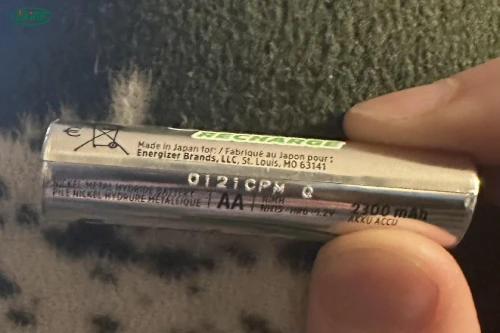
A battery expiration date does not mean the battery suddenly stops working on that exact day. Instead, it indicates the estimated period during which the battery can maintain acceptable performance under recommended storage conditions.
In most cases, manufacturers define battery shelf life as the time required for stored capacity to fall below around 80% of the original rated capacity.
Two important concepts are often confused:
| Term | Meaning |
|---|---|
| Shelf Life | How long unused batteries remain functional in storage |
| Service Life | How long a battery operates after being put into use |
Battery chemistry plays the largest role in determining both.
For example:
- Alkaline batteries prioritize low cost and long shelf storage.
- Lithium batteries offer very low self-discharge and long-term reliability.
- Rechargeable batteries focus on repeated cycling rather than ultra-long storage.
According to the U.S. Department of Energy, lithium-ion battery aging is influenced by both time and operating conditions, especially temperature.
Part 2. Do batteries expire if they are never used?
Yes. One of the most searched questions is: “How long do unused batteries last?”
Even unused batteries slowly degrade because internal chemical reactions never fully stop.
This process is called self-discharge.
Over time:
- Voltage gradually drops
- Internal resistance increases
- Electrolytes degrade
- Battery capacity decreases
This is why old batteries stored in a drawer for years may no longer power devices properly.
Part 3. Typical shelf life of unused batteries
| Battery Type | Typical Shelf Life | Recharge Cycles | Common Applications |
|---|---|---|---|
| Alkaline | 5–10 years | N/A | Remote controls, flashlights, toys |
| Lithium Primary | 10–15 years | N/A | Smoke alarms, military devices, backup systems |
| NiMH Rechargeable | 3–5 years | 500–1,000 cycles | Cameras, AA rechargeable devices |
| Li-ion Rechargeable | 2–10 years | 300–1,000 cycles | Laptops, e-bikes, medical devices |
| LiFePO4 | 5–10 years | 2,000–6,000 cycles | Solar storage, RVs, industrial systems |
| Lead-Acid | 3–6 years | 300–500 cycles | Vehicles, UPS, backup power |
For industrial OEM projects, selecting the right chemistry matters not only for runtime, but also for storage stability and maintenance requirements.
You can also read our related guide on types of lithium batteries.
Part 4. What happens when batteries go bad?
When batteries age, internal materials slowly break down.
Common degradation mechanisms include:
- Electrolyte breakdown
- Electrolytes carry ions between electrodes. As they degrade, conductivity drops and voltage becomes unstable.
- Increased internal resistance
- Older batteries generate more heat and deliver lower current under load.
- Gas formation
- Aging reactions may generate gas inside the cell, causing swelling or leakage.
- Corrosion
- Battery terminals can corrode over time, reducing electrical contact quality.
- Capacity fade
The battery can no longer store its original energy level.
For lithium-ion batteries, chemical aging can also increase safety risks if cells are damaged, overcharged, or stored improperly.
Learn more about lithium battery overheating causes.
Part 5. Signs your battery is expired or aging
Expired batteries often show clear warning signs before complete failure.
Common signs of bad batteries:
- Shorter runtime than normal
- Slow charging or rapid discharge
- Swelling or bulging
- Corrosion around terminals
- Leakage or unusual odor
- Excessive heat during charging or use
- Unstable voltage or device shutdowns
If you notice these symptoms, stop using the battery immediately.
Damaged lithium batteries should never be punctured, crushed, or recharged.
Part 6. Do rechargeable batteries go out of date?
Yes. Many people assume rechargeable batteries never expire, but rechargeable batteries also age over time.
Rechargeable battery lifespan depends on two factors:
| Aging Type | Description |
|---|---|
| Cycle Aging | Capacity loss caused by repeated charging and discharging |
| Calendar Aging | Natural chemical degradation over time, even when unused |
How different rechargeable batteries age:
1 Li-ion batteries
- Sensitive to heat and overcharging
- Age faster at 100% charge
- Best stored around 40–60% state of charge
2 NiMH batteries
- Higher self-discharge rate
- Lose stored energy relatively quickly during storage
3 LiFePO4 batteries
- Longer lifespan
- Better thermal stability
- Lower long-term degradation rate
For long-life industrial equipment, LiFePO4 batteries are increasingly preferred because of their safety and long cycle life.
You may also like our guide on safe lithium battery discharge methods.
Part 7. How to read battery expiration dates
Battery expiration dates may appear in several formats.
Common battery date codes:
| Format | Example | Meaning |
|---|---|---|
| YYMM | 2508 | August 2025 |
| Week-Year | 35-25 | Week 35 of 2025 |
| Best Before | MAR 2030 | Recommended usage date |
Manufacturers may print the code:
- Near the barcode
- On the battery bottom
- On outer packaging
- Laser-marked on industrial battery packs
Reliable suppliers usually provide traceability and batch tracking for quality control.
At Ufine Battery, customized lithium battery packs include manufacturing tracking and QC inspection records for industrial customers.
Part 8. What factors shorten battery shelf life?
Even high-quality batteries can expire early under poor storage conditions.
- High temperature
- Heat is the largest cause of battery aging.
- Higher temperatures accelerate:
- Chemical decomposition
- Electrolyte evaporation
- Self-discharge
- Internal corrosion
- For most batteries, ideal storage temperature is: 10°C to 25°C
- Humidity
- Moisture can damage seals and corrode terminals.
- Deep discharge
- Repeatedly draining rechargeable batteries to zero reduces cycle life.
- Overcharging
- Constant charging generates excess heat and pressure inside the cell.
- Poor manufacturing quality
- Low-grade separators, inconsistent materials, and weak sealing dramatically reduce shelf life.
- This is especially important in medical, robotics, marine, and industrial battery applications where reliability matters.
Part 9. Best battery storage practices
Proper storage significantly extends battery shelf life.
Recommended battery storage tips:
- Store batteries in a cool, dry location
- Avoid direct sunlight and heaters
- Keep batteries in original packaging
- Do not mix old and new batteries
- Store lithium-ion batteries at 40–60% charge
- Avoid long-term full-charge storage
- Use protective terminal covers for industrial packs
Storage recommendations by battery type:
| Battery Type | Recommended Storage Condition |
|---|---|
| Alkaline | Room temperature, dry environment |
| Li-ion | 40–60% charge, cool storage |
| LiFePO4 | Partial charge, low humidity |
| Lead-Acid | Periodic maintenance charging required |
Part 10. What happens if you use expired batteries?
Using out-of-date batteries can cause both performance and safety problems.
Possible risks:
- Device malfunction
- Reduced runtime
- Corrosion damage
- Battery leakage
- Swelling or rupture
- Overheating
- Circuit board damage
Leaking alkaline batteries may leave white residue around contacts.
If corrosion appears:
- Remove the batteries safely
- Wear gloves if needed
- Clean terminals carefully
- Fully dry the compartment before reuse
Never mix expired and new batteries in the same device.
Part 11. Rechargeable vs non-rechargeable batteries for long-term storage
| Feature | Non-Rechargeable Batteries | Rechargeable Batteries |
|---|---|---|
| Shelf Life | 5–15 years | 2–10 years |
| Self-Discharge | Very low | Moderate |
| Best Use Case | Emergency backup devices | Frequent-use electronics |
| Maintenance | Minimal | Periodic charging needed |
| Environmental Impact | Higher waste generation | Reusable and recyclable |
Primary lithium batteries are usually best for long-term standby devices.
Rechargeable lithium batteries are better for high-frequency applications like robotics, AGVs, medical systems, and portable electronics.
Part 12. Can lithium batteries be recycled?
Yes. One growing search trend is: “can lithium batteries be recycled?”
Lithium batteries should be recycled properly because they contain valuable materials such as:
- Lithium
- Nickel
- Cobalt
- Copper
- Aluminum
Improper disposal may create environmental and fire risks.
According to the U.S. Environmental Protection Agency (EPA), lithium-ion batteries should be taken to approved recycling or hazardous waste collection facilities.
For industrial battery projects, many manufacturers now support closed-loop recycling programs and battery recovery systems.
Part 13. Common myths about battery expiration
Myth 1: Batteries last forever if unused
False. All batteries chemically age over time.
Myth 2: Freezing batteries extends life
Modern batteries generally should not be frozen because condensation may damage them.
Myth 3: Rechargeable batteries never expire
False. Rechargeable batteries lose capacity due to cycle aging and calendar aging.
Myth 4: Expired batteries are always safe to use
False. Old batteries can leak, swell, or overheat.
Myth 5: All batteries self-discharge at the same rate
Different chemistries behave very differently. Lithium batteries usually retain charge much longer than NiMH batteries.
Part 14. FAQs about battery expiration, shelf life, and unused batteries
Do batteries have an expiration date?
Yes. Most batteries include a battery expiration date or best-before date that estimates how long the battery can maintain usable capacity during storage.
How long do unused batteries last?
It depends on chemistry. Alkaline batteries usually last 5–10 years, while lithium primary batteries can last 10–15 years if stored properly.
Do rechargeable batteries go bad if not used?
Yes. Rechargeable batteries experience calendar aging even when unused. Heat and full-charge storage accelerate degradation.
Can expired batteries damage electronics?
Yes. Expired batteries may leak or corrode, damaging terminals, wiring, and circuit boards.
Can lithium batteries be recycled?
Yes. Lithium batteries should be recycled through certified battery recycling programs or hazardous waste facilities instead of household trash.
Related Tags:

More Articles

JST vs Molex: The Right Battery Connector Choice
JST or Molex for your battery? Learn how connector selection affects current, voltage drop, reliability, and device performance.
Custom Battery Pricing: Costs Manufacturers Don’t Mention
A low battery quote may not be the final cost. Discover common hidden expenses that affect custom lithium battery projects.
Battery Wire Length: Hidden Cause of Power Loss
A longer battery wire can cause voltage drop, power loss, and unstable operation. Learn how wire length affects battery performance.
How Device Sleep Modes Affect Battery Life
Think sleep mode extends battery life? Learn why devices still drain power and how firmware, hardware, and batteries affect runtime.
LiPo Battery and PCB Design: Clearance, Insulation, and Placement
Learn how to optimize LiPo battery PCB clearance, insulation, placement, wiring, and thermal design—and avoid common integration mistakes.


