
- Part 1. What is a dual purpose marine battery
- Part 2. Dual purpose vs starting vs deep cycle battery
- Part 3. How dual purpose batteries actually work
- Part 4. Advantages and disadvantages of dual purpose marine battery
- Part 5. Different types of marine batteries
- Part 6. How long will a dual purpose battery last on a boat
- Part 7. AGM vs lithium vs flooded
- Part 8. Buying a dual purpose marine battery: 7 key parameters
- Part 9. Dual purpose marine battery maintenance tips
- Part 10. Are dual purpose batteries being replaced by lithium
- Part 11. FAQs
Key Takeaways
- A dual purpose marine battery combines starting power (CCA) and deep cycle capability, but doesn’t fully excel at either
- It works best for small boats and light usage, not heavy trolling or long off-grid trips
- AGM dual purpose batteries are common, but lithium batteries increasingly outperform them in real-world use
- Misusing a dual purpose battery (especially deep discharging it often) can dramatically shorten its lifespan
- In many cases, a lithium battery can replace a larger AGM battery with better efficiency and longer life
Part 1. What is a dual purpose marine battery
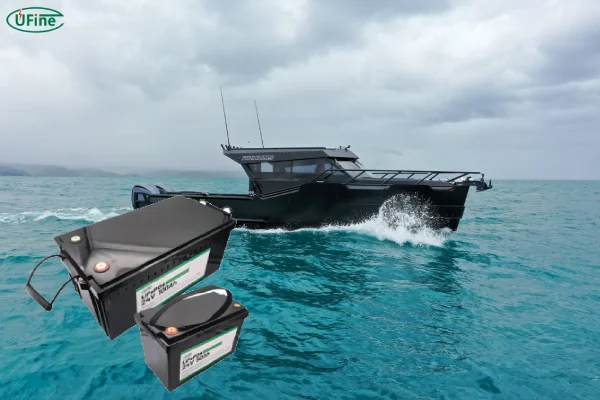
A dual purpose marine battery is designed to do two jobs:
- Deliver a burst of power to start your engine
- Provide steady energy for onboard electronics like fish finders, lights, and small trolling motors
In simple terms, it sits somewhere between a starting battery and a deep cycle battery.
However, what really matters is how it balances two key performance metrics:
- CCA (Cold Cranking Amps) → how well it starts your engine
- Cycle life / capacity (Ah) → how long it can run devices
And here’s the catch: improving one usually weakens the other.
Part 2. Dual purpose vs starting vs deep cycle battery
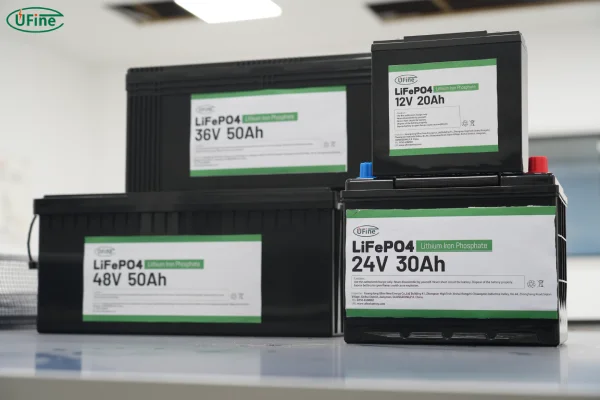
To really understand where dual purpose batteries fit, you need to see the trade-offs clearly:
| Battery Type | Best For | Strengths | Limitations |
|---|---|---|---|
| Starting Battery | Engine ignition | Very high CCA | Cannot handle deep discharge |
| Deep Cycle Battery | Trolling motors, electronics | Long runtime, deep discharge | Low starting power |
| Dual Purpose | Mixed, light-duty use | Balanced performance | Not optimized for either task |
So if you’re expecting a dual purpose battery to perform like both extremes at once, you’ll likely be disappointed.
Part 3. How dual purpose batteries actually work
Let’s go one level deeper.
A dual purpose battery uses internal plate designs that are thicker than starting batteries but thinner than deep cycle batteries. This allows it to:
- Deliver moderate bursts of current
- Sustain moderate discharge cycles
But because of this hybrid design:
- It cannot handle repeated deep discharges like a true deep cycle battery
- It cannot deliver peak cranking performance like a dedicated starter battery
This “middle ground” is exactly why it works well in some scenarios—and fails in others.
Part 4. Advantages and disadvantages of dual purpose marine battery
Like any battery, dual purpose marine batteries come with both advantages and disadvantages. Let’s take a closer look at the pros and cons.
Advantages:
-
Versatility: The most obvious benefit is the versatility of having one battery that serves both purposes—starting the engine and powering electronics. This eliminates the need for multiple batteries, which can save space and reduce overall costs.
-
Space and Weight Savings: For many boaters, space and weight are at a premium. A dual purpose battery offers the convenience of a two-in-one solution, which means more room on your boat for other gear.
-
Cost-Effective: Buying a single dual purpose marine battery is generally more affordable than purchasing both a starting battery and a deep-cycle battery. This makes it an attractive option for boaters on a budget.
-
Simplicity: With just one battery to maintain and replace, you simplify the management of your boat’s power system.
Disadvantages:
-
Not Optimal for Long-Term Power: While a dual-purpose battery is good for moderate use, it may not provide the same performance as a dedicated deep-cycle battery when running electronics over extended periods. If you often use high-drain devices for long hours, a dedicated deep-cycle battery may be a better option.
-
Shorter Lifespan Under Heavy Use: If you’re frequently draining the battery, its lifespan may be shorter than a dedicated deep-cycle battery, which is designed for prolonged discharges.
-
Limited Cranking Power: While dual-purpose batteries can start engines, they may not deliver as much cranking power as a dedicated starting battery, especially in extreme cold conditions.
Part 5. Different types of marine batteries
Marine batteries come in various types, each suited for different functions on your boat. While we won’t dive into battery chemistry in this section, it’s crucial to understand the basic categories of marine batteries:
-
Starting Batteries: These batteries are designed to provide a powerful burst of energy to start the boat’s engine. They typically deliver a high amount of cold-cranking amps (CCA), which are essential for starting the engine, especially in cold weather. However, starting batteries are not designed to provide long-lasting power to onboard systems, and frequent deep discharges can damage them.
-
Deep-Cycle Batteries: Unlike starting batteries, deep-cycle batteries are made to discharge more deeply without damaging their internal components. These batteries are ideal for powering boat electronics like radios, GPS systems, and lights. However, they lack the cranking power necessary to start the engine.
-
Dual-Purpose Batteries: These batteries are a hybrid solution, combining the features of both starting and deep-cycle batteries. A dual purpose marine battery provides enough cranking power to start your engine while also being capable of powering electronics for a prolonged period. This versatility makes them an excellent choice for boat owners who need both functions but prefer the simplicity of a single battery.
-
Trolling Motor Batteries: Specifically designed for trolling motors, these batteries are optimized for long-term, low-power usage. They offer extended discharge times but are not suitable for starting engines.
Part 6. How long will a dual purpose battery last on a boat
This is where things get practical.
Let’s say you have:
- A 100Ah dual purpose battery
- A trolling motor drawing 40 amps
In theory, you’d expect around 2.5 hours of runtime. But in reality:
- You shouldn’t discharge AGM batteries beyond ~50%
- Voltage drops under load reduce efficiency
So your usable runtime is closer to 1.5–2 hours.
Now compare that to lithium:
- You can safely use 80–100% capacity
- Voltage remains stable
That same “100Ah” lithium battery could deliver significantly longer usable time.
This is why many experienced boaters are quietly moving away from traditional dual purpose setups.
Part 7. AGM vs lithium vs flooded
Not all dual purpose batteries are equal. The chemistry matters—a lot.
| Type | Weight | Usable Capacity | Lifespan (cycles) | Maintenance | Real-World Efficiency |
|---|---|---|---|---|---|
| Flooded | Heavy | ~50% | Low | High | Low |
| AGM | Heavy | ~50–60% | Medium | Low | Moderate |
| Lithium | Light | ~80–100% | Very high | None | High |
Here’s the key insight most people miss:
A 100Ah lithium battery can often replace a 150Ah AGM battery in real use.
That’s not just about capacity—it’s about usable energy.
Part 8. Buying a dual purpose marine battery: 7 key parameters
When purchasing a dual-purpose marine battery, there are several key factors to consider to ensure you choose the right one for your needs:
-
Cold Cranking Amps (CCA): A higher CCA means the battery can provide more power to start the engine in cold weather. Make sure the battery has enough CCA for your boat’s engine.
-
Amp-Hour Rating (Ah): This indicates the battery’s capacity to power electronics. A higher Ah means more power to run your lights, radio, and other devices.
-
Voltage: Most marine batteries are 12V, but some boats may require 24V or even 48V batteries. Be sure to select the right voltage for your boat’s electrical system.
-
Battery Type (AGM, Gel, Flooded): AGM and Gel batteries are maintenance-free and more durable,
while flooded batteries are cheaper but require more maintenance.
-
Size and Weight: Ensure the battery fits within your boat’s designated battery compartment, and keep in mind that larger batteries can be heavy.
-
Warranty: Look for a battery with a solid warranty, typically ranging from 1 to 3 years, depending on the brand and quality.
-
Brand Reputation: Choose reputable brands known for producing high-quality marine batteries, such as Optima, Trojan, or Interstate.
Part 9. Dual purpose marine battery maintenance tips
To get the most out of your dual-purpose marine battery, proper maintenance is essential. Here are a few tips:
-
Regularly Check the Charge Level: Ensure your battery is fully charged before heading out on the water to avoid running out of power.
-
Keep Terminals Clean: Corroded terminals can reduce the efficiency of your battery. Clean them regularly using a wire brush and a mixture of baking soda and water.
-
Store Properly: If your boat will be sitting idle for a while, store the battery in a cool, dry place. Avoid letting it sit in a discharged state for long periods, as this can shorten its lifespan.
-
Inspect for Leaks or Damage: Regularly check for signs of damage or leaks, which can lead to failure. If you notice any issues, address them immediately.
In conclusion, a dual-purpose marine battery is a fantastic option for boaters who want an all-in-one solution for starting their engine and powering electronics. By understanding the advantages, disadvantages, and maintenance needs of these batteries, you can make an informed decision that ensures your boat’s power system stays reliable for years to come.
Part 10. Are dual purpose batteries being replaced by lithium
Quietly, yes. The concept of dual purpose—one battery doing multiple jobs—is still valid. But lithium batteries execute that idea much better.
They offer:
- High starting capability
- Deep cycle endurance
- Longer lifespan
- Better efficiency
So instead of choosing between “starting” and “deep cycle,” many boaters are simply switching to lithium and getting both—without the compromise.
Part 11. FAQs
1. How do I know if my boat needs a dual purpose battery or separate batteries?
If you want simplicity and have low power demand, dual purpose is fine. But if your boat runs multiple systems or long trolling sessions, separate starting + deep cycle batteries are more reliable.
2. What is the lifespan of a dual purpose marine battery?
On average, 3–5 years for AGM types, depending heavily on how deeply and frequently it is discharged. Poor usage can shorten this significantly.
3. Can I charge a dual purpose battery with a regular car charger?
Technically yes, but it’s not ideal. Marine batteries benefit from smart chargers that match their chemistry to avoid overcharging or undercharging.
4. Is it safe to mix dual purpose batteries with other battery types?
No. Mixing different chemistries or capacities can cause uneven charging and reduce overall system efficiency and lifespan.
5. Do dual purpose batteries need maintenance?
AGM and lithium types are maintenance-free, but you still need to monitor charging habits and storage conditions to maintain performance.
Related Tags:

More Articles

JST vs Molex: The Right Battery Connector Choice
JST or Molex for your battery? Learn how connector selection affects current, voltage drop, reliability, and device performance.
Custom Battery Pricing: Costs Manufacturers Don’t Mention
A low battery quote may not be the final cost. Discover common hidden expenses that affect custom lithium battery projects.
Battery Wire Length: Hidden Cause of Power Loss
A longer battery wire can cause voltage drop, power loss, and unstable operation. Learn how wire length affects battery performance.
How Device Sleep Modes Affect Battery Life
Think sleep mode extends battery life? Learn why devices still drain power and how firmware, hardware, and batteries affect runtime.
LiPo Battery and PCB Design: Clearance, Insulation, and Placement
Learn how to optimize LiPo battery PCB clearance, insulation, placement, wiring, and thermal design—and avoid common integration mistakes.


