
- Part 1. What is the end of a battery?
- Part 2. What Are battery terminals?
- Part 3. How to distinguish the positive and negative terminals of a battery?
- Part 4. Is the longer terminal positive?
- Part 5. How battery terminals differ across battery types
- Part 6. How the end of a battery affects performance
- Part 7. Common types of battery terminals
- Part 8. Maintaining the end of a battery for longevity
- Part 9. FAQs
Key takeaways
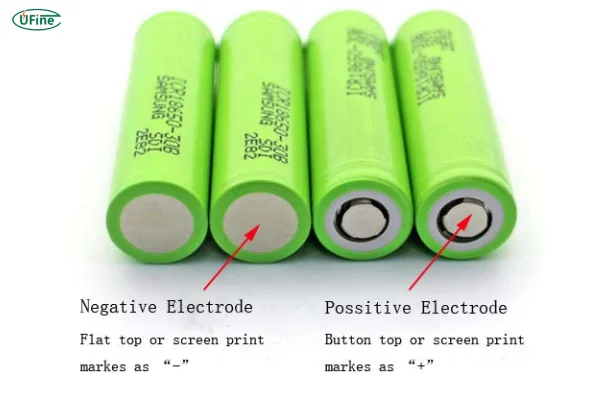
- The raised or button-shaped end of a battery is usually the positive terminal.
- The flat end is typically the negative terminal.
- Most batteries are marked with “+” and “−” symbols near the terminals.
- In many cases, the longer terminal or lead is positive.
- Incorrect battery polarity can damage electronics or create safety risks.
- Different battery types may use slightly different terminal designs, so visual inspection is important.
Part 1. What is the end of a battery?
When most people talk about the end of a battery, they often refer to the point at which the battery no longer works or can no longer hold a charge. However, in the world of battery technology, the end of a battery can mean something very specific: the battery terminals. The end of a battery is where the flow of electrical energy enters and exits the battery, facilitating the power needed for devices to operate.
In this article, we will explore what the end of a battery truly is, specifically focusing on the battery terminals. These terminals are crucial for the battery’s function, as they determine how the battery connects to devices and how efficiently it performs. We will also discuss how to distinguish between the positive and negative terminals and the role these terminals play in the life and performance of your battery.
Part 2. What Are battery terminals?
The end of a battery refers to the two electrical contacts located on opposite ends of the battery: the positive and negative terminals. These terminals allow for the connection of the battery to a device or circuit. The positive terminal is the point where electricity leaves the battery, and the negative terminal is where the current returns.
-
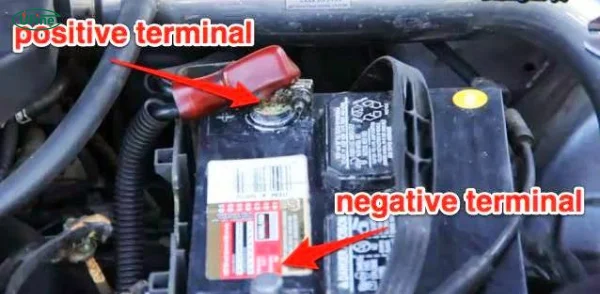
Positive Terminal: Marked with a “+” sign or often colored red, the positive terminal is where the battery’s power exits and flows into the device or circuit.
-
Negative Terminal: Marked with a “-” sign or colored black, the negative terminal is where the current returns after powering the device, completing the circuit.
When we talk about the end of a battery, we’re referring to the points where this current is transferred, making them vital for the battery’s function and performance.
Part 3. How to distinguish the positive and negative terminals of a battery?
It’s essential to know how to distinguish between the positive and negative terminals at the end of a battery, especially when you’re working with different devices or battery types. Here’s how you can tell the difference:
-
Markings and Symbols: Most batteries have clear markings to indicate the positive (+) and negative (-) terminals. The positive terminal often has a “+” symbol or is marked with red. The negative terminal is usually marked with a “-” symbol or is colored black.
-
Battery Size and Shape: On certain types of batteries, like AA or AAA batteries, the positive terminal is usually the protruding end (the one with a bump), while the negative terminal is flat.
-
Battery Connector Types: For larger batteries, such as those used in vehicles or power tools, the positive terminal will typically have a larger post or a more secure attachment point for cables, while the negative terminal will often have a smaller post or attachment point.
-
Voltage Indicators: In more complex batteries, such as Li-ion or NiMH batteries, manufacturers often provide voltage ratings on the terminals, with the positive terminal having a higher potential than the negative one.
Properly distinguishing between the positive and negative terminals is crucial, as connecting a battery the wrong way can result in damage to your devices or even cause a safety hazard.
Part 4. Is the longer terminal positive?
Yes, in many cases, the longer terminal is positive.
This is especially common in electronic components, battery holders, LEDs, and batteries with wire leads. Manufacturers intentionally make the positive lead slightly longer to simplify installation.
For example, if you look at a small lithium battery pack with red and black wires:
- Red wire usually indicates positive
- Black wire usually indicates negative
Similarly, in electronic circuits, the longer metal leg on components such as LEDs typically represents the positive side.
However, you should avoid relying entirely on terminal length alone. Some custom battery packs, industrial batteries, or modified electronics may not follow standard conventions.
When possible, always confirm using:
- Polarity markings
- Manufacturer labels
- A multimeter
- Product documentation
For electrical safety guidelines, the Occupational Safety and Health Administration (OSHA) provides useful battery handling recommendations.
Part 5. How battery terminals differ across battery types
Not all batteries look the same. In fact, battery terminal design changes significantly depending on the chemistry, size, and application.
Here is a closer look at common battery styles you may encounter.
1 AA and AAA batteries
These are probably the easiest batteries to identify. The positive terminal is raised, while the negative end is flat.
Most household electronics rely on this standardized structure, making battery orientation relatively straightforward.
If you want to understand how cylindrical battery sizes differ in shape, capacity, and terminal structure, check out our guide to AA vs C vs D batteries.
2 18650 lithium-ion batteries
18650 batteries often resemble oversized AA batteries, but they can be more dangerous if connected incorrectly.
Some 18650 cells use a button-top positive terminal, while others use a flat-top design. That is why checking the polarity markings becomes especially important with lithium-ion cells.
Many DIY battery pack builders accidentally reverse polarity during assembly, which can lead to overheating, venting, or permanent cell damage.
3 Coin cell batteries
Coin batteries use a completely different structure. In many button-cell designs, the larger flat outer surface is positive, while the smaller underside section is negative.
Because coin cells are compact, the polarity markings can be difficult to see.
Coin cells use a very different terminal design compared to standard cylindrical batteries, and our coin battery sizes guide explains those differences in detail.
4 Car batteries
Automotive batteries are much larger and use heavy-duty battery terminals.
The positive terminal is often marked with:
- A “+” symbol
- Red plastic covering
- Larger connector size
Meanwhile, the negative terminal usually has black markings and connects to the vehicle chassis.
Reversing polarity on a car battery can instantly damage electronics, fuses, or sensitive onboard systems.
| Battery Type | Positive Terminal | Negative Terminal |
|---|---|---|
| AA / AAA | Raised button | Flat end |
| 18650 lithium battery | Button-top or marked “+” | Flat side |
| Coin cell | Large flat top surface | Smaller bottom section |
| Car battery | Red marked post | Black marked post |
Part 6. How the end of a battery affects performance
The end of a battery is where the magic happens—where the stored energy is tapped into and sent to power a device. Therefore, the battery terminals play a significant role in the overall performance of the battery. If the terminals are damaged, corroded, or poorly connected, the flow of electricity can be hindered, leading to various issues. Here’s how the end of a battery (the terminals) affects its performance:
-
Electrical Resistance: Dirt, corrosion, or wear on the terminals can lead to increased electrical resistance. This can slow down the flow of current, reducing the battery’s efficiency and draining it faster.
-
Current Flow: The positive and negative terminals ensure that current flows correctly from the battery to the device and back. A poor connection or faulty terminal can cause devices to malfunction or fail to power up.
-
Safety Risks: A damaged terminal at the end of a battery can pose safety risks, including overheating, leakage, or even explosions, especially with high-capacity batteries. It’s essential to maintain the integrity of the terminals to prevent such hazards.
-
Battery Lifespan: Proper care of the end of a battery—particularly the terminals—can extend the battery’s lifespan. Regular cleaning and inspection of the terminals can prevent early failure and help the battery last longer.
Part 7. Common types of battery terminals
Not all battery terminals are the same, and the type of terminal used depends on the battery’s size, application, and energy requirements. Here are some of the most common terminal types you will encounter at the end of a battery:
1. Snap Terminals
Snap terminals are commonly found on smaller batteries such as those used in toys, flashlights, or other compact devices. These terminals are equipped with metal clips that “snap” into place when connected, ensuring a solid electrical contact.
2. Post Terminals
Post terminals are commonly used in automotive batteries. These terminals feature metal posts on top of the battery, where cables are connected via clamps or bolts. They are ideal for high-power applications, such as starting car engines.
3. Lug Terminals
Lug terminals are typically used in industrial batteries or high-capacity systems. These terminals consist of a metal ring that attaches to a bolt or screw, providing a reliable and secure connection for larger batteries.
4. JST Connectors
JST connectors are often found in smaller rechargeable batteries, such as those used in drones and power tools. These compact connectors are well-suited for situations where space is limited, and they offer a secure electrical connection.
Types of Battery Terminal Connectors
Part 8. Maintaining the end of a battery for longevity
Proper maintenance of the end of a battery, specifically its terminals, is crucial for maximizing performance and lifespan. Here are a few maintenance tips to ensure the battery terminals remain in top condition:
-
Keep Terminals Clean: Dust, dirt, and grime can accumulate on the end of a battery, leading to poor performance. Clean the terminals with a soft cloth and a mild cleaning solution to keep them free of debris.
-
Check for Corrosion: Corroded terminals can cause poor electrical connections and lead to energy loss. If you notice any corrosion, clean the terminals with a mixture of baking soda and water to neutralize the corrosion.
-
Tighten Loose Connections: Loose terminals can result in intermittent power delivery and increased wear. Ensure that all connections are secure and tight to ensure smooth energy flow from the battery.
-
Use Battery Terminals Protectors: Applying a layer of terminal grease or anti-corrosion gel can protect the end of the battery from the elements and prevent corrosion.
The Battery Terminal Blues: Understanding Corrosion and How to Fix It
Part 9. FAQs
Why is the positive end of a battery raised?
The raised positive terminal helps create reliable electrical contact and reduces the chance of installing the battery backward in devices.
Can reversed battery polarity damage electronics?
Yes. Incorrect battery polarity can damage sensitive circuits, blow fuses, overheat components, or permanently harm lithium-ion batteries.
Why do battery terminals corrode over time?
Battery terminals can corrode due to moisture, leakage, chemical reactions, or long-term exposure to air. Corrosion may reduce electrical conductivity.
What is battery polarity?
Battery polarity refers to the direction of electrical flow between the positive and negative terminals of a battery.
Why do some lithium batteries have flat tops?
Flat-top lithium batteries are designed for compact battery packs and devices with built-in terminal connections rather than spring contacts.
What tools can help identify battery terminals?
A digital multimeter is the most accurate tool for checking battery polarity and confirming positive and negative terminals safely.
Related Tags:

More Articles
Dead Battery or Device Failure? How to Find the Cause
Think your device is broken? Learn how to tell if the problem comes from battery aging or hardware failure before replacing your electronics.
Why iPhone Duo Uses Two Batteries: The Engineering Behind Foldable Phone Power
Why do foldable phones need two batteries? Explore the engineering challenges behind iPhone Duo’s dual-battery architecture and future battery trends.
Solid-State Batteries: 3 Myths You Need to Know
Solid-state batteries promise safer EVs and longer range, but the reality is more complex. Discover the challenges behind this next-gen technology.
Battery Capacity vs Discharge Rate: The Choice Engineers Face
Higher capacity or higher discharge rate? Learn how to choose the right LiPo battery for longer runtime, stable power output, and better device performance.
Battery Cable Size Guide: Choose the Right Wire Fast
Not sure what battery cable size you need? Learn how to select the right wire gauge, terminal size, and cable for safer, more efficient battery systems.


