
- Part 1. Understanding coin battery naming conventions
- Part 2. Coin batteries chemistry
- Part 3. 1/3N and 13N coin batteries: features and applications
- Part 4. LR coin batteries (alkaline button batteries)
- Part 5. CR coin batteries (lithium button batteries)
- Part 6. How to choose the correct coin battery size for your device?
- Part 7. FAQs
Selecting the correct coin battery size can be a challenge due to the variety of naming conventions, chemical compositions, and voltage ratings. Many consumers struggle to find the right replacement, leading to frustration or even device malfunction.
This comprehensive guide will help you understand coin battery sizes, their naming conventions, chemical compositions, specifications, and typical applications. By the end of this article, you’ll have the knowledge needed to select the best battery for your device.
Part 1. Understanding coin battery naming conventions
Coin batteries follow standardized naming conventions established by the International Electrotechnical Commission (IEC). These codes provide essential information about the battery’s size, chemistry, and shape, ensuring compatibility across various manufacturers.
Breaking Down the Naming Code
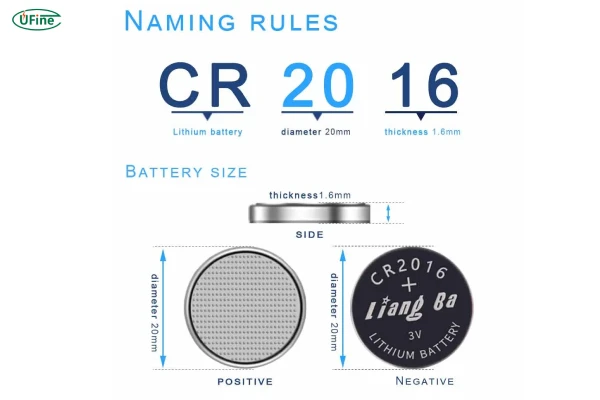
A typical coin battery code consists of letters and numbers, such as CR2032 or LR44. Here’s what each part means:
- The first letter(s) – Represents the battery’s chemical composition:
- C = Lithium
- L = Alkaline
- S = Silver oxide
- Z = Zinc-air
- R – Indicates a round (cylindrical) shape.
- The first two digits – Indicate the diameter in millimeters.
- The last two digits – Indicate the thickness in tenths of a millimeter.
For example, CR2032 is a lithium button battery that has a diameter of 20mm and a thickness of 3.2mm. Similarly, SR44 is a silver oxide battery with a diameter of 11.6mm and a thickness of 5.4mm.
Part 2. Coin batteries chemistry
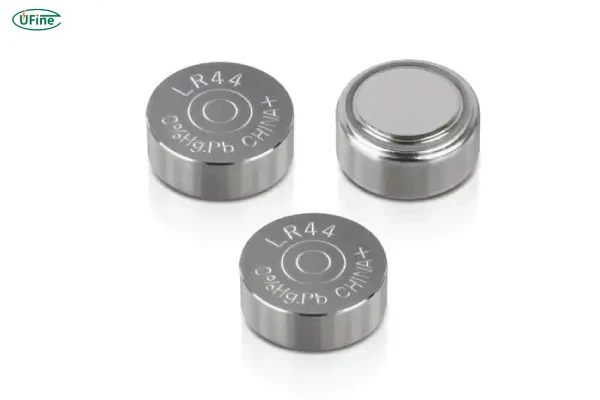
Coin batteries come in several chemical compositions, each with unique properties that affect their voltage, lifespan, and application. Here’s an overview of the most common types:
1. Lithium Coin Batteries (CR Series)
- Voltage: 3V
- Lifespan: 5-10 years
- Best for: Devices that require long-lasting power, such as car remotes, medical sensors, and CMOS batteries.
- Pros: High energy density, long shelf life, stable performance in extreme temperatures.
- Common Models: CR1025, CR1220, CR1616, CR2032, CR2450
2. Alkaline Coin Batteries (LR Series)
- Voltage: 1.5V
- Lifespan: 1-2 years
- Best for: Low-drain devices like calculators, small toys, and clocks.
- Pros: Affordable and widely available.
- Common Models: LR41, LR44, LR1130
3. Silver Oxide Coin Batteries (SR Series)
- Voltage: 1.55V
- Lifespan: 3-5 years
- Best for: Precision devices such as watches, hearing aids, and medical instruments.
- Pros: Provides steady voltage output over its lifespan.
- Common Models: SR41, SR44, SR626, SR621SW
4. Zinc-Air Coin Batteries
- Voltage: 1.4V
- Lifespan: 5-20 days (once activated)
- Best for: Hearing aids and medical devices.
- Pros: High energy density and lightweight.
- Common Models: ZA10, ZA13, ZA312, ZA675
Now, let’s dive into the detailed specifications of each coin battery type.
Part 3. 1/3N and 13N coin batteries: features and applications
1/3N and 13N batteries are specialty lithium coin cells used in compact electronic devices that require a higher voltage and longer shelf life.
Common Models and Specifications
| Model | Size (mm) | Voltage | Lifespan | Common Applications |
|---|---|---|---|---|
| 1/3N | 11.6 × 3.0 | 3V | 5+ years | Cameras, dog collars, laser sights |
| 13N | 11.6 × 5.4 | 3V | 5+ years | Security systems, medical devices |
Part 4. LR coin batteries (alkaline button batteries)
Common LR Battery Models and Specifications
| Model | Size (mm) | Voltage | Lifespan | Common Applications |
|---|---|---|---|---|
| LR41 | 7.9 × 3.6 | 1.5V | 1-2 years | Digital thermometers, watches |
| LR44 | 11.6 × 5.4 | 1.5V | 2 years | Calculators, laser pointers |
| LR1130 | 11.6 × 3.1 | 1.5V | 2 years | Small electronic toys |
Part 5. CR coin batteries (lithium button batteries)
| Model | Size (mm) | Voltage | Lifespan | Common Applications |
|---|---|---|---|---|
| CR1025 | 10 × 2.5 | 3V | 5+ years | Watches, key fobs |
| CR1220 | 12 × 2.0 | 3V | 5+ years | Remote controls, RFID devices |
| CR1616 | 16 × 1.6 | 3V | 6+ years | Car remotes, glucose meters |
| CR2032 | 20 × 3.2 | 3V | 8+ years | Motherboards, fitness trackers |
| CR2450 | 24 × 5.0 | 3V | 10 years | Medical devices, LED lights |
Part 6. How to choose the correct coin battery size for your device?
Choosing the right coin battery size is crucial for ensuring your device operates properly and efficiently. Here’s a step-by-step guide to help you choose the correct battery:
Check the Device Manual:
Always start by referring to the user manual or specifications of your device. The manufacturer will list the exact battery type, size, and voltage required.
Look at the Existing Battery:
If you have the old battery, check its engraved model number. The first few digits (e.g., CR2032 or SR44) indicate the battery size, while the letters at the beginning (CR, SR, LR) represent the chemical type.
Understand the Voltage Requirements:
Ensure the voltage of the replacement battery matches the required voltage of your device. For instance, using a CR2032 (3V) instead of an LR44 (1.5V) could cause the device to malfunction.
Consider the Device’s Power Consumption:
Devices that consume a lot of power (e.g., fitness trackers, medical devices) generally require lithium-based batteries (CR series), which offer longer lifespan and stable voltage. Low-drain devices, such as calculators and toys, typically work well with alkaline batteries (LR series).
Compare Sizes:
Double-check the diameter and thickness of the battery to ensure it will fit properly in the battery compartment of your device. Even a slight difference in size could cause the battery to be too tight or loose, affecting performance.
Consider the Environment: Some devices, like hearing aids, use zinc-air batteries due to their high energy density. In contrast, for applications requiring stable voltage over time, silver oxide (SR) batteries are ideal.
Part 7. FAQs
1. How do I identify the correct coin battery for my device?
Check the existing battery label or refer to the user manual of your device. The model number (e.g., CR2032) will indicate the correct replacement.
2. Can I replace an LR44 with an SR44?
Yes, but with caution. SR44 (silver oxide) batteries provide a more stable voltage than LR44 (alkaline), making them a better option for precision devices.
3. Can I use a CR2032 battery instead of a CR2025?
While both are lithium batteries, they differ in size and thickness. The CR2032 is slightly thicker (3.2mm vs. 2.5mm), so it might not fit in a device designed for a CR2025. Always check the battery size specifications in your device’s manual before replacing.
4. Can I recharge coin batteries?
Most coin batteries are non-rechargeable, but certain models, like the LIR2032, are designed for recharging. Be sure to check the packaging or specifications of the battery to confirm whether it is rechargeable.
5. Why does my coin battery drain so quickly?
Several factors can cause a coin battery to drain rapidlyContinuous usage in high-drain devices can reduce battery life. Exposure to extreme temperatures can shorten the battery’s lifespan. If the battery is old or improperly stored, it may lose charge faster.
6. Are there any environmental concerns with coin batteries?
Yes, coin batteries contain materials like lithium, mercury, and silver that can be harmful to the environment. It’s essential to recycle coin batteries at designated recycling centers to prevent pollution and environmental damage.
7. Can I mix and match different battery brands or models?
It’s always best to use the same brand and model of battery that the device recommends. Mixing different types or brands can cause device malfunctions or shorten battery life.
Related Tags:

More Articles

JST vs Molex: The Right Battery Connector Choice
JST or Molex for your battery? Learn how connector selection affects current, voltage drop, reliability, and device performance.
Custom Battery Pricing: Costs Manufacturers Don’t Mention
A low battery quote may not be the final cost. Discover common hidden expenses that affect custom lithium battery projects.
Battery Wire Length: Hidden Cause of Power Loss
A longer battery wire can cause voltage drop, power loss, and unstable operation. Learn how wire length affects battery performance.
How Device Sleep Modes Affect Battery Life
Think sleep mode extends battery life? Learn why devices still drain power and how firmware, hardware, and batteries affect runtime.
LiPo Battery and PCB Design: Clearance, Insulation, and Placement
Learn how to optimize LiPo battery PCB clearance, insulation, placement, wiring, and thermal design—and avoid common integration mistakes.


