
- Part 1. Can used lithium batteries be restored?
- Part 2. Used lithium batteries vs new lithium batteries
- Part 3. What are the uses of used lithium batteries?
- Part 4. How long can used lithium batteries last?
- Part 5. How to avoid the trap of used lithium batteries?
- Part 6. How to judge whether my battery is a used lithium battery?
- Part 7. How to test a used lithium battery
- Part 8. Buying checklist for used lithium batteries
- Part 9. FAQs
The global demand for lithium batteries continues to grow rapidly as electric vehicles, portable electronics, renewable energy storage, and smart devices become increasingly common. According to the International Energy Agency (IEA), global battery demand for the energy sector reached 1 TWh in 2024, with electric vehicle battery demand exceeding 950 GWh, representing a 25% increase compared with 2023.
As more lithium batteries enter the market, interest in used lithium batteries, second hand lithium batteries, and used lithium battery cells is also increasing. Many buyers are attracted by lower prices and the possibility of reusing batteries from electric vehicles, laptops, power tools, and energy storage systems.
However, buying a used lithium battery is not the same as buying a new one. A battery that looks normal externally may already have reduced capacity, increased internal resistance, or hidden safety risks due to previous charging cycles, storage conditions, or improper use.
Key takeaways
- Used lithium batteries may still provide usable performance, but their remaining capacity and safety condition are often difficult to verify.
- Battery history, including cycle count, charging habits, temperature exposure, and storage conditions, directly affects battery life.
- Voltage testing alone cannot determine whether a used lithium battery is reliable; professional evaluation requires capacity testing and internal resistance measurement.
- Used lithium batteries may work for DIY projects, prototypes, and low-risk applications, but they are usually not recommended for commercial products.
- Used LiFePO4 batteries generally have longer cycle life than many lithium-ion chemistries, but their actual condition still needs testing.
Part 1. Can used lithium batteries be restored?

The short answer is yes, but with qualifications. Used lithium batteries can sometimes be restored or reconditioned, but it’s not always possible, and it depends on the battery’s age, condition, and use history.
Over time, lithium-ion batteries degrade, mainly due to the repeated charge and discharge cycles. This is a natural part of their life cycle. When a battery is used, it loses its ability to hold a charge effectively, and its overall capacity decreases. However, some used lithium batteries can still be restored through techniques like cell balancing, battery reconditioning, or replacing damaged cells.
However, it’s important to note that the restoration process is not always successful. If a battery has been heavily discharged, exposed to high temperatures, or is too old, attempting to restore it can be more harmful than helpful. It may also compromise the safety and integrity of the battery.
Part 2. Used lithium batteries vs new lithium batteries
A used lithium battery may be sold directly without detailed inspection.
A refurbished lithium battery usually involves additional steps such as:
- Capacity testing
- Cell sorting
- Replacement of damaged components
- Safety inspection
However, refurbishment cannot completely restore a battery to the condition of a new cell. Aging inside the electrodes and electrolyte is usually irreversible.
Battery recycling focuses on recovering materials such as lithium, nickel, cobalt, and other valuable components rather than returning the battery to service.
For more information about battery recycling and sustainable battery management, you can refer to resources from the International Energy Agency (IEA).
For many applications, choosing between used and new lithium batteries depends on cost, reliability requirements, and expected operating conditions.
| Factor | Used lithium battery | New lithium battery |
|---|---|---|
| Capacity | Usually reduced and uncertain | Rated and controlled |
| Cycle life | Remaining life is difficult to predict | Defined by testing standards |
| Safety | Requires inspection and testing | Manufactured under controlled conditions |
| Customization | Limited options | Designed for specific applications |
| Certification | May be difficult | Easier for product compliance |
| Supply consistency | Depends on availability | Stable production supply |
Part 3. What are the uses of used lithium batteries?
Not all used lithium batteries are destined for the trash. In fact, many can be repurposed for secondary uses or recycled to extract valuable materials. Here are some ways that used lithium batteries can still be of value:
-
Energy Storage Systems: Used batteries with diminished capacity can still be used in energy storage applications. For example, if you run a business that uses solar power, a used lithium battery can serve as a cost-effective storage solution. While these batteries may not hold a charge as long as new ones, they can still provide power for less demanding tasks.
-
Electric Vehicles (EVs): Many EV manufacturers use second-life batteries—batteries that were originally used in consumer electronics or other vehicles—for stationary energy storage solutions. These used lithium batteries are repurposed to store energy for the grid or homes.
-
Power Tools and Low-Power Devices: Used lithium batteries that still have some capacity left are also good for powering low-power devices like power tools, toys, and small appliances. In these scenarios, a slight reduction in capacity may not affect the performance of the device.
-
Battery Recycling: Even if a used lithium battery is no longer functional, it can be recycled. Recycling used lithium batteries allows businesses to recover valuable raw materials, such as lithium, cobalt, and nickel, which can be used to make new batteries.
Part 4. How long can used lithium batteries last?
The longevity of a used lithium battery varies based on several factors, such as:
- Age: A battery that is a few years old may still have significant life left if it has been well cared for.
- Cycle Count: The more times a battery has been charged and discharged, the shorter its lifespan will be. Lithium-ion batteries typically last for 300-500 cycles before their capacity starts to degrade significantly.
- Usage Conditions: Exposure to extreme temperatures, overcharging, and deep discharges can accelerate the degradation of a battery.
On average, a used lithium battery that has been through several charge cycles can last anywhere from 1 to 2 years, depending on how much capacity is left. However, this varies depending on the specific type of battery and its previous usage.
Part 5. How to avoid the trap of used lithium batteries?
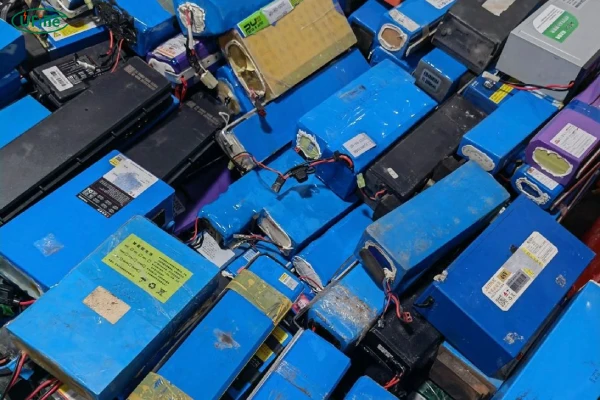
Buying used lithium batteries can be a good option, but there are many risks involved, including the potential for scams or buying substandard products. Here’s how you can avoid getting trapped:
-
Know the Seller: Always purchase from trusted suppliers or authorized dealers. Look for sellers who offer a warranty and can provide documentation on the battery’s previous use and cycle count.
-
Ask About the Battery’s History: When buying a used battery, ask the seller for details about its age, how many charge cycles it has gone through, and if it’s been refurbished or tested. Transparency is key to ensuring you’re making a safe purchase.
-
Check the Price: Be cautious of prices that seem too low. If the price of the used lithium battery is significantly cheaper than new models, the seller may be trying to offload a faulty product.
-
Test Before Purchase: If possible, test the battery before buying it. Check its charge time, capacity, and overall performance to ensure it’s still functional.
Part 6. How to judge whether my battery is a used lithium battery?
If you suspect that you’ve purchased a used lithium battery without knowing, here are a few signs to look for:
-
Appearance: Examine the battery for any physical damage, such as dents, swelling, or cracks. These could be signs that the battery has been heavily used or improperly stored.
-
Battery Life: If your battery drains unusually fast or takes much longer to charge, this could indicate that the battery is used or nearing the end of its lifespan.
-
Cycle Count: Many modern devices and battery management systems allow you to check the cycle count of a battery, which tells you how many times it’s been fully charged and discharged. A high cycle count generally means the battery has been used for a significant period.
Part 7. How to test a used lithium battery
Buying a used lithium battery without testing its condition can be risky because appearance alone does not reveal the actual health of the battery.
A battery may show the correct voltage but still have:
- Reduced capacity
- High internal resistance
- Short runtime
- Poor charging efficiency
- Increased heat generation
Professional battery evaluation usually includes several tests to determine the actual condition of the cell.
Battery testing methods
| Test method | What it measures | Why it matters |
|---|---|---|
| Voltage test | Current electrical potential | Helps identify over-discharge or abnormal conditions |
| Capacity test | Remaining energy storage capability | Shows how much capacity the battery can still provide |
| Internal resistance test | Battery aging and power performance | Higher resistance usually indicates degradation |
| Charge and discharge test | Real operating performance | Verifies actual behavior under load |
| Physical inspection | Swelling, damage, leakage, corrosion | Helps identify visible safety risks |
Check the voltage
Voltage testing is one of the simplest ways to evaluate a used lithium battery, but it should not be the only test.
A lithium-ion battery with a normal voltage reading may still have serious degradation inside. For example, a 3.7V lithium-ion cell may show normal voltage while its actual capacity has dropped significantly.
Measure remaining capacity
Capacity testing is one of the most important steps when evaluating used lithium cells.
A battery originally rated at 3000mAh may only provide:
- 2500mAh after moderate use
- 1800mAh after heavy cycling
- Even less after improper storage or overheating
The remaining capacity directly affects runtime and application performance.
Check internal resistance
Internal resistance increases as lithium batteries age.
Higher internal resistance can cause:
- Faster voltage drop during discharge
- Lower power output
- More heat generation
- Reduced efficiency
For applications requiring high discharge current, such as power tools, drones, and industrial equipment, internal resistance is especially important.
Evaluate battery health using SOH
Battery engineers often use State of Health (SOH) to describe the remaining condition of a battery.
SOH considers factors including:
- Remaining capacity
- Internal resistance
- Cycle history
- Charge and discharge performance
A battery with 80% SOH does not always perform like a new battery because its power capability and aging characteristics may already be different.
Part 8. Buying checklist for used lithium batteries
If you are considering buying used lithium batteries for sale, do not evaluate them based only on price.
Use this checklist before purchasing:
Battery specifications
- Confirm the battery chemistry.
- Check the nominal voltage.
- Confirm the original rated capacity.
- Verify the physical dimensions.
- Check the maximum charging voltage.
Battery history
- Ask about the original application.
- Check the approximate cycle count.
- Ask how the batteries were stored.
- Determine whether they experienced high temperatures.
- Find out whether they were deeply discharged.
Battery condition
- Inspect the battery for swelling.
- Check for physical damage.
- Measure the voltage.
- Test the actual capacity.
- Measure internal resistance.
- Check charge and discharge behavior.
Application requirements
- Determine the required operating current.
- Estimate the required runtime.
- Check the charging method.
- Verify BMS compatibility.
- Consider certification requirements.
Most importantly, do not assume that a low purchase price means a lower total cost.
A used battery that provides only 60% of its original capacity or fails prematurely may cost more over its useful life than a new battery.
Part 9. FAQs
1. How can I tell if a lithium battery has been used before?
A used lithium battery may show signs such as reduced capacity, scratches, worn labels, inconsistent voltage readings, or previous installation marks. However, appearance alone cannot confirm battery history. Professional capacity and resistance testing are more reliable ways to determine whether a battery has been previously used.
2. Do used lithium batteries lose charging speed?
Yes. As lithium batteries age, internal resistance usually increases, which can affect charging efficiency. A used battery may take longer to charge, generate more heat during charging, or fail to reach its original full capacity.
3. Can a used lithium battery damage my device?
A degraded or unsuitable used lithium battery may affect device performance. Problems such as unstable voltage output, insufficient discharge current, or unexpected shutdowns can impact the operation of electronic devices, especially products with strict power requirements.
4. Can used lithium batteries be mixed with new battery cells?
Mixing used and new lithium cells in the same battery pack is generally not recommended. Differences in capacity, internal resistance, and aging level can cause cell imbalance, reducing performance and potentially creating safety concerns.
Related Tags:

More Articles

How Device Sleep Modes Affect Battery Life
Think sleep mode extends battery life? Learn why devices still drain power and how firmware, hardware, and batteries affect runtime.
LiPo Battery and PCB Design: Clearance, Insulation, and Placement
Learn how to optimize LiPo battery PCB clearance, insulation, placement, wiring, and thermal design—and avoid common integration mistakes.
Battery Calibration: Why Is Your Battery % Wrong?
Is your battery percentage inaccurate? Learn how battery calibration works, when you need it, and how to fix unexpected battery drops.
Battery Calibration Guide: Fix SOC Errors in Lithium Systems
SOC accuracy problems can reduce device reliability. Learn how battery calibration, BMS, and fuel gauge optimization improve lithium battery performance.


