- Key takeaways
- Part 1. What is a high capacity battery?
- Part 2. How to choose a high capacity lithium battery
- Part 3. Top 10 high capacity batteries compared
- Part 4. LiFePO4 vs lithium-ion high capacity battery comparison
- Part 5. High capacity battery application matrix
- Part 6. High capacity battery FAQs
A high capacity battery provides longer runtime and greater energy storage for portable electronics, backup systems, solar storage, and industrial equipment.
This guide compares 10 high capacity batteries and explains how to choose the best large capacity battery based on battery chemistry, capacity, cycle life, and application needs.
Disclosure: Ufine Battery is our company. Products are included based on battery capacity, chemistry options, engineering capability, discharge performance, and application suitability. Competing products are included to provide broader market comparison.
Key takeaways
- High capacity batteries store more electrical energy than standard batteries, enabling longer device runtime.
- Battery capacity is measured in mAh, Ah, or Wh — Wh is the most practical measurement for comparing total stored energy.
- LiFePO4 batteries offer longer cycle life and better thermal stability, while lithium-ion batteries provide higher energy density.
- Industrial high capacity batteries (like 24V 200Ah LiFePO4) deliver substantially more usable energy than portable consumer battery packs.
- Choosing the right battery depends on application requirements, not just capacity numbers.
- BMS protection is critical for safety in all high capacity lithium battery systems.
Part 1. What is a high capacity battery?
A high capacity battery stores more electrical energy than standard batteries, allowing devices or systems to operate longer before recharging.
Battery capacity is commonly measured using:
- mAh (milliamp-hours) — commonly used for portable electronics and power banks
- Ah (amp-hours) — commonly used for larger lithium battery systems
- Wh (watt-hours) — the most practical measurement because it represents total stored energy
For example:
- 20,000mAh power bank ≈ 74Wh
- 30,000mAh battery pack ≈ 111Wh
- 24V 200Ah LiFePO4 battery = 4,800Wh
This is why industrial lithium batteries often deliver substantially more usable energy than portable battery packs.
Part 2. How to choose a high capacity lithium battery
Choosing the best high capacity lithium battery depends on more than capacity alone.
| Factor | Why It Matters |
|---|---|
| Battery Capacity | Higher Ah or Wh generally provides longer runtime |
| Battery Chemistry | LiFePO4 offers longer cycle life while lithium-ion often provides higher energy density |
| Discharge Rate | Important for motors, power tools, backup systems, and high-load equipment |
| Cycle Life | Determines long-term battery durability |
| Charging Speed | Reduces downtime |
| Weight and Size | Critical for portable applications |
| Safety System | BMS protection prevents overcharge, over-discharge, and overheating |
Part 3. Top 10 high capacity batteries compared
| Battery | Battery Type | Capacity | Energy | Best For |
|---|---|---|---|---|
| Ufine 24V 200Ah LiFePO4 | LiFePO4 | 200Ah | 4800Wh | Solar storage, industrial backup |
| Anker PowerCore 26800 | Lithium-ion | 26800mAh | ~99Wh | Travel electronics |
| RAVPower 20100 | Lithium-ion | 20100mAh | ~74Wh | Laptops and phones |
| Jackery SuperCharge 26800 | Lithium-ion | 26800mAh | ~99Wh | Outdoor charging |
| Mophie Powerstation AC | Lithium-ion | 27000mAh | ~100Wh | Portable AC backup |
| INIU 20000 | Lithium-ion | 20000mAh | ~74Wh | Portable charging |
| Zendure SuperTank | Lithium-ion | 26800mAh | ~99Wh | USB-C laptops |
| Aukey 30000 | Lithium-ion | 30000mAh | ~111Wh | Long travel backup |
| EasyAcc 20000 | Lithium-ion | 20000mAh | ~74Wh | Daily portable use |
| Samsung EB-P4520 | Lithium-ion | 20000mAh | ~74Wh | Fast charging devices |
1. Ufine 24v 200ah lifepo4 battery
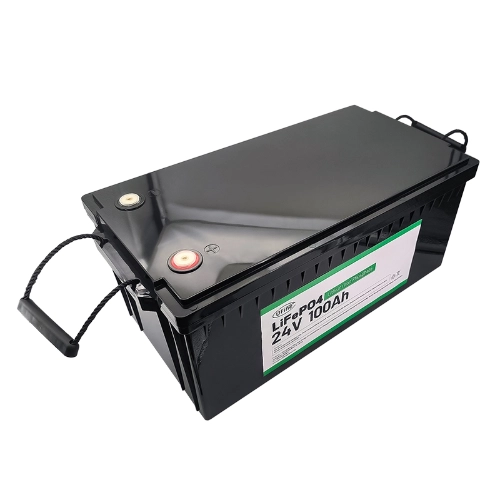
Best for: Solar storage, industrial systems, backup power, AGV equipment
The Ufine 24V 200Ah LiFePO4 battery targets applications requiring extremely large energy storage rather than portable charging. With 4800Wh total energy capacity, it delivers significantly more stored energy than standard consumer battery packs.
Specifications
- Battery Chemistry: LiFePO4
- Nominal Voltage: 24V
- Capacity: 200Ah
- Total Energy: 4800Wh
- Cycle Life: 2000+ cycles (80% capacity retention)
- Charge Voltage: 29.2V
- BMS Protection: Overcharge, over-discharge, short circuit protection
Advantages
- Very large energy storage capability
- Long cycle life compared with standard lithium-ion batteries
- Stable LiFePO4 thermal chemistry
- Suitable for custom industrial integration
Limitations
- Larger size than portable battery packs
- Primarily intended for energy systems rather than consumer electronics
2. Anker powercore 26800
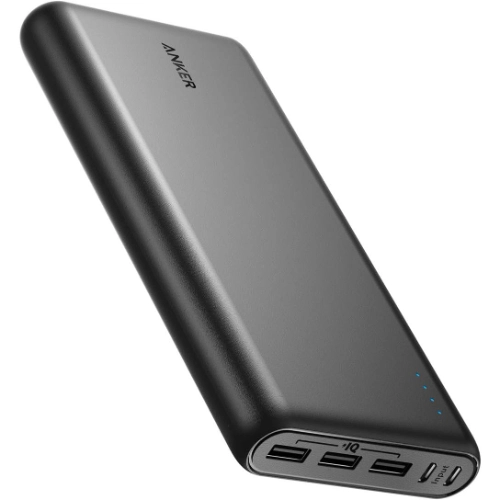
Best for: Smartphones, tablets, travel charging
The Anker PowerCore 26800 remains a popular high capacity battery pack for users needing multiple device charging during travel or extended daily use.
Specifications
- Battery Type: Lithium-ion
- Capacity: 26800mAh
- Estimated Energy: ~99Wh
- Output Ports: 3 USB-A
- Recharge Support: Dual input charging
Advantages
- High portable energy density
- Multiple device charging
- Travel-friendly size
Limitations
- No Quick Charge support
- Lower total energy than industrial lithium systems
3. Jackery supercharge 26800
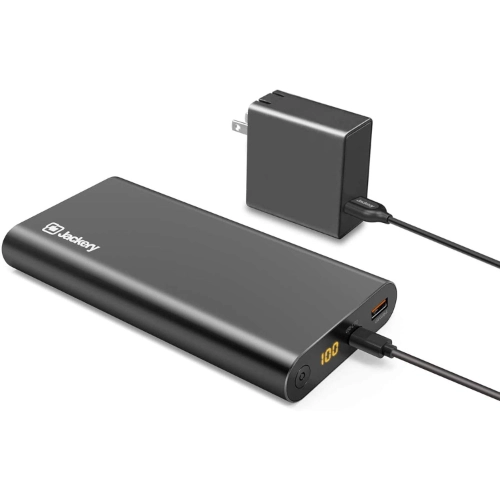
Best for: Outdoor users and laptop charging
The Jackery SuperCharge 26800 combines portable battery capacity with USB-C fast charging capability suitable for users carrying higher power devices.
- Battery Chemistry: Lithium-ion
- Capacity: 26800mAh
- USB-C Output: 45W
- Estimated Energy: ~99Wh
- Protection: Over-voltage protection
Advantages
- Supports laptop charging
- Portable form factor
- High capacity for outdoor applications
Limitations
- Bulkier than compact power banks
- Limited energy storage compared with LiFePO4 systems
4. Mophie powerstation ac
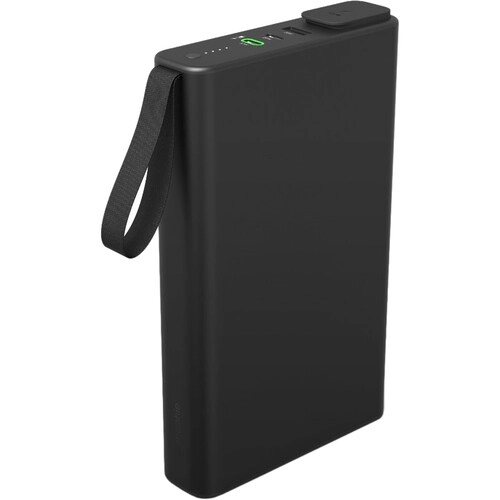
Best for: Portable AC-powered devices
Mophie Powerstation AC targets users requiring portable AC output combined with large battery backup capability.
- Capacity: 27000mAh
- Estimated Energy: ~100Wh
- AC Output: 100W
- USB-C Output: 60W
Advantages
- Supports AC devices
- Multiple charging outputs
- High charging flexibility
Limitations
- Heavier than smaller portable batteries
- Longer recharge time
5. Zendure supertank
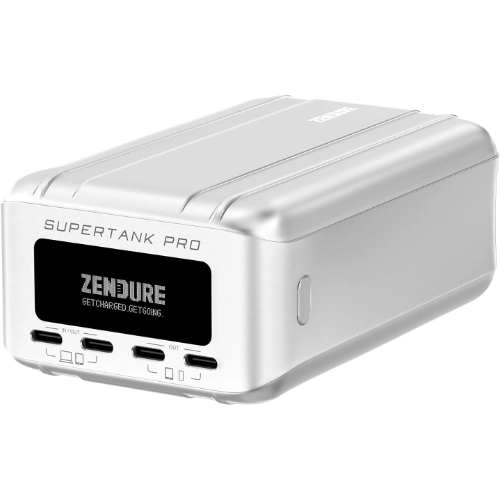
Best for: USB-C laptops and professional mobile setups
- Capacity: 26800mAh
- Maximum Output: 100W
- Battery Type: Lithium-ion
- Ports: 4 USB-C + 1 USB-A
Advantages
- 100W laptop charging
- OLED monitoring display
- Supports multiple devices
Limitations
- Heavier than entry-level portable batteries
- Premium pricing
6. RAVPower 20100
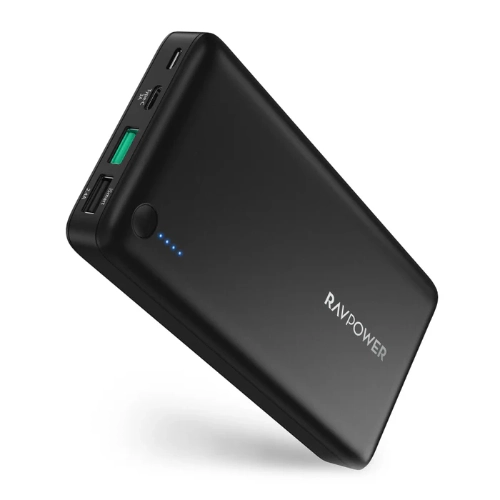
Best for: Mobile professionals and USB-C charging
- Capacity: 20100mAh
- USB-C Output: 3A
- Quick Charge Support
- Estimated Energy: ~74Wh
Advantages
- Fast charging capability
- USB-C laptop compatibility
- Built-in safety protection
Limitations
- Lower capacity than larger battery packs
- Heavier than compact chargers
7. Aukey 30000
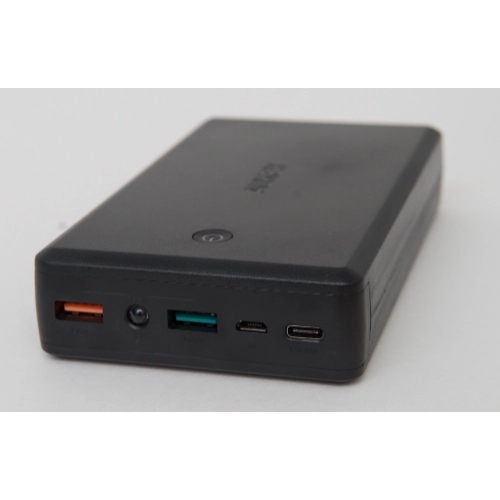
Best for: Long travel backup power and multi-device charging
The Aukey 30000 offers one of the larger portable battery capacities commonly available for travel users. With approximately 111Wh of energy storage, it can support multiple smartphone charges and extended portable use.
Specifications
- Battery Type: Lithium-ion
- Capacity: 30000mAh
- Estimated Energy: ~111Wh
- USB-C Support: Yes
- Ports: USB-C + USB-A
Advantages
- Larger portable capacity than many standard power banks
- Supports multiple charging standards
- Suitable for extended travel scenarios
Limitations
- Heavier than smaller battery packs
- Portability decreases as capacity increases
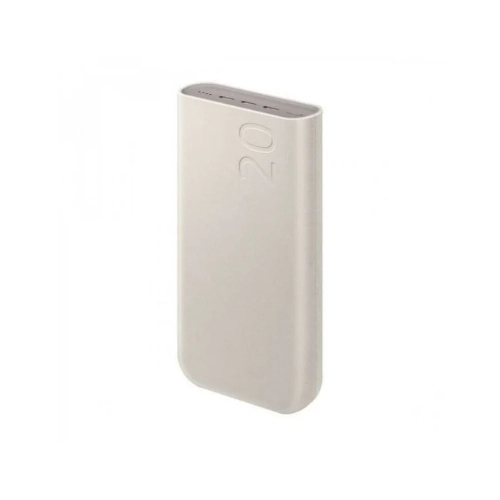
8. Samsung eb-p4520 battery pack
Best for: Fast charging smartphones and USB-C devices
Samsung’s EB-P4520 focuses on balancing portability with fast charging capability, making it suitable for daily mobile users.
Specifications
- Battery Chemistry: Lithium-ion
- Capacity: 20000mAh
- Maximum Output: 45W
- USB-C Ports: Dual USB-C
- Wireless Charging: Supported
Advantages
- Fast charging support
- Compact design
- Good ecosystem compatibility
Limitations
- Lower total energy than larger battery systems
- Less suitable for industrial applications
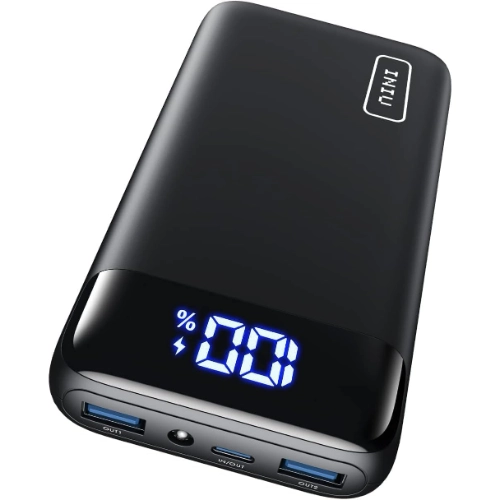
9. INIU 20000
Best for: Daily portable charging and travel use
The INIU 20000 emphasizes portability while maintaining high-capacity battery performance for smartphones, earbuds, and portable electronics.
Specifications
- Capacity: 20000mAh
- Maximum Output: 22.5W
- Battery Type: Lithium-ion
- Additional Features: LED indicator and flashlight
Advantages
- Compact design
- Travel friendly
- Broad device compatibility
Limitations
- Lower output capability than larger battery systems
- Runtime varies depending on device power draw
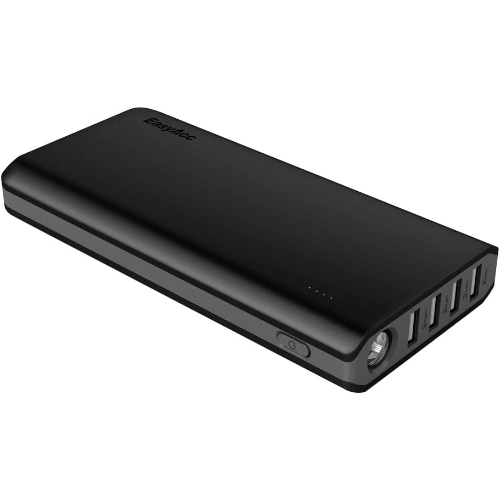
10. EasyAcc 20000
Best for: General portable charging applications
The EasyAcc 20000 provides balanced portable battery backup capability for users requiring reliable daily charging support.
Specifications
- Battery Chemistry: Lithium-ion
- Capacity: 20000mAh
- Maximum Output: 4.8A Smart Output
- Recharge Input: 4A
Advantages
- Reliable charging capability
- Smart charging management
- Portable design
Limitations
- Less energy storage than industrial lithium batteries
- Limited expansion capability
Part 4. LiFePO4 vs lithium-ion high capacity battery comparison
Battery chemistry significantly affects how a high capacity battery performs. Lithium-ion batteries and LiFePO4 batteries dominate today’s market, but they serve different needs.
| Factor | LiFePO4 Battery | Lithium-Ion Battery |
|---|---|---|
| Energy Density | Moderate | Higher |
| Cycle Life | 2000–6000+ cycles | 500–1000 cycles |
| Thermal Stability | Excellent | Good |
| Weight | Heavier | Lighter |
| Best Applications | Solar storage, backup systems, industrial equipment | Phones, laptops, portable power banks |
| Large Capacity Scaling | Excellent | Moderate |
For industrial systems requiring very large capacity battery configurations, LiFePO4 often becomes the preferred chemistry due to cycle life and safety advantages.
Part 5. High capacity battery application matrix
| Application | Recommended Battery Type | Typical Capacity Range |
|---|---|---|
| Smartphones | Lithium-ion Power Bank | 10000–30000mAh |
| Tablets and Laptops | High Capacity Lithium-ion Battery | 20000–30000mAh |
| Camping Backup | Portable Battery Pack | 20000–30000mAh |
| Solar Energy Storage | LiFePO4 Battery | 100Ah–300Ah |
| AGV Equipment | Custom Lithium Battery | Application dependent |
| Industrial Backup Systems | LiFePO4 Battery | 50Ah–400Ah |
Part 6. High capacity battery FAQs
What battery has the highest capacity?
Large LiFePO4 battery systems and industrial lithium batteries provide some of today’s highest energy capacities.
What is considered a high capacity battery?
Portable batteries above 20000mAh and industrial batteries above 50Ah are commonly considered high capacity.
What is the largest battery type available today?
Grid-scale lithium battery systems are among today’s largest battery technologies.
What is the difference between a high capacity lithium-ion battery and LiFePO4 battery?
Lithium-ion batteries offer higher energy density, while LiFePO4 batteries provide longer cycle life and better thermal stability.
How do I choose the best large capacity battery?
Compare battery capacity, chemistry, cycle life, charging speed, and application requirements.
Related Tags:

More Articles

JST vs Molex: The Right Battery Connector Choice
JST or Molex for your battery? Learn how connector selection affects current, voltage drop, reliability, and device performance.
Custom Battery Pricing: Costs Manufacturers Don’t Mention
A low battery quote may not be the final cost. Discover common hidden expenses that affect custom lithium battery projects.
Battery Wire Length: Hidden Cause of Power Loss
A longer battery wire can cause voltage drop, power loss, and unstable operation. Learn how wire length affects battery performance.
How Device Sleep Modes Affect Battery Life
Think sleep mode extends battery life? Learn why devices still drain power and how firmware, hardware, and batteries affect runtime.
LiPo Battery and PCB Design: Clearance, Insulation, and Placement
Learn how to optimize LiPo battery PCB clearance, insulation, placement, wiring, and thermal design—and avoid common integration mistakes.