- Key Takeaways
- Part 1. What is a waterproof battery?
- Part 2. Lithium battery waterproof Standards and ratings
- Part 3. Are all lithium batteries waterproof?
- Part 4. What happens if a lithium battery gets wet?
- Part 5. Can I charge a wet lithium battery?
- Part 6. How should batteries be used safely in a wet environment?
- Part 7. Real-Life scenarios and protection tips
- Part 8. What to do if your battery gets wet
- Part 9. Common misconceptions and safety alerts
- Part 10. Maintenance and longevity tips
- Part 11. FAQs
Are lithium batteries waterproof? Water and electronics don’t mix, and batteries are particularly sensitive. This guide will walk you through waterproof batteries, whether lithium batteries can handle water, what happens if they get wet, and how to protect and maintain them safely.
By the end, you’ll know how to make sure your batteries survive wet environments without compromising safety or performance.
Key Takeaways
- Most lithium batteries are not waterproof; only specialized designs can resist water.
- Water exposure can cause short circuits, corrosion, swelling, or even fire/explosion.
- Understanding IP ratings and waterproof standards helps you make informed purchasing decisions.
- Immediate and proper action is crucial if a battery gets wet.
Part 1. What is a waterproof battery?

A waterproof battery is designed to prevent water from entering its internal components. Manufacturers achieve this through sealed casings, gaskets, and protective coatings. These batteries are typically used in devices that are exposed to wet conditions, including:
- Marine electronics and boats
- Outdoor devices like cameras, GPS units, and headlamps
- Wearable tech for sports and adventure activities
| Feature | Benefit |
|---|---|
| Sealed casing | Protects sensitive electronics from water |
| Special coatings | Prevents corrosion from moisture |
| IP-rated testing | Ensures the battery can withstand water exposure |
Pro Tip: Not all lithium batteries are waterproof, and there’s a difference between “water-resistant” and “waterproof.” Knowing this helps you avoid costly mistakes.
To keep your batteries performing at their best, you can also check out our guide on how to clean and prevent battery corrosion for step-by-step tips.
Part 2. Lithium battery waterproof Standards and ratings
Understanding IP (Ingress Protection) ratings is essential if you want batteries that can handle wet environments:
| IP Rating | Protection Level | Typical Usage |
|---|---|---|
| IP67 | Water-resistant up to 1 meter for 30 min | Outdoor devices, wearable tech |
| IP68 | Waterproof under immersion beyond 1 meter | Diving equipment, marine batteries |
These ratings are standardized by IEC – International Electrotechnical Commission (nofollow) and are the best way to verify if a battery can truly resist water.
Part 3. Are all lithium batteries waterproof?
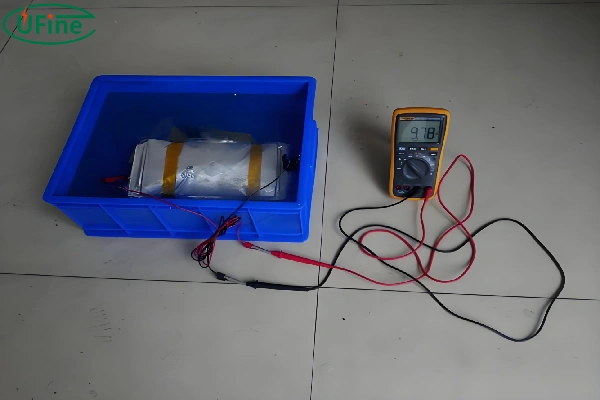
No. Most standard lithium batteries are not built to withstand water. They lack the protective seals and coatings needed to keep moisture out.
However, specialized waterproof lithium batteries are available for high-risk applications. These batteries are rigorously tested to ensure both performance and safety under wet conditions.
Not all lithium batteries are created equal when it comes to handling water. Understanding the differences can help you choose the right battery for your device and environment. Here’s a simple comparison:
| Battery Type | Water Resistance Level | Best Use Cases |
|---|---|---|
| Standard Li-ion | None | Everyday electronics like laptops or power banks. Must be kept dry. |
| Lithium-Polymer (LiPo) | Moderate | Drones, RC vehicles, and portable electronics. Usually sealed, offering some protection against splashes. |
| Specialized Waterproof Li-ion | High (IP67/IP68) | Marine equipment, outdoor adventure gear, and devices frequently exposed to water. Tested to withstand immersion. |
Quick Tip: If you need a battery for wet or humid environments, always check the IP rating. Higher IP numbers mean better protection—IP67 or IP68 are the most reliable for real water exposure.
Part 4. What happens if a lithium battery gets wet?
Water exposure can have serious consequences. Here’s what might happen:
| Risk | Explanation |
|---|---|
| Short Circuit | Water creates a path between terminals, leading to device failure or battery damage. |
| Corrosion | Moisture eats away internal components, reducing lifespan and efficiency. |
| Swelling or Leakage | Indicates internal damage and potential exposure to toxic chemicals. |
| Fire or Explosion | Extreme cases can cause thermal runaway, leading to fire or explosions. |
Even minor exposure can trigger these risks, highlighting the importance of proper handling and protection.
Part 5. Can I charge a wet lithium battery?
You should never charge a wet lithium battery. Charging a wet battery can be extremely dangerous. The presence of water increases the risk of a short circuit, overheating, or even fire and explosion.
Before you even think about charging, ensure the battery is completely dry and thoroughly inspected for any signs of damage. If you have any doubts about its condition, it’s safer to replace the battery rather than risk using it.
Part 6. How should batteries be used safely in a wet environment?

Using lithium batteries in wet environments requires extra caution. Here are some methods to ensure their safe usage:
- Use Waterproof Enclosures: Invest in high-quality waterproof or water-resistant enclosures for your devices. These enclosures help keep moisture away from the battery and other sensitive components.
- Avoid Direct Exposure: Try to minimize direct exposure to humid conditions. For instance, store your devices in dry places when not in use and avoid leaving them in damp environments.
- Regular Maintenance: Regularly check the integrity of your battery enclosures and seals. Replace any worn-out or damaged seals promptly to maintain the waterproofing effectiveness.
- Control Environment: If possible, use dehumidifiers in storage areas to control the humidity levels. Keeping the environment dry helps prevent moisture buildup around your batteries.
- Monitor Battery Health: Frequently inspect your batteries for any signs of moisture damage, such as swelling, corrosion, or leakage. If you notice any issues, take immediate action to prevent further damage.
- Use Silica Gel Packs: Place silica gel packs in storage cases or areas where batteries are kept. These packs absorb excess moisture and help maintain a dry environment.
- Educate Users: Ensure that anyone using the batteries understands the importance of keeping them dry and following proper handling procedures in humid conditions.
By adopting these practices, you can significantly reduce the risk of moisture-related damage and ensure the safe and efficient operation of your lithium batteries, even in humid environments.
Part 7. Real-Life scenarios and protection tips
You might use lithium batteries in all kinds of situations. Here’s how to protect them:
Outdoor Adventure: Rainy hikes or kayaking—store batteries in waterproof pouches or cases.
Electronics like drones or cameras: Avoid sudden immersion; consider IP-rated housings.
Electric tools or e-bikes: Prevent water entry at terminals; inspect seals regularly.
Practical Tips for Everyday Protection:
- Use waterproof cases or pouches
- Seal connections with silicone or waterproof connectors
- Store batteries in cool, dry environments
- Use silica gel packs to absorb ambient moisture
A little precaution goes a long way in extending battery life.
Part 8. What to do if your battery gets wet
If your battery accidentally contacts water, act fast:
- Turn off the device immediately
- Remove the battery carefully
- Dry it gently with a soft cloth; avoid heat sources
- Inspect for swelling, corrosion, or leakage
- Test battery health with a multimeter or battery tester
- Dispose safely if damaged, following local hazardous waste rules
Never charge a wet battery. Charging a battery with moisture inside can trigger short circuits or fire.
Part 9. Common misconceptions and safety alerts
- “All lithium batteries are waterproof” – False! Only specialized batteries have waterproof features.
- “Surface dryness means it’s safe to charge” – False! Internal moisture may remain even if the exterior seems dry.
- DIY waterproofing – Avoid opening or modifying high-voltage batteries; this is extremely dangerous.
Including these tips protects both your device and yourself from potential hazards.
Part 10. Maintenance and longevity tips
Even waterproof batteries need care:
- Clean terminals regularly to prevent corrosion
- Avoid simultaneous high heat and humidity
- Use original waterproof accessories instead of DIY solutions
- Check seals and enclosures periodically
- Rotate and cycle batteries to prevent performance degradation
By combining prevention with smart usage, you can significantly extend battery lifespan.
Part 11. FAQs
Do battery-powered outdoor lights need waterproof batteries?
Yes, especially if they are exposed to rain or sprinklers. Waterproof batteries ensure longevity and prevent frequent replacements.
Are lithium-polymer (LiPo) batteries more water-resistant than standard lithium-ion?
LiPo batteries are often enclosed in flexible pouches that provide some water resistance, but they are not fully waterproof unless specifically rated.
Can condensation inside devices damage batteries?
Absolutely. Even if the battery isn’t submerged, condensation from humidity or sudden temperature changes can cause corrosion and reduce battery life.
How long can a waterproof battery stay submerged safely?
It depends on its IP rating. For example, IP67 can handle 1-meter submersion for 30 minutes, while IP68 can handle longer durations—always check manufacturer specs.
Are there any safety certifications to look for in waterproof batteries?
Look for UL, CE, or IEC IP ratings. These indicate the battery has passed rigorous water-resistance and safety tests.
Related Tags:

More Articles
Dead Battery or Device Failure? How to Find the Cause
Think your device is broken? Learn how to tell if the problem comes from battery aging or hardware failure before replacing your electronics.
Why iPhone Duo Uses Two Batteries: The Engineering Behind Foldable Phone Power
Why do foldable phones need two batteries? Explore the engineering challenges behind iPhone Duo’s dual-battery architecture and future battery trends.
Solid-State Batteries: 3 Myths You Need to Know
Solid-state batteries promise safer EVs and longer range, but the reality is more complex. Discover the challenges behind this next-gen technology.
Battery Capacity vs Discharge Rate: The Choice Engineers Face
Higher capacity or higher discharge rate? Learn how to choose the right LiPo battery for longer runtime, stable power output, and better device performance.
Battery Cable Size Guide: Choose the Right Wire Fast
Not sure what battery cable size you need? Learn how to select the right wire gauge, terminal size, and cable for safer, more efficient battery systems.