
- Key Takeaways
- Part 1. What makes the best lithium cells?
- Part 2. Lithium cell types — quick overview
- Part 3. Understanding battery configuration
- Part 4. Top 5 3.7V lithium ion cell manufacturers
- Part 4. Why chemistry & manufacturer matter
- Part 5. Practical tips before you buy
- Part 6. Conclusion
- Part 7. FAQs
Key Takeaways
- Not all lithium-ion cells are created equal — chemistry, quality control, and manufacturer matter.
- The “best lithium cells” aren’t always the most expensive — match your application to the right type.
- Understanding how many cells are in a 3.7V lithium ion battery helps with capacity, safety, and real-world performance.
- Choosing the right lithium pouch cell supplier or manufacturer can make or break your product’s reliability.
Whether you’re building an EV pack, a drone, or a portable device, choosing the right 3.7V lithium-ion cell is crucial. Many people search for terms like “best lithium cells”, “lithium pouch cell supplier”, or “lithium-ion cell manufacturers”, but finding the right combination of performance, reliability, and safety can be tricky.
In this guide, you’ll learn not only about cell types and configurations but also about the top manufacturers that dominate the market and why they are trusted globally.
Part 1. What makes the best lithium cells?
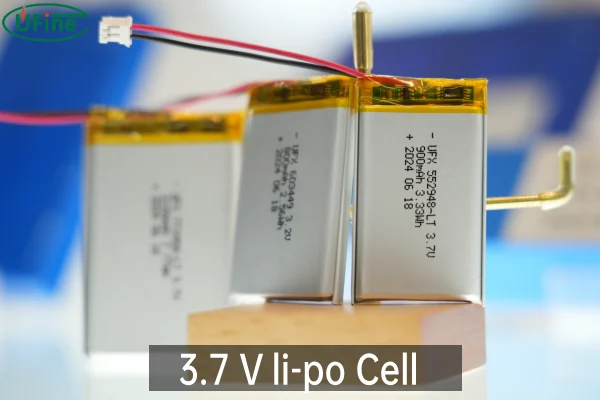
When it comes to 3.7V lithium-ion cells, “best” is not just about brand reputation. It’s about:
- Longevity – How many charge/discharge cycles the cell can endure.
- Safety – Built-in protections, thermal stability, and certifications.
- Performance – Energy density, discharge rates, and environmental adaptability.
A cell that’s ideal for drones might not be the best choice for EV battery packs, which is why manufacturer expertise is so important.
Part 2. Lithium cell types — quick overview
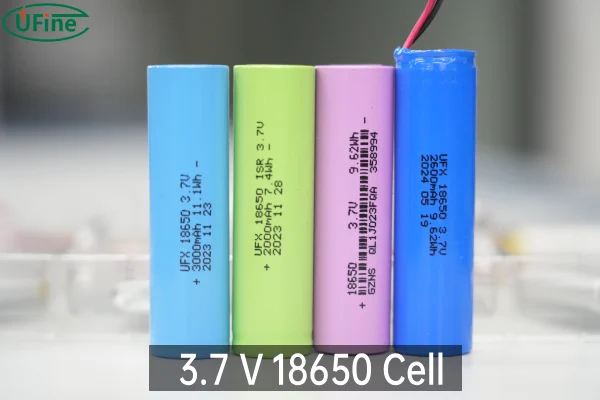
Understanding cell formats helps you make smarter choices:
| Cell Type | Best For | Typical Voltage | Pros | Cons |
|---|---|---|---|---|
| Cylindrical (18650, 21700) | EVs, power tools | 3.6–3.7V | Proven durability, easy replacement | Bulkier for compact devices |
| Prismatic | EV packs, ESS | 3.6–3.7V | Compact, scalable | Assembly complexity |
| Pouch Cells | Drones, portable electronics | 3.7V | Lightweight, flexible design | Must be precisely manufactured |
Notice how pouch cells often appear in lightweight applications, which is why searches for “lithium pouch cell supplier” are growing.
Learn the differences between cylindrical, prismatic, and pouch cells in our detailed guide.
Part 3. Understanding battery configuration
One common question is:
“How many cells are in a 3.7V lithium-ion battery?”
- A single lithium-ion cell has a nominal voltage of 3.7V.
- Larger packs combine cells in series (to increase voltage) or parallel (to increase capacity).
| Configuration | Voltage / Capacity |
|---|---|
| 1S (Single Cell) | 3.7V |
| 2S (Two in Series) | 7.4V |
| 3S | 11.1V |
| Parallel arrangements | Higher mAh / longer runtime |
Knowing this helps when designing packs or evaluating performance for specific applications.
Part 4. Top 5 3.7V lithium ion cell manufacturers
Let’s explore the leading suppliers who are shaping the global lithium-ion market.
1 Samsung SDI – Global Energy & EV Battery Leader
Samsung SDI Co., Ltd. is one of the most established and respected battery manufacturers in the world, headquartered in Yongin, South Korea. Founded in 1970, the company has grown into a major multinational firm with a global footprint — operating multiple plants in South Korea, Hungary, China, Malaysia, and the United States.
Unlike small cell makers, Samsung SDI produces advanced rechargeable lithium‑ion cells used across:
- Electric vehicles (EV battery packs)
- Portable electronics
- Large‑scale energy storage systems (ESS)
- Power tools and industrial applications
Samsung SDI’s products regularly meet stringent international safety and quality standards like IEC and UN 38.3, and the company actively invests in next‑generation technologies, including silicon‑anode enhancements and early-stage solid‑state batteries.
Why Samsung SDI stands out:
- Massive global manufacturing and supply chain presence
- Partnerships with major OEMs (e.g., BMW, Stellantis, Hyundai)
- High energy density with stable performance across thousands of cycles
- R&D leadership across battery chemistry and materials science
2 Duracell – Trusted Consumer Brand
Duracell Inc. is a U.S.‑based battery maker with roots going back a century, originally through the pioneering work of Samuel Ruben and Philip Mallory in the 1920s. The brand became a household name thanks to innovations like alkaline cells and specialty batteries, eventually becoming part of Berkshire Hathaway in 2016.
While Duracell is most famous for copper‑top alkaline batteries, the company also manufactures rechargeable lithium‑ion cells and lithium primary cells for portable electronics. Its batteries are made in several facilities across the U.S. and internationally, combining consumer trust with decades of quality assurance and global distribution.
Key traits of Duracell lithium cells:
- Global supply availability and strong brand recognition
- Long cycle life and low self‑discharge behavior
- Advanced safety features and durable construction
- Backed by rigorous manufacturing and quality systems
Duracell’s long history of innovation and focus on reliable performance make it a solid option when reliability and brand trust matter.
3 Ufine Battery – Customizable Power Solutions

Dongguan Ufine Electronic Technology Co., Ltd., commonly known as Ufine Battery, is based in Shenzhen, China, and specializes in both lithium‑ion and lithium‑polymer cell technologies.
Founded in 2008, Ufine has invested heavily in R&D and quality control, supported by more than 30 battery specialists and an experienced production workforce. Unlike commodity cell makers, Ufine offers custom cell production, flexible capacities (from ~1000 mAh to 6000 mAh+), and multiple form factors such as 18650, 21700, and 26650.
What makes Ufine unique:
- Highly customizable cell configurations and chemistry options
- Balanced performance‑to‑price ratio
- Certifications including UL, KC, UN 38.3, CB, MSDS
- Efficient operation in wide temperature ranges and strong cycle life
This combination makes Ufine a go‑to supplier for OEMs needing something beyond off‑the‑shelf cells, especially in consumer electronics and specialized industrial applications.
4 Grepow – High-Discharge Specialist
Shenzhen Grepow Battery Co., Ltd. has been producing advanced battery solutions since 1998 and is widely recognized for its high‑performance rechargeable cells and modules. Grepow’s core strength lies in its high discharge rate technologies, specialized cell formats, and extensive research capabilities.
Grepow develops batteries not just for ordinary devices but also for demanding use cases like:
- Industrial drones and UAV systems
- RC hobby vehicles
- Wearable electronics and medical equipment
- Customized fuel cell solutions
Their portfolio includes ultra‑high discharge LiPo cells, semi‑solid‑state batteries, and advanced steel‑shell coin cells designed for low internal resistance and long cycle life.
Why Grepow matters:
- 3000+ employees with 300+ R&D engineers
- Hundreds of patents and global tech recognition
- Custom battery solutions across niche and industrial sectors
- Broad geographic service network (Asia, North America, Europe)
5 EPT (Energy Power Technology) – OEM/ODM Expert
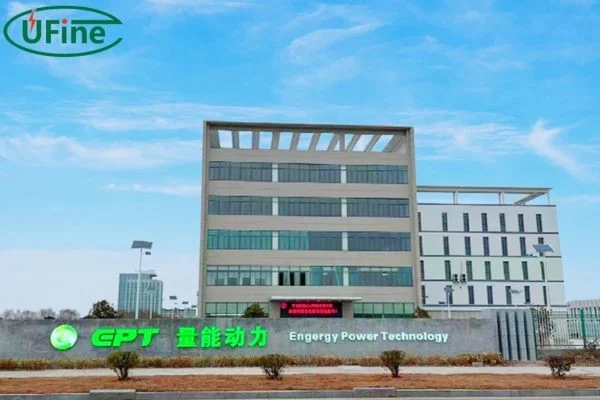
Shenzhen EPT Battery Co., Ltd. is another China‑based manufacturer that excels in both commercial and industrial battery solutions, including NiMH, lithium‑ion, and lithium‑polymer chemistries. Founded in 2001, EPT emphasizes integrated research, production, and quality assurance across its product lines.
EPT’s battery cells and packs comply with international standards like CE, UL, RoHS, and TUV, and the company even invests in product liability insurance to back its quality promise. It also offers OEM/ODM services, making it a flexible partner for brands that need customized battery solutions or private‑label manufacturing.
Strengths of EPT:
- ISO‑certified production facilities with robust QC testing
- Broad battery technology offering beyond just Li‑ion cells
- Strong partnerships with industrial and commercial users
- Competitive pricing with international certification compliance
Part 4. Why chemistry & manufacturer matter
Even two cells with the same nominal voltage may differ significantly due to:
- Cathode chemistry (NMC, LFP, etc.)
- Anode quality and electrolyte formula
- Assembly precision and built-in protections
For example, LFP cells are more stable and longer-lasting, whereas NMC cells provide higher energy density — key for EVs or high-performance devices.
Part 5. Practical tips before you buy
- Match discharge rates to your device’s requirements.
- Evaluate environmental conditions (-20°C to +60°C for consumer devices, -40°C to +85°C for drones).
- Verify certifications: UL, IEC, UN38.3, ISO.
- Assess supplier support for warranties, customization, and datasheets.
Part 6. Conclusion
Selecting the best lithium battery cells is a combination of chemistry knowledge and choosing the right supplier. Companies like Samsung SDI, Ufine Battery, Duracell, Grepow, and EPT provide trusted solutions across consumer, industrial, and EV applications. By understanding cell types, configurations, and certifications, you can make smarter, safer, and more efficient battery decisions.
Part 7. FAQs
1. How does the cycle life of lithium pouch cells compare to cylindrical cells?
Pouch cells often have slightly shorter cycle life than cylindrical cells due to packaging constraints, but their high energy density makes them ideal for compact applications like drones and wearables.
2. What environmental conditions affect lithium battery performance?
Extreme cold or heat can reduce capacity and longevity. Most consumer cells work best between -20°C and 60°C, while high-performance industrial cells may tolerate -40°C to 85°C.
3. How can I tell if a lithium-ion cell is counterfeit?
Watch for inconsistent labeling, missing certifications, unusually low prices, or lack of datasheets. Purchasing from verified suppliers like Samsung SDI, Duracell, or Ufine reduces this risk.
4. Why are high discharge cells needed for drones or RC vehicles?
These devices demand bursts of high current, which standard consumer cells cannot provide efficiently. High-discharge cells maintain voltage stability under rapid load changes.
5. Can lithium-ion cells be recycled safely?
Yes, but it must be done through certified recycling facilities. Lithium, cobalt, and other materials can be recovered, but improper disposal can cause fire or environmental hazards.
6. How do certifications like UL, UN38.3, and IEC affect battery safety?
These certifications indicate that a cell has been tested for electrical, thermal, and transport safety standards. Cells without certification may be more prone to overheating, leakage, or failure.
Related Tags:

More Articles

JST vs Molex: The Right Battery Connector Choice
JST or Molex for your battery? Learn how connector selection affects current, voltage drop, reliability, and device performance.
Custom Battery Pricing: Costs Manufacturers Don’t Mention
A low battery quote may not be the final cost. Discover common hidden expenses that affect custom lithium battery projects.
Battery Wire Length: Hidden Cause of Power Loss
A longer battery wire can cause voltage drop, power loss, and unstable operation. Learn how wire length affects battery performance.
How Device Sleep Modes Affect Battery Life
Think sleep mode extends battery life? Learn why devices still drain power and how firmware, hardware, and batteries affect runtime.
LiPo Battery and PCB Design: Clearance, Insulation, and Placement
Learn how to optimize LiPo battery PCB clearance, insulation, placement, wiring, and thermal design—and avoid common integration mistakes.


