- Part 1. Understanding 3S LiPo voltage and structure
- Part 2. Comparing 2S, 3S, and 4S LiPo batteries
- Part 3. 3S LiPo capacities and applications
- Part 4. How long does a 3S LiPo battery last?
- Part 5. Choosing the right 3S LiPo battery
- Part 6. Best 3S LiPo batteries (2025 recommendations)
- Part 7. Best practices and safety guidelines
- Part 8. Optional custom solutions
- Part 9. FAQs
Part 1. Understanding 3S LiPo voltage and structure
A 3S LiPo battery consists of three individual lithium polymer cells in series. Each cell has a nominal voltage of 3.7V, giving the battery a total nominal voltage of 11.1V. When fully charged, each cell reaches 4.2V, making the total pack voltage 12.6V. Conversely, discharging below 3.3V per cell can permanently damage the battery.
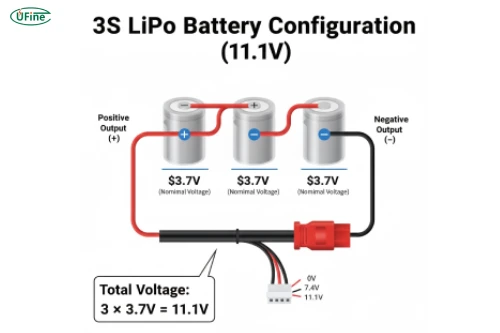
The “S” in 3S refers to the series connection, while the number “3” indicates the number of cells. Adding more cells in series increases voltage, which allows for higher power output and better efficiency in high-draw applications such as FPV drones or motorized vehicles.
Voltage Overview:
| Battery Status | Pack Voltage | Per Cell Voltage |
|---|---|---|
| Fully Charged | 12.6V | 4.2V |
| Nominal | 11.1V | 3.7V |
| Low Voltage | 10.5V | 3.5V |
| Critical | 9.9V | 3.3V |
Monitoring voltage is critical. Some high-end LiPo packs include built-in protective circuitry to prevent overcharge and over-discharge.
Part 2. Comparing 2S, 3S, and 4S LiPo batteries
Choosing the right battery depends on the device’s voltage requirements, weight limits, and power draw:
- 2S (7.4V): Lightweight and compact, ideal for small drones and beginner RC vehicles.
- 3S (11.1V): Offers a good balance of power, weight, and runtime, suitable for medium-sized drones, RC planes, and robotics.
- 4S (14.8V): High-voltage output for racing drones, heavy FPV quads, and industrial devices; requires compatible ESCs and motors.
| Battery | Voltage | Weight | Power Output | Best For |
|---|---|---|---|---|
| 2S | 7.4V | Light | Low | Small drones / beginner RC cars |
| 3S (Most Popular) | 11.1V | Medium | High | FPV quads, RC planes, robotics |
| 4S | 14.8V | Heavy | Very High | Racing drones / powerful jets |
The 3S configuration is widely favored because it delivers strong thrust and moderate weight, making it the most versatile option for many applications.
Part 3. 3S LiPo capacities and applications
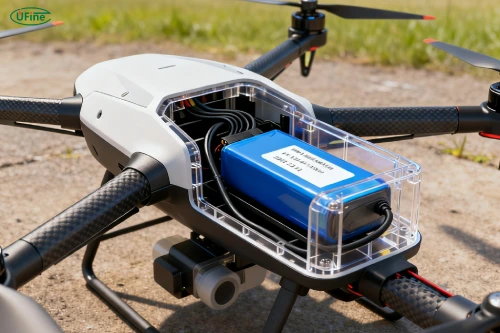
Capacity, measured in milliampere-hours (mAh), directly affects runtime and weight. Selecting the correct capacity depends on your device’s energy consumption and flight or operation time requirements.
| Capacity | Typical Applications | Advantages |
|---|---|---|
| 1200–1500mAh | FPV micro drones, small RC vehicles | Lightweight, fast acceleration |
| 2200–3000mAh | RC planes, UAVs | Balanced flight time and weight |
| 3500–4000mAh | Industrial robots, professional equipment | Extended operational time |
| 5000mAh+ | Large drones, filming drones | Maximum runtime for high-consumption applications |
Higher-capacity batteries provide longer runtime but increase weight, which can affect performance in aerial applications. Choosing the right balance between capacity and device requirements is key.
Part 4. How long does a 3S LiPo battery last?
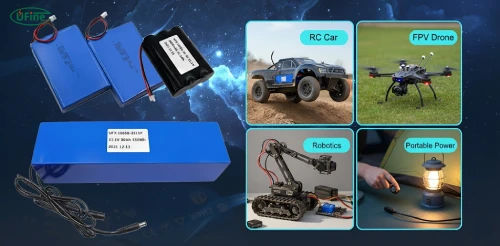
Battery runtime depends on capacity (mAh), discharge rate (C-rating), and the device’s power consumption. A simple approximation:
Runtime (hours) = Battery Capacity (mAh) ÷ Device Load (mA)
Example for a 5000mAh 3S battery:
| Device Load | Approx. Runtime |
|---|---|
| 1A device | ~5 hours |
| 20A RC motor | ~15 minutes |
| 40A FPV drone | ~7–8 minutes |
High-current devices like racing drones will deplete the battery much faster than cameras or sensors. Designers should consider C-rating to ensure the battery can safely supply peak currents without voltage sag.
Part 5. Choosing the right 3S LiPo battery
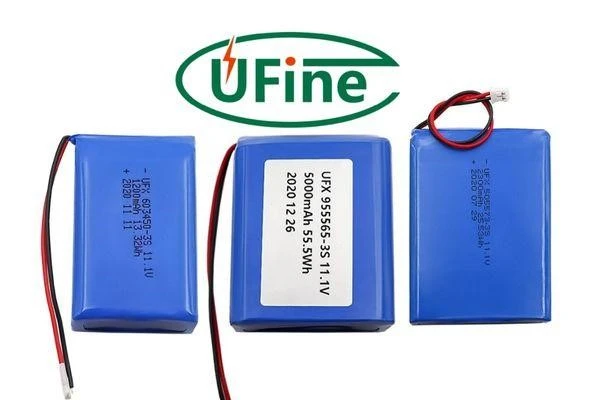
Selecting a battery requires evaluating multiple technical factors:
- Voltage Compatibility: The battery voltage must match your ESC and motor specifications.
- Capacity: Choose a capacity that provides the required runtime without excessive weight.
- Discharge Rate (C-Rating): Higher C-ratings allow for higher continuous and burst current output.
- Physical Size & Weight: Ensure the battery fits the compartment and maintains proper weight distribution.
- Connectors: Select a connector compatible with your device, e.g., XT60, XT30, Deans, or JST.
For projects requiring custom voltage, capacity, or connector options, a professional battery manufacturer can help create tailored solutions for specific applications.
Part 6. Best 3S LiPo batteries (2025 recommendations)
In 2025, the market offers a variety of 11.1V 3S LiPo batteries tailored for different applications, from high-performance RC models to drones and racing vehicles. Below is a curated list of top-rated batteries, highlighting their specifications, applications, and pricing.
Top 3S LiPo Battery Recommendations
| Brand & Model | Capacity | Discharge Rate | Weight | Dimensions (mm) | Connector Type | Ideal For |
|---|---|---|---|---|---|---|
| Ufine Custom Service | Customized | Customized | Customized | Customized | Customized | High-performance RC models, drones, racing vehicles |
| Zeee | 5200mAh | 50C | 343g | 132 x 43 x 25 | Deans T Plug | Drones, FPV racing, electric boats |
| Venom | 4000mAh | 50C | 253g | 137 x 45 x 24 | XT60 | RC rock crawlers, short-range flight |
| Gens Ace | 5300mAh | 50C | 406g | 138 x 46 x 38 | Deans | Professional RC models, high-speed drones |
| Ovonic | 5000mAh | 50C | 346g | 136 x 42 x 28 | Deans | Multi-purpose RC toys, small DC fan lights |
Detailed Analysis
1. Ufine Custom Service
Ufine Battery, a leading Chinese manufacturer, specializes in custom lithium polymer batteries. We provide tailor-made 3S LiPo solutions to meet the specific requirements of capacity, discharge rate, dimensions, and connector type. This allows customers to get a perfectly optimized battery for their high-performance RC models, drones, or racing vehicles.
2. Zeee 11.1V 5200mAh 3S LiPo
Zeee’s 3S LiPo battery provides a balance between capacity and discharge rate, making it suitable for drones, FPV racing, and electric boats. The Deans T Plug connector ensures secure connections, and the compact size allows for easy integration into various setups.
3. Venom 11.1V 4000mAh 3S LiPo
Venom’s 3S LiPo battery is designed for RC rock crawlers and short-range flight applications. The 50C discharge rate offers sufficient power for these uses, and the XT60 connector provides reliable connections. The battery’s compact dimensions make it versatile for different chassis sizes.
4. Gens Ace 11.1V 5300mAh 3S LiPo
Gens Ace offers a high-capacity 3S LiPo battery suitable for professional-grade RC models and high-speed drones. The 50C discharge rate ensures consistent power delivery, and the Deans connector is widely compatible. The larger size may require specific battery compartments.
5. Ovonic 11.1V 5000mAh 3S LiPo
Ovonic’s 3S LiPo battery is versatile, catering to multi-purpose RC toys and small DC fan lights. The 50C discharge rate provides adequate power for these applications, and the Deans connector ensures compatibility. The battery’s balanced size and weight make it a practical choice for various uses.
Part 7. Best practices and safety guidelines
Proper usage of 3S LiPo batteries ensures longevity and safety:
- Use balance chargers and follow manufacturer-recommended charge rates.
- Store batteries at 3.8V per cell when idle.
- Avoid overcharging above 12.6V or discharging below 9V.
- Replace batteries that are swollen, damaged, or punctured.
- Monitor temperature during operation, especially in high-current applications.
Following these guidelines protects your battery, device, and users.
Part 8. Optional custom solutions
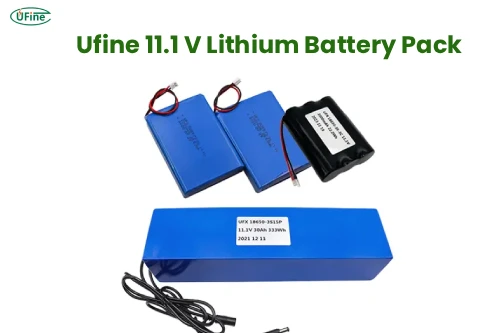
For specialized applications — industrial devices, high-power drones, or unique form factors — professional battery suppliers can offer custom LiPo batteries, including 3S packs with specific capacities, C-ratings, dimensions, and connectors. This ensures optimal performance while maintaining safety standards.
If you’re interested in customized lithium polymer batteries tailored to your specific needs, Ufine Battery offers a range of solutions. As a leading Chinese manufacturer, Ufine specializes in custom LiPo batteries, including ultra-thin, high-rate, and high/low-temperature variants. We provide flexible options in terms of size, voltage, capacity, and discharge rate to meet diverse application requirements.
Part 9. FAQs
Can 3S LiPo batteries be used in extreme temperatures?
Yes, specialized cells allow operation in high or low temperatures, with appropriate monitoring and management systems.
How can I extend the lifespan of my 3S LiPo battery?
Store at proper voltage, avoid deep discharges, and use a quality balance charger. Temperature management also helps maintain cycle life.
Is it safe to mix old and new LiPo batteries in a series pack?
No. Mismatched cells can lead to uneven charging and risk of over-discharge or swelling.
How do I select a suitable C-rating for my device?
Calculate your device’s peak current draw and choose a battery with a continuous discharge rating higher than the peak.
What are the key signs a LiPo battery needs replacement?
Look for swelling, overheating, voltage sag, or excessive self-discharge. Any of these indicate the battery may no longer be safe.
Related Tags:

More Articles

JST vs Molex: The Right Battery Connector Choice
JST or Molex for your battery? Learn how connector selection affects current, voltage drop, reliability, and device performance.
Custom Battery Pricing: Costs Manufacturers Don’t Mention
A low battery quote may not be the final cost. Discover common hidden expenses that affect custom lithium battery projects.
Battery Wire Length: Hidden Cause of Power Loss
A longer battery wire can cause voltage drop, power loss, and unstable operation. Learn how wire length affects battery performance.
How Device Sleep Modes Affect Battery Life
Think sleep mode extends battery life? Learn why devices still drain power and how firmware, hardware, and batteries affect runtime.
LiPo Battery and PCB Design: Clearance, Insulation, and Placement
Learn how to optimize LiPo battery PCB clearance, insulation, placement, wiring, and thermal design—and avoid common integration mistakes.