If you’re comparing 32650 vs. 18650 batteries, you’re probably facing a very practical question:
Do you need higher capacity and longer life, or a smaller, lighter, more flexible solution?
Both battery types are extremely popular, but they serve very different purposes. In this guide, I’ll walk you through how they really differ—in size, chemistry, performance, and real-world use—so you can confidently choose the right one for your project.
Key Takeaways
- 32650 batteries are built for high capacity, long cycle life, and stability—especially in LiFePO4 systems.
- 18650 batteries focus on compact size, lower weight, and broad compatibility across consumer electronics.
- The “better” battery depends entirely on your application, not just capacity numbers.
- Choosing the wrong size can lead to wasted space, unnecessary cost, or even safety issues.
Part 1. 32650 battery overview
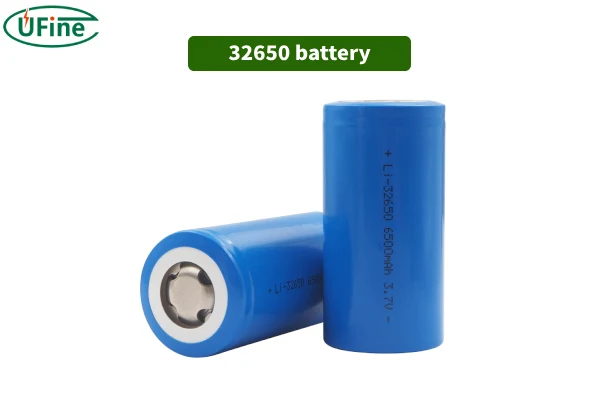
The 32650 battery is a rechargeable cylindrical cell recognized for its larger size and high capacity. Let’s explore its main features, advantages, and disadvantages in detail.
Main Features
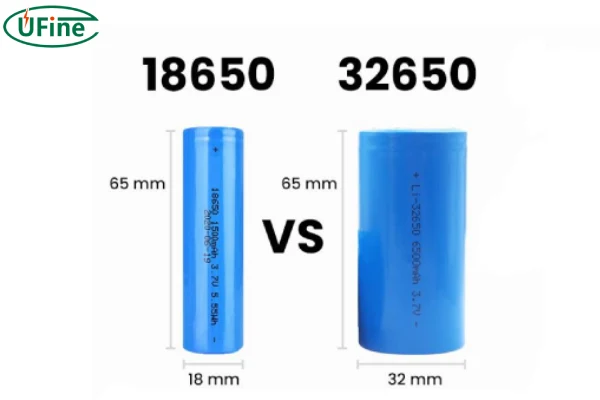
- Dimensions: The 32650 battery measures 32mm in diameter and 65mm in length.
- Capacity: It boasts a capacity of up to 6000mAh, making it a powerhouse.
- Voltage: This battery typically operates between 3.2V and 3.7V.
- Weight: The 32650 battery weighs around 145 to 160 grams, depending on the specific model and manufacturer.
Advantages
- High Capacity: One of the standout features of the 32650 battery is its high capacity. This makes it ideal for applications that require a lot of energy over extended periods, such as electric vehicles and energy storage systems.
- Long Cycle Life: The 32650 battery can be recharged many times without significant loss of capacity. This means it has a longer lifespan compared to many other batteries.
- Stable Voltage: The 32650 battery provides a stable voltage, which ensures consistent performance for your devices. This stability is particularly beneficial for sensitive electronics that require a steady power supply.
- Versatility: Thanks to its high capacity and stability, the 32650 battery is suitable for a wide range of applications, from high-performance flashlights to renewable energy storage systems.
Disadvantages
- Size and Weight: The larger size and heavier weight of the 32650 battery can be a drawback for portable devices. It may not fit in compact gadgets and can add significant weight to the device.
- Cost: Generally, 32650 batteries are more expensive compared to smaller batteries like the 18650. This higher cost is due to their larger capacity and advanced features.
Part 2. 18650 battery overview
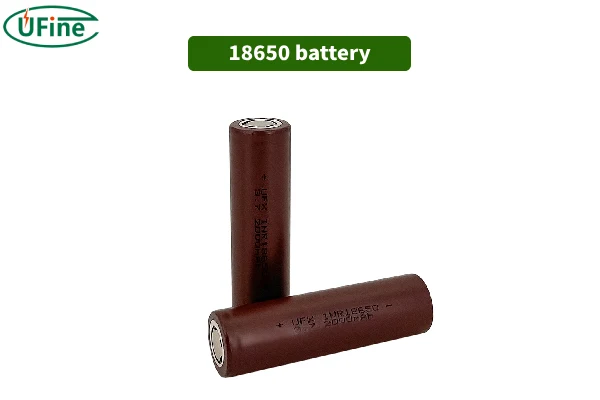
The 18650 battery is another popular rechargeable cylindrical cell, known for its versatility and widespread use. It’s smaller than the 32650 battery but still packs a punch. Let’s dive into its main features, advantages, and disadvantages.
Main Features
- Dimensions: The 18650 battery measures 18mm in diameter and 65mm in length.
- Capacity: It has a capacity of up to 3500mAh, which is still significant though less than the 32650.
- Voltage: The 18650 battery typically operates between 3.6V and 3.7V.
- Weight: This battery weighs around 45 to 50 grams, making it much lighter than the 32650.
Advantages
- Compact Size: The smaller size of the 18650 battery makes it ideal for portable devices. It fits easily into gadgets like laptops, flashlights, and other small electronics.
- Lightweight: The 18650 battery is much lighter than the 32650, which makes it easier to carry around in portable gadgets.
- Availability: The 18650 battery is widely used in many applications, making it easy to find replacements. This widespread use also means there is a lot of information and support available for these batteries.
- Cost-Effective: Generally, the 18650 battery is cheaper than larger batteries like the 32650. This makes it a cost-effective solution for many applications.
Disadvantages
- Lower Capacity: The 18650 battery has a lower capacity compared to the 32650, meaning it stores less energy. This can be a drawback for applications that require a lot of power.
- Shorter Cycle Life: The 18650 battery doesn’t last as many recharge cycles as the 32650 battery. This means it may need to be replaced more frequently.
- Voltage Stability: While the 18650 battery offers good performance, it may not be as stable in voltage output as the larger 32650 battery. This can affect the performance of sensitive electronics.
Part 3. 32650 vs. 18650 battery: what’s the difference?
Basic Specifications Comparison
| Parameter | 32650 Battery | 18650 Battery |
|---|---|---|
| Diameter | 32 mm | 18 mm |
| Length | 65 mm | 65 mm |
| Typical Capacity | 5,000–6,000 mAh | 2,500–3,500 mAh |
| Nominal Voltage | 3.2V (LiFePO4) | 3.6–3.7V |
| Weight | ~145–160 g | ~45–50 g |
Performance & Use-Case Comparison
| Factor | 32650 | 18650 |
|---|---|---|
| Energy per cell | Very high | Moderate |
| Cycle life | Excellent (2000–4000 cycles) | Average (500–1000 cycles) |
| Safety | Very high | Good but chemistry-dependent |
| Best for | Energy storage, EV, industrial | Consumer electronics, tools |
Now, let’s compare the 32650 and 18650 batteries across several key factors. This will help you understand the differences and decide which battery is best for your needs.
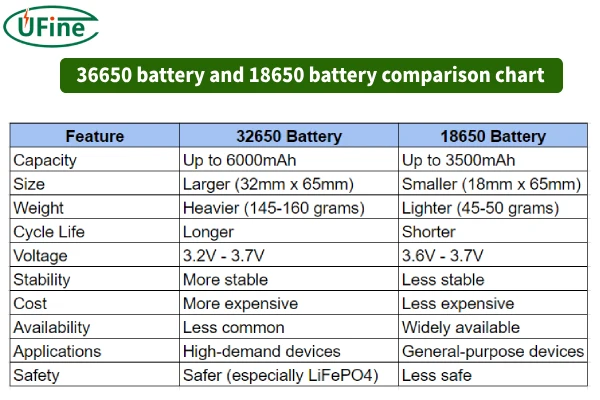
- Capacity: The 32650 battery has a higher capacity, up to 6000mAh, compared to the 18650 battery’s 3500mAh. This makes the 32650 battery better for applications that require a lot of energy over a long period.
- Size: The 32650 battery is significantly larger, which can be a disadvantage for compact devices. The 18650 battery’s smaller size makes it more versatile for portable gadgets.
- Weight: The 32650 battery is heavier, which can add significant weight to a device. In contrast, the 18650 battery is much lighter, making it easier to carry around.
- Cycle Life: The 32650 battery generally has a longer cycle life, meaning it can be recharged more times before it starts to lose capacity. This makes it a better choice for long-term applications.
- Voltage: Both batteries have similar voltage ranges, but the 32650 battery offers more stable voltage output. This stability is crucial for devices that require a consistent power supply.
- Stability: The 32650 battery, especially those with LiFePO4 chemistry, is more stable and safer. This makes it suitable for applications where safety is a critical concern.
- Cost: The 32650 battery is more expensive due to its larger capacity and advanced features. The 18650 battery, on the other hand, is more affordable, making it a cost-effective option for many applications.
- Availability: The 18650 battery is more commonly available and widely used, making it easier to find replacements and support. The 32650 battery is less common, which can make it harder to find and more expensive.
- Applications: The 32650 battery is better suited for high-demand applications like electric vehicles and energy storage systems. The 18650 battery is ideal for general-purpose devices like laptops, flashlights, and small electronics.
- Safety: The 32650 battery, particularly those with LiFePO4 chemistry, is generally safer. This makes it a preferred choice for applications where safety is paramount.
36650 battery and 18650 battery comparison chart
Part 4. Which one is better?
Choosing between the 32650 and 18650 batteries depends on your specific needs and applications. Each battery has its own strengths and weaknesses, and understanding these can help you make an informed decision.
When to Choose 32650 Battery
- High Capacity Needs: If you need a battery with high capacity, the 32650 battery is the way to go. It’s perfect for applications that require a lot of energy, such as electric vehicles, energy storage systems, and high-performance flashlights.
- Long Cycle Life: For applications that require long-term use, the 32650 battery is ideal. Its longer cycle life means it can be recharged many times without losing significant capacity.
- Stable Voltage and Safety: If voltage stability and safety are your priorities, especially with LiFePO4 chemistry, the 32650 battery is the better choice. Its stable voltage output ensures consistent performance, and its safety features make it suitable for critical applications.
When to Choose 18650 Battery
- Compact Devices: If you need a battery for portable and compact devices, the 18650 battery is the best option. Its smaller size and lighter weight make it perfect for laptops, flashlights, and other small electronics.
- Cost-Effective Solution: If budget is a concern, the 18650 battery is more affordable and widely available. This makes it a cost-effective solution for many applications.
- General Use: For general-purpose applications, the 18650 battery offers a good balance of performance and cost. It’s versatile and can be used in a wide range of devices.
Part 5. Cylindrical battery manufacturer
When it comes to cylindrical batteries, choosing a reputable manufacturer is crucial. Ufine Battery is a leading Chinese lithium battery manufacturer specializing in customizing lithium polymer batteries, LiFePO4 batteries, 18650 batteries, and other cylindrical batteries. They offer various sizes, voltages, capacities, and shapes to meet different needs.
Ufine Battery’s commitment to quality and customization makes them a reliable choice. Whether you need a battery for an electric vehicle, energy storage system, or any other application, Ufine Battery can provide a solution tailored to your specific requirements.
Why Choose Ufine Battery?
- Customization: Ufine Battery can customize batteries to meet your specific needs. Whether you need a particular size, voltage, capacity, or shape, they can create a battery that fits your requirements.
- Quality Assurance: Ufine Battery is committed to quality. They use high-quality materials and advanced manufacturing processes to ensure their batteries meet the highest standards.
- Wide Range of Products: Ufine Battery offers a wide range of products, from lithium polymer batteries to LiFePO4 batteries and cylindrical batteries. This means they can provide a solution for almost any application.
- Reliable Support: Ufine Battery provides reliable support to help you choose the right battery for your needs. Their team of experts can answer your questions and provide guidance on the best battery for your application.
Part 6. FAQs
Can I replace an 18650 battery with a 32650 battery directly?
In most cases, no. The 32650 battery is significantly larger and heavier, so it usually won’t fit mechanically. Electrical parameters and BMS compatibility must also be checked before any replacement.
Are 32650 batteries always LiFePO4?
Most 32650 batteries on the market use LiFePO4 chemistry, but not all. Always confirm the chemistry, as voltage, charging profile, and safety behavior vary by type.
Which battery performs better in high-temperature environments?
32650 LiFePO4 batteries generally handle higher temperatures better due to their chemistry and lower thermal stress. Standard 18650 lithium-ion cells are more sensitive to heat buildup.
Do 18650 batteries degrade faster than 32650 batteries?
In long-term, high-duty applications, yes. 18650 batteries typically have shorter cycle life, especially under continuous load, while 32650 LiFePO4 cells are designed for extended service life.
Which battery is easier to scale for large battery packs?
18650 batteries offer more flexibility in shape and layout, making them easier to scale in compact designs. However, this comes at the cost of higher pack complexity and stricter balancing requirements.
Related Tags:

More Articles
Best 24V Lithium Battery: Top 10 Compared
Discover the top 24V lithium batteries. We compare capacity, price, cycle life, safety features, and the best options for different applications.
Top LFP Cell Manufacturers in China You Should Know
Looking for reliable LiFePO4 cells? Explore China's top LFP battery manufacturers, key technologies, production capabilities, and supplier selection tips.
Check If Your Charger Works: Simple Test Guide
Think your battery charger's broken? Quick tests can show you for sure. See if it’s the charger or the battery that's causing issues. Read more.
Best Camera Batteries: 7 Brands Compared & Tested
Looking for the best camera battery? Compare 7 top brands, including OEM and third-party options, to find the right battery for your camera.
What You Need to Know About Portable Fan Batteries
Discover the best portable electric fan battery, its types, lifespan, and maintenance tips. Learn how to choose the right one and keep it running longer.