Lithium batteries are at the heart of most digital devices we use daily. They’re lightweight, long-lasting, and efficient. However, a common issue with lithium batteries is swelling. If you’ve ever noticed your device’s battery looking swollen, you might wonder, why do lithium batteries swell? This article explains the reasons behind this phenomenon, how to identify swelling, and what you can do about it.
Key takeaways
- Lithium battery swelling is caused by internal gas generation from electrolyte decomposition
- The most common triggers are overcharging, heat exposure, and battery aging
- A swollen battery is a permanent chemical failure and cannot be repaired
- Swelling is often an early warning sign of potential safety risks including leakage and thermal runaway
- Proper charging habits and thermal management significantly reduce swelling risk
- You should stop using a swollen battery immediately and dispose of it safely
Part 1. Why do lithium batteries swell?
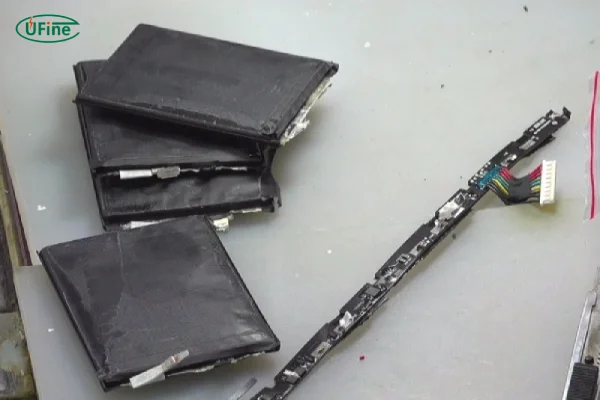
Lithium battery swelling happens for several reasons. Let’s dive into the most common causes.
1. Overcharging
Overcharging is a leading cause of lithium battery swelling. When a battery is overcharged, all the lithium ions in the positive electrode move to the negative electrode. This disrupts the delicate balance inside the battery.
The result? The battery’s internal structure starts to collapse. Lithium atoms accumulate excessively, forming stump-like crystals. This damages the battery’s efficiency and causes visible swelling. Over time, this process leads to a loss of battery power and potential safety risks.
2. Over-Discharging
Over-discharging can also cause lithium batteries to swell. The SEI (Solid Electrolyte Interface) film inside the battery protects its negative electrode. This film undergoes slight changes during normal charging and discharging.
However, when a battery is over-discharged, this protective layer is damaged. The negative electrode material collapses, leading to swelling. Using low-quality or incompatible chargers increases this risk and can even result in explosions.
3. Manufacturing Defects
Sometimes, the issue starts in the factory. If the electrode coating is uneven or the production process isn’t precise, the battery may be prone to swelling. Quality testing during manufacturing is crucial to catch these problems.
Advanced testing methods, like battery test modules, help ensure stability and safety. These tools provide reliable current transmission and prevent performance issues caused by manufacturing errors.
15 FAQs About Battery Manufacturing Safety Testing
4. Improper Storage
Improper storage is another factor. When a lithium battery sits unused for too long, its voltage can drop below 2V. This triggers internal chemical reactions that produce gas, causing the battery to swell.
Additionally, storing a battery in hot environments can accelerate this process. Even if the battery isn’t being used, it may bulge due to polarization and internal changes.
How to Store Lithium Batteries Safely?
5. External Environmental Factors
Lithium is highly reactive and sensitive to heat. During charging and discharging, the battery generates heat. If the internal temperature rises too high, gas buildup occurs, leading to swelling.
External damage, like scratches on the battery’s aluminum-plastic shell, can worsen this issue. If the shell is compromised, swelling can escalate into leakage, fire, or even explosions.
Different battery types swell differently
Not all lithium batteries behave the same way when degraded.
| Battery type | Swelling visibility | Reason |
|---|---|---|
| Lithium polymer (LiPo) | High | Flexible pouch expands easily |
| Prismatic cells | Medium | Aluminum casing may deform |
| Cylindrical cells (18650) | Low | Steel casing hides expansion |
| Lead-acid batteries | Not comparable | Different failure mechanism |
Lithium polymer batteries are the most visually noticeable when swelling occurs because their flexible packaging allows expansion without immediate rupture.
Part 2. How to judge lithium battery swelling
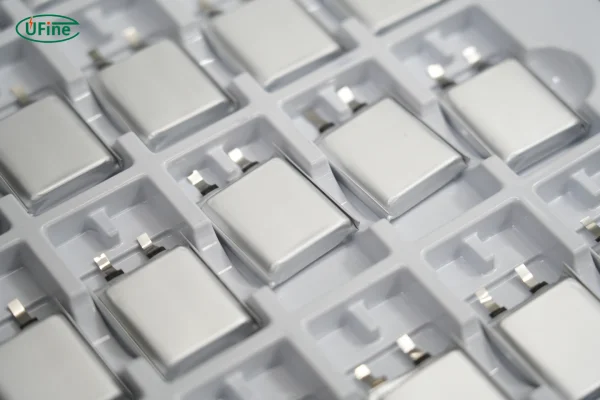
Now that we know why lithium batteries swell, let’s explore how to identify the issue.
1. Visual Inspection
Start by looking at the battery. Place it on a flat surface and check for:
- Bulges or arcs on the surface.
- Any protruding or uneven spots.
- A visibly raised back.
These are clear signs that the battery might be swollen.
2. Performance Changes
Swollen batteries often cause performance issues. For instance:
- Reduced battery capacity.
- Increased self-discharge rate.
- Higher internal resistance.
If your device frequently powers off, charges abnormally, or shows sudden battery drops, these might indicate swelling.
3. Advanced Chemical Testing
For a more scientific approach, gas samples inside the battery can be collected and analyzed. Tools like gas chromatographs or mass spectrometers can detect changes in the battery’s internal components.
While this method is precise, it’s usually reserved for manufacturers or specialists.
Battery swelling vs overheating vs thermal runaway
Battery swelling is often confused with overheating and thermal runaway, but they are different stages of battery stress.
Swelling usually occurs first when gas begins to form inside the cell. Overheating may or may not accompany swelling, depending on the cause. Thermal runaway is the most severe condition, where heat generation becomes uncontrollable and can lead to fire.
In simple terms:
- Swelling = internal gas buildup
- Overheating = excessive temperature
- Thermal runaway = uncontrolled exothermic reaction
These conditions can be connected, but they are not the same phenomenon.
Part 3. What to do if your lithium battery swells?
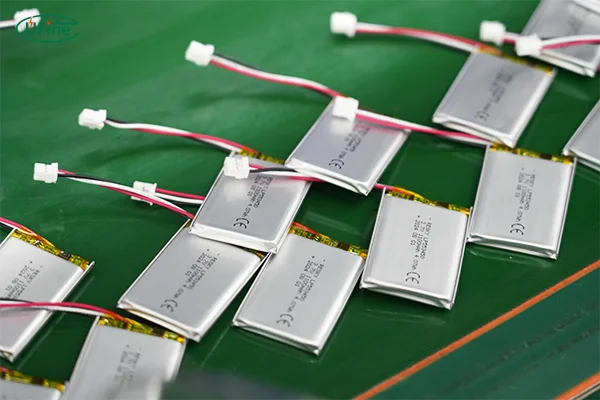
If you notice swelling, it’s crucial to take immediate action. Here’s what you should do:
1. Stop Using the Battery
A swollen battery is a safety hazard. Continuing to use it can lead to overheating, leakage, or even explosions. Disconnect the device and remove the battery if possible.
2. Replace the Battery
Don’t try to fix or “deflate” a swollen battery. Replace it with a new, high-quality lithium battery from a reliable source.
3. Dispose of It Safely
Swollen batteries should be recycled properly. Hand them over to professional recycling facilities to avoid environmental harm. Never throw them in regular trash.
4. Avoid Overcharging and Over-Discharging
Use a charger compatible with your battery’s rated voltage. For example, if the rated voltage is 3.7V and the limited voltage is 4.2V, avoid chargers that exceed this range.
Causes vs symptoms vs solutions
| Cause | Symptoms | Risk level | Recommended action |
|---|---|---|---|
| Overcharging | Swelling after charging cycles | High | Stop use immediately |
| High temperature exposure | Warm device + gradual bulging | High | Remove from heat source |
| Aging and cycle wear | Slow expansion over time | Medium | Replace battery |
| Manufacturing defects | Early unexpected swelling | Medium to high | Contact supplier |
| Internal short circuit | Rapid swelling + heat | Very high | Emergency disposal |
Part 4. Preventing lithium battery swelling
Prevention is always better than cure. Follow these tips to extend your battery’s lifespan and avoid swelling:
- Charge Smart: Use a charger with automatic cut-off to prevent overcharging.
- Store Properly: Keep batteries in a cool, dry place when not in use.
- Use Quality Chargers: Avoid low-quality or counterfeit chargers.
- Don’t Over-Discharge: Recharge your battery before it drains completely.
Part 5. Can a swollen lithium battery be fixed?
A swollen lithium battery cannot be safely repaired or restored.
The swelling is caused by irreversible chemical decomposition inside the cell. Even if the external appearance could somehow be corrected, the internal structure remains permanently damaged. The electrolyte imbalance and gas accumulation cannot be reversed without rebuilding the entire cell.
For this reason, any attempt to “fix” or reuse a swollen battery is strongly discouraged.
Part 6. FAQs
1. How long does it take for a lithium battery to start swelling?
There is no fixed timeframe because swelling depends heavily on usage conditions and manufacturing quality. In some cases, a battery may begin to show slight expansion within months if it is exposed to constant high temperature or frequent high-voltage charging. In normal controlled conditions, well-designed lithium-ion batteries may operate for several years without visible swelling. However, once internal degradation starts, the process is usually gradual and accelerates over time rather than appearing suddenly.
2. Can a swollen battery still hold a normal charge?
A swollen battery may still appear to charge normally at first, but its internal chemistry is already degraded. This means the state-of-health is significantly reduced even if the state-of-charge indicator seems normal. In many cases, capacity becomes unstable, voltage drops faster under load, and internal resistance increases. So while it may temporarily function, its performance is no longer reliable and cannot be considered safe for continued use.
3. Does fast charging increase the risk of battery swelling?
Fast charging itself does not automatically cause swelling, but it increases thermal and electrochemical stress inside the battery. If the battery management system (BMS) and thermal design are not properly optimized, repeated fast charging cycles can accelerate side reactions inside the cell. Over time, this may contribute to gas formation and structural expansion, especially in aging batteries or low-quality cells.
4. Are swollen batteries covered under warranty?
In most cases, battery swelling is not automatically covered under warranty because manufacturers often classify it as a result of operating conditions rather than a manufacturing defect. However, if swelling occurs within a short period after purchase or under normal specified usage conditions, some manufacturers may consider it a quality-related issue. The exact warranty policy depends on the supplier, application, and certification standards.
5. Can battery swelling be detected early before visible expansion?
Yes, in professional battery systems, early signs of swelling can sometimes be detected before physical deformation becomes visible. These indicators may include subtle changes in internal resistance, abnormal voltage behavior under load, or slight capacity imbalance between cells in a pack. Advanced systems with BMS monitoring may also detect pressure or temperature anomalies that suggest early-stage gas generation inside the cell.
Read More
Why Lithium Battery Explosions and How to Avoid
9 Reasons Why Lithium Batteries Bulge
Reasons and Solutions for Lithium Batteries Getting Hot When Charging
Why You Need a Lithium Battery Heater for Cold Weather Performance and Longevity
Related Tags:

More Articles
Buck vs. Boost vs. Buck-Boost Converter: Which Is Best for Battery?
Not sure which converter your battery-powered device needs? Compare Buck, Boost, and Buck-Boost designs and discover what affects voltage stability and runtime.
How to Match 18650 Cells for a Reliable Battery Pack?
Building an 18650 battery pack? Learn how to compare cell capacity, voltage, and internal resistance to avoid mismatches and improve reliability.
Why Do 18650 Battery Packs Get Hot During Discharge?
Is your 18650 battery pack overheating under load? Learn what causes excess heat, how to spot dangerous symptoms, and what to do next.
18650 Battery BMS: How to Get the Specs Right
Learn how to choose a BMS for an 18650 battery pack. Compare voltage, current ratings, protection features, and balancing before you buy.
Why Does My Ring Camera Battery Drain So Fast or Stop Charging?
Is your Ring camera battery draining fast or not charging? Discover common causes, practical fixes, and when to replace the battery.