
- Key takeaways
- Part 1. What is battery leakage?
- Part 2. Why do batteries leak? Common causes explained
- Part 3. Why do alkaline batteries leak more often?
- Part 4. Why do batteries corrode?
- Part 5. What happens when a battery leaks?
- Part 6. How to prevent battery leakage?
- Part 7. Battery leakage prevention by application
- Part 8. When should you replace a leaking battery?
- Part 9. Battery leakage FAQs
Batteries power everything from remote controls and toys to industrial equipment, energy storage systems, and portable electronics. But battery leakage remains one of the most common battery failures users face.
A leaking battery can damage electronics, reduce performance, create corrosion, and even introduce safety risks. Many people ask:
- Why do batteries leak?
- Why do my batteries keep leaking?
- What causes batteries to leak?
- Why do batteries corrode?
- Can a leaking battery damage my device?
The answer depends on battery chemistry, age, storage conditions, charging behavior, and physical damage.
This guide explains battery leakage causes, battery corrosion mechanisms, warning signs, and proven ways to prevent leaking batteries.
Key takeaways
- Battery leakage happens when internal chemicals or gases escape from a damaged or aging battery.
- Alkaline battery leak problems usually result from aging, pressure buildup, or deep discharge.
- Heat, overcharging, poor storage, and physical damage increase leakage battery risk.
- Old and new batteries should never be mixed.
- Lithium-ion and 18650 battery leaking events are less common than alkaline leaks but can become serious safety hazards.
- Removing unused batteries from devices significantly reduces battery leak risks.
- Battery corrosion often appears as white, blue, or green deposits near battery terminals.
Part 1. What is battery leakage?
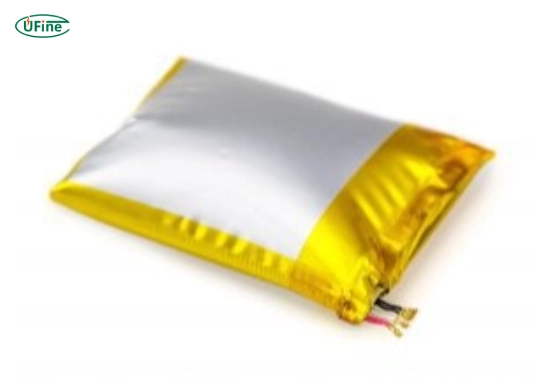
Battery leakage occurs when chemicals, electrolyte materials, or gases escape from the battery enclosure.
Different battery chemistries fail differently:
| Battery Type | Typical Leakage Material | Common Cause |
|---|---|---|
| Alkaline battery | Potassium hydroxide residue | Aging, over-discharge |
| Lithium-ion battery | Electrolyte gas or swelling | Damage, overcharge, overheating |
| Button battery | Alkaline electrolyte | Long-term storage |
| Lead-acid battery | Sulfuric acid | Cracks, overcharging |
| NiMH / NiCd battery | Alkaline electrolyte | Age, charging stress |
A battery is leaking when internal pressure exceeds structural limits or when battery materials slowly degrade over time.
Battery leakage often leads to:
- Corrosion on terminals
- Reduced battery life
- Device failure
- Safety concerns
- Electrical contact damage
Part 2. Why do batteries leak? Common causes explained
1. Battery age and chemical breakdown
One of the biggest reasons batteries leak is simple aging.
Battery materials slowly degrade even when not actively used. Over time:
- Internal seals weaken
- Electrolytes become unstable
- Pressure builds inside the battery
This explains why batteries leak inside remote controls, flashlights, or emergency devices after sitting unused for years.
If you frequently ask: “Why do my batteries keep leaking?” Old batteries left in devices are often the answer.
Alkaline battery leak problems become much more common after expiration dates.
2. Overcharging rechargeable batteries
Rechargeable batteries can leak when charging systems fail.
Overcharging causes:
- Heat generation
- Gas buildup
- Increased internal pressure
- Electrolyte breakdown
Lithium-ion packs include Battery Management Systems (BMS) to reduce this risk, but damaged chargers or poor-quality charging circuits can still cause failures.
Rechargeable systems that commonly experience stress:
- Power tools
- E-bikes
- Energy storage packs
- Portable medical devices
- Industrial battery systems
For lithium battery charging best practices, read: How to Charge Lithium Battery
3. Extreme temperature exposure
Temperature strongly affects battery stability.
High temperatures accelerate chemical reactions and increase pressure. Low temperatures may damage seals and internal structures.
Risk conditions include:
| Condition | Potential Result |
|---|---|
| Hot vehicle storage | Battery swelling or leakage |
| Direct sunlight | Faster degradation |
| Freezing temperatures | Seal damage |
| High industrial heat | Accelerated aging |
For lithium systems used in harsh environments: High Temperature Lithium Battery
4. Physical damage
A damaged battery casing creates a direct path for leakage.
Common causes:
- Dropping batteries
- Crushing impact
- Puncture damage
- Manufacturing defects
- Improper installation
18650 battery leaking incidents often involve physical abuse or internal separator damage.
Warning signs include:
- Swelling
- Strange odor
- Heat generation
- Fluid residue
- Deformed casing
If an 18650 battery is leaking, stop using it immediately.
5. Deep discharge and long-term storage
Battery leaks frequently happen in devices left unused for long periods.
Examples:
- TV remotes
- Smoke detectors
- Toys
- Emergency flashlights
- Portable measuring instruments
When alkaline cells remain installed too long:
- Internal chemistry becomes unstable
- Pressure increases
- Corrosive materials escape
This is one reason alkaline battery leak incidents happen more often than lithium battery leakage.
6. Poor battery manufacturing quality
Cheap batteries often use:
- Lower-grade sealing materials
- Inconsistent electrolyte filling
- Weaker casing design
- Reduced quality control
Low-cost cells may save money initially but increase battery leaking risks and device damage costs.
Industrial systems especially benefit from higher-quality battery suppliers and customized battery design.
For engineered battery pack design considerations: Custom Lithium Battery Pack Guide
Part 3. Why do alkaline batteries leak more often?
Alkaline battery leak problems are among the most common consumer battery failures.
Unlike lithium-ion batteries, alkaline batteries naturally generate small amounts of gas during discharge.
As batteries age:
- Internal zinc materials degrade
- Pressure rises
- Safety seals weaken
- Potassium hydroxide escapes
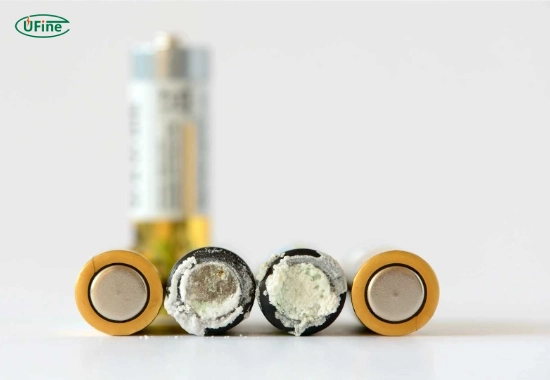
The white powder seen around terminals is usually dried alkaline electrolyte residue.
People often ask: “Why do alkaline batteries leak even when not being used?” Because battery chemistry continues aging during storage. Older alkaline batteries stored for years are significantly more likely to leak.
Part 4. Why do batteries corrode?
Battery corrosion happens when leaking chemicals react with metal contacts.
Battery corrosion commonly appears as:
- White crystal deposits
- Green buildup
- Blue residue
- Rust-like discoloration
Battery corrosion causes:
- Increased electrical resistance
- Poor device performance
- Device shutdown
- Permanent circuit damage
Battery leakage and battery corrosion often occur together, but they are not identical. Leakage creates escaped chemicals. Corrosion is the resulting chemical reaction.
Related reading: What Causes Battery Terminal Corrosion
Part 5. What happens when a battery leaks?
Battery leaks can create both performance and safety issues.
Device damage
Leaked materials may destroy:
- Battery terminals
- Circuit boards
- Connectors
- Plastic housings
Reduced electrical performance
Battery leakage increases resistance and weakens power delivery.
Symptoms include:
- Device randomly shutting down
- Flickering operation
- Charging failure
- Reduced runtime
Safety hazards
Some leaking battery chemicals can cause:
- Skin irritation
- Eye irritation
- Respiratory discomfort
- Fire risk in damaged lithium batteries
Button battery leak situations require extra caution around children. Never allow children to handle leaking batteries.
Related reading: Are Leaking Batteries Dangerous
Part 6. How to prevent battery leakage?
Use high-quality batteries
Premium batteries typically have:
- Better seals
- Improved chemistry stability
- Stronger casing materials
- Better manufacturing consistency
Quality matters even more in industrial and lithium battery systems.
Store batteries properly
Best storage practices:
- Store in cool, dry environments
- Avoid direct sunlight
- Keep batteries away from metal objects
- Remove batteries from unused devices
Ideal storage temperatures vary by chemistry. For lithium batteries, moderate room temperatures generally work best.
Avoid mixing old and new batteries
Mixing batteries creates uneven discharge.
This can increase:
- Internal stress
- Heat generation
- Leakage battery risk
Always replace batteries as a complete set.
Inspect batteries regularly
Check batteries every few months.
Look for:
- Swelling
- White residue
- Cracks
- Corrosion
- Deformation
Early replacement prevents larger failures.
Use proper chargers
Rechargeable batteries need charging systems designed for their chemistry.
Improper charging increases:
- Heat
- Internal pressure
- Battery leakage risk
Lithium systems particularly benefit from intelligent charging protection.
Part 7. Battery leakage prevention by application
| Device Type | Leakage Prevention Recommendation |
|---|---|
| TV Remote | Remove batteries if unused for months |
| Flashlight | Check battery condition quarterly |
| Industrial equipment | Follow maintenance schedule |
| E-bike battery | Avoid extreme temperatures |
| Energy storage systems | Use battery monitoring systems |
| Medical devices | Replace aging cells proactively |
Part 8. When should you replace a leaking battery?
Replace batteries immediately if you notice:
- Visible leakage
- Corrosion buildup
- Swelling
- Overheating
- Cracks
- Reduced runtime
- Strange smell
A battery is leaking should never be ignored. Continuing use increases device damage risk.
Part 9. Battery leakage FAQs
Why do batteries leak when not in use?
Chemical aging continues even during storage. Old alkaline batteries commonly leak because internal materials slowly break down over time.
Why do alkaline batteries leak more than lithium batteries?
Alkaline batteries are more prone to pressure buildup and seal degradation. Lithium-ion batteries have different chemistry and protective designs.
Can battery corrosion ruin electronics?
Yes. Battery corrosion can damage contacts, increase resistance, and permanently destroy sensitive circuits.
Is an 18650 battery leaking dangerous?
Yes. An 18650 battery leaking may indicate internal damage or thermal failure risk. Stop using it immediately.
How do I stop batteries from leaking?
Store batteries properly, avoid extreme temperatures, remove unused batteries from devices, and use high-quality cells.
Related Tags:

More Articles
Buck vs. Boost vs. Buck-Boost Converter: Which Is Best for Battery?
Not sure which converter your battery-powered device needs? Compare Buck, Boost, and Buck-Boost designs and discover what affects voltage stability and runtime.
How to Match 18650 Cells for a Reliable Battery Pack?
Building an 18650 battery pack? Learn how to compare cell capacity, voltage, and internal resistance to avoid mismatches and improve reliability.
Why Do 18650 Battery Packs Get Hot During Discharge?
Is your 18650 battery pack overheating under load? Learn what causes excess heat, how to spot dangerous symptoms, and what to do next.
18650 Battery BMS: How to Get the Specs Right
Learn how to choose a BMS for an 18650 battery pack. Compare voltage, current ratings, protection features, and balancing before you buy.
Why Does My Ring Camera Battery Drain So Fast or Stop Charging?
Is your Ring camera battery draining fast or not charging? Discover common causes, practical fixes, and when to replace the battery.


