- Part 1. Soft charge meaning in simple terms
- Part 2. Why does your battery go into soft charging mode
- Part 3. Where the soft charge fits in the charging process
- Part 4. Soft charge vs normal charging
- Part 5. Soft charge vs trickle charge vs float charge
- Part 6. Why is soft charging not a problem
- Part 7. Battery types behave differently in soft charge
- Part 8. When soft charge becomes a warning sign
- Part 9. How long should the soft charge last
- Part 10. Troubleshooting if the soft charge feels “stuck.”
- Part 11. FAQs
If you’ve ever looked at a battery system and seen something like “soft charge”, “soft charging”, or even just wondered “what is a soft charge?”, you’re not alone.
It’s one of those terms that shows up in solar systems, RV batteries, UPS units, and lithium packs—but almost nobody explains it in a way that actually makes sense.
So let’s break it down in a practical way. Not just definitions, but what’s really happening inside your battery when it enters soft charge mode.
Key takeaways
- Soft charge is a low-current pre-charging safety stage, not a fault or error
- It happens mainly when a battery is deeply discharged or protected by BMS
- You’ll often see it in lithium batteries, solar systems, and RV setups
- It is controlled by the Battery Management System (BMS) or smart charger
- If a battery stays in soft charge too long, it may indicate an imbalance or aging
- It’s actually designed to protect your battery and extend its lifespan
Part 1. Soft charge meaning in simple terms
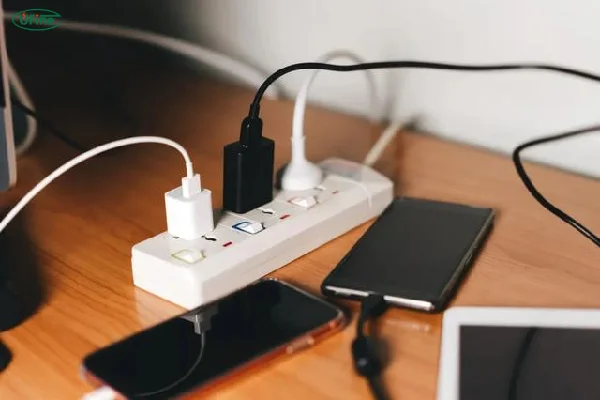
Let’s start simple.
Soft charge means your battery is being charged gently at a very low current before normal charging begins.
Think of it like waking someone up slowly instead of shaking them awake.
Instead of immediately pushing full charging power, the system first checks:
- Is the voltage safe?
- Are the cells stable?
- Can the battery accept normal current?
Only after that does it move into full charging mode.
So when you see “soft charge”, it usually means your battery is in a safe recovery phase, not a failure state.
Part 2. Why does your battery go into soft charging mode
Soft charging doesn’t happen randomly. It’s triggered by specific conditions inside the battery system.
Most of the time, you’ll see a soft charge because of one of these situations:
- The battery was deeply discharged
- The BMS detected low-voltage protection
- The temperature is too low or unstable
- Cells are slightly unbalanced
- The system is doing a safe restart after storage
In lithium systems, especially LiFePO4, the BMS is extremely cautious. If anything looks risky, it simply forces soft charge first before allowing normal charging.
You can think of it as a “permission check” before full power is released.
Soft charge is closely related to how modern battery systems manage safety during charging, especially when advanced control systems like BMS and fast charging are involved, which is explained in this article on lithium battery fast charging technology and BMS.
Part 3. Where the soft charge fits in the charging process
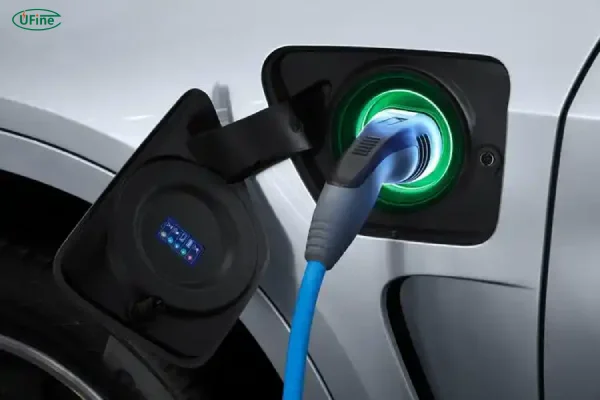
To really understand soft charging, you need to see where it sits in the full charging cycle.
Here’s the simplified flow most modern battery systems follow:
| Charging stage | What happens | Current level |
|---|---|---|
| Soft charge | Battery wake-up & safety check | Very low |
| Bulk charge | Main energy refill stage | High |
| Absorption | Voltage stabilization | Medium to low |
| Float charge | Maintenance & standby | Very low |
Soft charge is basically the first handshake between charger and battery. If everything feels safe, the system moves forward.
Part 4. Soft charge vs normal charging
People often confuse soft charging with slow charging, but they’re not the same thing.
Soft charging is not about efficiency—it’s about safety.
Here’s a clearer comparison:
| Feature | Soft charge | Normal charging |
|---|---|---|
| Purpose | Safety & recovery | Energy replenishment |
| Speed | Very slow | Fast or moderate |
| Trigger | Battery protection state | Standard operation |
| Control system | BMS or smart charger | Charger algorithm |
| Battery condition | Often low or unstable | Normal working state |
So if your battery is in soft charge, it’s not “charging poorly”—it’s actually being protected.
Fast Charging vs Slow Charging: Which is Better for your Lithium Battery?
Part 5. Soft charge vs trickle charge vs float charge
People mix these up a lot, so let’s clear it up simply:
- Soft charge → wakes up a “sleeping” battery
- Trickle charge → maintains charge slowly
- Float charge → keeps a fully charged battery stable
Soft charge happens first, float charge happens last, and they serve completely different purposes.
Part 6. Why is soft charging not a problem
Here’s something important: soft charging is usually completely normal.
In fact, it often means your battery system is doing exactly what it should do.
For example:
- If you drained your RV battery overnight, a soft charge is expected
- If your solar battery sat unused for weeks, a soft charge is normal
- If the temperature is low, a soft charge protects lithium plating
So in most real-world cases, soft charge is a protective behavior, not a failure signal.
Part 7. Battery types behave differently in soft charge
Not all batteries behave the same way. This is where things get more technical—but also more useful for you.
Different chemistries react differently when entering soft charge mode:
| Battery type | Soft charge behavior | What it means |
|---|---|---|
| LiFePO4 | Common pre-charge stage | BMS recovery after cutoff |
| Li-ion | Strict safety-controlled entry | Prevents voltage stress |
| AGM / Lead-acid | Often appears as trickle behavior | Chemical recovery / sulfation control |
So if you’re working with lithium systems (which most modern energy storage setups use), soft charge is basically built into the DNA of the system.
If you’re comparing different battery chemistries, it’s worth understanding how charging behavior differs in each type, such as this guide on Ufine Battery’s breakdown of AGM vs lithium vs lead-acid batteries.
Part 8. When soft charge becomes a warning sign
Even though a soft charge is normal, there are moments when you should pay attention.
You might want to investigate if:
- The battery stays in soft charge for hours without progress
- It never transitions into bulk charging
- Voltage does not slowly increase
- The system keeps restarting the soft charge repeatedly
At that point, it’s no longer just a “stage”—it could indicate deeper issues like cell imbalance or aging.
Especially in lithium systems used in solar storage or RV setups, a persistent soft charge loop can mean the battery is struggling to recover.
Part 9. How long should the soft charge last
There’s no exact fixed time, but generally:
- Small discharge → a few minutes
- Deep discharge → 30 minutes to a few hours
- Severe protection state → may take multiple cycles
If it goes beyond that, it’s worth checking battery health or charger compatibility.
Part 10. Troubleshooting if the soft charge feels “stuck.”
If you ever feel your battery is stuck in soft charge, here’s what you should look at:
- Charger compatibility (especially lithium profiles)
- Temperature conditions (too cold is a common cause)
- Battery voltage recovery trend
- BMS protection state
- Internal battery aging
Sometimes, simply changing the charger or resetting the system can move it forward again.
Part 11. FAQs
1. Can I use my battery while it is in soft charge mode?
In most systems, you can still use the battery, but performance may be limited. The system prioritizes safety over output, so power delivery might feel weaker or unstable during this stage.
2. Does soft charge damage battery lifespan?
No, soft charging actually helps extend battery life. It reduces stress on cells by preventing sudden high-current input, especially after deep discharge or long storage.
3. Why does soft charge happen more often in lithium batteries?
Lithium batteries rely heavily on BMS protection systems. Because of this, they enter soft charge more frequently than lead-acid batteries to ensure voltage and temperature safety.
4. Can solar systems trigger soft charging?
Yes, solar charge controllers often trigger soft charge when the battery voltage is too low or after cloudy days when the battery has been deeply discharged.
5. Does fast charging bypass soft charge mode?
No. Even fast chargers cannot bypass soft charge if the BMS blocks it. The system must complete the safety check before allowing higher current charging.
6. Why does soft charge restart repeatedly?
Repeated soft charge cycles usually indicate unstable battery voltage, cell imbalance, or a weak battery that cannot hold recovery voltage properly.
Related Tags:

More Articles

Best 5 Riding Lawn Mower Battery Manufacturers
Looking for the best riding mower battery? Compare top battery brands by lifespan, maintenance, price, and performance.
All You Need to Know About CB Certification for Lithium Batteries
Learn what CB certification and the IECEE CB Scheme mean for lithium batteries. Explore requirements, testing, benefits, and global market access.
How to Choose the Right 3S LiPo Battery 5000mAh for Your RC Hobby Projects?
Learn how to choose the best 3S LiPo battery 5000mAh for RC cars, drones, boats, and planes. Compare C ratings, runtime, connectors, charging, and safety tips.
Comparing Semi Truck Batteries vs. Truck Batteries
Compare semi truck batteries and truck batteries by size, CCA, lifespan, and battery type. Learn how to choose the right truck battery for your vehicle.
Top 10 Flat Lithium Ion Battery Options for Compact Devices
Explore top flat lithium ion battery options, key specifications, and selection factors for compact electronics, medical devices, and energy storage systems.