
- Key takeaways
- Part 1. What is a lithium battery?
- Part 2. What does un3481 mean?
- Part 3. What does un3481 label mean?
- Part 4. What does un1323 mean?
- Part 5. Un3481 vs un1323: what's the difference?
- Part 6. Difference between un3480 and un3481
- Part 7. How to identify a un3481 battery shipment
- Part 8. Why proper un3481 battery classification matters?
- Part 9. Un3481 shipping regulations
- Part 10. Safe shipping practices for un3481 batteries
- Part 11. Summary of lithium battery un numbers
- Part 12. FAQs about un3481 batteries
UN3481 applies to lithium-ion batteries packed with or contained in equipment, while UN1323 applies to flammable organic solids and is not used for batteries.
If you ship lithium batteries internationally, choosing the correct UN number is critical. This guide explains UN3481 meaning, UN3481 battery labeling requirements, shipping regulations, and how UN3481 differs from UN3480 and other battery classifications.
Key takeaways
- UN3481 is the correct classification for rechargeable lithium-ion batteries shipped with equipment or inside equipment.
- UN1323 is a Class 4.1 flammable solid classification and does not apply to lithium batteries.
- The UN3481 label identifies lithium-ion batteries associated with electronic devices.
- The main difference between UN3480 and UN3481 is that UN3480 covers batteries shipped alone, while UN3481 covers batteries shipped with equipment.
- Incorrect classification can result in shipment delays, fines, and dangerous goods compliance violations.
- UN3481 shipments must comply with IATA, IMDG, DOT, and applicable national regulations.
Part 1. What is a lithium battery?
A lithium battery is an electrochemical energy storage device that uses lithium as a key active material.
Lithium batteries are widely used in:
- Consumer electronics
- Medical devices
- Drones
- Power tools
- Solar energy storage systems
- Electric vehicles (EVs)
- Industrial equipment
There are two primary categories:
Lithium-Ion Batteries (Rechargeable)
Examples include:
- Smartphones
- Laptops
- Power stations
- Solar batteries
- Electric vehicles
Lithium Metal Batteries (Non-Rechargeable)
Examples include:
- Watches
- Sensors
- Medical monitoring devices
- Backup memory batteries
Because lithium batteries can present thermal runaway and fire risks, international transport regulations require proper classification, packaging, testing, and labeling.
For transportation testing requirements, see: UN38.3 Testing Requirements for Lithium Batteries
Part 2. What does un3481 mean?
UN3481 is the official UN number assigned to:
Lithium-Ion Batteries Contained in Equipment
Examples:
- Laptop with battery installed
- Smartphone with battery installed
- Medical device with built-in battery
- Electric tool with battery installed
Lithium-Ion Batteries Packed With Equipment
Examples:
- Drone shipped with spare battery
- Power tool shipped with battery in the same package
- Communication equipment shipped with replacement battery
In both cases, the batteries are associated with the equipment being shipped.
UN3481 battery classification
| Description | UN Number |
|---|---|
| Lithium-ion batteries contained in equipment | UN3481 |
| Lithium-ion batteries packed with equipment | UN3481 |
UN3481 batteries are classified as: Class 9 — Miscellaneous Dangerous Goods
Common UN3481 battery examples
- Laptop batteries
- Smartphone batteries
- Drone batteries
- Power tool batteries
- Portable medical batteries
- Solar monitoring device batteries
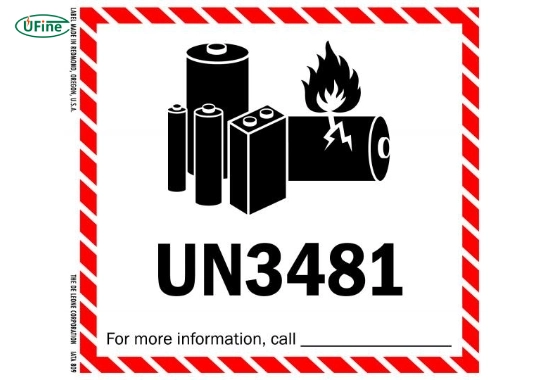
Part 3. What does un3481 label mean?
The UN3481 label meaning is straightforward: The package contains lithium-ion batteries that are either:
- Installed in equipment, or
- Packed together with equipment
The lithium battery mark helps carriers, handlers, customs officials, and emergency responders identify the contents and follow appropriate safety procedures.
Typical information on a UN3481 battery label includes:
- Lithium battery symbol
- UN number (UN3481)
- Emergency contact information when required by regulations
The exact marking requirements depend on:
- Battery watt-hour rating
- Quantity shipped
- Mode of transport
- Applicable regulations
Part 4. What does un1323 mean?
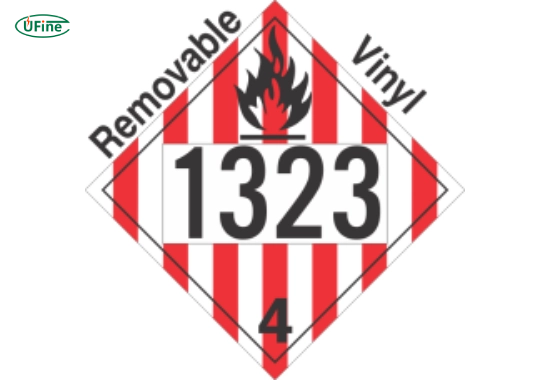
Unlike UN3481, UN1323 is not a battery classification.
UN1323 is officially described as: Flammable Solid, Organic, N.O.S. (Not Otherwise Specified)
It is used for certain combustible organic materials that do not fit more specific UN classifications.
Examples may include:
- Certain chemical powders
- Organic industrial compounds
- Specialized manufacturing materials
Important
UN1323:
- Is not a lithium battery classification
- Is not used for lithium-ion batteries
- Is not used for lithium metal batteries
- Should never appear on a lithium battery shipment
If a lithium battery shipment is labeled as UN1323, it has likely been misclassified.
Part 5. Un3481 vs un1323: what’s the difference?
The difference between UN3481 and UN1323 is fundamental.
| Feature | UN3481 | UN1323 |
|---|---|---|
| Material Type | Lithium-ion batteries | Flammable organic solids |
| Battery Related | Yes | No |
| Rechargeable Batteries | Yes | No |
| UN Hazard Class | Class 9 | Class 4.1 |
| Typical Industry | Electronics, energy storage | Chemical manufacturing |
| Label Type | Lithium battery mark | Flammable solid label |
| Examples | Laptops, drones, power tools | Organic chemical solids |
Why the difference matters
Misclassifying a battery shipment can lead to:
- Customs holds
- Shipment rejection
- Regulatory investigations
- Carrier penalties
- Increased liability in case of incidents
- Delays in international supply chains
For battery manufacturers and importers, correct UN classification is essential for compliance and safety.
Part 6. Difference between un3480 and un3481
One of the most searched questions is: What is the difference between UN3480 and UN3481?
| UN Number | Description |
|---|---|
| UN3480 | Lithium-ion batteries shipped alone |
| UN3481 | Lithium-ion batteries shipped with or inside equipment |
UN3480 examples
- Bulk battery shipments
- Standalone battery packs
- Solar batteries shipped separately
- Replacement batteries
UN3481 examples
- Laptop with battery installed
- Drone with battery included
- Medical device shipped with battery
- Power tool and battery in same carton
Quick rule
- Battery only = UN3480
- Battery + equipment = UN3481
This distinction affects:
- Packaging instructions
- Labeling requirements
- Documentation
- Air transport limitations
Part 7. How to identify a un3481 battery shipment
Your shipment is likely UN3481 if all of the following are true:
- The battery is lithium-ion
- The battery is rechargeable
- The battery is shipped with equipment or installed in equipment
- The battery is not being transported separately
Decision table
| Shipping Scenario | Classification |
|---|---|
| Battery shipped alone | UN3480 |
| Battery installed in laptop | UN3481 |
| Drone shipped with spare battery | UN3481 |
| Lithium metal battery alone | UN3090 |
| Lithium metal battery in equipment | UN3091 |
Part 8. Why proper un3481 battery classification matters?
Safety
Proper packaging reduces:
- Short circuits
- Thermal runaway
- Fire risks
- Transportation incidents
Regulatory Compliance
Accurate classification helps satisfy:
- IATA requirements
- IMDG Code requirements
- DOT regulations
- Customs inspections
Insurance Protection
Many insurance providers require full dangerous goods compliance before accepting claims related to transportation incidents.
Supply Chain Efficiency
Correct labels and documentation reduce:
- Customs delays
- Shipment rejections
- Carrier restrictions
- Unexpected compliance costs
Part 9. Un3481 shipping regulations
IATA Air Transport Requirements
For air transport, UN3481 generally follows:
- Packing Instruction 966 (packed with equipment)
- Packing Instruction 967 (contained in equipment)
- Terminal protection requirements
- Quantity limitations
- Lithium battery marking requirements
For ocean transport:
- Class 9 classification applies
- Packaging must prevent movement and damage
- Batteries must be protected from short circuits
- Documentation requirements must be met
DOT Requirements in the United States
U.S. shipments typically follow:
- 49 CFR Parts 171–180
- 49 CFR 173.185 lithium battery provisions
- Hazard communication requirements
- Incident reporting requirements where applicable
Part 10. Safe shipping practices for un3481 batteries
Follow these best practices:
1. Use Approved Packaging
Packaging should:
- Prevent crushing
- Prevent movement
- Protect batteries from damage
2. Prevent Short Circuits
- Cover exposed terminals
- Separate batteries from conductive materials
3. Apply Correct Labels
Use the correct:
- UN3481 battery mark
- Handling labels
- Documentation
4. Verify Documentation
Ensure:
- Shipping papers are accurate
- Battery specifications are available
- UN38.3 test reports are maintained
5. Train Personnel
Personnel handling lithium batteries should receive dangerous goods training appropriate to their responsibilities.
Part 11. Summary of lithium battery un numbers
| UN Number | Battery Type | Description |
|---|---|---|
| UN3480 | Lithium-ion | Batteries shipped alone |
| UN3481 | Lithium-ion | Batteries packed with or contained in equipment |
| UN3090 | Lithium metal | Batteries shipped alone |
| UN3091 | Lithium metal | Batteries packed with or contained in equipment |
| UN3171 | Battery-powered vehicle | Vehicle powered by batteries |
| UN2794 | Wet batteries | Lead-acid batteries |
| UN2800 | Non-spillable batteries | Sealed lead-acid batteries |
| UN1323 | Not a battery classification | Flammable organic solid |
For additional battery transportation guidance, see: Lithium Battery Shipping Regulations Guide
Part 12. FAQs about un3481 batteries
What is the meaning of UN3481?
UN3481 means lithium-ion batteries are shipped either inside equipment or packed together with equipment. It applies only to rechargeable lithium-ion batteries associated with a device.
Can lithium batteries be classified as UN1323?
No. UN1323 is a classification for flammable organic solids and does not apply to lithium-ion or lithium metal batteries.
What is the difference between UN3480 and UN3481?
UN3480 covers lithium-ion batteries shipped by themselves. UN3481 covers lithium-ion batteries shipped with equipment or installed in equipment.
What does the UN3481 label indicate?
The UN3481 label indicates that a package contains lithium-ion batteries associated with equipment and must be handled according to applicable dangerous goods regulations.
Is a Dangerous Goods Declaration always required for UN3481 shipments?
Not always. Some smaller batteries shipped under applicable exceptions or simplified provisions may not require a full Dangerous Goods Declaration. However, proper packaging, marking, and compliance requirements still apply.
Related Tags:

More Articles
LiFePO4 Voltage Chart Guide: Everything You Need to Know
Check the LiFePO4 voltage chart for 3.2V, 12V, 24V and 51.2V batteries. Compare SOC, charging voltage, cutoff limits and internal resistance.
Lithium Ion Cell Sizes: A Comprehensive Guide
Compare lithium ion cell sizes with a chart of dimensions, capacity ranges, cell types, applications, and key factors for selecting the right battery.
6 Volt Tractor Battery vs 12 Volt: Which One Fits Your Farm Equipment Best?
Compare 6V and 12V tractor batteries. Learn which voltage fits vintage or modern tractors, which specifications matter, and how to convert safely.
The Ultimate Guide to a Molten Salt Battery
Learn how a molten salt battery works, its main types, advantages, disadvantages, operating temperature, safety, and grid energy storage uses.
2000mAh Battery Runtime: How Long Will It Last in Real Devices?
Learn how to calculate 2000mAh battery runtime and backup time. See real device examples, power-loss factors, and battery replacement checks.


