- Key Takeaways
- Part 1. What are rechargeable D batteries?
- Part 2. Rechargeable D batteries vs disposable D batteries
- Part 3. Types of rechargeable D batteries
- Part 4. How to choose the right rechargeable D batteries with charger
- Part 5. How to recharge D batteries properly
- Part 6. Common problems with rechargeable D batteries
- Part 7. Best applications for rechargeable D batteries
- Part 8. Rechargeable d batteries safety and maintenance tips
- Part 9. Rechargeable D batteries and environmental impact
- Part 10. Rechargeable D batteries with charger FAQs
Rechargeable D batteries are commonly used in flashlights, radios, toys, and industrial equipment. This guide compares NiMH, NiCd, and Li-ion D batteries, explains charging methods and charger compatibility, and helps you choose the right rechargeable D battery for different applications.
Key Takeaways
- NiMH rechargeable D batteries are the most common and safest choice for household and industrial devices.
- Li-ion rechargeable D batteries offer higher energy density and longer runtime for high-drain applications.
- Always use a compatible D battery charger designed for the correct battery chemistry.
- Most rechargeable D batteries provide 1.2V output, while disposable alkaline D batteries provide 1.5V.
- Smart chargers with overcharge protection help extend battery lifespan and improve charging safety.
- Rechargeable D cell batteries with charger kits can reduce long-term battery costs and waste.
Part 1. What are rechargeable D batteries?
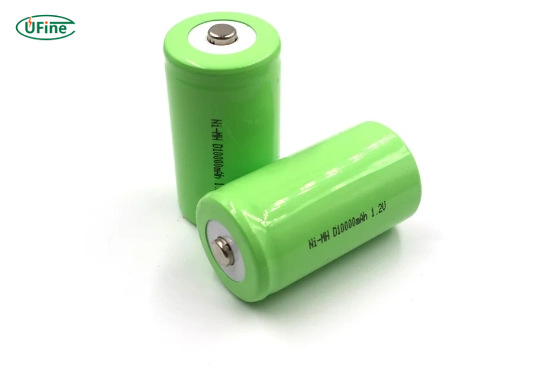
Rechargeable D batteries are reusable cylindrical batteries designed for devices that need higher current and longer operating time than AA or AAA batteries. Unlike disposable alkaline batteries, rechargeable D batteries can be charged hundreds or even thousands of times using a compatible charger.
The most common rechargeable D battery types include:
- Nickel-Metal Hydride (NiMH)
- Nickel-Cadmium (NiCd)
- Lithium-ion (Li-ion)
Rechargeable D batteries are commonly used in:
- High-power flashlights
- Emergency radios
- Portable speakers
- Medical equipment
- Industrial tools
- Toys and educational devices
- Camping and outdoor equipment
Part 2. Rechargeable D batteries vs disposable D batteries
| Feature | Rechargeable D Batteries | Disposable Alkaline D Batteries |
|---|---|---|
| Voltage | Usually 1.2V | Usually 1.5V |
| Rechargeable | Yes | No |
| Cycle Life | 500–2000 cycles | Single use |
| Long-Term Cost | Lower | Higher |
| Best For | Frequent-use devices | Low-drain occasional devices |
Many users ask whether 1.2V rechargeable D batteries can replace 1.5V disposable batteries. In most devices, the answer is yes. Flashlights, radios, toys, and portable electronics usually work normally with rechargeable D batteries.
However, some sensitive equipment designed specifically for 1.5V alkaline batteries may experience shorter runtime or compatibility issues. Always check the device manufacturer’s voltage requirements before replacement.
Part 3. Types of rechargeable D batteries
1 Nimh rechargeable D batteries
NiMH rechargeable D batteries are currently the most popular option. They provide stable performance, relatively high capacity, and good safety.
Advantages:
- Good balance between price and performance
- Lower memory effect than NiCd batteries
- Widely compatible with D cell chargers
- Suitable for household and industrial applications
Disadvantages:
- Higher self-discharge than Li-ion batteries
- Performance may drop in extreme temperatures
2 Nicd rechargeable D batteries
NiCd batteries were widely used in older rechargeable systems. They are durable and can handle high discharge rates, but they are less common today.
Advantages:
- Good performance under heavy load
- Durable in harsh environments
Disadvantages:
- Memory effect issues
- Contains toxic cadmium
- Lower energy density than NiMH
3 Li-ion rechargeable D batteries
Li-ion rechargeable D batteries offer higher energy density and longer runtime than traditional NiMH batteries. They are commonly used in high-drain devices and professional equipment.
Advantages:
- Higher capacity and longer operating time
- Lighter weight
- Lower self-discharge rate
- Longer service life
Disadvantages:
- Higher cost
- Requires dedicated lithium battery chargers
- Protection circuits are often required
Part 4. How to choose the right rechargeable D batteries with charger
Choosing the right rechargeable batteries and charger depends on your device type, runtime requirements, and charging frequency.
Battery Capacity (mAh)
Battery capacity determines how long the battery can operate before recharging. Higher mAh ratings generally provide longer runtime.
- Low-drain devices: 3000–5000mAh
- High-drain devices: 8000mAh or higher
Battery Chemistry
- Choose NiMH for general-purpose household use.
- Choose Li-ion for high-performance devices.
- Avoid NiCd unless compatibility with older equipment is required.
D Battery Charger Compatibility
Not every battery charger for rechargeable D batteries supports all chemistries. Some chargers only support NiMH or NiCd batteries, while lithium chargers require dedicated charging protection and voltage control.
Using the wrong type D battery charger can reduce battery life or create safety risks.
Smart Charger Features
Modern rechargeable batteries D charger systems often include:
- Automatic shutoff
- Overcharge protection
- Temperature monitoring
- Trickle charging
- Independent charging channels
These functions help improve charging efficiency and extend battery lifespan.
Part 5. How to recharge D batteries properly
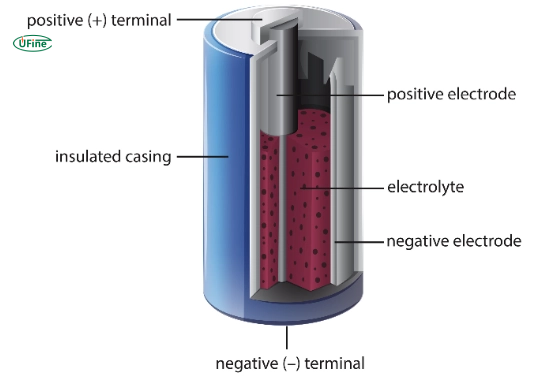
Proper charging methods are important for battery safety and long-term performance.
Charging Steps
- Insert the rechargeable D batteries into the correct charging slots.
- Confirm the charger supports the battery chemistry.
- Charge in a dry and ventilated environment.
- Monitor the charging indicator or display.
- Remove batteries after charging is complete if the charger does not support automatic maintenance mode.
Charging Time
Charging time depends on:
- Battery capacity
- Charger output current
- Battery chemistry
- Battery condition
Most rechargeable D cell batteries with charger systems require 4–12 hours for a full charge.
Part 6. Common problems with rechargeable D batteries
Battery Not Holding Charge
This is usually caused by aging cells, overcharging, or repeated deep discharge cycles.
Overheating During Charging
Overheating may indicate:
- Incompatible charger
- Damaged battery cells
- Excessive charging current
Short Runtime
Low runtime can result from low-capacity batteries or high-drain applications exceeding battery capability.
Memory Effect
Memory effect mainly affects older NiCd batteries. Modern NiMH rechargeable D batteries experience this problem far less often.
Part 7. Best applications for rechargeable D batteries
| Application | Recommended Battery Type |
|---|---|
| Flashlights | NiMH or Li-ion |
| Emergency Radios | NiMH |
| Portable Speakers | Li-ion |
| Toys | NiMH |
| Industrial Equipment | Li-ion |
| Medical Devices | High-quality NiMH or Li-ion |
Part 8. Rechargeable d batteries safety and maintenance tips
- Do not mix old and new batteries.
- Do not mix battery chemistries.
- Avoid overcharging and deep discharge.
- Store batteries in a cool and dry location.
- Replace damaged or swollen batteries immediately.
- Use only compatible D cell chargers.
For battery safety recommendations, refer to OSHA battery safety guidelines and IEC battery handling standards.
Part 9. Rechargeable D batteries and environmental impact
Rechargeable batteries significantly reduce battery waste compared with disposable batteries. One rechargeable D battery may replace hundreds of single-use batteries during its service life.
Used rechargeable batteries should be recycled through certified battery recycling programs. The U.S. EPA battery recycling guide provides additional disposal recommendations.
Related battery resources
Part 10. Rechargeable D batteries with charger FAQs
Can rechargeable D batteries replace regular D batteries?
Yes. Most devices can use rechargeable D batteries instead of disposable alkaline batteries, although rechargeable versions usually provide 1.2V instead of 1.5V.
What is the best rechargeable D battery charger?
The best D battery charger should support the correct battery chemistry, provide overcharge protection, and include smart charging functions such as automatic shutoff and temperature monitoring.
How long do rechargeable D batteries last?
Most rechargeable D batteries last between 500 and 2000 charging cycles, depending on battery chemistry, charging conditions, and usage patterns.
Can I charge rechargeable D batteries in any charger?
No. Always use a charger designed for your battery chemistry. NiMH, NiCd, and Li-ion batteries require different charging methods.
Why are rechargeable D batteries only 1.2V?
Most rechargeable D batteries use NiMH chemistry, which naturally operates at 1.2V. Disposable alkaline batteries provide 1.5V, but most devices work normally with 1.2V rechargeable batteries.
Related Tags:

More Articles

Types of Flat Batteries: Choosing the Perfect Option for You
Learn common flat battery types, including lithium-ion, alkaline, NiMH, and small flat batteries. Compare uses, sizes, lifespan, and selection tips.
Can Lithium Batteries Be Recycled and How to Recycle?
Discover the real lithium battery recycling process, hidden challenges, material recovery methods, and future EV battery trends.
The Ultimate Guide to Small Size Battery
Learn small battery types, sizes, and applications. Compare lithium, alkaline, and coin cells. Find the best small size battery for your device or project.
Lithium Battery Comparison: Soft Pack Vs. Hard Pack
Compare soft pack vs hard pack lithium battery. Understand structure, safety, energy density, and applications to choose the right battery.
What Size are 18650 Batteries?
Learn exact 18650 battery dimensions (18mm × 65mm), tolerances, and pack configurations. Compare 18650 size with 21700 and others for better battery selection.