
- Key Takeaways
- Part 1. What is a flat battery?
- Part 2. Main types of flat batteries
- Part 3. Flat battery types comparison table
- Part 4. How to choose the right flat battery?
- Part 5. Typical applications of flat batteries
- Part 6. How long do flat batteries last?
- Part 7. Tips to extend flat battery lifespan
- Part 8. Flat battery applications by device type
- Part 9. Flat battery FAQs
Flat batteries power many modern devices. You can find them in watches, medical devices, laptops, remote controls, IoT products, camcorders, and industrial equipment.
However, not all flat battery types are the same. Some are designed for high-drain electronics, while others focus on long shelf life or low cost. Choosing the wrong flat battery can reduce runtime, shorten device life, or even create safety issues.
This guide explains the most common flat batteries, their differences, and how to choose the best option for your application.
Key Takeaways
- Flat batteries are thin or compact batteries designed for space-limited devices.
- The main flat battery types include lithium-ion, lithium polymer, alkaline, NiMH, zinc-carbon, and lead-acid batteries.
- Lithium-ion and lithium polymer batteries are the most common rechargeable flat batteries for modern electronics.
- Small flat batteries are widely used in wearables, medical devices, remote controls, and camcorders.
- Battery selection should consider voltage, capacity, recharge cycles, discharge rate, size, and safety requirements.
- For OEM products and custom electronics, flat lithium batteries offer the best balance of energy density and compact design.
Part 1. What is a flat battery?
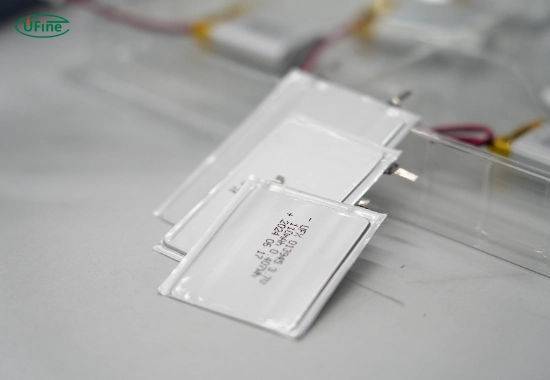
A flat battery is a battery with a thin, compact, or low-profile structure. Compared with traditional cylindrical batteries, flat batteries save space and fit easily inside slim electronic products.
The term “flat battery” can refer to several battery shapes, including:
- Pouch batteries
- Coin cells
- Prismatic batteries
- Slim lithium polymer packs
- Small flat disposable batteries
Many users also search for:
- flat battery name
- flat battery types
- small flat battery
- flat shape type battery camcorders
In consumer electronics, flat batteries are popular because they reduce product thickness while still delivering stable power.
Common applications include:
- Smartphones
- Tablets
- Bluetooth devices
- Medical instruments
- Digital cameras
- Camcorders
- GPS trackers
- Smart cards
- Wearables
- Backup power systems
Part 2. Main types of flat batteries
Different flat battery types use different chemistries and structures. Each type has unique advantages.
1 Lithium-ion flat batteries
Lithium-ion batteries are the most widely used rechargeable flat batteries today. They offer high energy density, lightweight construction, and long cycle life.
Most smartphones, laptops, and portable industrial devices use flat lithium-ion batteries.
Key Features
- High energy density
- Lightweight
- Rechargeable
- Low self-discharge
- Long service life
Typical Applications
- Smartphones
- Tablets
- Portable medical devices
- Industrial handheld terminals
- Electric mobility products
Advantages
- Excellent runtime
- Compact size
- Fast charging capability
- Lower maintenance requirements
Limitations
- Higher initial cost
- Requires protection circuits
- Sensitive to overheating
For slim electronic designs, many manufacturers use customized pouch lithium batteries.
Read more: Flat Lithium Ion Battery Guide
2 Lithium polymer (lipo) batteries
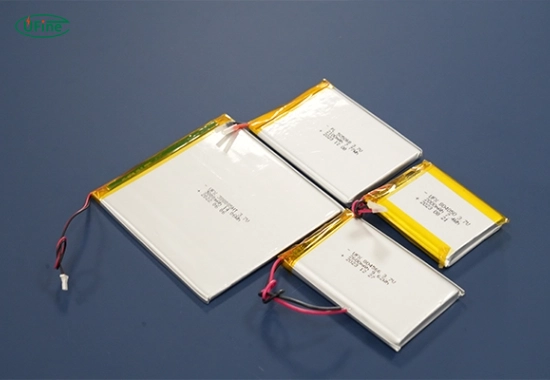
Lithium polymer batteries are a special type of flat lithium battery. They use a flexible polymer electrolyte and are commonly manufactured in ultra-thin pouch formats.
LiPo batteries are one of the most common answers to the question: “What is a flat shape type battery for camcorders or drones?”
Key Features
- Ultra-thin design
- Flexible shapes
- Lightweight structure
- High discharge capability
Common Uses
- Drones
- Camcorders
- Wearables
- RC devices
- Smart devices
Advantages
- Very slim profile
- Custom sizes available
- High power output
Limitations
- More sensitive to physical damage
- Requires careful charging management
For custom projects, many OEM manufacturers choose LiPo batteries because they support flexible dimensions.
3 Nickel-metal hydride (nimh) batteries
NiMH batteries are rechargeable batteries often used in medium-drain devices. They are safer than older nickel-cadmium batteries and more environmentally friendly.
Common Applications
- Digital cameras
- Emergency lighting
- Power tools
- Portable electronics
Advantages
- Rechargeable
- Good capacity
- Safer chemistry
- Lower environmental impact
Limitations
- Higher self-discharge than lithium batteries
- Lower energy density
NiMH flat batteries are less common in modern ultra-thin devices but still useful in industrial and consumer applications.
4 Alkaline flat batteries
Alkaline batteries are among the most common disposable flat batteries. They are widely available and inexpensive.
Many small flat batteries used in remote controls, toys, calculators, and clocks are alkaline-based.
Advantages
- Long shelf life
- Low cost
- Easy to replace
- Good availability
Limitations
- Non-rechargeable
- Lower performance in high-drain devices
Typical Uses
- Remote controls
- Flashlights
- Clocks
- Household electronics
5 Zinc-carbon batteries
Zinc-carbon batteries are one of the oldest battery types. They are inexpensive and suitable for low-power applications.
Advantages
- Very affordable
- Simple design
- Suitable for low-drain devices
Limitations
- Lower capacity
- Shorter lifespan
- Poor high-drain performance
Common Uses
- Radios
- Wall clocks
- Basic flashlights
Today, zinc-carbon batteries are gradually being replaced by alkaline and lithium batteries.
6 Lead-acid flat batteries
Lead-acid batteries are larger and heavier than other flat batteries. However, they remain important in automotive and backup energy systems.
Some thin sealed lead-acid batteries are designed in flat rectangular forms.
Common Applications
- UPS systems
- Solar storage
- Automotive starting systems
- Emergency backup power
Advantages
- Reliable
- Low upfront cost
- Mature technology
Limitations
- Heavy weight
- Lower energy density
- Limited cycle life
For renewable energy storage, lithium batteries are increasingly replacing lead-acid systems because they offer longer lifespan and lower maintenance.
Part 3. Flat battery types comparison table
| Battery Type | Rechargeable | Energy Density | Typical Lifespan | Common Applications |
|---|---|---|---|---|
| Lithium-Ion | Yes | High | 2–5 years | Phones, tablets, industrial devices |
| Lithium Polymer | Yes | High | 2–4 years | Drones, camcorders, wearables |
| NiMH | Yes | Medium | 2–5 years | Cameras, tools |
| Alkaline | No | Medium | 5–10 years shelf life | Remote controls, toys |
| Zinc-Carbon | No | Low | Short | Clocks, radios |
| Lead-Acid | Yes | Low | 3–5 years | UPS, vehicles |
Part 4. How to choose the right flat battery?
Selecting the correct flat battery depends on both electrical and mechanical requirements.
1. Check Battery Size and Shape
Not all flat batteries have the same dimensions. Always verify:
- Length
- Width
- Thickness
- Connector type
For compact products, even 1 mm difference may affect assembly.
2. Consider Voltage Requirements
Using the wrong voltage may damage the device.
Common flat battery voltages include:
- 3V coin cells
- 3.7V lithium-ion batteries
- 7.4V lithium packs
- 12V lead-acid batteries
Always match the device specification.
3. Evaluate Capacity
Battery capacity determines runtime.
Capacity is usually measured in:
- mAh (milliamp-hours)
- Wh (watt-hours)
Higher capacity generally means:
- Longer runtime
- Larger size
- Higher cost
4. Decide Between Rechargeable and Disposable
Rechargeable flat batteries are better for:
- Frequent use
- Industrial devices
- Long-term cost savings
Disposable batteries are better for:
- Low-drain devices
- Emergency backup
- Long shelf storage
5. Review Environmental Conditions
Temperature strongly affects battery performance.
Lithium batteries may lose efficiency in extreme cold or heat. Industrial applications may require:
- High-temperature batteries
- Low-temperature batteries
- Waterproof battery packs
Resource:
Lithium-Ion Battery Temperature Range Guide
Part 5. Typical applications of flat batteries
Consumer Electronics
Flat batteries dominate modern portable electronics because they support thinner product designs.
Examples include:
- Smartphones
- Earbuds
- Smart watches
- Tablets
Medical Equipment
Medical equipment often uses small flat batteries because they are lightweight and reliable.
Applications include:
- Glucose monitors
- Portable scanners
- Hearing devices
- Patient monitoring systems
Industrial Equipment
Industrial flat batteries power:
- GPS trackers
- IoT devices
- Portable sensors
- Inspection equipment
Custom lithium battery packs are especially popular in industrial OEM projects.
Camcorders and Cameras
Many users search for:
“what is a flat shape type battery camcorders”
Most modern camcorders use rechargeable lithium-ion or lithium polymer batteries because they provide:
- Lightweight design
- Long recording time
- Compact form factor
Renewable Energy and Backup Systems
Flat battery systems are increasingly used in:
- Solar storage
- UPS backup
- Portable energy stations
Lithium batteries are replacing lead-acid systems in many installations due to higher efficiency and longer cycle life.
Part 6. How long do flat batteries last?
Battery lifespan depends on:
- Chemistry
- Charge cycles
- Usage patterns
- Storage conditions
- Temperature
Average Lifespan by Battery Type
| Battery Type | Average Lifespan |
|---|---|
| Lithium-Ion | 2–5 years |
| Lithium Polymer | 2–4 years |
| NiMH | 2–5 years |
| Alkaline | Up to 10 years shelf life |
| Lead-Acid | 3–5 years |
Proper charging and storage can significantly extend battery life.
Part 7. Tips to extend flat battery lifespan
Avoid Overcharging
Overcharging increases heat and accelerates battery degradation.
Use:
- Certified chargers
- Proper charging voltage
- Battery management systems (BMS)
Avoid Deep Discharge
For lithium batteries, keeping charge levels between 20% and 80% can improve cycle life.
Store Batteries Correctly
Store batteries:
- In dry conditions
- Away from direct sunlight
- At moderate temperatures
The U.S. Consumer Product Safety Commission also recommends avoiding damaged or swollen lithium batteries.
External Reference:
CPSC Lithium-Ion Battery Safety
Part 8. Flat battery applications by device type
| Device Type | Recommended Flat Battery |
|---|---|
| Smartphone | Lithium-ion |
| Camcorder | Lithium polymer |
| Remote control | Alkaline |
| Medical wearable | LiPo |
| UPS backup | Lead-acid or LiFePO4 |
| IoT sensor | Small lithium battery |
| Digital camera | NiMH or Li-ion |
Part 9. Flat battery FAQs
What are the main flat battery types?
The main flat battery types include lithium-ion, lithium polymer, NiMH, alkaline, zinc-carbon, and lead-acid batteries. Each type is designed for different power, size, and recharge requirements.
What is a flat battery commonly used for?
Flat batteries are commonly used in smartphones, wearables, medical devices, remote controls, digital cameras, and industrial electronics where compact size is important.
What is the best small flat battery for portable electronics?
Lithium polymer batteries are usually the best option for portable electronics because they are thin, lightweight, and rechargeable.
Are flat batteries rechargeable?
Some flat batteries are rechargeable, including lithium-ion, lithium polymer, and NiMH batteries. Others, like alkaline and zinc-carbon batteries, are disposable.
What is a flat shape type battery for camcorders?
Most modern camcorders use flat lithium-ion or lithium polymer battery packs. These batteries provide long runtime while keeping the device lightweight and compact.
Related Tags:

More Articles
What Does BMS Mean? (Battery Management System)
Discover what a BMS is, its main components, key functions, applications, and why it’s essential for lithium battery safety.
Can Lithium Batteries Catch Fire When Not in Use?
Can lithium batteries catch fire when not in use? Learn the main causes of lithium battery fires, storage safety tips, and how to reduce fire risks.
How Battery Heaters Improve Performance in Low Temperatures
Learn how battery heaters improve battery performance in cold weather. Explore battery heating systems, benefits, applications, and selection tips.
Aluminum Air Battery Design: Materials, Assembly & Efficiency Tips
Learn how an aluminum air battery works, its materials, assembly process, efficiency factors, advantages, limitations, and key applications.
AGM vs Flooded Battery: A Detailed Comparison
Compare AGM vs flooded battery performance, cost, lifespan, charging speed, and maintenance. Find the best battery for your application.


