- Part 1. Understanding the 8V battery
- Part 2. 8V battery voltage chart
- Part 3. Different types of 8V batteries
- Part 4. 8V deep cycle battery
- Part 5. 8V golf cart battery
- Part 6. 8V car battery
- Part 7. How long can an 8V battery last?
- Part 8. What battery can replace an 8V battery?
- Part 9. What kind of charger is used for an 8V battery?
- Part 10. 8V Battery price
- Part 11. FAQs
Part 1. Understanding the 8V battery
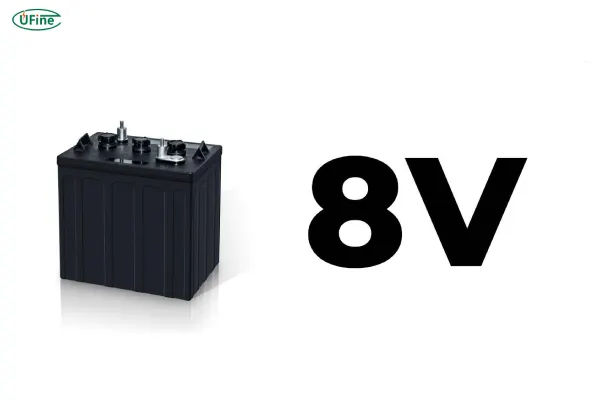
An 8V battery is a power storage device that delivers a nominal voltage of 8 volts. This specific voltage rating makes it suitable for applications that require a balance between the lower 6V and higher 12V batteries. Commonly, 8V batteries are utilized in:
- Golf Carts: Providing the necessary power to navigate various terrains efficiently.
- Classic Cars: Enhancing performance in vintage vehicles originally designed for 6V systems.
- Industrial Equipment: Powering machinery that demands consistent and reliable energy output.
- Renewable Energy Systems: Serving as storage units in solar and wind energy setups.
The choice of an 8V battery often stems from its ability to offer more power than a 6V battery while being more compact than a 12V alternative. This middle-ground voltage is particularly advantageous in applications where space and weight are critical considerations.
Part 2. 8V battery voltage chart
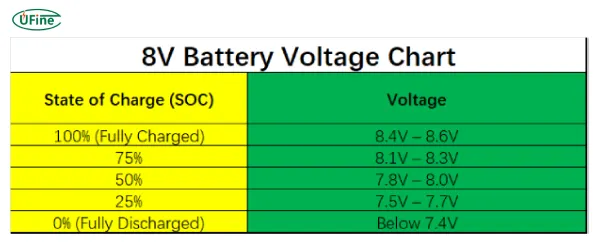
The performance and health of an 8V battery can be assessed by monitoring its voltage levels. Voltage readings provide insights into the battery’s state of charge (SOC) and overall condition. Here’s a typical voltage chart for an 8V lead-acid battery:
It’s important to note that these values can vary slightly based on the battery’s chemistry and age. Regular monitoring ensures optimal performance and longevity.
Part 3. Different types of 8V batteries
The 8V battery market offers various types, each designed to meet specific needs and applications. The primary categories include:
-
Lead-Acid Batteries:
- Flooded Lead-Acid: Traditional design with liquid electrolyte; requires regular maintenance.
- Absorbent Glass Mat (AGM): Features a fiberglass mat to absorb the electrolyte, reducing spillage and maintenance.
- Gel Cell: Contains a gelled electrolyte, offering better resistance to vibration and temperature extremes.
-
Lithium-Ion Batteries:
- Lithium Iron Phosphate (LiFePO4): Known for safety, long cycle life, and consistent performance.
- Lithium Nickel Manganese Cobalt Oxide (NMC): Offers high energy density and versatility across applications.
-
Deep Cycle Batteries:
- Designed to provide sustained power over extended periods, ideal for applications like golf carts and renewable energy storage.
AGM VS Lithium VS Lead-Acid Battery: Comprehensive Comparison
Part 4. 8V deep cycle battery
Deep cycle batteries are engineered to deliver a steady amount of current over a long duration. Unlike starter batteries, which provide short bursts of energy, deep cycle batteries are designed for deep discharges and regular cycling.
Key Features:
- Thick Plates: Enhance durability and allow for deep discharges.
- Robust Construction: Built to withstand frequent cycling without significant capacity loss.
- Low Self-Discharge Rate: Retains charge over extended periods when not in use.
These characteristics make 8V deep cycle batteries a preferred choice for applications requiring reliable and consistent power output.
Part 5. 8V golf cart battery
Golf carts have evolved from simple transportation means on golf courses to versatile vehicles used in various settings, including resorts, airports, and residential communities. The 8V battery plays a pivotal role in powering these carts efficiently.
Advantages of 8V Batteries in Golf Carts:
- Optimal Voltage Configuration: Using six 8V batteries achieves a 48V system, providing a balance between power and efficiency.
- Space Efficiency: Offers a compact solution, allowing for better weight distribution and space utilization within the cart.
- Cost-Effectiveness: Strikes a balance between performance and cost, making it a popular choice among golf cart owners.
Regular maintenance, including proper charging practices and electrolyte level checks, ensures these batteries deliver optimal performance over their lifespan.
Part 6. 8V car battery
In the realm of classic and vintage automobiles, 8V batteries hold a special place. Many vehicles from the early to mid-20th century were equipped with 6V electrical systems. However, to enhance performance without a complete overhaul of the electrical system, owners often opt for 8V batteries.
Benefits:
- Improved Starting Power: Provides a higher voltage, facilitating better engine cranking.
- Enhanced Lighting: Brighter headlights and improved electrical component performance.
- Compatibility with Older Systems: Works as a middle-ground solution without the need for extensive modifications to classic car electrical setups.
Although 8V car batteries offer advantages, it’s essential to ensure that the voltage increase does not strain the vehicle’s electrical components. Regular maintenance is also crucial to prevent overcharging or undercharging, which can impact battery life.
Part 7. How long can an 8V battery last?
The lifespan of an 8V battery depends on several factors, including battery type, usage, and maintenance. On average:
- Lead-Acid 8V Batteries: Typically last 3 to 6 years with proper care. Frequent deep discharges can shorten lifespan.
- AGM & Gel 8V Batteries: Last 4 to 7 years, as they are more resistant to vibration and deep cycling.
- Lithium-Ion 8V Batteries: Have the longest lifespan, often exceeding 10 years, due to their high energy efficiency and deep discharge tolerance.
To maximize battery life:
- Charge properly: Avoid overcharging or letting the battery drain completely.
- Store correctly: Keep batteries in a cool, dry place to prevent heat damage.
- Regular maintenance: Check electrolyte levels in lead-acid batteries and clean terminals to prevent corrosion.
Part 8. What battery can replace an 8V battery?
In some cases, finding an exact 8V replacement can be difficult. If necessary, you may consider alternatives:
- Two 4V Batteries in Series: Connecting two 4V batteries in series provides a total of 8V.
- One 12V Battery with a Voltage Regulator: In applications where an 8V battery is hard to find, using a 12V battery with a step-down voltage regulator can work.
- Six 1.5V Cells in Series: This setup can be useful for smaller applications where 8V batteries are not readily available.
While these alternatives can work, they may not always offer the same longevity or efficiency as a true 8V battery.
Part 9. What kind of charger is used for an 8V battery?
Charging an 8V battery requires a compatible charger that delivers the correct voltage and current. Options include:
- 8V-Specific Chargers: Designed specifically for 8V batteries, ensuring proper charging without overcharging.
- Adjustable Voltage Chargers: Some smart chargers allow voltage adjustments and can be set to 8V.
- Trickle Chargers: Useful for maintaining battery charge when the battery is not in regular use, especially for classic cars and golf carts.
When charging, it’s crucial to:
- Ensure the charger is compatible with the battery chemistry (lead-acid, lithium-ion, etc.).
- Avoid overcharging, as excessive voltage can cause overheating and shorten battery life.
- Charge in a well-ventilated area, particularly for lead-acid batteries, as they can emit gases.
Part 10. 8V Battery price
The cost of an 8V battery varies depending on type, brand, and capacity:
- Flooded Lead-Acid 8V Battery: $80 – $150
- AGM or Gel 8V Battery: $120 – $200
- Lithium-Ion 8V Battery: $200 – $500
Lithium-ion batteries are more expensive but offer longer lifespans and higher efficiency, making them cost-effective in the long run. When purchasing an 8V battery, it’s essential to consider the total cost of ownership, including maintenance and replacement frequency.
Part 11. FAQs
-
Can I use a 6V or 12V battery instead of an 8V battery?
A 6V battery may not provide enough power, and a 12V battery may damage electrical components unless a voltage regulator is used. -
Why are 8V batteries commonly used in golf carts?
They provide a good balance between power, efficiency, and battery size, making them ideal for 48V systems. -
How do I know when my 8V battery needs replacement?
Signs include reduced runtime, difficulty starting equipment, and voltage dropping below 7.4V under load. -
Are 8V lithium batteries better than lead-acid batteries?
Yes, they offer longer lifespan, faster charging, and lighter weight, but they are more expensive. -
Can I charge an 8V battery with a 12V charger?
No, using a 12V charger on an 8V battery can cause overcharging and damage. Always use a compatible charger.
Related Tags:

More Articles
Silicon Battery Anode vs. Graphite: The Future of Lithium Battery Anodes
Silicon battery anode offers higher energy density than graphite anode. Learn differences, advantages, challenges and hybrid lithium battery solutions.
What Are the Different Types of Disposable Batteries? Understanding Your Options
Disposable batteries power everyday devices like remotes and cameras. Learn types, features, uses, and how to choose the right disposable battery.
What Is Thermal Runaway Lithium Ion Battery?
Learn what lithium-ion battery thermal runaway is, why it happens, warning signs, risks, and proven prevention methods for EVs and energy storage systems.
Watt Hours to Amp Hours: Calculate and Compare
Learn how to convert Wh to Ah using simple formulas. Understand battery capacity in watt-hours and amp-hours for accurate sizing.
What Is the Right Watch Battery Voltage for Your Timepiece? A Complete Guide
Learn watch battery voltage types: 1.5V silver oxide, 3V coin cells, and 3.7V smartwatch lithium batteries. Choose the right battery for your device.