
- Key Takeaways
- Part 1. Battery basics (quick refresher)
- Part 2. Lithium-ion batteries (li-ion): Industry standard
- Part 3. Nickel metal hydride batteries (nimh): Proven and safe
- Part 4. Solid-state batteries: Next-generation technology
- Part 5. Li-ion vs nimh vs solid-state: Core comparison
- Part 6. Lithium-ion vs nimh vs solid-state battery applications & selection guide
- Part 7. FAQs about lithium-ion vs nimh vs solid-state battery
In today’s battery market, engineers and buyers often ask a practical question: which is better, lithium-ion, nickel metal hydride, or solid-state batteries?
The answer depends on your application, cost targets, and safety needs. This guide explains the key technical differences and helps you choose the right battery for real-world use.
Key Takeaways
- Lithium-ion (Li-ion) offers the best balance of energy density, cycle life, and size, making it the default choice for most modern devices.
- NiMH (nickel metal hydride) is safer and more tolerant but heavier, with higher self-discharge—best for cost-sensitive or rugged applications.
- Solid-state batteries promise higher energy density and safety, but are still limited by cost and manufacturing scale.
- For most real-world use cases today, Li-ion dominates, while NiMH remains relevant in hybrids and industrial tools.
- Solid-state is not yet a mass-market replacement, but is critical for future EV and high-end applications.
Part 1. Battery basics (quick refresher)
All batteries work through electrochemical reactions between:
- Anode (negative electrode)
- Cathode (positive electrode)
- Electrolyte (ion transport medium)
The key difference between Li-ion, NiMH, and solid-state batteries lies in materials and electrolyte type, which directly impact energy density, safety, and lifespan.
Part 2. Lithium-ion batteries (li-ion): Industry standard
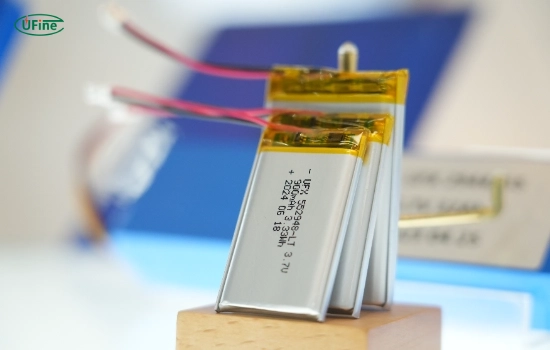
Lithium-ion is the benchmark in most “li ion vs nimh” comparisons.
Key Advantages
- High Energy Density (150–250 Wh/kg)
- Ideal for portable and space-limited devices like EVs and electronics.
- Low Self-discharge
- Retains charge longer than NiMH during storage.
- Long Cycle Life
- Typically 500–1500 cycles depending on chemistry.
- Flexible Form Factors
- Supports pouch, cylindrical (e.g., 18650), and prismatic designs.
👉 Learn more in our internal guide: What is a lithium-ion battery?
Limitations
- Thermal runaway risk (requires BMS protection)
- Higher cost vs NiMH
- Raw material concerns (lithium, cobalt sourcing)
Part 3. Nickel metal hydride batteries (nimh): Proven and safe
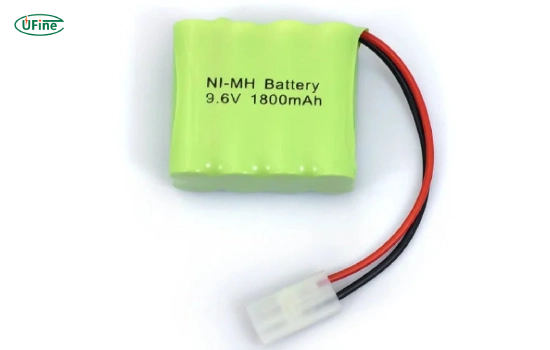
In many nickel metal hydride vs lithium ion discussions, NiMH is valued for reliability.
Key Advantages
- High Safety
- Low risk of fire or thermal runaway.
- Environmentally Safer Chemistry
- No cadmium (unlike NiCd), easier recycling.
- Strong Low-temperature Stability
- Performs better than some Li-ion chemistries in cold environments.
Limitations
- Lower Energy Density (60–120 Wh/kg)
- High Self-discharge (can lose ~20–30% per month)
- Memory Effect (milder than NiCd but still exists)
👉 Related comparison: NiMH vs Lithium Battery: Practical Differences
Part 4. Solid-state batteries: Next-generation technology
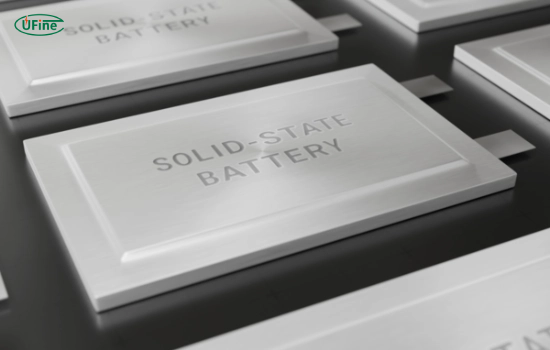
Solid-state batteries are often compared in solid state battery vs lithium ion discussions.
Key Advantages
- Very High Energy Density (300+ Wh/kg potential)
- Critical for next-gen EV range improvements.
- Superior Safety
- Solid electrolyte eliminates leakage and reduces fire risk.
- Longer Lifespan (Theoretical)
- Less degradation due to stable interfaces.
Limitations
- High manufacturing cost
- Scaling challenges
- Limited commercial availability
Part 5. Li-ion vs nimh vs solid-state: Core comparison
1 Performance comparison
| Metric | Lithium-ion | NiMH | Solid-state |
|---|---|---|---|
| Energy Density | High (150–250 Wh/kg) | Medium (60–120 Wh/kg) | Very High (300+ Wh/kg) |
| Safety | Medium | High | Very High |
| Cycle Life | 500–1500 | 300–800 | 1000+ (expected) |
| Self-discharge | Low | High | Very Low |
2 Cost comparison
| Battery Type | Current Cost | Trend |
|---|---|---|
| Li-ion | Medium–High | Decreasing |
| NiMH | Medium | Stable |
| Solid-state | Very High | Expected to drop |
3 Environmental impact
- Li-ion: Mining impact (lithium, cobalt), but improving recycling
- NiMH: More recyclable, but nickel mining still impactful
- Solid-state: Potentially cleaner, still under development
👉 Industry standards: IEA Global EV Battery Report
Part 6. Lithium-ion vs nimh vs solid-state battery applications & selection guide
- Consumer electronics
- Best choice: Lithium-ion
- Reason: High energy density and compact size
- Electric vehicles (EV & HEV)
- EVs: Lithium-ion dominates
- Hybrid vehicles: NiMH still widely used
👉 Why? NiMH offers better safety and durability under frequent cycling
- Solar & energy storage
- Current: Li-ion (LFP especially)
- Future: Solid-state (if cost drops)
👉 Learn more: How solar batteries work
- Industrial & power tools
- NiMH: Rugged, cost-effective
- Li-ion: Preferred for lightweight tools
- Medical devices
- Li-ion: Portable devices
- Solid-state: Implantables (future trend due to safety)
Part 7. FAQs about lithium-ion vs nimh vs solid-state battery
Which is better: lithium-ion vs NiMH battery?
In most cases, lithium-ion is better due to higher energy density and longer runtime. However, NiMH is safer and cheaper for less space-sensitive applications.
Why is Li-ion preferred over nickel metal hydride?
Because of lighter weight, higher capacity, and lower self-discharge, making it ideal for modern electronics.
Are NiMH batteries still used today?
Yes. They are widely used in hybrid vehicles, industrial tools, and backup systems where safety and durability matter more than size.
Is solid-state battery better than lithium-ion?
Technically yes, in energy density and safety. But today, it is not commercially competitive due to cost and production limits.
What is the future: solid-state or lithium-ion?
- Short term: Li-ion dominates
- Long term: Solid-state may replace Li-ion in EVs and high-end systems
Related Tags:

More Articles

JST vs Molex: The Right Battery Connector Choice
JST or Molex for your battery? Learn how connector selection affects current, voltage drop, reliability, and device performance.
Custom Battery Pricing: Costs Manufacturers Don’t Mention
A low battery quote may not be the final cost. Discover common hidden expenses that affect custom lithium battery projects.
Battery Wire Length: Hidden Cause of Power Loss
A longer battery wire can cause voltage drop, power loss, and unstable operation. Learn how wire length affects battery performance.
How Device Sleep Modes Affect Battery Life
Think sleep mode extends battery life? Learn why devices still drain power and how firmware, hardware, and batteries affect runtime.
LiPo Battery and PCB Design: Clearance, Insulation, and Placement
Learn how to optimize LiPo battery PCB clearance, insulation, placement, wiring, and thermal design—and avoid common integration mistakes.


