
- Part 1. What is battery acid?
- Part 2. Why do batteries leak acid?
- Part 3. Which batteries are most likely to leak acid?
- Part 4. How dangerous is battery acid?
- Part 5. Step-by-step: how to clean up battery acid safely
- Part 6. How to reduce the risk of battery acid leaks?
- Part 7. Proper disposal and recycling of batteries
- Part 8. FAQs
The global battery industry is expanding rapidly as batteries become essential for electric vehicles, energy storage systems, portable electronics, medical devices, and IoT products. According to the International Energy Agency (IEA), global electric vehicle battery deployment reached around 1.2 TWh in 2025, growing by nearly 30% compared with 2024, showing how quickly battery usage is increasing worldwide.
With more batteries being used in everyday products, battery leakage and corrosion have also become common concerns. Many people search questions like “what does battery acid look like,” “is battery acid dangerous,” or “are battery crystals dangerous” after discovering a leaking battery in a device, vehicle, or storage area.
Understanding what battery acid looks like and how to handle it safely can help you protect your devices, avoid chemical exposure, and prevent further damage.
Key takeaways
- Battery acid does not have one universal appearance. It may look like a clear liquid, white powder, crystals, corrosion, or dark residue depending on the battery type.
- Fresh battery electrolyte leaks can be dangerous because they may cause skin irritation, chemical burns, and damage to electronic components.
- Dried battery acid residue is not always harmless. Crystals and powder deposits may still contain reactive chemicals.
- Battery leakage is often caused by aging, overcharging, physical damage, improper storage, or extreme temperatures.
- Always identify the battery chemistry before cleaning a leak because different batteries require different handling methods.
Part 1. What is battery acid?
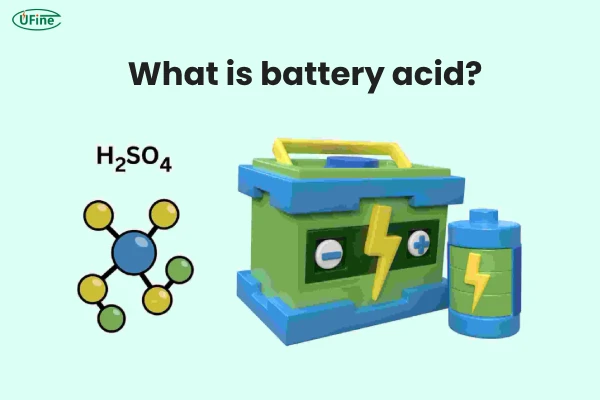
Defining Battery Acid: It’s Not Always “Acid”
The term “battery acid” is a bit misleading because not all battery leaks are acidic. Depending on the battery type, the leaking substance can be:
-
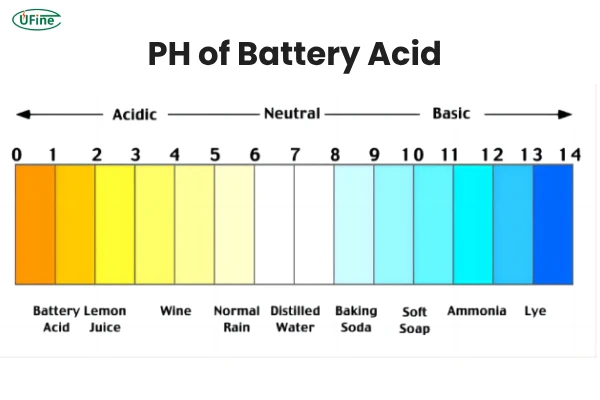
Alkaline (Basic): Found in AA, AAA, and other household batteries (potassium hydroxide, pH ~13-14)
-
Acidic: Found in lead-acid batteries like car batteries (sulfuric acid, pH ~0.8)
-
Other Electrolytes: Lithium batteries don’t contain “acid” but can leak harmful organic solvents
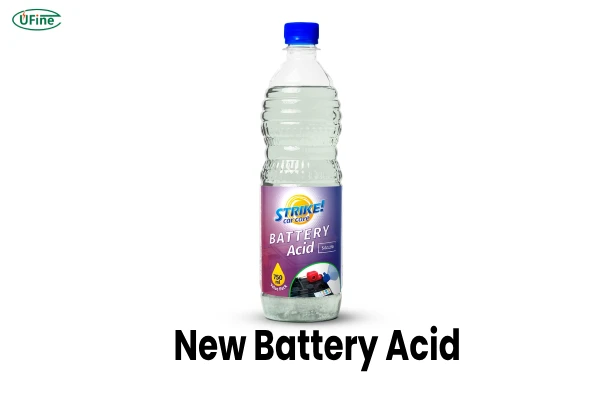
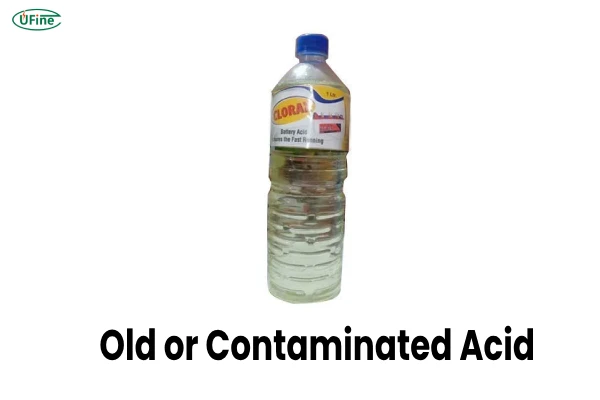
Battery acid is typically a clear, colorless liquid, but it can change over time.
- New battery acid – Transparent or slightly yellowish.
- Old or contaminated acid – Can turn brown, black, or cloudy due to chemical reactions and impurities.
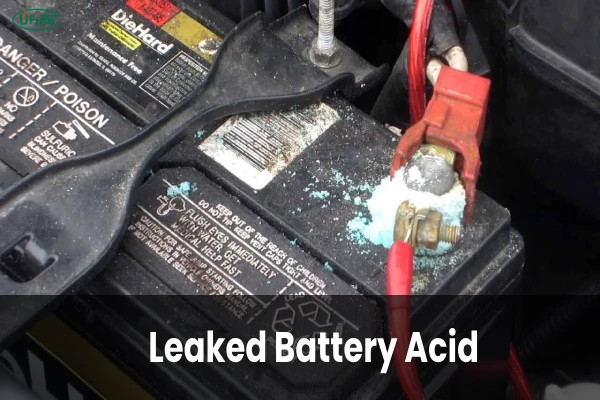
- Leaked battery acid – Often leaves behind a white, crusty residue when dried.
1 What Does Battery Acid Look Like? Identifying Different Types
| Battery Type | Leak Appearance | Smell | Texture |
|---|---|---|---|
| Alkaline (AA, AAA) | White/greenish crust | Metallic, sharp | Powdery, crystalline |
| Lead-Acid (Car Batteries) | Oily, wet liquid | Rotten eggs (sulfur) | Slick, corrosive |
| Lithium (Li-ion/LiPo) | Dark oily residue | Sweet, chemical-like | Sticky, flammable |
Key Insight:
-
Alkaline leaks form crystalline deposits as potassium hydroxide reacts with air.
-
Lead-acid leaks are wet and oily because sulfuric acid is liquid at room temperature.
-
Lithium battery leaks are less common but more dangerous—they can catch fire if exposed to air.
If you’re looking for safe, leak-proof lithium battery solutions, Ufine Battery provides custom lithium-ion and LiPo battery options for various applications. Contact us today!
2 Is battery acid oily or sticky?
A common question is whether battery acid feels oily or sticky.
The answer depends on the type of battery and the condition of the leakage.
Fresh electrolyte can sometimes appear slightly oily because some battery chemicals have a smooth liquid texture. However, battery acid is not the same as oil and should never be handled with bare hands.
Dried battery leakage can become:
- Sticky residue
- Powdery crystals
- Hard deposits around battery contacts
A sticky substance near a battery may indicate chemical leakage mixed with dust, dirt, or other materials. Even if the residue looks harmless, avoid direct skin contact.
When checking a leaking battery:
- Do not touch unknown residue directly.
- Wear gloves if inspection is necessary.
- Keep leaking batteries away from children and pets.
- Avoid breathing dust from dried deposits.
For general battery safety information and proper disposal guidance, you can also refer to resources from the U.S. Environmental Protection Agency (EPA): <a href=”https://www.epa.gov/recycle/used-household-batteries” rel=”nofollow”>EPA battery recycling guidance</a>.
3 What does battery acid smell like?
Battery acid smell can vary depending on battery chemistry and leakage conditions.
A lead-acid battery leak may have a sharp chemical smell because sulfuric acid interacts with surrounding materials. Lithium-ion battery leakage may produce a sweet, solvent-like odor due to organic electrolyte components.
Possible warning signs include:
- Strong chemical smell
- Burning or unusual odor
- Solvent-like smell from lithium batteries
- Gas smell around damaged batteries
A strange smell from a battery should be treated as a warning sign, especially if the battery is swollen, hot, damaged, or leaking.
Never intentionally smell a leaking battery closely. Chemical vapors or decomposition products may irritate your eyes, nose, and respiratory system.
Part 2. Why do batteries leak acid?
Batteries don’t just leak randomly—there are specific chemical and physical reasons why battery acid escapes.
Primary Causes of Battery Leaks
A. Chemical Degradation Over Time
All batteries slowly break down due to:
-
Self-discharge: Even unused batteries lose charge, leading to internal pressure changes.
-
Electrolyte breakdown: The liquid inside batteries gradually decomposes, forming gas.
B. Physical Damage
-
Punctures or cracks (e.g., dropping a battery)
-
Swelling due to overcharging (common in cheap rechargeables)
C. Temperature Extremes
-
Heat accelerates chemical reactions, increasing internal pressure.
-
Freezing can crack battery casings, especially in lead-acid batteries.
D. Poor Manufacturing (Especially in Cheap Batteries)
Low-quality batteries often:
-
Use thin casings that rupture easily.
-
Lack proper pressure vents, leading to leaks.
Pro Tip:
If you want leak-proof reliability, consider Ufine Battery’s premium lithium-ion cells, which are sealed better and less prone to leakage than standard alkaline batteries.
Part 3. Which batteries are most likely to leak acid?
Not all batteries leak equally. Here’s a detailed breakdown of which types are most problematic:
A. Alkaline Batteries (AA, AAA, etc.)
-
Leak Risk: High (especially after expiration)
-
Why? Potassium hydroxide reacts with CO₂ in air, forming crystals that rupture the casing.
-
Common Culprits: Cheap off-brand batteries left in devices for years.
B. Lead-Acid Batteries (Cars, UPS Systems)
-
Leak Risk: Moderate (usually due to overcharging or damage)
-
Why? Sulfuric acid is highly corrosive and can eat through metal over time.
C. Lithium-Ion (Phones, Laptops, Power Tools)
-
Leak Risk: Low (but dangerous when it happens)
-
Why? They contain flammable electrolytes, not acid, but leaks can cause fires.
D. Lithium Polymer (LiPo) Batteries (Drones, RC Cars)
-
Leak Risk: Very low (if undamaged)
-
Why? Solid polymer electrolytes are more stable than liquid ones.
Takeaway:
If you want maximum safety, lithium-based batteries (especially from Ufine Battery) are the best choice for leak resistance.
Part 4. How dangerous is battery acid?
Battery acid isn’t just messy—it can cause serious harm if not handled properly.
A. Skin Contact
-
Immediate Effect: Chemical burns, redness, pain.
-
Long-Term Risk: Scarring or nerve damage (with severe exposure).
B. Eye Exposure
-
Immediate Effect: Extreme pain, blurred vision.
-
Long-Term Risk: Permanent corneal damage or blindness.
C. Inhalation (Lead-Acid Fumes)
-
Immediate Effect: Coughing, dizziness, lung irritation.
-
Long-Term Risk: Respiratory issues, lead poisoning.
D. Ingestion (Extremely Dangerous!)
-
Immediate Effect: Mouth/throat burns, vomiting.
-
Long-Term Risk: Esophageal damage, internal bleeding.
First Aid Summary:
✔ Skin: Rinse with water for 15+ minutes.
✔ Eyes: Flush with saline solution immediately.
✔ Inhalation: Move to fresh air, seek medical help.
✔ Ingestion: Do NOT induce vomiting—call poison control.
Part 5. Step-by-step: how to clean up battery acid safely
For Alkaline Battery Leaks (White Powder)
-
Put on gloves & goggles (safety first!).
-
Neutralize with vinegar (mild acid counteracts the alkaline leak).
-
Scrub gently with a toothbrush, then wipe with a damp cloth.
-
Dispose of residue in a sealed bag.
For Lead-Acid Battery Leaks (Wet Acid)
-
Sprinkle baking soda to neutralize the sulfuric acid.
-
Wait 5 minutes (it will bubble as it reacts).
-
Wipe up with paper towels, then rinse with water.
For Lithium Battery Leaks (Oily Residue)
⚠ Do NOT use water! (Lithium reacts violently with water.)
✔ Use sand or a Class D fire extinguisher if the battery is smoking.
The Ultimate Guide to Remove Battery Corrosion
Part 6. How to reduce the risk of battery acid leaks?
Prevention is always better than dealing with a dangerous acid spill. Here’s how you can minimize battery acid leaks:
✔ Store Batteries Properly – Keep them in a cool, dry place away from direct sunlight.
✔ Use the Right Charger – Overcharging leads to overheating and acid leaks.
✔ Inspect Regularly – Look for bulging, corrosion, or cracks in the battery casing.
✔ Dispose of Old Batteries – Don’t use expired or damaged batteries.
✔ Switch to Safer Alternatives – Consider using lithium batteries that do not leak acid.
Part 7. Proper disposal and recycling of batteries
Battery acid is not only dangerous to humans—it can also cause serious environmental damage if not disposed of correctly.
How to Dispose of Different Batteries
✔ Lead-Acid Batteries – Take them to auto shops or recycling centers. Many retailers accept old batteries.
✔ Lithium Batteries – Find a certified e-waste recycler to ensure proper disposal.
✔ Household Batteries (AA, AAA, etc.) – Check local regulations on whether they require special disposal.
✔ Damaged or Leaking Batteries – Place in a sealed plastic bag and take them to a hazardous waste facility.
By recycling, we help reduce pollution and conserve valuable materials.
Part 8. FAQs
Can battery acid corrode metal?
Yes, battery acid is highly corrosive to metal. It can eat through aluminum, steel, and other materials over time. If acid spills on metal surfaces, clean it immediately with baking soda and water to prevent permanent damage.
Is dried battery acid still dangerous?
Yes, dried battery acid can leave behind corrosive salts, which can reactivate when exposed to moisture. If you see a white or crystalline residue around a battery, do not touch it with bare hands. Wear gloves and clean it with a baking soda solution.
Can I mix water with battery acid?
Never add water directly to concentrated battery acid, as this can cause a violent reaction and generate extreme heat. Instead, when diluting acid (if necessary), always add acid to water slowly while stirring to prevent dangerous splashes.
Can battery acid damage the environment?
Yes, battery acid is highly toxic to soil and water. If spilled outdoors, it can contaminate groundwater and harm plants and wildlife. Always clean up spills properly and dispose of batteries through recycling programs.
Related Tags:

More Articles
Glucometer Battery Types, Sizes and 10 Options Compared
Compare glucometer battery types, sizes and compatibility, including CR2032, AAA and rechargeable options, plus replacement and price guidance.
14500 Battery 3.7V Li-Ion Rechargeable: Options, Compatibility, and Buying Guide
Compare 14500 battery 3.7V Li-ion rechargeable options by capacity, size, charging and protection, plus what to verify before buying near you.
18650 Button Top Battery Guide: 10 Options Compared
Compare 18650 button top battery options by terminal type, protection, size and discharge needs, with practical tips for choosing the right battery.
2600mAh 18650 Battery: Specifications, Models, and Selection Guide
Compare 2600mAh 18650 battery specs, discharge ratings, protected vs unprotected designs, applications, safety, and supplier checks before choosing.
10 Drone Battery Options Compared for RC, FPV and Custom UAV Builds
Compare 10 drone battery options by voltage, capacity, C-rate, chemistry, connector and application fit, with guidance for RC, FPV and custom UAV builds.


