- Key Takeaways
- Part 1. What is a lithium ion forklift battery and how it works?
- Part 2. How we tested these lithium ion forklift batteries?
- Part 3. Lithium ion forklift battery comparison matrix
- Part 4. Best lithium ion forklift battery by use case
- Part 5. How to choose a lithium ion forklift battery?
- Part 6. Lithium ion forklift battery FAQs
Lithium ion forklift batteries are rapidly replacing lead-acid systems in modern warehouses due to faster charging, longer cycle life, and lower maintenance requirements. However, choosing the right lithium forklift battery is not just about brand — it depends on application, duty cycle, and system compatibility.
This guide compares major lithium ion forklift battery solutions and provides a practical, engineering-based framework to help fleet managers and procurement teams select the most suitable option.
Full disclosure: Ufine Battery is a lithium battery manufacturer, and our product is included in this guide. All batteries listed have been evaluated based on technical specifications, application fit, and publicly available performance data.
Key Takeaways
- Most lithium ion forklift batteries deliver 2–3× longer cycle life than lead-acid batteries.
- Opportunity charging allows continuous operation without battery swapping.
- Battery selection should focus on voltage compatibility, usable capacity, and application duty cycle.
- LiFePO4 lithium forklift batteries offer the best safety and thermal stability for industrial use.
- Total cost of ownership is typically lower despite higher upfront investment.
Part 1. What is a lithium ion forklift battery and how it works?
1 How Lithium Ion Forklift Batteries Work
A lithium ion forklift battery stores and releases energy through the movement of lithium ions between the cathode and anode. During charging, lithium ions move to the negative electrode; during discharge, they flow back, producing a stable and continuous power output.
Unlike lead-acid batteries, lithium-ion systems do not rely on chemical reactions involving liquid electrolyte breakdown, which explains their higher efficiency, faster charging, and longer lifespan.
2 Main Advantages Over Lead-Acid Batteries
- Charging time under 2 hours with no cool-down period
- 2,000–5,000 charge cycles depending on chemistry and depth of discharge
- No watering, equalization, or acid handling
- Consistent voltage output throughout the discharge cycle
- Integrated Battery Management System (BMS) for safety and monitoring
For a deeper technical overview, see our internal guide: Comprehensive Guide to Lithium Ion Forklift Batteries.
Part 2. How we tested these lithium ion forklift batteries?
To ensure a fair and practical comparison, we evaluated each lithium ion forklift battery based on the following engineering criteria:
- Cycle life performance under typical 1C–2C charge/discharge conditions
- Charging efficiency and support for opportunity charging
- Thermal stability in warehouse and outdoor environments
- Voltage consistency under continuous load
- Battery Management System (BMS) safety features
- Application suitability (light-duty, multi-shift, heavy-duty)
Instead of ranking batteries purely by brand, this guide focuses on real-world use cases and operational requirements.
Part 3. Lithium ion forklift battery comparison matrix
The table below helps quickly match lithium ion forklift battery models with forklift voltage requirements and real-world operating conditions. It is designed for engineers, fleet managers, and procurement teams evaluating battery upgrades or replacements.
| Brand / Model | Supported Voltage | Typical Capacity | Recommended Operating Scenario | Best Fit For |
|---|---|---|---|---|
| Ufine LiFePO4 Forklift Battery | 48V | 100Ah | Light–medium duty, frequent opportunity charging | Compact electric forklifts, AGVs, indoor warehouses |
| DEKA Lithium Ion Forklift Battery | Configurable (Module-based) | Up to 525Ah | High-capacity, maintenance-free industrial use | Large distribution centers, multi-shift fleets |
| Flux Power Lithium Forklift Battery | 24V–96V | Application-specific | Fast-paced warehouse operations with opportunity charging | Logistics centers, 24/7 warehouse operations |
| Exide Lithium Ion Forklift Battery | 24V–80V | 100Ah–1550Ah | Standardized industrial applications (DIN / IEC) | European forklifts, compliance-driven facilities |
| ROYPOW Lithium Forklift Battery | 48V | 560Ah | High-load, high-duty-cycle operations | Heavy forklifts, outdoor & harsh environments |
| JB Battery Lithium Forklift Battery | 36V / 48V | Up to 800Ah | High discharge rate and power-demanding tasks | Heavy lifting, continuous high-current forklifts |
| Crown Lithium Ion Forklift Battery | 24V–96V | Model-dependent | Integrated power system for multi-shift use | Crown forklifts, fleet-standardized systems |
| Green Cubes Technology Battery | 24V / 36V / 48V / 80V | System-configured | Energy-efficient fleets with regenerative braking | High-throughput warehouses focused on TCO reduction |
| SAFT Modular Lithium Battery | 20V / 40V | 1.2–1.6 kWh modules | Custom vehicle platforms and modular systems | Specialized forklifts, OEM integrations |
| OneCharge Lithium Forklift Battery | 24V / 36V / 48V / 80V | 90Ah–1080Ah | Lead-acid replacement for single & multi-shift fleets | General warehouse forklifts, retrofit projects |
Part 4. Best lithium ion forklift battery by use case
1 Ufine 48V 100Ah LiFePO4 Forklift Battery
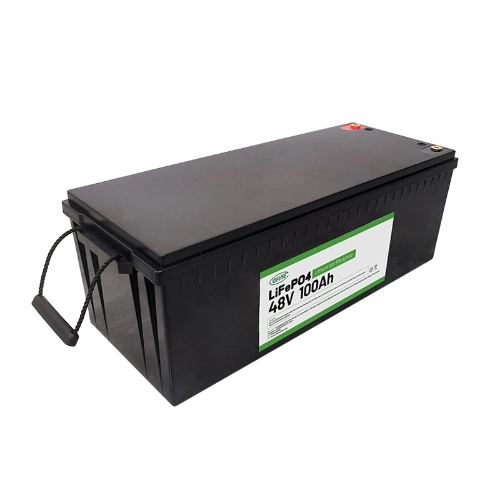
Best for: Compact forklifts, AGVs, and customized light-to-medium duty applications
Key Specifications
- Nominal Voltage: 48V
- Capacity: 100Ah
- Cycle Life: ≥2000 cycles (80% DOD)
- Max Current: 100A
- Weight: 29 kg
What we liked
- Flexible customization for size, connectors, and discharge rate
- Stable LiFePO4 chemistry with good thermal safety
- Lightweight compared to traditional forklift batteries
What could be improved
- Lower capacity compared to heavy-duty industrial batteries
- Customization may require longer lead time
2 DEKA Lithium Ion Forklift Battery
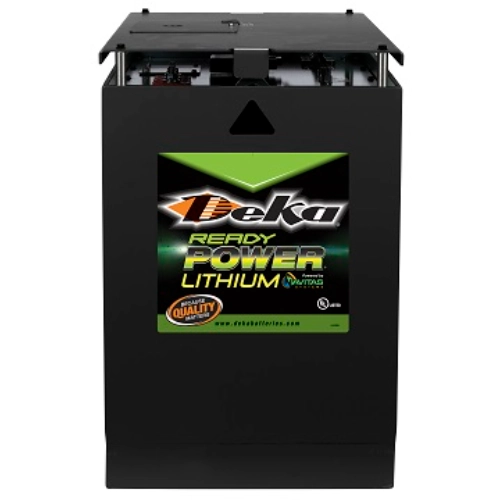
Best for: Large fleets and multi-shift warehouse operations
Key Specifications
- Capacity: Up to 525Ah
- Voltage: Modular system
- Heavy-duty industrial design
What we liked
- High capacity for continuous multi-shift use
- Proven reliability in industrial environments
What could be improved
- High upfront cost
- Less flexible for small-scale or custom applications
3 Flux Power Lithium Ion Forklift Battery
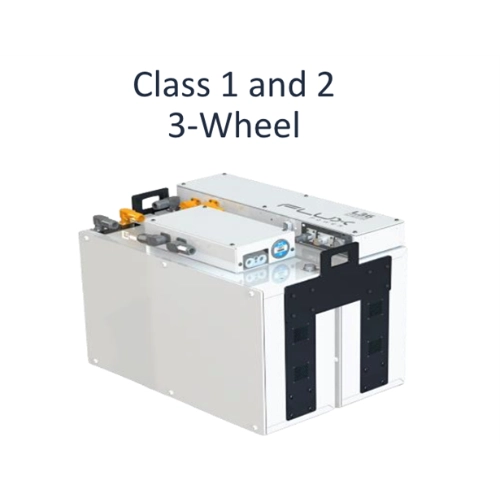
Best for: High-throughput logistics and 24/7 warehouse environments
What we liked
- Strong support for opportunity charging
- Good integration with warehouse fleet systems
What could be improved
- Limited customization options
- Higher system integration cost
4 Exide Lithium Ion Forklift Battery
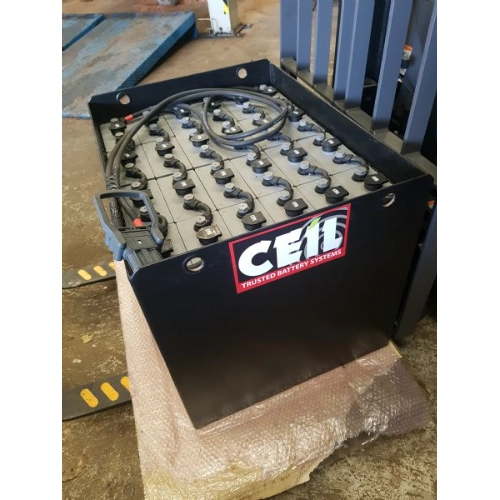
Best for: Standardized industrial applications and compliance-focused environments
What we liked
- Strong compliance with DIN/IEC standards
- Wide capacity range
What could be improved
- Less flexible outside standard configurations
- Heavier system weight
5 ROYPOW Lithium Forklift Battery
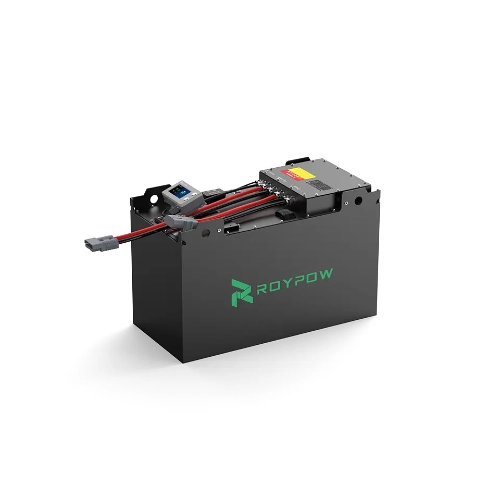
Best for: Heavy-duty forklifts and outdoor operations
What we liked
- High capacity and robust enclosure (IP-rated)
- Good performance in harsh environments
What could be improved
- Higher weight compared to compact solutions
- Less suitable for small forklifts
6 JB Battery Lithium Ion Forklift Battery
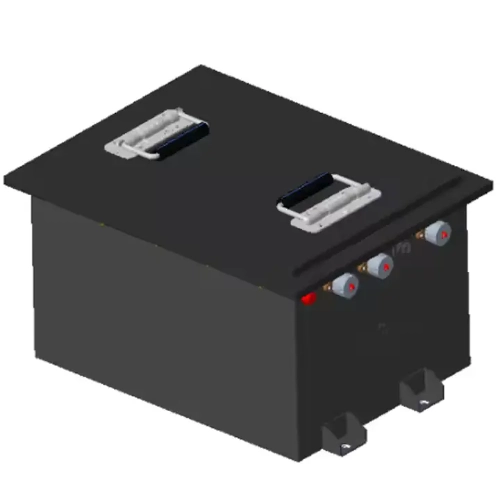
Best for: High discharge and heavy load applications
What we liked
- Strong high-current discharge capability
- Long cycle life
What could be improved
- Bulkier design
- Limited lightweight options
7 Crown Lithium Ion Forklift Battery
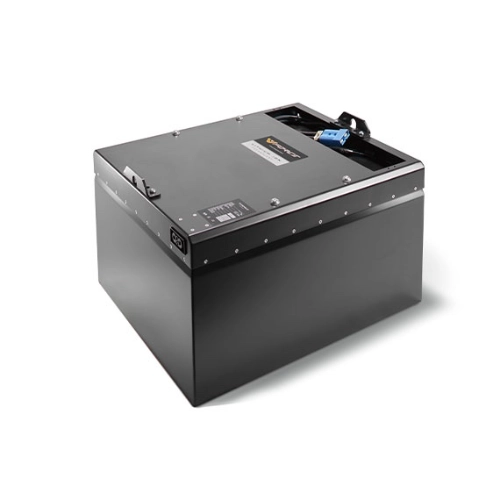
Best for: Crown forklift ecosystems and standardized fleets
What we liked
- Integrated system design
- High charging efficiency
What could be improved
- Limited compatibility with non-Crown systems
- Less flexible for retrofits
8 Green Cubes Technology Lithium Ion Forklift Battery
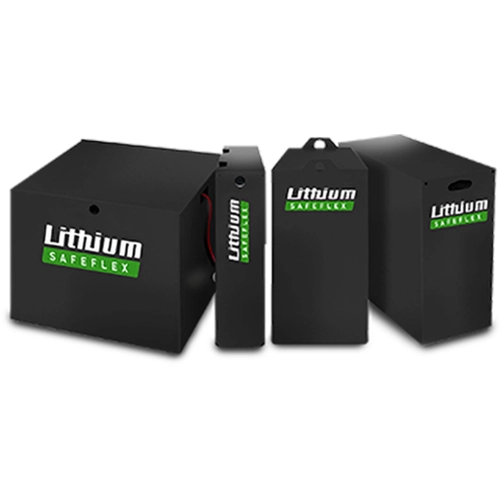
Best for: Energy-efficient logistics operations
What we liked
- Regenerative energy capture capability
- Fast charging performance
What could be improved
- System complexity
- Higher integration requirements
9 SAFT Lithium Ion Forklift Battery
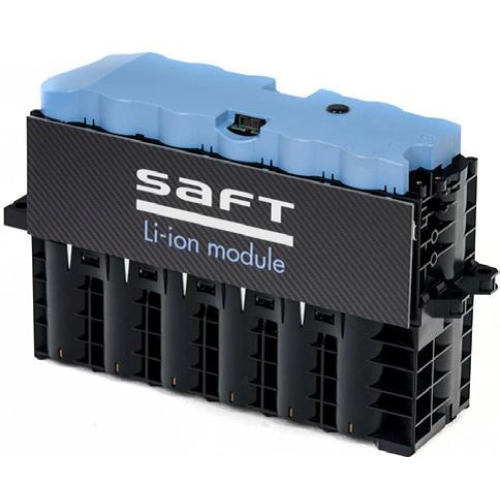
Best for: OEM integration and modular systems
What we liked
- Modular design
- Suitable for custom vehicle platforms
What could be improved
- Limited use for standard forklifts
- Requires engineering integration
10 OneCharge Lithium Ion Forklift Battery
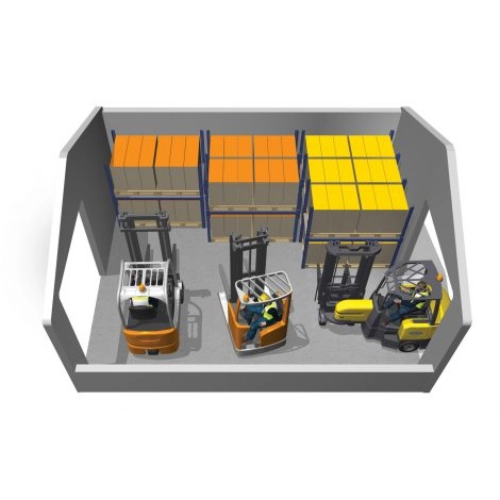
Best for: Lead-acid replacement and retrofit projects
What we liked
- Easy replacement for existing systems
- Suitable for single and multi-shift operations
What could be improved
- Moderate performance compared to high-end systems
- Limited advanced customization
Part 5. How to choose a lithium ion forklift battery?
1. Match lithium ion forklift battery voltage with equipment
Ensure the battery voltage (24V, 36V, 48V, 80V) matches the forklift system. Incorrect voltage can damage controllers and reduce efficiency.
2. Define duty cycle and workload
Single-shift operations may prioritize cost efficiency, while multi-shift fleets require high-capacity batteries with opportunity charging support.
3. Evaluate capacity and runtime
Capacity (Ah or kWh) should align with operating hours, load weight, and charging frequency.
v4. Consider battery weight and balance
Lithium forklift batteries are lighter than lead-acid. Ensure proper counterweight design or choose batteries with integrated ballast.
5. Check BMS and safety features
Industrial lithium ion forklift batteries must include protections against overcharge, over-discharge, overheating, and short circuit.
Part 6. Lithium ion forklift battery FAQs
How long does a lithium ion forklift battery last?
Most lithium ion forklift batteries last between 2,000 and 5,000 cycles depending on usage conditions and depth of discharge.
Are lithium forklift batteries better than lead-acid?
Yes. Lithium forklift batteries offer higher efficiency, faster charging, and lower maintenance compared to lead-acid systems.
What voltage lithium ion forklift battery do I need?
Choose a lithium ion forklift battery that matches your forklift system voltage, typically 24V, 36V, 48V, or 80V.
Can lithium forklift batteries be opportunity charged?
Yes. Lithium ion forklift batteries support opportunity charging without significantly affecting lifespan when managed by a BMS.
Why are lithium ion forklift batteries more expensive?
The higher upfront cost comes from advanced cell technology and integrated BMS, but lower maintenance and longer lifespan reduce total cost over time.
Related Tags:

More Articles
Dead Battery or Device Failure? How to Find the Cause
Think your device is broken? Learn how to tell if the problem comes from battery aging or hardware failure before replacing your electronics.
Why iPhone Duo Uses Two Batteries: The Engineering Behind Foldable Phone Power
Why do foldable phones need two batteries? Explore the engineering challenges behind iPhone Duo’s dual-battery architecture and future battery trends.
Solid-State Batteries: 3 Myths You Need to Know
Solid-state batteries promise safer EVs and longer range, but the reality is more complex. Discover the challenges behind this next-gen technology.
Battery Capacity vs Discharge Rate: The Choice Engineers Face
Higher capacity or higher discharge rate? Learn how to choose the right LiPo battery for longer runtime, stable power output, and better device performance.
Battery Cable Size Guide: Choose the Right Wire Fast
Not sure what battery cable size you need? Learn how to select the right wire gauge, terminal size, and cable for safer, more efficient battery systems.