
- Key takeaways
- Part 1. What “18 volt battery” really means in everyday use
- Part 2. Battery types: lithium-ion vs alternatives
- Part 3. Understanding 18V battery performance: more than just volts
- Part 4. Charging 18V batteries
- Part 5. 18v power tool battery compatibility chart: who works with what?
- Part 6. Choosing a battery that fits your life
- Part 7. Taking care of your 18 volt lithium ion battery so it lasts longer
- Part 8. Conclusion: making your 18V battery choice
- Part 9. FAQs
Key takeaways
- Not all 18V batteries are created equal — voltage isn’t the only factor; battery type, capacity, and discharge behavior matter just as much.
- Choosing the right battery type and charger for your tools can extend lifespan and performance.
- Compatibility is key — check your tool brand and battery model before buying.
- Proper care, storage, and charging habits can save you money and frustration in the long run.
Part 1. What “18 volt battery” really means in everyday use
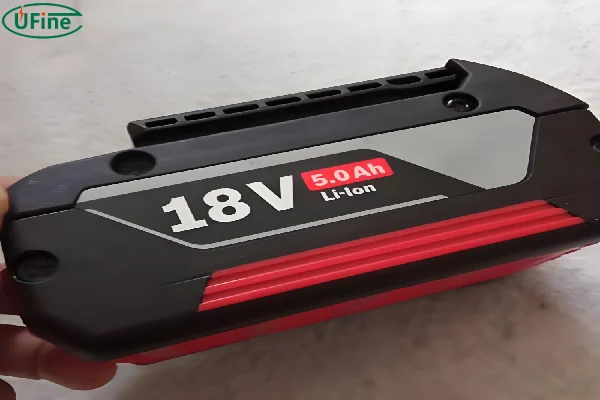
When you see an 18 volt lithium-ion battery, it seems straightforward: 18 volts. But voltage alone doesn’t tell the whole story.
Most 18V packs have a nominal voltage of 18V, but they often start at ~20V when fully charged. Under load, especially with high-torque tools, the voltage drops — sometimes significantly — before stabilizing. This is why two “18V batteries” can feel very different in real use.
Temperature also affects performance: cold weather reduces effective voltage, while high heat can accelerate aging. Understanding how your battery behaves under real conditions is key to picking the right one.
Part 2. Battery types: lithium-ion vs alternatives
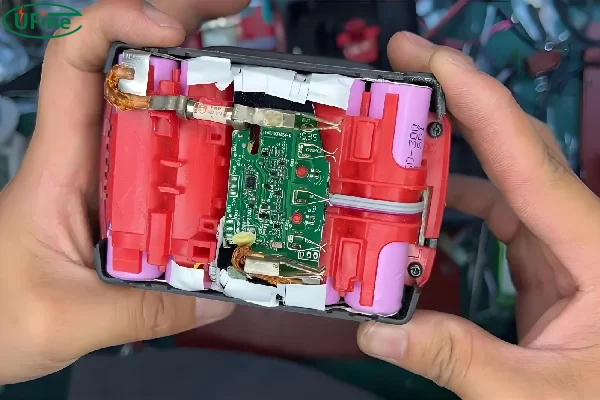
Not all 18V batteries are lithium-ion. Here’s a quick breakdown of what you might encounter:
| battery type | pros | cons | best for |
|---|---|---|---|
| Lithium-ion (Li-ion) | Lightweight, high energy density, long life | Sensitive to heat, costlier | Most power tools, professional and DIY |
| Nickel-Metal Hydride (NiMH) | Less sensitive to cold, moderate cost | Heavier, memory effect | Older tools or backup applications |
| Nickel-Cadmium (NiCd) | Durable, tolerant to abuse | Lower energy density, environmental concerns | Rare today, some legacy tools |
For modern 18V tools, Li-ion is the standard. It delivers high power in a compact size and supports smart charging technology, which is increasingly common in newer chargers.
If you’re unsure which battery chemistry is best, this comparison of NiMH vs Li-ion vs NiCad batteries breaks down their key differences.
Part 3. Understanding 18V battery performance: more than just volts
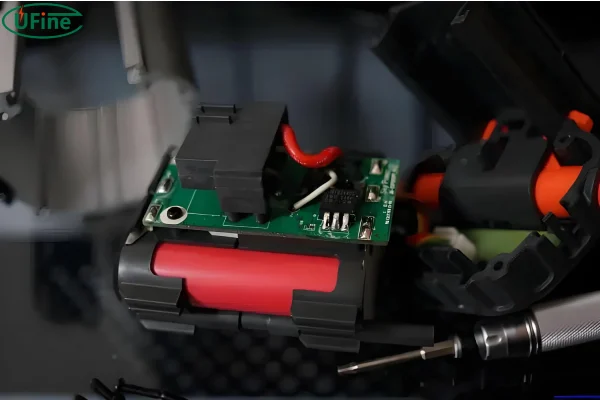
Let’s break down three critical aspects of battery behavior for 18v power tools:
1. Capacity (Ah or mAh)
Higher amp-hours mean longer runtime. For example, a 4Ah battery lasts roughly twice as long as a 2Ah battery under the same workload, but is heavier.
2. Discharge characteristics
Two batteries at 18V can behave differently under load. Tools like impact drivers or circular saws need high discharge rates to maintain performance. A pack with low C-rate may sag and feel weak, even if its Ah is high.
3. Temperature sensitivity
Cold environments reduce runtime; heat accelerates chemical aging. Keeping batteries at moderate temperatures prolongs lifespan.
Here’s a comparison of common packs:
| battery model | type | rated voltage | capacity | best use |
|---|---|---|---|---|
| Pack A | Li-ion | 18V | 2.0Ah | Light DIY, intermittent work |
| Pack B | Li-ion | 18V | 4.0Ah | Frequent moderate tasks |
| Pack C | Li-ion | 18V | 5.0Ah+ | Heavy-duty, long runtimes |
Part 4. Charging 18V batteries
Your charger choice is just as important as your battery. Here’s why:
- Original vs third-party chargers: Always match the battery chemistry and voltage. Li-ion batteries need specific charging algorithms to avoid overcharging or overheating.
- Fast charging vs standard charging: Fast chargers reduce downtime but generate more heat, which can slightly reduce long-term capacity if used constantly.
- Smart chargers: Modern Li-ion chargers monitor cell temperature, voltage, and current to extend battery life. Using a generic or incompatible charger can reduce lifespan or even be unsafe.
Practical tip: Never leave a battery on a charger overnight unless the charger has an auto-stop or trickle mode. Heat accumulation is a silent killer.
If you’re concerned about battery safety, this guide on lithium battery overheating explains the common causes and how to prevent performance issues.
Part 5. 18v power tool battery compatibility chart: who works with what?
One of the most frequent questions is: “Can I use Brand A’s 18V battery on Brand B’s tools?”
Most brands use proprietary shapes, electronics, and safety features. Even if a battery physically fits, the tool may refuse to operate, or stress the battery. Below is a practical snapshot:
| tool brand | common 18V battery models | compatibility notes |
|---|---|---|
| Dewalt | DCB180, DCB181, DCB182 | Works across Dewalt lineup |
| Makita | BL1830, BL1840, BL1850 | Only Makita chargers recognized |
| Bosch | BAT609, BAT614 | Bosch locks out non-Bosch packs |
| Third-party | various | Use with caution; check tool manual |
Part 6. Choosing a battery that fits your life
Here’s where scenarios help:
Scenario 1: DIY/Homeowner
- Intermittent tasks like drilling or furniture assembly.
- 2–2.5Ah Li-ion packs are usually sufficient, lightweight, and cost-effective.
Scenario 2: Professional/Contractor
- Daily use with high-demand tools.
- 4Ah or larger packs deliver consistent performance, fewer swaps, and reduced downtime.
- Consider higher discharge rate batteries if your tools pull lots of current.
Scenario 3: Extreme environments
- Cold weather or high-heat worksites.
- Li-ion performs better with moderate-capacity packs and careful temperature management.
Remember, Ah and voltage alone aren’t everything. Match your battery type, capacity, and discharge rating to your tool and workflow.
Part 7. Taking care of your 18 volt lithium ion battery so it lasts longer
Simple habits make a big difference:
- Recharge before fully drained.
- Let batteries cool after heavy use.
- Store at moderate charge (~40–60%) if unused for weeks.
- Always use the correct charger.
A well-cared-for battery can last 2–3x longer than neglecting these steps, saving you money and frustration.
Part 8. Conclusion: making your 18V battery choice
To pick the best battery for your power tools:
- Understand your tool’s power draw and task frequency.
- Pick the right chemistry and voltage for the environment.
- Match the battery with its intended charger.
- Practice good maintenance: charge smart, store smart, avoid heat extremes.
At the end of the day, the “best 18V battery” is the one that keeps your tools running smoothly, fits your workflow, and lasts long enough to justify the cost.
Part 9. FAQs
Can I use a higher voltage battery on an 18V tool?
Using a battery with higher voltage than the tool’s rating can damage electronics and void warranties. Stick to recommended voltage ranges.
Do all 18V lithium-ion batteries support fast charging?
Not necessarily. Only batteries with built-in fast-charge circuitry or compatible chargers can handle rapid charging safely.
How do I know if my battery’s C-rate matches my tool’s needs?
Check the manufacturer specs: tools that draw high current need batteries with high discharge rates to maintain performance.
Why does my fully charged 18V battery lose power quickly in winter?
Cold temperatures reduce lithium-ion efficiency, causing voltage sag. Keeping batteries warm before use improves performance.
Can storing batteries on the charger damage them?
Leaving batteries constantly on a charger, especially non-smart chargers, can overheat cells and reduce lifespan.
What’s the difference between nominal voltage and actual voltage in 18V batteries?
Nominal voltage is the average rating (18V), while actual voltage fluctuates under load and during discharge.
Related Tags:

More Articles
Best 24V Lithium Battery: Top 10 Compared
Discover the top 24V lithium batteries. We compare capacity, price, cycle life, safety features, and the best options for different applications.
Top LFP Cell Manufacturers in China You Should Know
Looking for reliable LiFePO4 cells? Explore China's top LFP battery manufacturers, key technologies, production capabilities, and supplier selection tips.
Check If Your Charger Works: Simple Test Guide
Think your battery charger's broken? Quick tests can show you for sure. See if it’s the charger or the battery that's causing issues. Read more.
Best Camera Batteries: 7 Brands Compared & Tested
Looking for the best camera battery? Compare 7 top brands, including OEM and third-party options, to find the right battery for your camera.
What You Need to Know About Portable Fan Batteries
Discover the best portable electric fan battery, its types, lifespan, and maintenance tips. Learn how to choose the right one and keep it running longer.


