
- Key Takeaways
- Part 1. What are rechargeable batteries?
- Part 2. How long do rechargeable batteries last per charge?
- Part 3. Factors that affect rechargeable battery lifespan
- Part 4. How long do rechargeable batteries last overall?
- Part 5. How long do rechargeable batteries last per charge in common devices?
- Part 6. How to charge rechargeable batteries properly
- Part 7. Do rechargeable batteries go bad?
- Part 8. How to extend rechargeable battery life
- Part 9. FAQs about rechargeable battery lifespan
Rechargeable batteries power devices like smartphones, laptops, power tools, and electric vehicles. A common question users ask is: how long do rechargeable batteries last per charge?
The answer depends on battery capacity, device power consumption, battery chemistry, charging habits, and temperature. Some batteries last only a few hours, while others can power devices for an entire day or even hundreds of miles in electric vehicles.
This guide explains rechargeable battery lifespan, typical runtime per charge, and practical ways to extend battery life, helping you better understand battery performance and longevity.
Key Takeaways
- Rechargeable battery runtime per charge depends mainly on battery capacity (mAh or Wh) and device power consumption.
- Lithium-ion batteries typically last 500–1000+ charge cycles, while NiMH batteries average 300–500 cycles.
- Heat, deep discharging, and frequent fast charging accelerate battery degradation.
- Most modern devices are optimized for partial charging, so keeping batteries between 20–80% can extend lifespan.
- Rechargeable batteries do go bad over time due to chemical aging—even if they are rarely used.
- Choosing high-quality lithium batteries with proper battery management significantly improves lifespan and performance.
Part 1. What are rechargeable batteries?
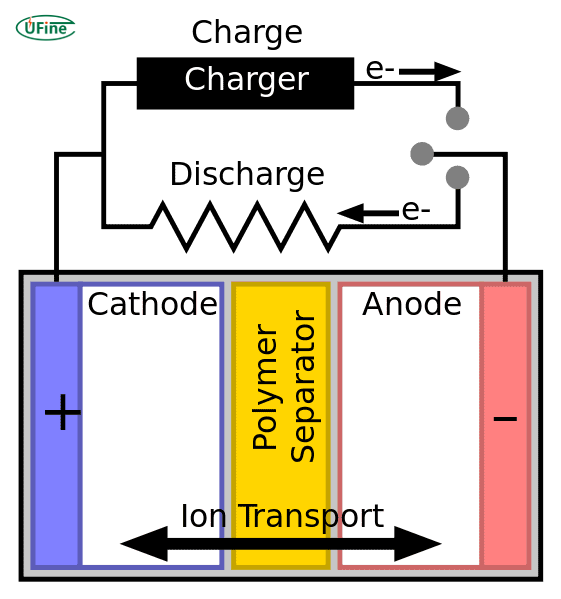
Rechargeable batteries—also called secondary batteries—are energy storage devices designed to be charged and discharged hundreds or thousands of times.
Unlike disposable batteries, they store energy through reversible electrochemical reactions, allowing the battery to regain capacity after charging.
Common rechargeable battery chemistries include:
| Battery Type | Typical Cycle Life | Key Features |
|---|---|---|
| Nickel-Cadmium (Ni-Cd) | 500–1000 cycles | Durable but lower energy density |
| Nickel-Metal Hydride (NiMH) | 300–500 cycles | Higher capacity than Ni-Cd |
| Lithium-Ion (Li-ion) | 500–1000+ cycles | High energy density, low self-discharge |
Today, lithium-ion batteries dominate most electronics because they provide longer runtime, lighter weight, and better efficiency.
For example, many devices use lithium polymer batteries similar to those discussed in our guide on lithium polymer batteries.
For technical background on battery chemistry and standards, see resources from the U.S. Department of Energy.
Part 2. How long do rechargeable batteries last per charge?
The runtime of a rechargeable battery per charge varies depending on:
- Battery capacity (mAh or Wh)
- Device power consumption
- Battery chemistry
- Operating temperature
- Age and degradation
In simple terms:
Battery Runtime ≈ Battery Capacity ÷ Device Power Consumption
For example:
- A 3000 mAh smartphone battery may last 10–24 hours
- A 60 Wh laptop battery may run 6–12 hours
- A 4 Ah power tool battery may operate 30–90 minutes
- An EV battery pack can deliver 200–400 miles per charge
As batteries age, capacity gradually declines, reducing runtime even if the device remains unchanged.
Part 3. Factors that affect rechargeable battery lifespan
Several factors determine how long rechargeable batteries last over their lifetime.
1 Battery chemistry
Different chemistries degrade at different speeds.
- Ni-Cd: durable but low energy density
- NiMH: moderate cycle life
- Lithium-ion: best balance of capacity and lifespan
Lithium batteries typically maintain 80% capacity after 500 cycles under normal conditions.
2 Charge and discharge depth
Deep discharge cycles (0–100%) stress batteries more than partial cycles.
Best practice for lithium batteries:
- Charge between 20% and 80%
- Avoid full discharge when possible
This practice can significantly increase cycle life.
3 Temperature
Temperature has one of the biggest impacts on battery health.
| Temperature | Impact |
|---|---|
| High heat (>40°C / 104°F) | Accelerates battery aging |
| Cold (<0°C / 32°F) | Reduces temporary capacity |
| Room temperature | Optimal battery performance |
Excessive heat is the primary cause of lithium battery degradation.
4 Charging behavior
Improper charging can shorten battery life.
Common harmful practices include:
- Frequent overcharging
- Continuous fast charging
- Using incompatible chargers
Smart chargers with battery management help regulate voltage and current to protect cells.
Part 4. How long do rechargeable batteries last overall?
Another common question is how long does a rechargeable battery last before it must be replaced.
This is measured by charge cycles, not calendar time.
| Battery Type | Typical Lifespan |
|---|---|
| Ni-Cd | 500–1000 cycles |
| NiMH | 300–500 cycles |
| Lithium-ion | 500–1000+ cycles |
For everyday devices, this translates to:
- Smartphones: 2–3 years
- Laptops: 3–5 years
- Power tools: 3–6 years
- Electric vehicles: 8–15 years
However, batteries may still function after these limits—just with reduced capacity.
Part 5. How long do rechargeable batteries last per charge in common devices?
Rechargeable battery runtime varies widely depending on the device.
| Device | Typical Battery Runtime |
|---|---|
| Smartphones | 10–24 hours |
| Laptops | 6–12 hours |
| Wireless headphones | 4–20 hours |
| Power tools | 30–90 minutes |
| Electric vehicles | 200–400 miles per charge |
High-drain devices like power tools or drones consume energy much faster than low-power electronics.
Part 6. How to charge rechargeable batteries properly
Proper charging plays a major role in battery lifespan and safety.
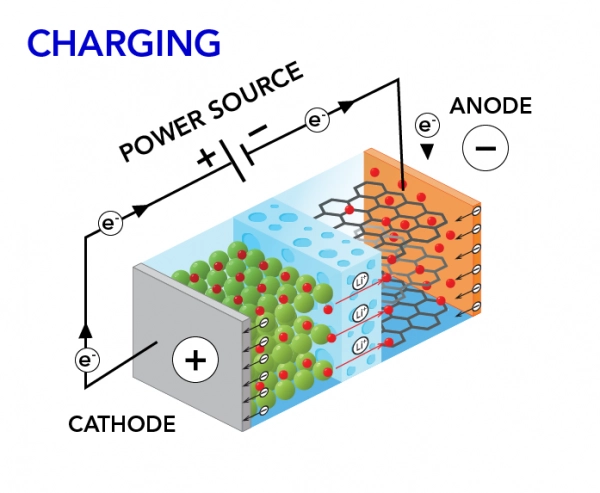
Best practices include:
-
Use the Correct Charger
- Always choose a charger designed for the battery chemistry and voltage.
- Using an incompatible charger may cause overheating, capacity loss, or battery failure.
-
Avoid Continuous Overcharging
- Modern lithium devices include protection circuits to prevent overcharge.
- However, it is still recommended to remove batteries once fully charged when using external chargers.
-
Charge at Moderate Temperatures
- The ideal charging temperature range is 10°C – 30°C (50°F – 86°F).
- Charging in extreme heat or cold can reduce efficiency and shorten battery lifespan.
-
Limit Fast Charging
- Fast charging is convenient but generates additional heat during the charging process.
- Frequent high-speed charging can accelerate battery aging.
-
Smart Charging Technology
- Many modern chargers use adaptive charging algorithms to manage current flow.
- This helps reduce overheating and extend battery lifespan.
Part 7. Do rechargeable batteries go bad?
Yes. Rechargeable batteries do go bad over time, even if they are rarely used.
Two main processes cause this:
- Cycle aging – wear from repeated charging
- Calendar aging – chemical degradation over time
Typical lithium batteries lose:
- 10–20% capacity after 2–3 years
- 20–30% capacity after 500 cycles
Proper storage slows degradation.
For example:
- Store lithium batteries at 40–60% charge
- Keep them in cool, dry environments
Part 8. How to extend rechargeable battery life
Following good battery practices can significantly extend lifespan.
-
Avoid Extreme Temperatures
- Heat accelerates internal chemical breakdown in batteries.
- Never leave batteries in hot vehicles, direct sunlight, or high-temperature environments.
-
Maintain Partial Charge Levels
- Keeping lithium batteries between 20–80% charge reduces stress on cells.
- This practice helps slow capacity degradation over time.
-
Use High-Quality Batteries
- Poor-quality batteries often degrade faster due to inferior materials and weak protection circuits.
- Reliable suppliers with strong quality control provide more stable performance.
- For more details, see: how to care for lithium-ion batteries.
-
Store Batteries Correctly
- For long-term storage, keep batteries at 40–60% charge.
- Store them at 15–25°C and recharge every 3–6 months.
Part 9. FAQs about rechargeable battery lifespan
How many times can a rechargeable battery be recharged?
Most rechargeable batteries can be recharged 300 to 1000 times depending on the chemistry and operating conditions. Lithium-ion batteries typically reach 500–1000 full cycles before noticeable capacity loss.
How long do rechargeable batteries last per charge?
Runtime depends on battery capacity and device power usage. For example:
- Smartphones: 10–24 hours
- Laptops: 6–12 hours
- Power tools: 30–90 minutes
Do rechargeable batteries drain when not in use?
Yes. All batteries experience self-discharge. Typical rates:
- NiMH: 1–2% per day
- Lithium-ion: ~2–5% per month
Do rechargeable batteries get weaker over time?
Yes. Battery capacity gradually declines due to chemical aging and charge cycles. After around 500 cycles, many batteries retain about 80% of their original capacity.
How long can rechargeable batteries sit unused?
If stored correctly:
- Lithium-ion batteries: up to several years with periodic charging
- NiMH batteries: several months before significant discharge occurs
Maintaining 40–60% charge during storage helps preserve battery health.
Related Tags:

More Articles
Dead Battery or Device Failure? How to Find the Cause
Think your device is broken? Learn how to tell if the problem comes from battery aging or hardware failure before replacing your electronics.
Why iPhone Duo Uses Two Batteries: The Engineering Behind Foldable Phone Power
Why do foldable phones need two batteries? Explore the engineering challenges behind iPhone Duo’s dual-battery architecture and future battery trends.
Solid-State Batteries: 3 Myths You Need to Know
Solid-state batteries promise safer EVs and longer range, but the reality is more complex. Discover the challenges behind this next-gen technology.
Battery Capacity vs Discharge Rate: The Choice Engineers Face
Higher capacity or higher discharge rate? Learn how to choose the right LiPo battery for longer runtime, stable power output, and better device performance.
Battery Cable Size Guide: Choose the Right Wire Fast
Not sure what battery cable size you need? Learn how to select the right wire gauge, terminal size, and cable for safer, more efficient battery systems.


