
- Key takeaways
- Part 1. What is a 6 volt deep cycle battery?
- Part 2. How long does a 6 volt deep cycle battery last?
- Part 3. Key factors that affect battery lifespan
- Part 4. How to extend the life of a 6 volt deep cycle battery
- Part 5. Common applications of 6 volt deep cycle batteries
- Part 6. 6 volt vs 12 volt deep cycle battery (quick insight)
- Part 7. 6V deep cycle battery maintenance tips
- Part 8. FAQs about 6 volt deep cycle battery lifespan
Understanding the lifespan of a 6 volt deep cycle battery is critical for RV, solar energy systems, and marine power setups. These batteries are designed for long-duration energy delivery, but their actual lifespan depends heavily on usage patterns, charging methods, and environmental conditions.
In this guide, we break down how long a 6V deep cycle battery lasts, what affects its life, and how to extend performance in real-world applications.
Key takeaways
- A typical 6 volt deep cycle battery lasts 3–10 years, depending on chemistry and usage.
- Average service life under normal conditions is 5–7 years.
- Depth of Discharge (DoD), charging quality, and temperature are the top three lifespan drivers.
- Lithium 6V systems can last 10–15 years, significantly longer than lead-acid types.
- Proper charging and avoiding deep discharge can extend lifespan by up to 50%.
Part 1. What is a 6 volt deep cycle battery?
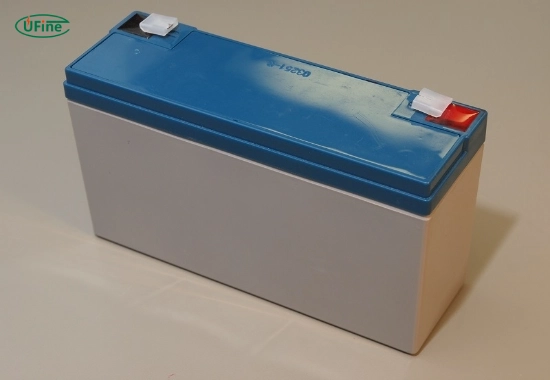
A deep cycle battery is designed to deliver steady power over long periods and handle repeated discharge-recharge cycles.
Unlike starter batteries (used in cars for short bursts of high current), a 6 volt deep cycle battery is built for:
- Long-duration energy output
- Frequent cycling (charging and discharging)
- Stable performance under sustained load
Typical applications include:
- RV and camper power systems
- Marine and trolling motor systems
- Off-grid solar energy storage
- Golf carts and utility vehicles
Part 2. How long does a 6 volt deep cycle battery last?
The lifespan of a 6V deep cycle battery varies by chemistry and usage conditions.
Typical Lifespan by Battery Type
| Battery Type | Average Lifespan | Characteristics |
|---|---|---|
| Flooded Lead-Acid | 3–6 years | Lowest cost, requires maintenance |
| AGM Battery | 4–8 years | Sealed, low maintenance |
| Gel Battery | 5–10 years | Better deep discharge resistance |
| Lithium Battery | 10–15 years | Highest efficiency, longest lifespan |
On average, most users can expect 5 to 7 years of reliable service from a properly maintained 6 volt deep cycle battery.
Part 3. Key factors that affect battery lifespan
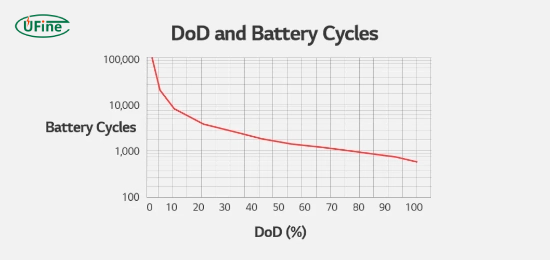
1. Depth of discharge (DoD)
The deeper you discharge the battery, the shorter its lifespan.
- Recommended DoD: ≤50%
- Frequent deep discharge increases sulfation and internal wear
👉 Related reading: How to calculate battery run time
2. Charging quality
Poor charging habits are one of the fastest ways to reduce battery life.
- Overcharging → heat damage and water loss
- Undercharging → sulfation buildup
- Best practice → use a smart deep cycle charger
3. Temperature conditions
Temperature has a major impact on chemical stability.
- High heat → accelerates degradation
- Low temperature → reduces usable capacity
- Ideal storage: 15°C–25°C (59°F–77°F)
4. Usage frequency
- Daily cycling systems (solar, RV) wear faster
- Light backup use significantly extends lifespan
- Stable load = longer service life
5. Battery quality & chemistry
Higher-quality batteries with better materials and design:
- Resist sulfation better
- Maintain voltage stability longer
- Support more charge cycles
Part 4. How to extend the life of a 6 volt deep cycle battery
To maximize lifespan, follow these engineering best practices:
- Avoid deep discharge below 50% – This is the most important rule for lead-acid systems.
- Use a smart charger – Ensures correct voltage stages (bulk, absorption, float).
- Keep terminals clean – Corrosion increases resistance and heat loss.
- Maintain proper storage conditions – Avoid extreme heat, humidity, and freezing environments.
- Equalize flooded batteries (if applicable) – Helps balance cell voltage and reduce sulfation.
Part 5. Common applications of 6 volt deep cycle batteries
RV and camper systems
Provide stable power for lighting, appliances, and onboard electronics.
Solar energy storage systems
Store excess solar energy for nighttime or cloudy conditions.
Marine systems
Power trolling motors, navigation systems, and onboard electronics.
Golf carts and utility vehicles
Deliver long runtime with stable discharge performance.
Part 6. 6 volt vs 12 volt deep cycle battery (quick insight)
Many RV and solar users connect two 6V batteries in series to form a 12V system.
Advantages:
- Better cycle life than single 12V batteries
- Higher usable capacity
- More stable discharge curve
👉 Related reading: 6 volt vs 12 volt deep cycle battery
Part 7. 6V deep cycle battery maintenance tips
- Check electrolyte levels regularly (flooded batteries only)
- Avoid storing in discharged state
- Recharge immediately after use
- Inspect cables and connectors for heat damage
Part 8. FAQs about 6 volt deep cycle battery lifespan
How long does a 6 volt deep cycle battery last?
Most 6 volt deep cycle batteries last 3 to 10 years, with an average of 5–7 years under normal use.
How long do deep cycle batteries last in RV use?
In RV systems, lifespan is typically 4–8 years, depending on discharge depth and charging habits.
Can I extend the life of a 6V deep cycle battery?
Yes. Avoid deep discharge, use a smart charger, and store the battery in a cool environment.
Are 6 volt batteries better than 12 volt batteries?
In many RV and solar setups, 6V batteries in series offer better cycle life and efficiency than single 12V batteries.
How does temperature affect 6 volt battery life?
High temperatures accelerate degradation, while low temperatures reduce capacity. Stable room temperature storage is ideal.
Related Tags:

More Articles

JST vs Molex: The Right Battery Connector Choice
JST or Molex for your battery? Learn how connector selection affects current, voltage drop, reliability, and device performance.
Custom Battery Pricing: Costs Manufacturers Don’t Mention
A low battery quote may not be the final cost. Discover common hidden expenses that affect custom lithium battery projects.
Battery Wire Length: Hidden Cause of Power Loss
A longer battery wire can cause voltage drop, power loss, and unstable operation. Learn how wire length affects battery performance.
How Device Sleep Modes Affect Battery Life
Think sleep mode extends battery life? Learn why devices still drain power and how firmware, hardware, and batteries affect runtime.
LiPo Battery and PCB Design: Clearance, Insulation, and Placement
Learn how to optimize LiPo battery PCB clearance, insulation, placement, wiring, and thermal design—and avoid common integration mistakes.


