
- Part 1. What is a lipo battery bag?
- Part 2. What is the function of a lipo battery bag?
- Part 3. What size lipo battery bag do you need?
- Part 4. What are lipo battery bags made of?
- Part 5. How much does a lipo battery bag cost?
- Part 6. How to choose the right lipo battery bag?
- Part 7. Is a lipo battery bag worth buying?
- Part 8. How to charge and store your lithium battery with a lipo battery bag?
- Part 9. Conclusion: should you buy a lipo battery bag?
- Part 10. FAQs
LiPo batteries (Lithium Polymer batteries) are widely used in drones, RC cars, electric bikes, and other high-performance electronics due to their high energy density and lightweight design. However, they come with certain safety risks, particularly related to overheating, swelling, and even fire hazards. This is where a LiPo battery bag becomes essential. But do you really need one? Let’s break it down.
Part 1. What is a lipo battery bag?
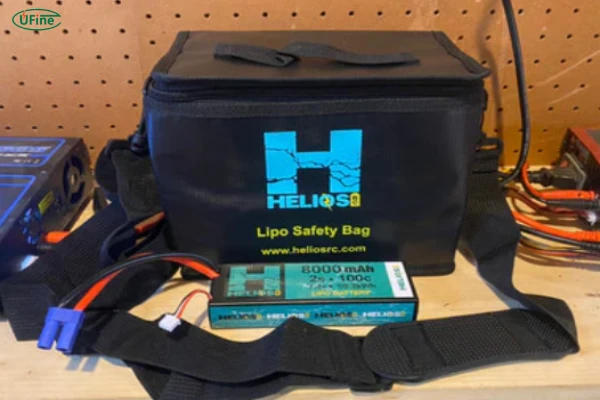
A LiPo battery bag, also known as a LiPo safe bag or LiPo guard, is a fire-resistant storage pouch designed to contain and minimize damage in case of a LiPo battery fire or explosion. It is typically made from fireproof materials and is used for charging, transporting, and storing LiPo batteries safely.
LiPo batteries, if mishandled or damaged, can be highly volatile, leading to thermal runaway, a situation where the battery rapidly overheats and ignites. A LiPo safety bag provides an added layer of protection, reducing the risk of fire spreading to surrounding objects.
Part 2. What is the function of a lipo battery bag?
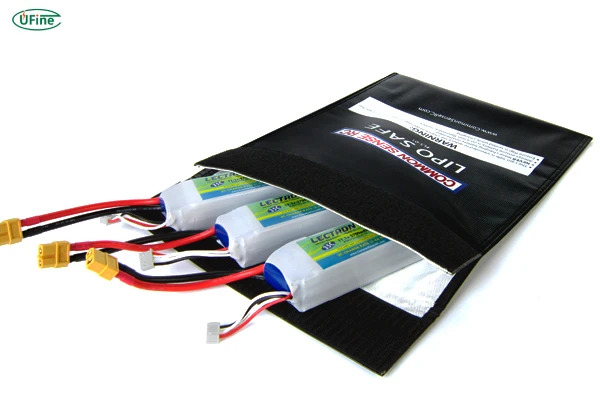
A LiPo battery bag serves several crucial functions:
1. Fire Containment
If a LiPo battery catches fire, a LiPo bag can prevent the flames from spreading to other objects, reducing the risk of severe damage or personal injury.
2. Explosion Protection
In case of a battery explosion due to overcharging, punctures, or damage, the bag helps contain the debris and heat, preventing further destruction.
3. Safe Charging
Charging LiPo batteries can be risky, especially if the battery overheats or malfunctions. Using a LiPo battery bag while charging ensures that, in case of failure, the fire is controlled.
4. Secure Transportation and Storage
Many airlines, shipping companies, and event organizers require LiPo batteries to be stored in fireproof bags during transport. A LiPo storage bag is essential for safely carrying batteries in RC hobbies, professional photography, and other applications.
Part 3. What size lipo battery bag do you need?
LiPo battery bags come in various sizes, and choosing the right one depends on:
- The number of batteries you need to store or charge
- The size and capacity of your LiPo batteries
- Your intended use (charging, storage, or travel)
Some common sizes include:
- Small (5×6 inches) – Holds one or two small LiPo batteries, ideal for drones and RC cars.
- Medium (7×9 inches) – Fits multiple batteries, suitable for hobbyists with multiple power packs.
- Large (9×12 inches or bigger) – Designed for high-capacity batteries, ideal for professionals or those with large RC vehicles.
Part 4. What are lipo battery bags made of?
LiPo battery bags are made from fire-resistant and heatproof materials such as:
- Fiberglass fabric – The most common material, known for its ability to withstand high temperatures.
- Silicone-coated fiberglass – Adds an extra layer of fire protection and reduces fiberglass irritation.
- Aluminum lining – Some bags include an aluminum lining for additional heat resistance.
The best LiPo safe bags feature double-layer fiberglass protection, heavy-duty Velcro seals, and heat-resistant stitching to ensure maximum safety.
Part 5. How much does a lipo battery bag cost?
LiPo battery bags come in a range of prices depending on their size, material, and brand.
- Budget options ($10-$15): Small bags made from basic fireproof fiberglass.
- Mid-range ($15-$30): Larger bags with reinforced materials and better closures.
- High-end ($30-$50+): Premium-grade bags with multiple compartments, enhanced fire resistance, and strong security seals.
Investing in a higher-quality LiPo battery bag is worth it for added safety, especially if you use multiple batteries or high-capacity LiPo packs.
Part 6. How to choose the right lipo battery bag?
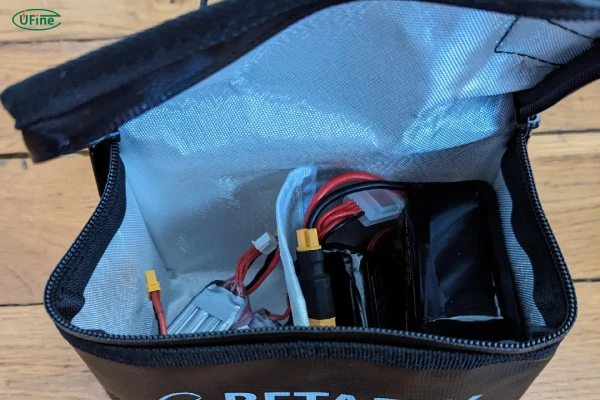
When selecting a LiPo battery bag, consider:
- Size & Capacity – Ensure it fits your batteries and meets your storage/charging needs.
- Material Quality – Opt for double-layer fiberglass or silicone-coated fiberglass for better protection.
- Closure System – Look for strong Velcro, zippers, or metal snaps for secure sealing.
- Brand Reputation – Trusted brands like LipoSafe, Venom, and Tenergy offer high-quality bags.
- Purpose – If you travel often, pick an FAA-approved LiPo battery bag for air travel.
Part 7. Is a lipo battery bag worth buying?
Absolutely. A LiPo battery bag is a small investment that can prevent significant damage and protect your home, workspace, or vehicle from potential battery fires. Considering the risks of LiPo batteries, using a fireproof bag is a simple yet effective way to enhance safety.
If you:
✅ Charge LiPo batteries frequently
✅ Store multiple LiPo packs
✅ Transport LiPo batteries in your car or on flights
Then a LiPo safety bag is highly recommended.
Part 8. How to charge and store your lithium battery with a lipo battery bag?
Charging a LiPo Battery in a LiPo Safe Bag
- Place the battery inside the bag, leaving the charging wires outside.
- Seal the bag securely using the Velcro or zipper closure.
- Connect the charger to the battery terminals while keeping the bag on a non-flammable surface (e.g., metal or concrete).
- Monitor the charging process – Never leave a LiPo battery charging unattended.
- Unplug and remove the battery once fully charged to prevent overcharging.
Storing LiPo Batteries in a LiPo Battery Bag
- Ensure the batteries are at the proper storage voltage (typically 3.7V to 3.85V per cell).
- Place the batteries inside the LiPo bag, making sure they’re not physically damaged.
- Keep the bag in a cool, dry, and fire-safe area, away from flammable materials.
- Check the batteries periodically for swelling or damage, and replace any that appear unsafe.
Part 9. Conclusion: should you buy a lipo battery bag?
If you use LiPo batteries, a LiPo battery bag is a must-have for safe charging, storage, and transportation. Given the fire hazards associated with LiPo batteries, using a fireproof bag is a smart and affordable safety measure.
By choosing a high-quality LiPo safe bag, you can protect your home, workspace, and equipment while ensuring that your batteries remain in good condition. Whether you’re a drone pilot, an RC enthusiast, or someone who frequently uses lithium batteries, investing in a LiPo battery bag is one of the best ways to enhance safety and give yourself peace of mind.
Part 10. FAQs
1. Can I use a LiPo battery bag for non-LiPo batteries?
Yes, a LiPo battery bag can also be used for other types of lithium-ion, NiMH, and lead-acid batteries to provide additional fire protection during storage and charging. However, it is specifically designed for the unique risks associated with LiPo batteries.
2. Do LiPo battery bags completely prevent fires?
While LiPo safe bags significantly reduce fire hazards, they do not completely eliminate the risk. They help contain flames, heat, and explosions, but proper handling and battery safety practices are still necessary.
3. Can I take a LiPo battery bag on an airplane?
Yes, many airlines require passengers to carry LiPo batteries in a fireproof bag for safety reasons. However, always check with the airline for their specific battery size and watt-hour limits before traveling.
4. How long does a LiPo battery bag last?
A high-quality LiPo battery bag can last for several years if used correctly. However, if you notice tears, burns, or material degradation, it’s time to replace the bag for continued safety.
5. Can I store multiple LiPo batteries in one bag?
Yes, but it is safer to store each battery separately or in compartments to prevent short circuits. Avoid placing damaged or swollen batteries inside the same bag.
6. Can a LiPo battery bag withstand direct battery punctures?
No, while the bag is fire-resistant, it does not prevent physical damage. A punctured LiPo battery can still cause a fire inside the bag, so always inspect your batteries before storage.
7. Are there waterproof LiPo battery bags?
Yes, some LiPo battery bags come with water-resistant coatings, but most are not fully waterproof. If you need extra protection from moisture, consider placing the bag in a sealed, waterproof case when storing in humid environments.
Related Tags:

More Articles

고방전 배터리는 높은 전류와 발열로 배터리수명이 줄어듭니다. 구조적 한계, 사용 패턴, 충전 습관 등 실제 수명 단축 요인을 체계적으로 분석했습니다.
Capacitor vs Battery: What is the Difference?
Capacitor vs battery explained in detail. Learn the difference between capacitor and battery in energy storage, charging speed, lifespan, and real applications.
18650 Battery vs AA: Which Is Better for Your Device?
Compare 18650 vs AA batteries in capacity, voltage, rechargeability, and applications. Learn which battery type fits high-drain or everyday devices.
What is the Difference Between Battery Cell, Battery Control Module, and Battery Pack?
Compare battery cells, modules, and packs. Learn functions, design differences, control modules, and selection tips for EV, ESS, and industrial use.
How to Prevent LiPo Battery Explosion?
Can LiPo batteries explode or catch fire? Learn key causes of LiPo battery fires and proven charging, storage, and handling tips to reduce explosion risk.


