
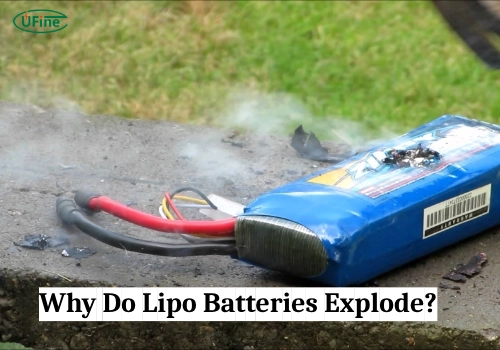
LiPo (lithium polymer) batteries deliver high energy density and discharge rates, but they are also among the most failure-sensitive lithium battery types. Questions like “can LiPo batteries explode?”, “what causes a LiPo battery fire?”, and “does a lithium polymer battery explode easily?” are common—and valid.
In practice, LiPo battery explosions and fires are not random events. They are almost always the result of thermal runaway triggered by overcharging, mechanical damage, improper storage, or misuse beyond design limits. This guide explains why LiPo batteries explode, how lithium polymer battery fires start, and—most importantly—how to prevent LiPo battery explosions in real-world applications.
Key Takeaways (Quick Summary)
- LiPo batteries do not explode spontaneously; thermal runaway caused by abuse or failure is the root cause.
- Overcharging and cell imbalance are the leading triggers of LiPo battery fires and explosions.
- Proper charging control, discharge limits, and storage voltage dramatically reduce risk.
- Physically damaged or swollen LiPo batteries should be removed from service immediately.
- Safe handling practices matter more than chemistry alone—most incidents are preventable.
Part 1. Why do lipo batteries explode?
Overcharging (primary cause)
Charging above the maximum cell voltage (typically 4.2V per cell) destabilizes the electrolyte and cathode. This rapidly accelerates heat generation, gas formation, swelling, and eventually LiPo battery fire or explosion.
Physical damage
Punctures, crushing, bending, or vibration can rupture the polymer separator. Even minor internal damage may cause delayed failure during charging or storage.
Manufacturing defects
Poor electrode alignment, contamination, or separator defects increase internal resistance and short-circuit risk—especially under high C-rate use.
Improper storage
High temperatures, humidity, or storing batteries fully charged for long periods accelerates electrolyte degradation and gas formation.
Incorrect electrical use
Exceeding rated discharge current or voltage limits generates excessive internal heat and mechanical stress.
Aging and cycle fatigue
As LiPo batteries age, internal resistance rises. Older cells are significantly more prone to thermal runaway, especially under high load.
Part 2. Safe lipo battery charging practices
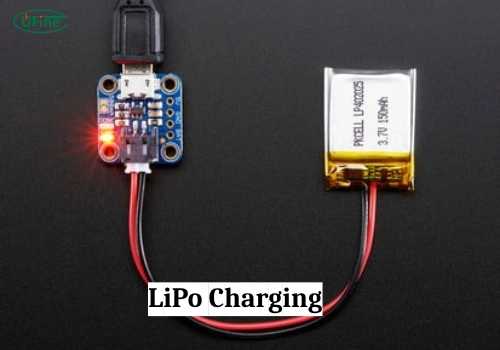
Charging is the highest-risk phase for LiPo batteries.
-
Use LiPo-Specific Chargers
Only chargers with proper LiPo charging profiles (CC/CV and cell balancing) should be used. Generic or incompatible chargers are a leading cause of LiPo battery explosions.
-
Never Charge Unattended
Most lithium polymer battery fires occur during charging. Continuous monitoring allows early detection of swelling, overheating, or abnormal behavior.
-
Balance Charging Is Mandatory
Cell imbalance causes individual cells to exceed safe voltage limits even if pack voltage appears normal.
-
Respect Charge Rates
Charging above the manufacturer’s specified C-rate increases internal temperature and accelerates degradation.
-
Inspect Before Charging
Do not charge batteries that are swollen, damaged, leaking, or mechanically stressed.
Part 3. Safe lipo battery discharge
-
Avoid Over-Discharge
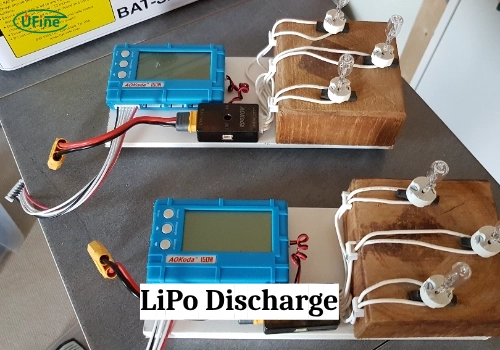
Discharging below the minimum voltage (typically ~3.0V per cell) permanently damages the cell and increases fire risk during recharging.
-
Monitor Voltage Actively
Use voltage alarms or battery management systems (BMS) in critical applications.
-
Control Discharge Current
Operating beyond rated discharge current increases internal heat and separator stress.
-
Maintain Cell Balance
Imbalanced discharge leads to weak cells failing first, often catastrophically.
Part 4. LiPo battery storage safety
- Storage Temperature: Store between 10–21°C (50–70°F) in a dry, ventilated environment.
- Correct Storage Voltage: For long-term storage, maintain 3.8–3.85V per cell. Fully charged storage significantly increases fire risk.
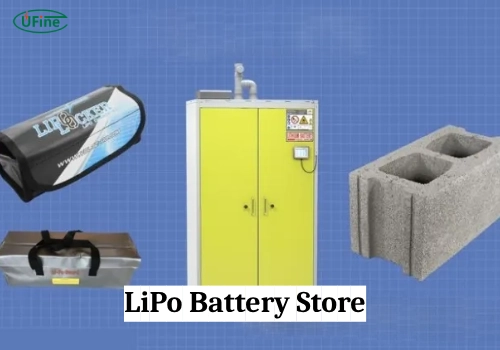
- Fire-Resistant Containers: Use LiPo-safe bags or metal containers to limit damage if ignition occurs.
- Periodic Inspection: Check stored batteries monthly for swelling, corrosion, or voltage drift.
- Isolation From Flammables: Never store LiPo batteries near combustible materials.
Part 5. LiPo battery disposal and end-of-life handling
- Fully Discharge Before Disposal: Ensure the battery is at 0V using a controlled discharge method.
- Short-Term Neutralization (If Required): Saltwater immersion is sometimes used for small cells, but regulated recycling is preferred.
- Insulate Terminals: Cover terminals with non-conductive tape to prevent short circuits.
- Use Certified Recycling Facilities: Follow local regulations and certified lithium battery recycling programs.
- Never Incinerate: Burning LiPo batteries can cause violent explosions and toxic gas release.
Related Reading: How to Care for LiPo Batteries: Charging, Storage, and Lifespan
Part 6. FAQs: LiPo battery fire & explosion risks
Can LiPo batteries explode?
Yes. LiPo batteries can explode if thermal runaway occurs due to overcharging, damage, or misuse.
What causes a LiPo battery fire?
Improper charging, cell imbalance, physical damage, or overheating are the most common causes of lithium polymer battery fires.
Are LiPo batteries more dangerous than Li-ion batteries?
LiPo batteries are more mechanically sensitive due to their soft pouch design, making handling and protection more critical.
Can LiPo batteries catch fire while in storage?
Yes. Improper storage voltage, high temperature, or pre-existing damage can cause delayed ignition.
How do you reduce the risk of LiPo battery explosion?
Use proper chargers, avoid overcharging and over-discharging, store at correct voltage, and remove damaged batteries from service immediately.
Related Tags:

More Articles
What is the Minimum Operating Temperature for LiPo Batteries?
Learn the lithium battery temperature range, LiPo minimum operating temperature, and safe charging limits to prevent performance loss and cold-weather damage.
What Happened When the Battery Dies after a Long Time of No Charging?
Learn what happens when a battery is not charged for long. Discover lithium-ion and lead-acid damage, self-discharge, recovery chances, and storage tips.
A Comprehensive Guide to Chainsaw Battery
Learn how a chainsaw battery works, common voltages, runtime, and how to choose the best battery for chainsaw tools. Includes lithium chainsaw tips and FAQs.
A Comprehensive Guide to 1.5V Battery
What is a 1.5V battery? Learn 1.5 volt battery sizes (AA, AAA, C, D), chemistry types, lifespan, and how to choose the best 1.5 V battery for different devices.
Learn what UL1642 certification is, how the UL1642 standard tests lithium battery cells, and how it differs from UL2054. UL1642 battery safety guide.


