
Diving into the dynamic world of lithium battery design, engineers and procurement teams often ask:
- Cylindrical vs prismatic vs pouch cells — which is better?
- Or more specifically: Pouch vs prismatic cells — which is safer?
- Prismatic cell vs pouch cell for EV?
- Cylindrical vs prismatic vs pouch cells in energy storage systems?
The answer depends on application requirements, thermal design, mechanical constraints, and manufacturing strategy — not just energy density alone.
Key Takeaways
- Cylindrical cells offer the highest manufacturing maturity, excellent consistency, and strong mechanical durability — ideal for power tools, EV modules, and standardized packs.
- Prismatic cells provide superior space utilization and simplified module assembly, making them highly suitable for EVs and stationary energy storage.
- Pouch cells achieve the highest gravimetric energy density and flexible form factors, but require reinforced module-level protection.
- In large-scale systems, thermal management and structural integration matter more than nominal energy density differences.
- There is no universally “better” format — optimal selection depends on volume constraints, vibration environment, cooling strategy, and lifecycle targets.
Part 1. Cylindrical cells
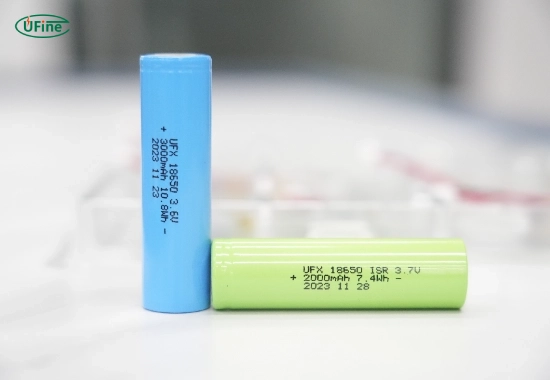
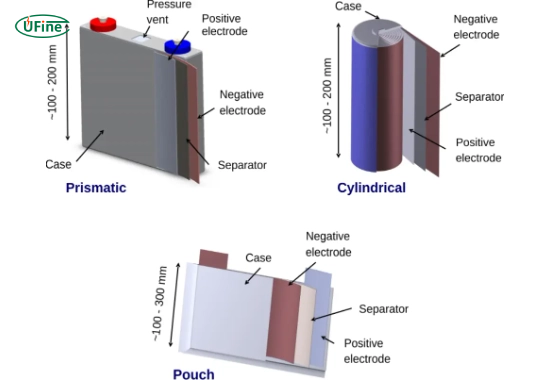
Cylindrical cells are characterized by their tubular metal casing and jelly-roll electrode structure. Common formats include 18650, 21700, and 4680.
1 Structural characteristics
- Steel or aluminum cylindrical housing
- Spiral-wound electrode structure
- Standardized diameters and heights
- Built-in pressure relief mechanisms
2 Advantages of cylindrical cells
-
Manufacturing Maturity & Cost Stability
With over 20 years of mass production experience, cylindrical cells benefit from:
- Highly automated production lines
- Strong cell-to-cell consistency
- Lower defect rates
- Competitive cost per Wh
-
Excellent Thermal Behavior
The radial geometry promotes:
- Uniform heat dissipation
- Better tolerance for high C-rate discharge
- Lower localized hotspot risk
-
Mechanical Strength
The rigid casing provides:
- High impact resistance
- Structural integrity under vibration
- Suitability for automotive environments
-
Standardization
Global standard sizes simplify:
- Module design
- Supply chain management
- Pack maintenance
3 Disadvantages
- Lower volumetric packing efficiency compared to prismatic cells
- More interconnections required in large EV packs
- Less design flexibility for ultra-thin products
4 Typical applications
- Power tools
- Electric vehicles (notably early Tesla platforms)
- E-bikes and scooters
- Industrial battery modules
For comparison with other lithium formats, see our guide on 👉 Types of Lithium Batteries
Part 2. Prismatic cells
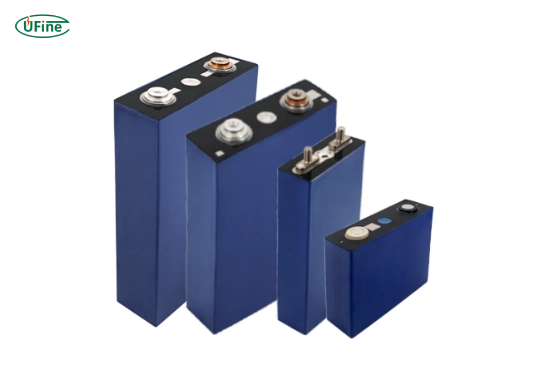
Prismatic cells feature stacked electrodes enclosed in a rigid rectangular aluminum case.
1 Why prismatic cells are popular in EVs
When evaluating cylindrical vs prismatic vs pouch cells, prismatic cells often win in large-format applications due to:
-
Superior Space Utilization
Flat geometry enables:
- Higher volumetric efficiency
- Reduced module complexity
- Better packaging inside battery trays
-
Simplified Module Assembly
Fewer cells are required per pack compared to cylindrical formats, reducing:
- Welding points
- Electrical connection losses
- BMS complexity
-
Balanced Structural Protection
Unlike pouch cells, prismatic cells include:
- Rigid aluminum housing
- Improved crush resistance
2 Disadvantages
- Larger individual cell size increases thermal management complexity
- Lower global standardization compared to cylindrical formats
- Potential internal stress from stacked design
3 Engineering applications
- Electric buses and passenger EVs
- Residential energy storage systems
- Solar battery banks
- Industrial robotics
For safety standard references, see the 🔗 International Electrotechnical Commission (IEC)
Part 3. Pouch cells
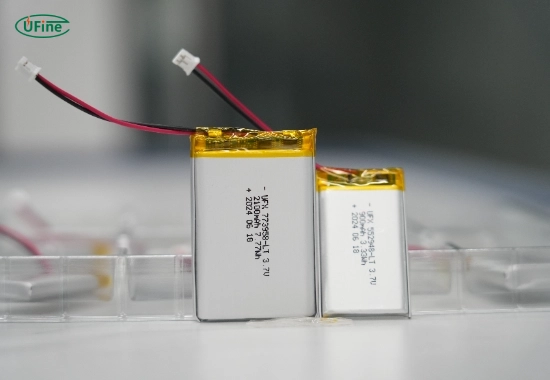
Pouch cells use aluminum-laminated flexible packaging instead of rigid metal casing.
1 Why pouch cells dominate consumer electronics
When comparing pouch cells vs prismatic cells, pouch cells offer:
-
Highest Gravimetric Energy Density
Because they eliminate heavy metal casing, they offer:
- Lower overall weight
- Higher Wh/kg potential
-
Flexible Form Factor
They can be:
- Ultra-thin
- Custom-shaped
- Adapted for compact electronics
-
Lightweight Design
Ideal for:
- Smartphones
- Wearables
- UAVs
- Portable medical devices
2 Limitations
- Require external structural support
- More sensitive to swelling
- Higher mechanical vulnerability
- Complex module-level compression design
Part 4. Cylindrical vs prismatic vs pouch cells: technical comparison
| Parameter | Cylindrical | Prismatic | Pouch |
|---|---|---|---|
| Gravimetric Energy Density | 240–280 Wh/kg | 200–250 Wh/kg | 250–300 Wh/kg |
| Volumetric Efficiency | Moderate | High | Very High |
| Mechanical Strength | Excellent | Good | Moderate |
| Manufacturing Maturity | Very High | High | Medium |
| Thermal Management | Easier | Moderate | Requires Compression |
| Standardization | High | Medium | Low |
Part 5. Prismatic vs pouch vs cylindrical cells: which is better?
1 Choose cylindrical cells if:
- You prioritize consistency and automation
- High vibration environment is expected
- Large production scale matters
2 Choose prismatic cells if:
- Space efficiency is critical
- Fewer cells per pack are desired
- You design EV or ESS systems
3 Choose pouch cells if:
- Weight reduction is top priority
- Ultra-thin or custom shape is required
- Consumer electronics application
Part 6. FAQ: Prismatic vs pouch vs cylindrical cells
Are prismatic cells better than pouch cells?
Prismatic cells provide stronger mechanical protection and easier integration into EV packs. Pouch cells offer higher energy density but require additional structural reinforcement.
What is the difference between prismatic cell vs pouch cell?
The key difference lies in casing: Prismatic = rigid aluminum case, Pouch = flexible laminated film. This affects durability, cooling strategy, and module compression design.
Why do EV manufacturers use prismatic cells?
Because prismatic cells balance structural integrity, space utilization, and reduced connection complexity.
Which cell type lasts longer?
Cycle life depends more on chemistry (LFP vs NMC) than form factor. However, cylindrical cells often show strong long-term consistency due to mature manufacturing.
Are pouch cells safe?
Yes — when properly designed. They require compression systems, controlled swelling allowance, and thermal management. Safety compliance should follow IEC and UN38.3 standards.
Related Tags:

More Articles

JST vs Molex: The Right Battery Connector Choice
JST or Molex for your battery? Learn how connector selection affects current, voltage drop, reliability, and device performance.
Custom Battery Pricing: Costs Manufacturers Don’t Mention
A low battery quote may not be the final cost. Discover common hidden expenses that affect custom lithium battery projects.
Battery Wire Length: Hidden Cause of Power Loss
A longer battery wire can cause voltage drop, power loss, and unstable operation. Learn how wire length affects battery performance.
How Device Sleep Modes Affect Battery Life
Think sleep mode extends battery life? Learn why devices still drain power and how firmware, hardware, and batteries affect runtime.
LiPo Battery and PCB Design: Clearance, Insulation, and Placement
Learn how to optimize LiPo battery PCB clearance, insulation, placement, wiring, and thermal design—and avoid common integration mistakes.


