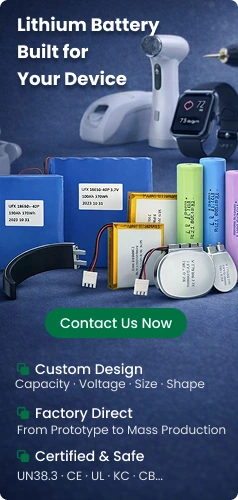
Finding the best 12 volt lithium battery is not just about price—it’s about reliability, cycle life, safety certification, and the manufacturer behind it.
With the rapid growth of energy storage, EVs, and solar systems, many 12v lithium battery manufacturers are competing globally. In this guide, we compare leading 12v battery manufacturers and evaluate their real-world strengths, limitations, and ideal use cases.
Part 1. How we tested
To evaluate each 12v lithium battery factory and manufacturer, we used consistent criteria:
1. Performance & Specifications
We reviewed capacity (Ah), voltage stability, discharge rates, and cycle life.
2. Safety & Battery Management System (BMS)
We checked whether batteries include built-in protection such as overcharge, temperature, and short-circuit protection.
3. Real-World Applications
We analyzed whether the battery is suitable for RVs, solar storage, marine systems, EVs, or industrial use.
4. Manufacturer Reliability
We considered company scale, R&D capability, global presence, and industry certifications.
5. Cost & Value
We compared pricing trends against performance and lifespan to determine overall value.
Part 2. Quick comparison table: best 12V lithium battery manufacturers
| Manufacturer | Best For | Key Features | Price Range | Pros | Cons |
|---|---|---|---|---|---|
| CATL | EV & large storage | High capacity, long cycle life | Mid | Industry leader, reliable | Limited retail access |
| Ufine | Custom OEM batteries | OEM/ODM, flexible design | Quote-based | Customization options | No fixed pricing |
| LG Chem | Industrial ESS | High safety, long lifespan | High | Global brand, stable performance | Heavy and expensive |
| A123 Systems | Small power tools | High discharge rate | Mid | Fast charging, compact | Limited capacity range |
| BYD | Solar & ESS | Integrated BMS, high capacity | Mid-High | Strong ecosystem | Bulk-focused |
| EnerSys | Industrial backup | Extreme temperature tolerance | High | Long history, durable | Lead-based tech variants |
| Dakota Lithium | RV & marine | Lightweight, long warranty | Mid | Strong warranty | Higher cost |
| Dyness | Energy storage systems | High cycle life | Mid | Scalable systems | Less consumer branding |
| Renogy | DIY solar users | Smart monitoring, Bluetooth | Mid | User-friendly | Mid-tier cell sourcing |
| DNK Power | Small devices | Lightweight, compact cells | Low-Mid | Affordable, certified | Not for large systems |
Part 3. Top 10 12V lithium battery manufacturers
1. CATL (Contemporary Amperex Technology Co., Ltd.) – China
CATL is the world’s largest lithium battery manufacturer by installed capacity and the dominant supplier in EV and grid-scale storage markets. Unlike retail battery brands, CATL does not primarily sell finished 12V consumer batteries directly. Instead, it supplies cell-level and pack-level solutions to automotive OEMs and energy storage integrators.
Technical Positioning
CATL is known for:
- High-volume LFP (LiFePO4) and NCM cell production
- Advanced cell chemistry optimization (energy density vs safety balance)
- Large-scale EV traction batteries and ESS systems
- Strong focus on thermal stability and cycle longevity
Real-World Role in 12V Systems
In most “12V lithium battery” products on the market, CATL cells are often used inside third-party assembled packs. These typically use:
- 4S LiFePO4 configuration (12.8V nominal systems)
- External BMS integration by pack builders
Strengths
- Industry-leading scale and consistency
- Strong safety engineering and R&D investment
- Proven performance in EV and grid storage
Limitations
- Not a direct retail 12V battery supplier
- End-user experience depends heavily on third-party pack builders
CATL is best understood as a cell-level infrastructure supplier, not a consumer battery brand.
2. LG Energy Solution (LG Chem legacy) – South Korea
LG Energy Solution is one of the most established global lithium-ion battery suppliers, especially in automotive-grade energy storage systems. It evolved from LG Chem’s battery division and is heavily integrated into global EV supply chains.
Technical Positioning
LG focuses on:
- High-end EV-grade lithium-ion cells
- NCM and LFP chemistry development
- Large-scale ESS (Energy Storage Systems)
- Strict quality control and certification compliance
Real-World Role in 12V Systems
LG cells are typically found in:
- OEM vehicle auxiliary 12V batteries
- Industrial energy storage modules
- High-end residential storage systems
Their systems are designed for:
- Long cycle life (often 4,000–6,000 cycles depending on chemistry)
- Stable discharge under high load conditions
- High thermal safety standards
Strengths
- Premium automotive-grade quality control
- Strong global OEM partnerships (EV industry)
- Highly stable long-term performance
Limitations
- Expensive relative to DIY market alternatives
- Not designed for direct consumer assembly
LG is a Tier-1 automotive battery supplier, not a DIY-focused manufacturer.
3. BYD (Build Your Dreams) – China
BYD is one of the most vertically integrated battery manufacturers in the world, producing both cells and full energy storage systems, as well as EVs. This gives it a unique advantage in system-level optimization.
Technical Positioning
BYD specializes in:
- LFP-based battery systems (Blade Battery technology)
- Integrated battery + BMS + pack architecture
- EV and ESS system design
- Large-format prismatic cells
Real-World Role in 12V Systems
BYD 12V lithium systems are often:
- Integrated into RV, marine, and energy storage packs
- Designed as part of modular ESS systems
- Optimized for safety over maximum energy density
Typical features:
- High cycle life (4,000–6,000 cycles depending on system)
- Strong thermal runaway resistance
- IP-rated waterproof system designs
Strengths
- Fully integrated battery ecosystem
- Very high safety standards (LFP dominance)
- Strong EV + storage synergy
Limitations
- Focused on system-level products, not DIY cells
- Less flexible for individual pack builders
BYD is a full-stack energy system manufacturer, not just a battery supplier.
4. A123 Systems – United States
A123 Systems is a niche but highly technical battery manufacturer specializing in high power-density lithium-ion systems. It is particularly known for fast discharge and high C-rate performance.
Technical Positioning
A123 focuses on:
- High-power lithium iron phosphate (LiFePO4) chemistry
- Ultra-high discharge rate cells (used in motors and tools)
- Compact battery modules for industrial and specialty devices
Real-World Role in 12V Systems
A123’s 12V battery systems are typically:
- Small-capacity packs (4Ah–13Ah range)
- Used in high-load short-duration applications
- Designed for extreme discharge scenarios
Common use cases:
- Electric tools
- Motorcycles and small EV systems
- Industrial equipment
Strengths
- Extremely high discharge capability (performance-focused)
- Excellent thermal stability under load
- Strong engineering-grade reliability
Limitations
- Not suitable for large energy storage systems
- Limited capacity range compared to competitors
A123 is a performance-focused niche manufacturer, not a general-purpose battery supplier.
5. Ufine Battery – China
Ufine operates in a very different segment compared to CATL. It is primarily an OEM/ODM lithium battery manufacturer, focusing on customized 12V lithium battery solutions for commercial clients, not mass-market retail branding.
Technical Positioning
Ufine specializes in:
- Custom Li-ion and LiFePO4 battery pack engineering
- Flexible BMS integration (20+ protection layers)
- Application-specific design (RV, UPS, solar, industrial devices)
- Mid-scale production with strong customization capability
Real-World Role in 12V Systems
Ufine batteries are typically used in:
- Off-grid solar storage systems
- RV and marine battery packs
- Industrial backup systems (UPS)
Their 12V systems are usually built as:
- 3.2V LiFePO4 cells in 4S configuration
- Integrated smart BMS depending on customer requirements
Strengths
- Strong OEM/ODM flexibility
- Custom voltage, capacity, and discharge design
- Good balance of safety and cost control
Limitations
- Not a premium branded consumer ecosystem
- Pricing is project-based, not transparent retail
Ufine is best classified as a custom battery engineering manufacturer, not a retail brand.
6. EnerSys (USA) – Industrial Power & Mission-Critical Energy Specialist
EnerSys is not a consumer-facing battery brand. It is one of the world’s most established industrial energy storage companies, with a strong legacy in motive power, aerospace, telecom backup systems, and defense-grade energy solutions.
Unlike EV-focused manufacturers, EnerSys operates in the high-reliability industrial segment, where uptime, temperature tolerance, and lifecycle predictability matter more than cost or energy density.
Technical Positioning
EnerSys focuses on:
- Industrial-grade lithium-ion and advanced lead-based systems (TPPL technology)
- Mission-critical backup power systems
- Extreme temperature operation capability
- Long shelf-life energy storage for standby systems
Their lithium-related systems are often integrated into:
- Telecom base station backup power
- Data center UPS systems
- Rail and aviation auxiliary power systems
Real-World Role in 12V Systems
EnerSys does not typically sell DIY 12V lithium batteries. Instead, its systems appear as:
- Industrial 12V / 24V backup modules
- Hybrid lithium + lead hybrid systems
- High-reliability standby battery banks
These systems are optimized for:
- Long float life
- Minimal maintenance over years
- Stable discharge under emergency load conditions
Strengths
- Extremely high industrial reliability
- Strong performance in extreme temperature environments
- Proven track record in critical infrastructure
Limitations
- Not designed for consumer or DIY applications
- Higher cost due to industrial-grade engineering
- Limited transparency for retail-level specs
EnerSys is best understood as a critical infrastructure power supplier, not a consumer lithium battery manufacturer.
7. Dakota Lithium – United States (Outdoor & Deep-Cycle Specialist)
Dakota Lithium is a focused deep-cycle lithium battery brand designed primarily for outdoor, marine, and recreational energy storage applications. Unlike industrial giants, it operates in a consumer performance niche, targeting RV users, anglers, and off-grid travelers.
Technical Positioning
Dakota Lithium specializes in:
- LiFePO4 deep-cycle battery packs
- Drop-in replacement for lead-acid systems
- Lightweight high-cycle-life designs
- Cold-weather performance optimization (a key differentiator)
Their engineering focus is:
- Usability over industrial scale
- Drop-in compatibility with 12V systems
- High cycle durability for daily cycling use
Real-World Role in 12V Systems
Dakota Lithium batteries are widely used in:
- Marine trolling motors
- RV house battery systems
- Off-grid camping power setups
- Portable solar storage systems
Typical configurations include:
- 12V 100Ah class deep-cycle batteries
- Built-in BMS with marine-grade protection
- Lightweight designs (significantly lighter than SLA batteries)
Strengths
- Excellent real-world usability for RV and marine users
- Strong warranty support (often industry-leading in consumer segment)
- Reliable cold-weather performance
Limitations
- Premium pricing compared to Asian OEM cells
- Not a cell manufacturer (uses sourced cells + assembly)
- Limited scalability for large ESS systems
Dakota Lithium is best described as a consumer deep-cycle lithium system integrator, not a raw cell manufacturer.
8. Dyness (China) – Modular Energy Storage System Manufacturer
Dyness operates in the modular energy storage (ESS) segment, focusing on scalable lithium battery systems for residential, commercial, and light industrial applications.
Unlike raw cell manufacturers, Dyness builds integrated battery systems, often combining cells, BMS, and rack-based architecture.
Technical Positioning
Dyness focuses on:
- Modular lithium battery storage systems
- Rack-mounted and wall-mounted ESS units
- Parallel expansion capability
- High cycle-life LFP-based systems
Key engineering direction:
- System scalability over single-cell optimization
- Cloud monitoring and smart energy management
- Residential solar integration
Although not a traditional “12V battery manufacturer,” Dyness products are used in:
- Solar home storage systems
- Off-grid cabin power systems
- RV and mobile energy storage setups (via system integration)
- Small commercial backup systems
Their systems typically:
- Use 48V architecture internally
- Step down to 12V via system design where needed
- Support multi-unit parallel expansion (scaling storage capacity)
Strengths
- Highly scalable modular architecture
- Strong integration with solar inverters
- Long cycle life in ESS configurations
Limitations
- Not a direct 12V battery cell supplier
- Less flexible for DIY battery builders
- Focused more on complete systems than components
Dyness is a system-level ESS manufacturer, not a traditional battery cell producer.
9. Renogy (USA/Global) – Solar Energy Ecosystem Brand
Renogy is a hybrid company: part manufacturer, part distributor, and part ecosystem provider. It is best known for its DIY solar energy systems, including lithium batteries, solar panels, and charge controllers.
Unlike industrial suppliers, Renogy focuses on end-user experience and plug-and-play solar systems.
Technical Positioning
Renogy specializes in:
- Consumer-friendly LiFePO4 battery packs
- Smart BMS integration with Bluetooth monitoring
- Self-heating battery technology (cold climate usability)
- Integrated solar energy ecosystems
Their engineering philosophy is:
- Ease of installation over raw cell customization
- Smart monitoring over industrial complexity
- Compatibility with mainstream solar systems
Real-World Role in 12V Systems
Renogy 12V lithium batteries are commonly used in:
- DIY solar generator systems
- RV and camper electrical systems
- Marine auxiliary power systems
- Portable off-grid energy kits
Typical features:
- 100Ah–200Ah 12V LiFePO4 battery packs
- App-based monitoring (Bluetooth connectivity)
- Built-in protection systems (BMS + thermal control)
Strengths
- Very user-friendly for non-engineers
- Strong ecosystem integration (solar + battery + inverter)
- Good support for DIY solar users
Limitations
- Not a pure battery cell manufacturer
- Some components are OEM-sourced
- Mid-tier performance compared to industrial brands
Renogy is best classified as a solar energy ecosystem company, not a pure battery manufacturer.
10. DNK Power (China) – Small-Scale Lithium Battery Manufacturer
DNK Power operates in the low-to-mid power lithium battery segment, focusing on compact, application-specific battery packs rather than large energy storage systems.
It is more of a specialized small-format battery producer than a mainstream ESS or EV supplier.
Technical Positioning
DNK Power focuses on:
- Small 12V lithium battery packs (low Ah range)
- Portable electronic power systems
- Lightweight lithium polymer and Li-ion packs
- Safety-certified compact energy solutions
Their core strength is:
- High flexibility for small devices
- Custom pack assembly for niche electronics markets
Real-World Role in 12V Systems
DNK Power batteries are typically used in:
- CCTV systems and security equipment
- LED lighting backup systems
- Small industrial tools and devices
- Agricultural sprayers and portable electronics
These batteries usually:
- Range from 6Ah to 50Ah
- Use lightweight lithium cell configurations
- Include basic BMS protection for safety
Strengths
- Very lightweight battery solutions
- Cost-effective for small applications
- Strong certification coverage (MSDS, UN38.3, IEC)
Limitations
- Not suitable for large-scale energy storage
- Limited capacity and scalability
- Not competitive in EV or ESS markets
DNK Power is a specialized compact battery manufacturer, focused on small-device energy needs rather than full-scale storage systems.
Part 4. FAQs
What is the difference between a 12V lithium battery factory and a manufacturer?
A factory refers to the physical production site where batteries are assembled, while a manufacturer includes the full organization responsible for R&D, design, quality control, and global distribution. Many large companies operate multiple factories worldwide.
Are all 12V lithium batteries made from the same type of cells?
No. Some use LiFePO4 (LFP) chemistry, while others may use NCM or hybrid configurations depending on cost, energy density, and application. LFP is generally preferred for safety and long cycle life.
What certifications should a reliable 12V lithium battery have?
Common certifications include UN38.3, MSDS, IEC standards, CE, and sometimes UL certification. These ensure safety during transport, installation, and operation.
Can 12V lithium batteries be used in parallel systems?
Yes, many 12V lithium batteries are designed for parallel expansion to increase total capacity. However, matching voltage, internal resistance, and BMS compatibility is critical for safety.
Related Tags:
More Articles

Comparison Between 18650 Battery vs 16650 Battery
Compare 18650 vs 16650 battery dimensions, capacity, weight, and applications. Learn how to choose the right battery for your device.
LiPo Battery vs. LiHv Battery: Which is Better?
Compare LiHv vs LiPo batteries: voltage, performance, safety, and applications. Learn how to choose the right battery for drones, RC, and electronics.
Amp Hours to Watt Hours: What is the Difference?
Learn amp hours to watt hours conversion, Ah vs Wh differences, formulas, and battery runtime calculation. Practical guide for engineers and buyers.
Circle Battery Sizes Explained: A Comparison of Lithium, Alkaline, and Rechargeable Options
Compare circle battery sizes, coin cell sizes, and small round batteries. Learn lithium, alkaline, and rechargeable differences for better selection.
How to Build a DIY 18650 Battery Pack?
Learn how to build a DIY 18650 battery pack step by step. Covers pack design, cell selection, BMS wiring, testing, and safety for reliable performance.