
UPS battery backup systems are essential for maintaining uninterrupted power to your devices. From homes to industrial facilities, understanding how UPS batteries work and how to choose the right one is key to protecting equipment, data, and operations.
Key Takeaways
- UPS batteries provide uninterrupted power during outages and protect devices from surges.
- Common battery types include lead-acid, lithium-ion, VRLA, and nickel-cadmium, each with advantages and limitations.
- Choosing the right battery requires consideration of voltage, capacity, type, lifespan, and compatibility.
- Regular maintenance and timely replacement maximize reliability and performance.
- UPS systems are widely used in critical infrastructure, commercial, residential, industrial, and transportation applications.
Part 1. What is a ups battery?
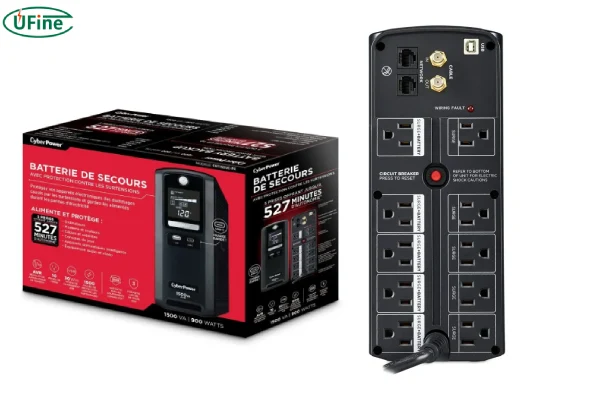
A UPS (Uninterruptible Power Supply) battery stores energy to provide backup power during outages. It ensures seamless transition from the main power source to the battery, keeping devices operational without interruption. UPS batteries are used in servers, data centers, hospitals, and industrial machinery.
Key components
- Battery: Stores energy for use during outages. Types include lead-acid, lithium-ion, and VRLA.
- Inverter: Converts DC power from the battery to AC power for devices.
- Charger: Keeps the battery charged when main power is available.
- Control Unit: Monitors power supply, manages battery usage, and activates backup when needed.
How it works
- Normal Operation: Devices draw power from the main source while the charger keeps the battery full.
- Power Outage Detection: The control unit detects interruptions in the main power supply.
- Battery Activation: The inverter converts stored DC power to AC power for connected devices seamlessly.
- Power Restoration: When main power returns, the system switches back and the charger replenishes the battery.
Part 2. Types of ups batteries
Different UPS battery types suit various applications, budgets, and performance needs.
1 Lead-acid batteries
Common, reliable, and cost-effective, ideal for moderate power needs.
- Advantages: Low cost, widely available, proven technology.
- Disadvantages: Shorter lifespan, requires maintenance, sensitive to temperature extremes.
2 Lithium-ion batteries
High energy density, long lifespan, and lightweight, increasingly used in modern UPS systems.
- Advantages: Long lifespan, fast charging, compact size, low maintenance.
- Disadvantages: Higher initial cost, sensitive to temperature, specific charging required.
3 Vrla batteries
Sealed and maintenance-free, suitable for compact spaces.
- Advantages: Sealed, minimal maintenance, longer lifespan than traditional lead-acid.
- Disadvantages: Higher cost, lower capacity than lithium-ion.
4 Nickel-cadmium batteries
Durable, resistant to extreme temperatures, used in specialized applications.
- Advantages: Long cycle life, stable under temperature extremes.
- Disadvantages: High cost, environmental concerns, slower charging.
Read more:
AGM vs Lithium vs Lead-Acid Battery Comparison
Part 3. Why choose ups battery backup?
UPS batteries ensure continuous operation and protect devices and data.
- Power protection
- Provides uninterrupted power during outages, preventing downtime for critical systems.
- Device protection
- Safeguards electronics from surges, voltage fluctuations, and unstable power.
- Data integrity
- Prevents data corruption and loss by keeping servers and storage systems running.
- Increased uptime
- Minimizes downtime, ensuring productivity and operational continuity.
- Extended operation
- High-capacity UPS batteries provide longer backup times, essential for continuous operations or prolonged outages.
Part 4. Applications of ups batteries
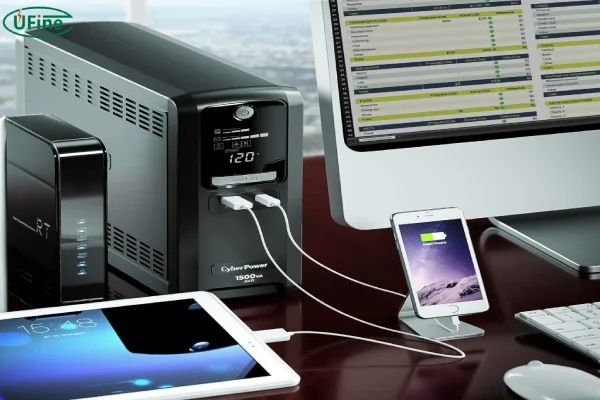
- Critical infrastructure
- Hospitals, data centers, telecom networks, and power grids rely on UPS for uninterrupted operation.
- Commercial businesses
- Protects servers, POS systems, and office networks from power interruptions.
- Residential homes
- Backup for essential appliances, computers, home security, and entertainment systems.
- Industrial automation
- Ensures machinery, production lines, and control systems operate without downtime.
- Transportation
- UPS batteries support electric vehicles and hybrid systems, enhancing range and energy efficiency.
Part 5. How to choose the right ups battery?
- Voltage Compatibility: Match battery voltage to your devices.
- Capacity (Ah): Determine backup duration based on battery capacity and device load.
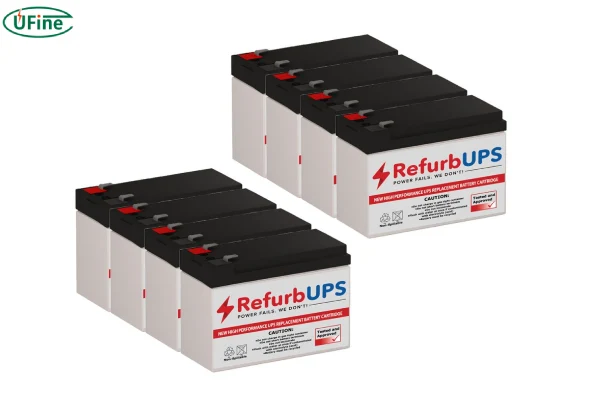
- Battery Type: Consider lead-acid, lithium-ion, VRLA, etc., based on lifespan, maintenance, and budget.
- Lifespan: Choose batteries with high charge-discharge cycle ratings.
- Discharge Rate: Ensure battery can deliver required power for high-demand devices.
- Size & Weight: Consider installation space and ventilation requirements.
- Brand & Warranty: Select reputable brands with solid warranties.
- Compatibility: Ensure battery integrates seamlessly with your UPS system.
Part 6. Ups battery maintenance and replacement
Maintenance
- Lead-Acid: Check electrolyte, maintain water level, clean terminals.
- VRLA: Inspect for leaks or damage, generally maintenance-free.
- Lithium-Ion: Minimal maintenance; monitor charging and storage conditions.
Replacement
Signs a battery needs replacement:
- Reduced backup time
- Swelling or leakage
- Frequent cycling
- Low voltage output
Steps to replace a UPS battery:
- Disconnect UPS from power.
- Locate battery compartment (usually back or bottom).
- Remove old battery following the UPS manual.
- Install new battery correctly.
- Reconnect UPS and test functionality.
Part 7. FAQs about ups battery backup systems
What is a UPS battery backup?
A system that stores energy to provide uninterrupted power during outages.
How long does a UPS battery last?
Depends on type: lead-acid (3–5 years), VRLA (5–7 years), lithium-ion (8–10+ years).
Can I replace a UPS battery myself?
Yes, by following safety steps: disconnect power, remove old battery, install new battery, and reconnect UPS.
Which UPS battery type is best for my business?
For high reliability and long lifespan, lithium-ion is recommended; lead-acid suits moderate, budget-sensitive applications.
How do I maintain my UPS battery?
Follow type-specific practices: check water levels for lead-acid, inspect VRLA for damage, and store lithium-ion properly.
Related Tags:

More Articles
Dead Battery or Device Failure? How to Find the Cause
Think your device is broken? Learn how to tell if the problem comes from battery aging or hardware failure before replacing your electronics.
Why iPhone Duo Uses Two Batteries: The Engineering Behind Foldable Phone Power
Why do foldable phones need two batteries? Explore the engineering challenges behind iPhone Duo’s dual-battery architecture and future battery trends.
Solid-State Batteries: 3 Myths You Need to Know
Solid-state batteries promise safer EVs and longer range, but the reality is more complex. Discover the challenges behind this next-gen technology.
Battery Capacity vs Discharge Rate: The Choice Engineers Face
Higher capacity or higher discharge rate? Learn how to choose the right LiPo battery for longer runtime, stable power output, and better device performance.
Battery Cable Size Guide: Choose the Right Wire Fast
Not sure what battery cable size you need? Learn how to select the right wire gauge, terminal size, and cable for safer, more efficient battery systems.


