- Key takeaways
- Part 1. What is an lr14 battery?
- Part 2. LR14 battery specifications
- Part 3. Common applications of LR14 batteries
- Part 4. How long does an LR14 battery last?
- Part 5. Is an LR14 battery the same as a C battery?
- Part 6. Can an LR14 battery be recharged?
- Part 7. LR14 vs R14 vs HR14 battery comparison
- Part 8. LR14 battery equivalent and identification
- Part 9. LR14 battery safety tips
- Part 10. How to choose the best LR14 battery?
- Part 11. FAQs about LR14 battery
An LR14 battery is a standard 1.5V alkaline C battery. It is widely used in flashlights, toys, radios, medical devices, and other portable equipment.
In this guide, you’ll learn its specifications, capacity, common uses, battery equivalents, and how it compares with R14 and HR14 batteries.
Key takeaways
- LR14 is a 1.5V alkaline C-size battery.
- A C battery describes the size. LR14 describes the battery type.
- Typical capacity is 6,000–8,000 mAh, depending on the brand and device.
- Common LR14 battery equivalents include MN1400, E93, and AM2.
- LR14 batteries are not rechargeable.
- HR14 batteries are the rechargeable alternative.
Part 1. What is an lr14 battery?
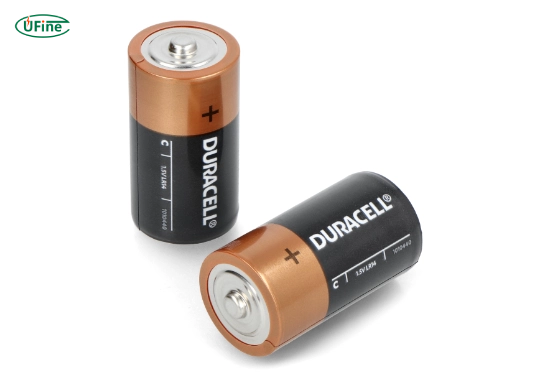
An LR14 battery is a non-rechargeable alkaline C battery. It uses alkaline manganese dioxide chemistry and delivers a nominal voltage of 1.5V.
The name comes from the IEC battery standard:
- LR = alkaline chemistry
- 14 = C-size battery
Many people search for LR14 battery, battery LR14, or C/LR14 battery. These names usually refer to the same battery.
Compared with zinc-carbon batteries, LR14 batteries last longer and provide more stable power. They are a good choice for devices that run for many hours.
Main Features
- IEC code: LR14
- Battery size: C
- Voltage: 1.5V
- Chemistry: Alkaline
- Rechargeable: No
- Shelf life: Up to 10 years
Related reading: Learn more in our C Battery Explained: Everything You Need to Know guide.
Part 2. LR14 battery specifications
The LR14 battery has standard dimensions. Batteries from different brands fit the same C-size battery compartment.
| Specification | Value |
|---|---|
| IEC code | LR14 |
| Size | C |
| Voltage | 1.5V |
| Chemistry | Alkaline |
| Diameter | 26.2 mm |
| Height | 50 mm |
| Capacity | 6,000–8,000 mAh* |
| Weight | 65–75 g |
| Shelf life | Up to 10 years |
| Operating temperature | -18°C to 55°C |
| Rechargeable | No |
*Capacity depends on the battery brand, discharge rate, and operating conditions.
Why does capacity change?
Battery capacity is not always the same. Devices that use more power drain the battery faster. For example, a flashlight uses more energy than a wall clock. As a result, the same LR14 battery will last for different lengths of time.
Part 3. Common applications of LR14 batteries
The LR14 battery works well in medium-drain devices. It offers good runtime without making the device too large or heavy.
Common applications include:
| Device | Why LR14 Is Used |
|---|---|
| Flashlights | Long-lasting power |
| Portable radios | Stable output |
| Toys | Good capacity for motors |
| Blood pressure monitors | Reliable performance |
| Thermometers | Long shelf life |
| Electric toothbrushes | Consistent power |
| Camping lanterns | Suitable for outdoor use |
| Emergency equipment | Ready after long storage |
Its long shelf life also makes it a good choice for emergency kits.
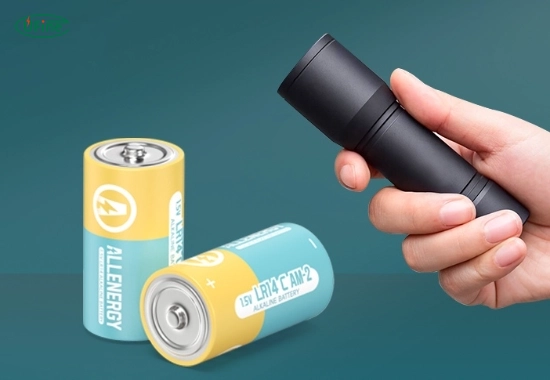
Part 4. How long does an LR14 battery last?
Battery life depends on the device and how much power it uses.
Here are typical runtimes.
| Device | Typical Runtime |
|---|---|
| Wall clocks | 6–18 months |
| Portable radios | 20–60 hours |
| LED lanterns | 15–40 hours |
| Flashlights | 5–20 hours |
| Battery toys | 4–15 hours |
You can extend battery life by following a few simple tips:
- Store batteries in a cool, dry place.
- Replace all batteries together.
- Do not mix old and new batteries.
- Do not mix different battery types.
- Remove batteries from unused devices.
Part 5. Is an LR14 battery the same as a C battery?
Yes, but not exactly.
A C battery describes the battery size. LR14 describes an alkaline battery in the C-size format.
Here is the difference:
- C battery = battery size
- LR14 = alkaline C battery
- R14 = zinc-carbon C battery
- HR14 = rechargeable NiMH C battery
So, every LR14 battery is a C battery. However, not every C battery is an LR14 battery.
Common LR14 battery equivalents
| Marking | Chemistry | Compatible |
|---|---|---|
| LR14 | Alkaline | ✓ |
| MN1400 | Alkaline | ✓ |
| E93 | Alkaline | ✓ |
| AM2 | Alkaline | ✓ |
| C | Size only | Depends on chemistry |
Always check the battery chemistry before replacing a C battery. Some devices work better with alkaline batteries than zinc-carbon or rechargeable types.
Part 6. Can an LR14 battery be recharged?
No. An LR14 battery is a primary alkaline battery. It is made for single use only.
Do not try to recharge an LR14 battery. Recharging can cause:
- Battery leakage
- Swelling
- Overheating
- Rupture
- Fire risk
If you need a rechargeable C-size battery, choose an HR14 (NiMH) battery instead. It has the same size but a lower nominal voltage of 1.2V. Most everyday devices can use either type, but always check your device manual first.
If you are looking for a rechargeable solution with higher energy density, you can also learn about lithium rechargeable batteries in our Battery Learning Center.
Part 7. LR14 vs R14 vs HR14 battery comparison
These batteries have the same C-size dimensions, but they use different chemistries and offer different performance.
| Feature | LR14 | R14 | HR14 |
|---|---|---|---|
| Battery type | Alkaline | Zinc-carbon | NiMH |
| Rechargeable | No | No | Yes |
| Nominal voltage | 1.5V | 1.5V | 1.2V |
| Typical capacity | 6,000–8,000 mAh | 2,000–3,000 mAh | 2,200–4,000 mAh |
| Shelf life | Up to 10 years | 2–3 years | 2–5 years* |
| Best for | Medium-drain devices | Low-drain devices | Frequent daily use |
| Initial cost | Medium | Low | Higher |
| Cost over time | Medium | Medium | Lowest after many recharge cycles |
*When stored correctly.
Which battery should you choose?
Choose LR14 if you want:
- Long shelf life
- Reliable power
- Better performance in flashlights, radios, and toys
Choose R14 if:
- Your device uses very little power.
- Low cost is your main concern.
Choose HR14 if:
- You use the device every day.
- You want to reduce battery waste.
- You already own a compatible charger.
Part 8. LR14 battery equivalent and identification
Many batteries have different names but are actually the same size and chemistry.
Common LR14 battery equivalents include:
| Marking | Type |
|---|---|
| LR14 | IEC alkaline C battery |
| MN1400 | Duracell designation |
| E93 | Energizer designation |
| AM2 | JIS designation |
| C | Standard battery size |
Some users also search for IR14 battery, IR14 batteries, or battery IR14. In most cases, these are typing errors for LR14 battery.
Before buying a replacement, check three things:
- Battery size (C)
- Voltage (1.5V)
- Chemistry (alkaline)
Matching all three helps ensure the best performance.
Part 9. LR14 battery safety tips
Using LR14 batteries correctly helps protect both your device and the battery.
Follow these simple tips:
- Insert the battery in the correct direction.
- Do not mix old and new batteries.
- Do not mix alkaline and zinc-carbon batteries.
- Store batteries in a cool, dry place.
- Keep batteries away from children.
- Remove batteries from devices that will not be used for a long time.
- Recycle used batteries through a local recycling program.
Never dispose of batteries in fire. Heat can cause them to leak or explode.
For more battery safety information, see the International Electrotechnical Commission (IEC) battery standards and your local recycling guidelines.
Part 10. How to choose the best LR14 battery?
Most LR14 batteries have the same size. However, their performance can vary.
When choosing an LR14 battery, consider these factors:
Device type
Premium alkaline batteries work better in high-drain devices such as flashlights and toys. Budget batteries are often suitable for clocks, radios, and other low-drain devices.
Shelf life
If you keep spare batteries at home or in an emergency kit, choose products with a shelf life of up to 10 years.
Leak protection
Good-quality alkaline batteries are less likely to leak during storage.
Brand reputation
Well-known manufacturers usually provide more consistent performance and better quality control.
Cost
The cheapest battery is not always the best value. A longer-lasting battery often costs less over its full service life.
If your application requires rechargeable power or custom battery packs, lithium battery solutions may provide longer cycle life and higher energy density than disposable C batteries.
LR14 battery application & selection guide
| Application | Power Level | Best Battery Choice | Reason |
|---|---|---|---|
| Flashlights | Medium–High | LR14 | Stable output and higher capacity |
| Toys | High | LR14 | Handles peak load better |
| Portable radios | Medium | LR14 | Consistent voltage |
| Wall clocks | Low | R14 / LR14 | Low energy demand |
| Medical devices | Medium | LR14 | Reliable performance |
| Daily-use devices | Medium–High | HR14 | Rechargeable and cost-saving |
Related articles
If you’d like to learn more about C-size batteries and battery performance, you may also find these guides helpful:
Part 11. FAQs about LR14 battery
What devices use an LR14 battery?
LR14 batteries are commonly used in flashlights, portable radios, toys, camping lanterns, clocks, medical devices, and emergency equipment. They work best in medium-drain devices that need steady 1.5V power.
Is an LR14 battery the same size as a C battery?
Yes. An LR14 battery is the standard C-size battery. It measures about 50 mm tall and 26.2 mm in diameter, making it compatible with devices designed for C batteries.
What is the difference between an LR14 and an R14 battery?
Both are C-size batteries with 1.5V output. The main difference is chemistry. LR14 is alkaline and lasts longer. R14 is zinc-carbon and is better for low-drain devices.
What is the best LR14 battery replacement?
The best replacement is another 1.5V alkaline C battery, such as LR14, MN1400, or E93. If you want a rechargeable option, choose an HR14 NiMH battery.
How should I store LR14 batteries?
Store LR14 batteries in a cool, dry place away from heat and direct sunlight. Keep unused batteries in their original package and avoid mixing old and new batteries during storage.
Related Tags:

More Articles

JST vs Molex: The Right Battery Connector Choice
JST or Molex for your battery? Learn how connector selection affects current, voltage drop, reliability, and device performance.
Custom Battery Pricing: Costs Manufacturers Don’t Mention
A low battery quote may not be the final cost. Discover common hidden expenses that affect custom lithium battery projects.
Battery Wire Length: Hidden Cause of Power Loss
A longer battery wire can cause voltage drop, power loss, and unstable operation. Learn how wire length affects battery performance.
How Device Sleep Modes Affect Battery Life
Think sleep mode extends battery life? Learn why devices still drain power and how firmware, hardware, and batteries affect runtime.
LiPo Battery and PCB Design: Clearance, Insulation, and Placement
Learn how to optimize LiPo battery PCB clearance, insulation, placement, wiring, and thermal design—and avoid common integration mistakes.