- Key takeaways
- Part 1. What is a battery charge?
- Part 2. What is battery charging?
- Part 3. How does battery charging work?
- Part 4. What is in a battery charger?
- Part 5. Types of battery chargers
- Part 6. Types of batteries and their charging methods
- Part 7. Battery charging methods comparison
- Part 8. Why proper battery charging matters?
- Part 9. How pulse charging helps older batteries?
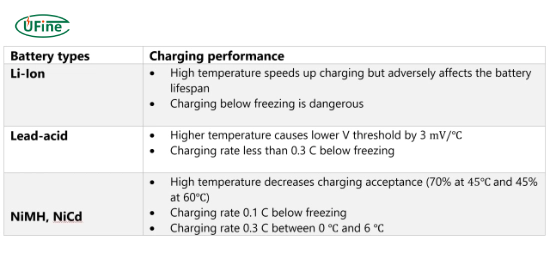
- Part 10. How temperature affects battery charging?
- Part 11. Battery charging best practices
- Part 12. Battery charging applications
- Part 13. FAQs about battery charging
What is a battery charge? A battery charge refers to the electrical energy stored inside a battery and available for use. Battery charging is the process of restoring that energy through a charger. Understanding how battery charging works helps improve performance, extend battery life, and ensure safe operation. This guide explains battery charging basics, common charging methods, and best practices for lithium-ion, lead-acid, and nickel-based batteries.
Key takeaways
- A battery charge refers to the amount of electrical energy stored inside a battery.
- Battery charging reverses the chemical reactions that occur during discharge.
- Different battery chemistries require different charging methods.
- Lithium-ion batteries typically use the CC/CV (Constant Current/Constant Voltage) charging method.
- Smart chargers improve charging efficiency and help prevent overcharging.
- Temperature has a major impact on battery charging performance and safety.
- Proper charging practices can significantly extend battery lifespan.
Part 1. What is a battery charge?
A battery charge is the stored electrical energy available inside a battery. When people ask “what is a battery charge”, they are usually referring to either:
- The amount of energy currently stored in a battery.
- The process of adding energy back into a battery through charging.
Battery charge is often expressed as:
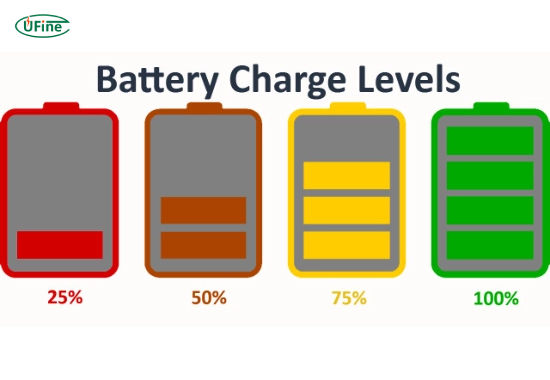
- State of Charge (SOC) (%)
- Ampere-hours (Ah)
- Milliampere-hours (mAh)
- Watt-hours (Wh)
For example:
- A smartphone battery may have a charge capacity of 5,000mAh.
- An electric vehicle battery may store 60kWh or more.
- A solar energy storage battery may have a capacity of 10kWh to 100kWh+.
The higher the battery charge, the longer the device can operate before recharging becomes necessary.
Part 2. What is battery charging?
Battery charging is the process of supplying electrical energy to a battery so it can store energy for future use.
A battery charger provides controlled voltage and current to reverse the chemical reactions that occur when a battery discharges.
In simple terms:
Discharging: Battery releases stored energy.
Charging: Battery stores energy again.
This process allows rechargeable batteries to be used hundreds or even thousands of times.
Part 3. How does battery charging work?
Many users search for:
- how does battery charging work
- how does a battery charge
- how do you charge a battery
The answer lies in electrochemistry.
Key components inside a battery
Anode
The negative electrode where oxidation occurs during discharge.
Cathode
The positive electrode where reduction occurs during discharge.
Electrolyte
A medium that allows ions to move between electrodes.
Battery Charger
A device that supplies the correct voltage and current needed for charging.
What happens during charging?
When a charger is connected:
- Electrical energy enters the battery.
- Electrons are pushed back toward the anode.
- Lithium ions or other charge carriers move through the electrolyte.
- Chemical energy is restored inside the battery.
- The battery charge level increases.
Once the battery reaches its designed voltage limit, the charger either reduces current or stops charging altogether.
Part 4. What is in a battery charger?
A common search query is “what is in a battery charger?”
Modern battery chargers contain:
| Component | Function |
|---|---|
| Power Supply | Converts AC power into DC power |
| Voltage Regulation Circuit | Maintains safe charging voltage |
| Current Control Circuit | Controls charging current |
| Protection System | Prevents overcharging and overheating |
| Monitoring System | Tracks battery status and state of charge |
Advanced smart chargers can communicate with battery management systems (BMS) to optimize charging performance and safety.
Part 5. Types of battery chargers
Not all battery chargers work the same way.
Standard Chargers
Standard chargers provide fixed voltage and current outputs.
Advantages:
- Low cost
- Simple design
Limitations:
- Less efficient
- Longer charging times
- Higher risk of overcharging
Smart Chargers
Smart chargers automatically adjust charging current and voltage based on battery condition.
Advantages:
- Higher efficiency
- Better battery protection
- Longer battery life
Best for:
- Lithium-ion batteries
- Deep-cycle batteries
- Energy storage systems
Fast Chargers
Fast chargers deliver higher current to reduce charging time.
Advantages:
- Rapid charging
Limitations:
- Increased heat generation
- Potential battery aging if used excessively
Solar Chargers
Solar chargers convert sunlight into electrical energy.
Advantages:
- Renewable energy source
- Portable charging
Best for:
- Outdoor equipment
- Remote monitoring systems
- Off-grid applications
Part 6. Types of batteries and their charging methods
Different battery chemistries require different charging strategies.
Lead-Acid Battery Charging
Lead-acid batteries are commonly used in:
- UPS systems
- Backup power
- Automotive applications
- Telecom systems
They usually follow a three-stage charging process.
Bulk Charge
High current is supplied until approximately 80% SOC.
Absorption Charge
Voltage remains constant while current gradually decreases.
Float Charge
A lower maintenance voltage keeps the battery fully charged.
This method helps maximize battery life and reduce sulfation.
Lithium-Ion Battery Charging
Lithium-ion batteries dominate modern electronics because of their:
- High energy density
- Lightweight design
- Long cycle life
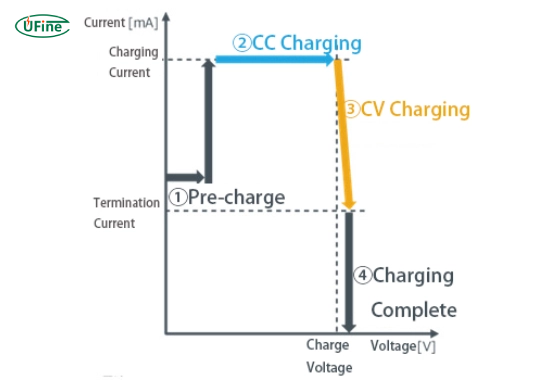
Most lithium-ion batteries use the CC/CV charging method.
Constant Current (CC)
The charger supplies a fixed current.
Constant Voltage (CV)
Once target voltage is reached, voltage remains constant while current gradually decreases.
This charging profile improves efficiency while protecting the battery from damage.
For a deeper understanding, see our guide on How Does a Battery Work?
Nickel-Based Battery Charging
Nickel-based batteries include:
- NiCd
- NiMH
Common charging methods include:
Trickle Charging
Low current continuously maintains battery charge.
Fast Charging
Higher current shortens charging time but requires temperature monitoring.
Part 7. Battery charging methods comparison
| Battery Type | Charging Method | Advantages | Considerations |
|---|---|---|---|
| Lithium-ion | CC/CV | High efficiency, long cycle life | Sensitive to overvoltage |
| Lead-acid | Bulk + Absorption + Float | Reliable and economical | Sulfation if poorly maintained |
| NiMH | Fast Charge + Trickle | Good performance | Heat management required |
| NiCd | Fast Charge + Trickle | Durable | Memory effect concerns |
Part 8. Why proper battery charging matters?
Proper battery charging affects:
- Safety
- Capacity
- Charging speed
- Cycle life
- Overall battery cost
Prevent Overcharging
Overcharging can cause:
- Excessive heat
- Swelling
- Capacity loss
- Safety risks
Modern smart chargers reduce these risks.
Improve Charging Efficiency
Efficient charging means more energy enters the battery and less energy is lost as heat.
Extend Battery Life
Proper charging habits can significantly increase battery cycle life, especially for lithium-ion batteries.
Part 9. How pulse charging helps older batteries?
Pulse charging sends short bursts of electrical energy instead of continuous current.
Potential benefits include:
Reduced Sulfation
For lead-acid batteries, pulse charging may help break down sulfate crystal buildup.
Lower Heat Generation
The intermittent charging pattern can reduce thermal stress.
Better Efficiency
Pulse charging may improve ion movement and charging effectiveness in some applications.
Pulse charging is primarily used for lead-acid battery maintenance and recovery rather than modern lithium-ion battery charging.
Part 10. How temperature affects battery charging?
Temperature is one of the most important factors in battery and charging performance.
Charging at Low Temperatures
Problems may include:
- Slower charging
- Increased internal resistance
- Reduced available capacity
- Lithium plating risk in lithium-ion batteries
Charging at High Temperatures
Potential issues include:
- Faster degradation
- Capacity loss
- Cell swelling
- Thermal runaway risk
Recommended Charging Temperature
Most lithium-ion batteries perform best when charged between:
20°C–25°C (68°F–77°F)
For custom batteries used in extreme environments, specialized low-temperature and high-temperature lithium batteries may be required.
Part 11. Battery charging best practices
Follow these battery charging tips to maximize lifespan and safety:
- Use the charger recommended by the manufacturer.
- Avoid extreme temperatures during charging.
- Do not frequently discharge lithium batteries to 0%.
- Avoid keeping batteries at 100% charge for long periods when unnecessary.
- Use smart chargers whenever possible.
- Inspect damaged cables and chargers immediately.
- Store batteries at partial charge when not used for extended periods.
Part 12. Battery charging applications
Battery charging technology is essential across many industries.
| Industry | Typical Battery Application |
|---|---|
| Consumer Electronics | Smartphones, tablets, laptops |
| Medical Devices | Portable monitors, infusion pumps |
| Robotics | AGVs, service robots |
| Solar Energy Storage | ESS systems |
| Electric Vehicles | EV battery packs |
| Industrial Equipment | Sensors, handheld devices |
| Aerospace | Backup and mission-critical power systems |
For battery charging standards and safety guidance:
- International Electrotechnical Commission (IEC)
- SAE International Battery Standards
- U.S. Department of Energy Battery Research
Part 13. FAQs about battery charging
What does a battery charge mean?
Battery charge refers to the amount of electrical energy stored inside a battery and available for use.
How does battery charging work?
Battery charging works by supplying electrical energy that reverses the chemical reactions created during battery discharge, restoring stored energy.
Is the battery charging if the device is being used?
Yes. Most modern devices can charge while operating. However, active use may reduce the effective charging speed.
How long does it take to charge a battery?
Charging time depends on battery capacity, charger output, battery chemistry, and state of charge. It can range from less than one hour to several hours.
Can using the wrong charger damage a battery?
Yes. Incorrect voltage or current can reduce battery life, cause overheating, or permanently damage the battery. Always use a compatible charger.
Related Tags:

More Articles
Airsoft Battery Types Explained: NiMH vs. LiPo vs. Li-Ion
Compare NiMH, LiPo, and Li-Ion airsoft batteries. Learn which battery delivers the best performance, trigger response, runtime, and safety for your AEG.
Why Does a Battery Inflate? Common Causes and How to Prevent It
Learn why batteries swell, common causes of battery swelling, warning signs, safety risks, and how to prevent and dispose of a swollen battery safely.
How Much Copper Goes into a Lithium-Ion Battery?
Learn how much copper is in a lithium-ion battery, where it is used, and how copper content varies in EV, laptop, and smartphone batteries.
TPPL Battery vs Lithium-Ion Battery: Which Battery Technology Is Better?
Compare TPPL battery vs lithium-ion battery in charging speed, cycle life, safety, cost, and applications. Find the best battery for your needs.
Choosing USB Rechargeable Batteries: Tips and Tricks
Discover what USB rechargeable batteries mean, how they compare to standard rechargeables, and whether they are worth buying.