
- Part 1. Learn about the 18350 battery
- Part 2. 18350 battery size and dimensions
- Part 3. Types of 18350 batteries
- Part 4. Is the 18350 li-ion battery the best 18350 battery?
- Part 5. Capacity and price of 18350 battery
- Part 6. Is the 18350 battery rechargeable?
- Part 7. 18350 battery vs. 18650: what’s the difference?
- Part 8. 18350 battery vs. CR123: what’s the difference?
- Part 9. Applications of 18350 battery
- Part 10. How to choose the best 18350 rechargeable battery
- Part 11. 18350 battery chargers
- Part 12. FAQs
If you’ve ever looked for a compact, powerful battery for high-performance devices, you’ve probably come across the 18350 battery. It’s a small but mighty battery that fits snugly into everything from flashlights to vape devices. Yet, there’s more to this little battery than meets the eye. Choosing the right battery can make a world of difference in your device’s performance, battery life, and even your experience using it. In this guide, we’ll dive deeply into what makes the 18350 battery special, cover its various types and specifications, and help you decide if it’s the right fit for your needs.
Key takeaways
- The 18350 battery is a rechargeable lithium-ion cell measuring approximately 18 mm in diameter and 35 mm in length.
- Typical 18350 battery capacity ranges from 700mAh to 1500mAh, depending on the chemistry and design.
- Compared with an 18650 battery, an 18350 offers a more compact size but lower energy capacity.
- 18350 rechargeable batteries are widely used in high-performance flashlights, compact electronic devices, and custom battery packs.
- A quality 18350 battery charger should support lithium-ion charging profiles and match the battery’s voltage requirements.
Part 1. Learn about the 18350 battery
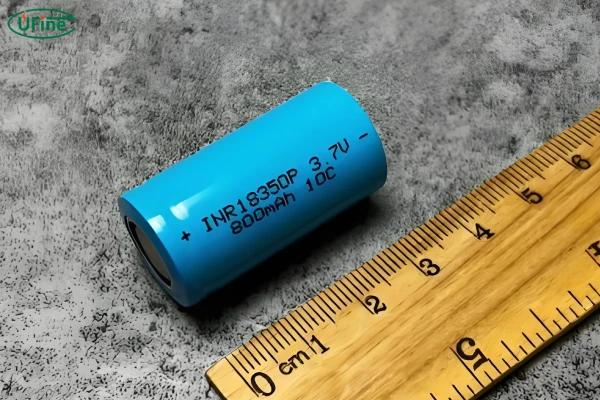
The 18350 battery is a rechargeable, lithium-based battery that balances power with compact size. With dimensions of 18mm in diameter and 35mm in length, it’s smaller than many other batteries but delivers reliable energy output. People choose 18350 batteries for devices where space is limited but power is essential.
Most 18350 cells have a nominal voltage of 3.6V or 3.7V and a full-charge voltage of 4.2V. They are designed to provide high energy density in a compact package, making them ideal for devices where space is limited.
Unlike disposable batteries, an 18350 rechargeable battery can typically withstand hundreds of charge and discharge cycles when used and maintained correctly.
Advantages of 18350 Batteries:
- Compact Size: It’s small enough to fit in handheld and portable devices without adding much bulk.
- High Energy Density: For its size, the 18350 has a significant energy capacity, which can provide consistent power to your device.
- Rechargeability: Most 18350 batteries are rechargeable, which is both cost-effective and environmentally friendly over the long term.
- Versatile Applications: This battery is suitable for high-drain devices such as flashlights, vape devices, and compact electronics.
Disadvantages of 18350 Batteries:
- Limited Capacity: While powerful for its size, the 18350 can’t match the capacity of larger batteries, such as the 18650.
- Frequent Charging: For devices used extensively, you might need to charge it more frequently.
- Availability: 18350 batteries aren’t as widely available as standard AA or AAA batteries, so it may require ordering online.
Since the 18350 is a cylindrical lithium-ion cell, you may also want to explore the differences between cylindrical vs prismatic vs pouch cells before choosing a battery format.
Part 2. 18350 battery size and dimensions
As mentioned earlier, the 18350 battery is named after its dimensions: 18mm in diameter and 35mm in length. The “0” at the end of the name indicates that it has a cylindrical shape. Its compact size makes it a go-to choice for devices that need a high power output but have limited space.
Compared to the 18650, which is a common battery in similar devices, the 18350 is shorter and lighter. This is why many manufacturers favor it for devices that are handheld or pocket-sized.
| Specification | Typical Value |
|---|---|
| Battery type | Lithium-ion rechargeable |
| Diameter | 18 mm |
| Length | 35 mm |
| Nominal voltage | 3.6V–3.7V |
| Full charge voltage | 4.2V |
| Typical weight | 22–35 g |
| Rechargeable | Yes |
Because manufacturing tolerances and protection circuits vary, a protected 18350 battery may be slightly longer than an unprotected version. Always check the device’s battery compartment before purchasing.
Part 3. Types of 18350 batteries
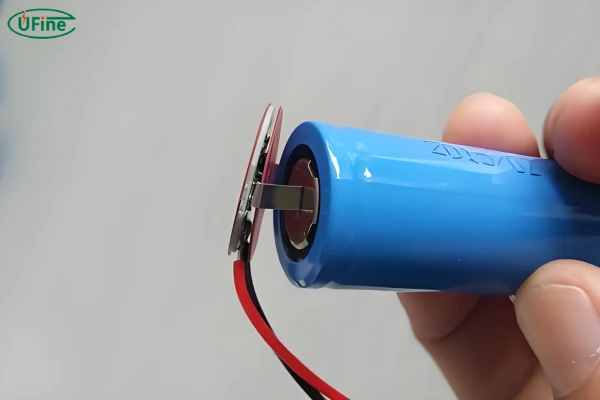
The 18350 battery comes in several types based on its chemical composition. Each type has unique characteristics that may make it more or less suitable for different applications.
- Lithium-Ion (Li-ion): The most common type of 18350 battery, with high capacity and rechargeability. This type provides consistent energy, making it suitable for high-drain devices.
- Lithium Iron Phosphate (LiFePO4): Known for its excellent stability and longer lifespan, LiFePO4 is often considered one of the safest options. However, it usually has a slightly lower capacity compared to Li-ion.
- Lithium Manganese Oxide (IMR): IMR batteries are often used in high-drain devices like vape mods and flashlights. They offer a safer chemistry with high-discharge rates but may have a shorter lifespan.
- Protected vs. Unprotected Batteries: Some 18350 batteries come with a protection circuit to prevent overcharging, overheating, and short-circuiting. These are called “protected” batteries, and they’re safer for general use. “Unprotected” batteries lack this circuit, but they’re popular in high-drain applications where maximum power output is required.
Choosing the right type depends on your device’s needs and your own priorities regarding safety and performance.
Part 4. Is the 18350 li-ion battery the best 18350 battery?
Among the different types, the Li-ion 18350 battery is widely regarded as one of the best. Its high capacity and ability to be recharged multiple times make it a solid choice for devices that require frequent power. Additionally, Li-ion chemistry provides steady voltage throughout its discharge cycle, which translates to consistent performance.
However, whether it’s the best option depends on your specific needs. If you’re using a high-drain device, an IMR battery might offer a better experience. For those who prioritize safety, the LiFePO4 18350 battery could be more suitable.
Part 5. Capacity and price of 18350 battery
If you see an 18350 battery advertised with an unusually high capacity, such as over 2000mAh, you should be cautious because the specification may not be realistic.
Generally speaking:
- High-drain 18350 cells prioritize output current over maximum capacity.
- Higher-capacity cells are better for longer runtime in low- or medium-power applications.
- Premium battery manufacturers often optimize both cycle life and discharge performance.
The capacity of an 18350 battery typically ranges between 700mAh and 1200mAh. The exact capacity depends on the type and brand of battery. While it’s lower than larger batteries like the 18650, this capacity is generally enough for the compact devices that the 18350 powers.
Price Range: On average, an 18350 battery costs between $5 and $15. The price depends on the brand, type, and whether it has built-in protection. Some higher-end batteries, especially those with safety features, may be on the pricier side but are often worth the investment for peace of mind and longevity.
Part 6. Is the 18350 battery rechargeable?
Yes, most 18350 batteries are rechargeable, which adds to their appeal. Rechargeable batteries are more economical in the long run, reducing the need for constant replacements. Additionally, rechargeable options are more environmentally friendly, especially if you use the battery regularly.
While some single-use 18350 batteries may exist, they’re far less common. Rechargeable 18350 batteries are more accessible and practical, especially for high-drain devices.
Part 7. 18350 battery vs. 18650: what’s the difference?
| Feature | 18350 Battery | 18650 Battery |
|---|---|---|
| Diameter | 18 mm | 18 mm |
| Length | 35 mm | 65 mm |
| Typical capacity | 700–1500mAh | 2000–4000mAh |
| Energy storage | Lower | Higher |
| Weight | Lighter | Heavier |
| Runtime | Shorter | Longer |
| Best for | Compact devices | High-capacity applications |
The 18350 and 18650 batteries share similarities, but there are notable differences:
- Size: The most apparent difference is size. The 18350 measures 18mm x 35mm, whereas the 18650 is 18mm x 65mm. The 18650’s larger size makes it more suitable for devices needing extended battery life.
- Capacity: With capacities ranging from 1800mAh to over 3000mAh, the 18650 battery has a significant capacity advantage over the 18350. This translates to longer runtimes for devices using the 18650.
- Applications: 18350 batteries are chosen for compact devices, while the 18650 is preferred in devices where battery life is a priority.
If you need a lightweight battery for a compact flashlight or a space-constrained product, an 18350 battery is often the better choice. However, if longer runtime is more important than size, an 18650 battery is usually the preferred solution.
For battery pack designers and OEM manufacturers, the decision between an 18350 and an 18650 battery depends on the required balance between dimensions, energy density, and overall system weight.
Part 8. 18350 battery vs. CR123: what’s the difference?
The 18350 battery is often compared to the CR123, another compact battery option. Here’s how they differ:
- Rechargeability: Most CR123 batteries are not rechargeable, unlike 18350 batteries, which are designed for recharging.
- Chemistry: CR123 batteries typically use lithium chemistry, while 18350 batteries come in various chemistries, with Li-ion being the most common.
- Usage: The CR123 is often used in security equipment, cameras, and some medical devices. The 18350, on the other hand, is popular in high-drain devices like flashlights and vape mods.
Which one is better? If you need rechargeability and steady output, the 18350 battery might be preferable. For single-use applications that require a powerful non-rechargeable battery, CR123 could be a better fit.
If you’re comparing different cylindrical battery formats, check out our guide on 18650 vs CR123 vs CR123A batteries to understand their key differences and applications.
Part 9. Applications of 18350 battery
The 18350 battery’s small size and reliable power output make it ideal for several applications. You’ll often find it in:
- Flashlights and headlamps: These devices benefit from the high-drain capability and compact size of the 18350.
- Vape mods: High-discharge 18350 batteries provide the power needed for these devices.
- Portable medical devices: Compact size and rechargeability make 18350 batteries suitable for medical equipment that needs reliable power.
- Wearable tech and compact electronics: In many small gadgets, 18350 batteries balance power and portability.
Part 10. How to choose the best 18350 rechargeable battery
When shopping for the best 18350 rechargeable battery, you should look beyond capacity alone. The ideal battery depends on your application and operating conditions.
Here are several factors to consider:
Capacity
Higher capacity generally means longer runtime, but it may come with lower maximum discharge performance.
Continuous discharge current
For high-drain devices such as powerful LED flashlights, make sure the battery can safely deliver the required current.
Protected vs. unprotected cells
Protected batteries include an internal protection circuit that helps prevent overcharging, over-discharging, and short circuits. They are often recommended for general consumers.
Unprotected cells are commonly used by experienced users and battery pack manufacturers who integrate their own battery management systems (BMS).
Cycle life
A quality 18350 rechargeable battery should provide several hundred charge cycles while maintaining stable performance.
Manufacturer quality
Buying from a reputable battery supplier helps ensure accurate specifications, consistent quality control, and better safety standards.
Part 11. 18350 battery chargers
Choosing the right charger is essential for battery life and safety. Here are some common options:
- Single-Bay Chargers: These charge one battery at a time and are portable, ideal for personal use.
- Multi-Bay Chargers: Allow you to charge several batteries simultaneously. These chargers are convenient for those who use multiple devices.
- USB-Compatible Chargers: Convenient for travel, compatible with power banks, and ideal for people on the go.
Choosing the Right Charger: Look for chargers with overcharge protection, indicator lights, and compatibility with 18350 batteries to ensure safe and efficient charging.
Part 12. FAQs
How long does an 18350 battery last on a single charge?
Battery life depends on the device and power consumption. In low-drain applications, an 18350 battery can last several hours, while high-output flashlights may drain it much faster.
Can I replace an 18650 battery with an 18350 battery?
Only if your device is specifically designed to support both battery sizes. Because an 18350 battery is much shorter, some devices require an adapter or different battery tube.
What voltage does an 18350 lithium battery have?
A typical 18350 lithium-ion battery has a nominal voltage of 3.6V or 3.7V and reaches 4.2V when fully charged.
How many charge cycles can an 18350 rechargeable battery provide?
A high-quality 18350 rechargeable battery can usually deliver 300 to 500 full charge cycles, although actual lifespan depends on usage and charging habits.
Related Tags:

More Articles
Buck vs. Boost vs. Buck-Boost Converter: Which Is Best for Battery?
Not sure which converter your battery-powered device needs? Compare Buck, Boost, and Buck-Boost designs and discover what affects voltage stability and runtime.
How to Match 18650 Cells for a Reliable Battery Pack?
Building an 18650 battery pack? Learn how to compare cell capacity, voltage, and internal resistance to avoid mismatches and improve reliability.
Why Do 18650 Battery Packs Get Hot During Discharge?
Is your 18650 battery pack overheating under load? Learn what causes excess heat, how to spot dangerous symptoms, and what to do next.
18650 Battery BMS: How to Get the Specs Right
Learn how to choose a BMS for an 18650 battery pack. Compare voltage, current ratings, protection features, and balancing before you buy.
Why Does My Ring Camera Battery Drain So Fast or Stop Charging?
Is your Ring camera battery draining fast or not charging? Discover common causes, practical fixes, and when to replace the battery.


