
- Key Takeaways
- Part 1. What is a 3.7V 18650 rechargeable battery?
- Part 2. How does a 3.7V 18650 battery work?
- Part 3. 3.7V 18650 battery vs other cylindrical lithium batteries
- Part 4. Key factors when choosing a 3.7V 18650 battery
- Part 5. Top 10 recommended 3.7V 18650 batteries comparison table
- Part 6. Where are 3.7V 18650 batteries used?
- Part 7. Safety tips for using 3.7V 18650 rechargeable batteries
- Part 8. FAQs About 3.7V 18650 Batteries
Choosing the right 3.7V 18650 rechargeable battery depends on more than capacity. Key factors include discharge rate, safety protection, cycle life, and application compatibility.
This guide covers the top 10 recommended 3.7V 18650 batteries and explains how to compare specifications, applications, and selection criteria for real-world use.
Key Takeaways
- A 3.7V 18650 rechargeable battery is defined by its size (18×65mm), nominal voltage, and lithium-ion chemistry.
- Capacity alone does not determine performance—discharge rate, protection circuit, and thermal behavior are equally critical.
- High-capacity 18650 cells prioritize runtime, while high-drain cells prioritize current output for demanding loads.
- Protected 18650 batteries improve safety and service life in consumer and industrial devices.
- Compared with AA, CR123A, and 14500 cells, 18650 batteries offer significantly higher energy density and rechargeability.
Part 1. What is a 3.7V 18650 rechargeable battery?
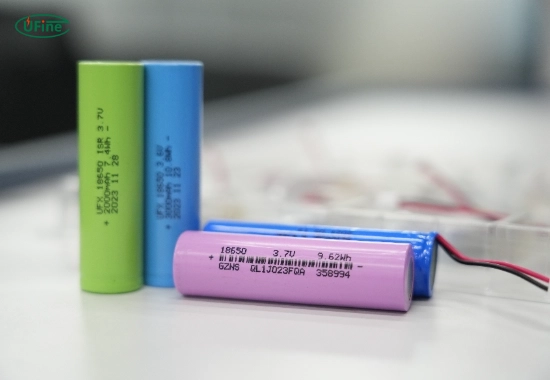
A 3.7V 18650 rechargeable battery is a cylindrical lithium-ion cell widely used in electronics, tools, and energy storage systems. The name “18650” refers to its physical dimensions: 18mm diameter and 65mm length.
The 3.7V rating represents the nominal voltage. In actual operation, an 18650 battery typically charges up to 4.2V and discharges down to about 2.5–3.0V.
Due to high energy density, long cycle life, and standardized sizing, the 18650 format has become one of the most widely adopted lithium-ion battery types globally.
Part 2. How does a 3.7V 18650 battery work?
The 18650 battery operates using lithium-ion electrochemistry:
- Charging: Lithium ions move from the cathode to the anode.
- Discharging: Ions return to the cathode, releasing usable electrical energy.
This reversible process allows an 18650 battery to be recharged hundreds of times, making it far more cost-effective and sustainable than disposable batteries.
Part 3. 3.7V 18650 battery vs other cylindrical lithium batteries
1 18650 vs 21700
- 21700 batteries are larger (21×70mm) and typically offer higher capacity.
- 18650 batteries remain more compact and widely compatible with existing designs.
2 18650 vs 14500
- 14500 batteries are smaller and lower capacity.
- 18650 batteries support higher discharge rates and longer runtime.
3 18650 vs CR123A
- CR123A batteries are usually non-rechargeable and 3.0V.
- 18650 batteries provide higher energy capacity and long-term cost savings.
For official dimensional standards, refer to the IEC cylindrical battery specifications.
Part 4. Key factors when choosing a 3.7V 18650 battery
Capacity (mAh)
Higher capacity means longer runtime, but often at the cost of lower maximum discharge current.
Discharge rate (A / C-rate)
High-drain applications such as power tools and vaping devices require cells rated for high continuous current.
Protection circuit
Protected 18650 batteries include built-in safeguards against overcharge, over-discharge, overheating, and short circuits.
Application fit
Always match the battery’s electrical characteristics to the device’s power demand and physical constraints.
Part 5. Top 10 recommended 3.7V 18650 batteries comparison table
| Model | Nominal Capacity | Protection | Discharge Level | Key Advantage | Recommended Applications |
|---|---|---|---|---|---|
| Ufine 18650-3C | Yes | Medium (3C) | Balanced capacity with built-in protection | ||
| CBJJ 18650 | No | Medium | Cost-effective and reliable performance | ||
| HW High Capacity 18650 | Yes | Medium | High energy density with enhanced safety | ||
| RAFZCCF High-Discharge 18650 | Not specified | High | Strong continuous current output | ||
| Xain USA 18650 (1S2P) | Yes | High | Very high capacity with strong discharge capability | ||
| EBL 18650 | Not specified | Medium | Balanced performance and cost efficiency | ||
| DQGG 18650 | Not specified | Medium | Long cycle life with consistent output | ||
| Skywolfeye 18650 (4-Pack) | Not specified | Medium | High energy-per-cost, bundled charger | ||
| JESSPOW 18650 | Not specified | Medium | Stable all-around performance | ||
| Batterysaler 18650 | Yes | Medium–High | High capacity with safety circuitry |
1 Ufine 3.7V 3500mAh 18650-3C Battery
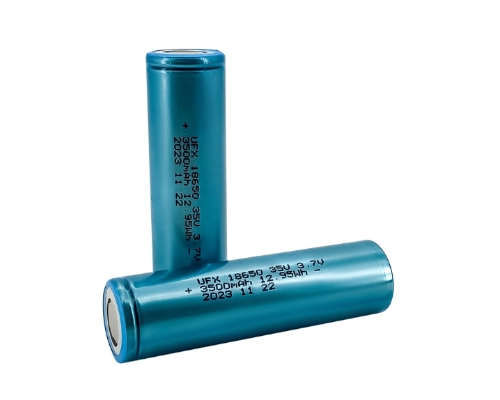
- Capacity: 3500mAh | Voltage: 3.7V
- Protection: Yes | Chemistry: Lithium-ion
- Why Pick: Excellent balance of capacity and protection for high-runtime applications.
- Best For: Flashlights, handheld instruments, industrial sensors.
2 CBJJ 18650 rechargeable battery 3.7V 3200mAh
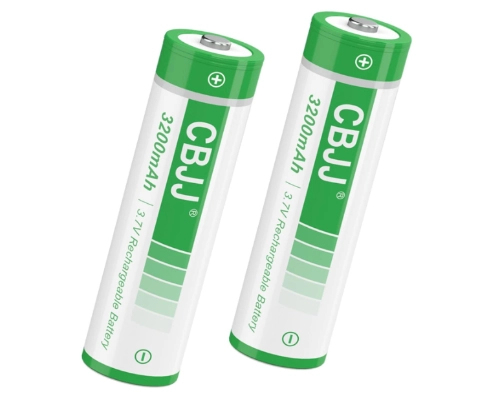
- Capacity: 3200mAh | Protection: No
- Why Pick: Good value option with reliable performance.
- Best For: Everyday devices with moderate power draw.
3 HW 3.7V high capacity 18650 battery
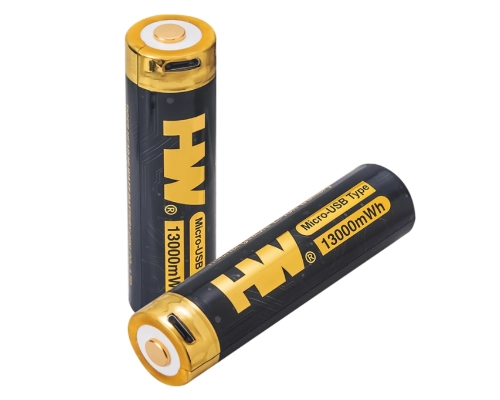
- Capacity: ~3500mAh | Protection: Yes
- Why Pick: High energy density with enhanced safety features.
- Best For: Devices requiring stable long runtime under varying loads.
4 RAFZCCF 3.7V 18650 high-discharge battery
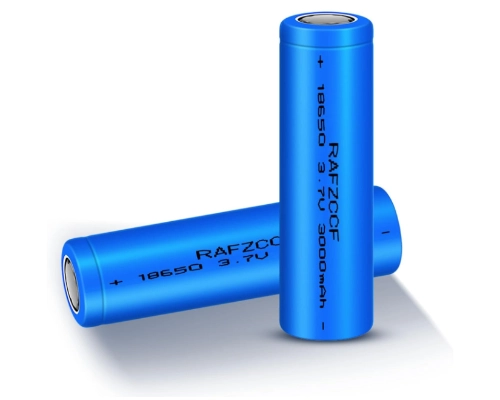
- Capacity: 3000mAh | Discharge: High
- Why Pick: Strong continuous current output for demanding loads.
- Best For: High-power flashlights, power tools, RC devices.
5 Xain USA 18650 3.7V 4400mAh 1S2P battery
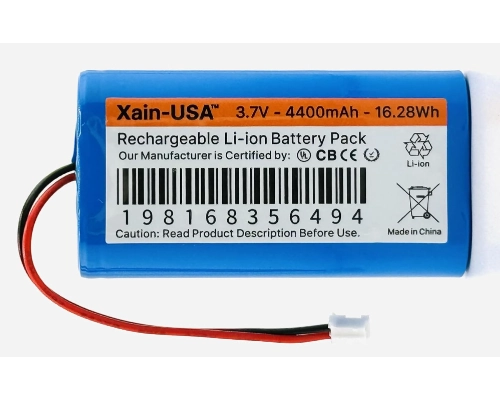
- Capacity: 4400mAh | Discharge: High
- Protection: Included
- Why Pick: Very high capacity and discharge performance.
- Best For: Power-hungry electronics and extended operations.
6 EBL 3.7V 18650 rechargeable battery 3000mAh
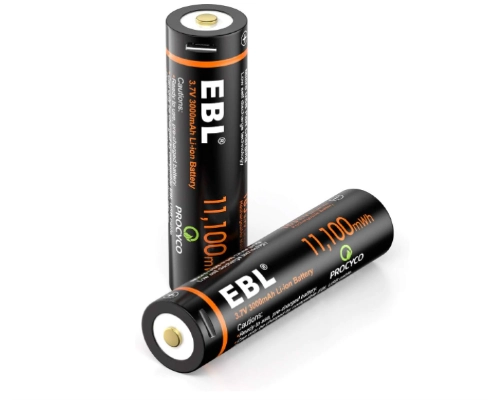
- Capacity: 3000mAh | Discharge: Medium
- Why Pick: Balanced performance and cost efficiency.
- Best For: Portable electronics and daily gadgets.
7 DQGG 18650 rechargeable battery 3500mAh
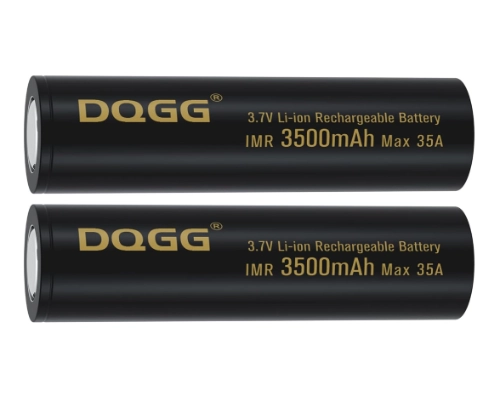
- Capacity: 3500mAh
- Why Pick: Long service life with consistent output.
- Best For: Applications demanding durability over many cycles.
8 Skywolfeye 4-pack 18650 5000mAh battery + charger
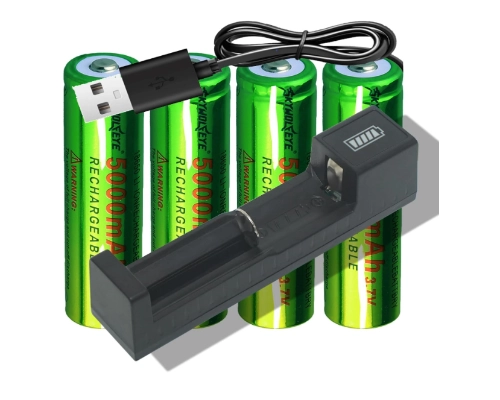
- Capacity: 5000mAh (per cell nominal)
- Includes: Charger
- Why Pick: Excellent energy per dollar for multiple devices.
- Best For: Multi-device kits and tool packs.
9 JESSPOW rechargeable battery 3.7V 3300mAh
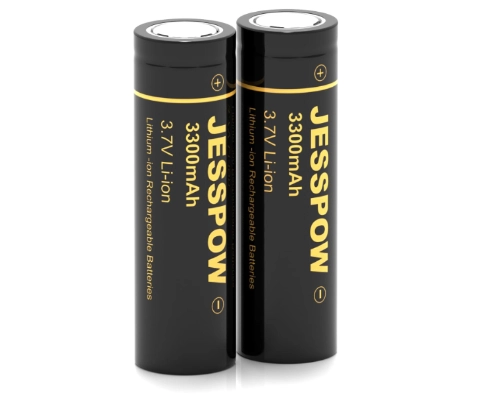
- Capacity: 3300mAh
- Why Pick: Good all-around performance with stable lifespan.
- Best For: Everyday and mixed-use electronics.
10 Batterysaler 18650 3.7V 4400mAh battery
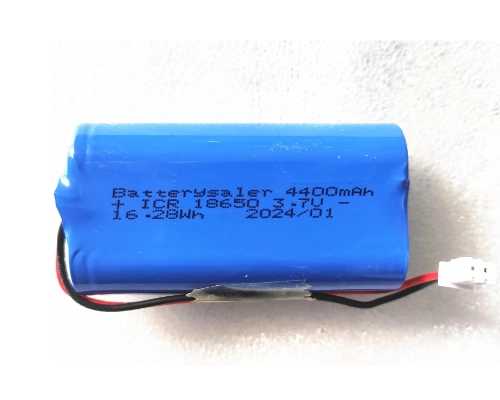
- Capacity: 4400mAh | Protection: Yes
- Why Pick: High capacity with safety circuitry.
- Best For: High-drain devices needing safety protection.
Part 6. Where are 3.7V 18650 batteries used?
- High-lumen LED flashlights
- Laptop battery packs
- Cordless power tools
- Electric bikes and EV modules
- Medical and industrial portable equipment
Part 7. Safety tips for using 3.7V 18650 rechargeable batteries
- Use chargers designed specifically for lithium-ion batteries.
- Avoid over-discharging below 2.5V.
- Do not use damaged or deformed cells.
- Store in a cool, dry environment.
Ufine Battery provides custom 18650 battery design and manufacturing for specific capacity, discharge rate, protection circuit, and form factor requirements.
Find A Solution NowPart 8. FAQs About 3.7V 18650 Batteries
Can I use any 3.7V 18650 battery in my device?
No. Always verify capacity, discharge rate, and protection compatibility.
How long does a 3.7V 18650 battery last?
Typically 300–500 charge cycles, depending on usage and quality.
Are all 18650 batteries rechargeable?
Most are, but always confirm product specifications.
Related Tags:

More Articles
Buck vs. Boost vs. Buck-Boost Converter: Which Is Best for Battery?
Not sure which converter your battery-powered device needs? Compare Buck, Boost, and Buck-Boost designs and discover what affects voltage stability and runtime.
How to Match 18650 Cells for a Reliable Battery Pack?
Building an 18650 battery pack? Learn how to compare cell capacity, voltage, and internal resistance to avoid mismatches and improve reliability.
Why Do 18650 Battery Packs Get Hot During Discharge?
Is your 18650 battery pack overheating under load? Learn what causes excess heat, how to spot dangerous symptoms, and what to do next.
18650 Battery BMS: How to Get the Specs Right
Learn how to choose a BMS for an 18650 battery pack. Compare voltage, current ratings, protection features, and balancing before you buy.
Why Does My Ring Camera Battery Drain So Fast or Stop Charging?
Is your Ring camera battery draining fast or not charging? Discover common causes, practical fixes, and when to replace the battery.


