
- Key Takeaways
- Part 1. What is an e-bike battery?
- Part 2. How long do e-bike batteries last?
- Part 3. Signs you need an e-bike battery replacement
- Part 4. How to test your e-bike battery
- Part 5. How to choose the right replacement e-bike battery
- Part 6. How to replace an e-bike battery (step-by-step)
- Part 7. E-bike battery upgrade vs replacement
- Part 8. FAQs
E-bike batteries lose capacity over time. This guide explains when to replace an e-bike battery and how to choose the right replacement or upgrade.
Key Takeaways
- Most electric bike batteries last 3–5 years or 500–1000 charge cycles, depending on usage, temperature, and charging habits.
- Common signs that you need an e-bike battery replacement include reduced range, unstable power output, and longer charging times.
- When choosing replacement batteries for electric bikes, voltage compatibility with the motor and controller is critical.
- An e-bike battery upgrade with higher capacity can increase riding range, but physical size and BMS compatibility must match the bike.
- Testing battery voltage and load performance helps confirm whether replacement is necessary.
- Proper recycling of lithium batteries is important for safety and environmental protection.
Part 1. What is an e-bike battery?
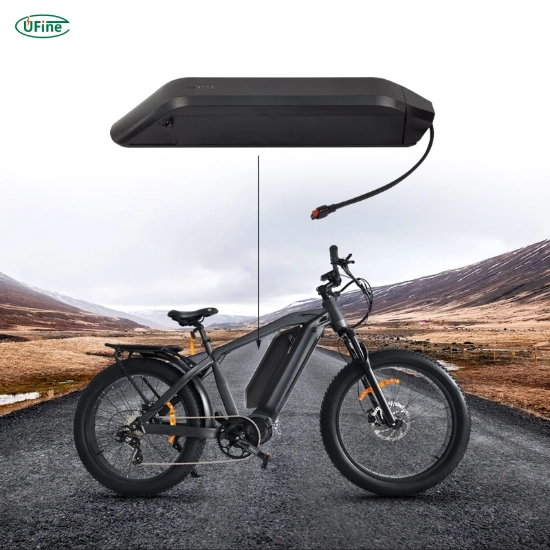
An e-bike battery is the energy storage system that powers the electric motor of an electric bicycle.
Most modern electric bikes use lithium-ion batteries because they provide:
- High energy density
- Lightweight design
- Long cycle life
- Stable discharge performance
Typical battery specifications include:
| Specification | Typical Range |
|---|---|
| Voltage | 24V, 36V, 48V, sometimes 52V |
| Capacity | 8Ah – 20Ah |
| Energy | 300Wh – 1000Wh |
| Chemistry | Lithium-ion (most common) |
Battery packs also contain a Battery Management System (BMS) that protects against overcharging, over-discharging, short circuits, and overheating.
You can learn more about lithium battery lifespan in this guide: How Long Does an Ebike Battery Last?
Part 2. How long do e-bike batteries last?
Most electric bicycle batteries last between 3 and 5 years. In terms of usage cycles, this equals approximately 500–1000 charge cycles before noticeable capacity loss occurs.
Battery aging occurs because internal chemical reactions gradually reduce the amount of lithium available for charge storage.
1 Factors that affect battery life
Several factors influence how quickly a battery degrades:
- Charging habits: Frequent deep discharges below 10% shorten lifespan.
- Temperature: High temperatures accelerate chemical degradation.
- Storage conditions: Storing a fully discharged battery can cause permanent damage.
- Riding load: Heavy loads or steep hills increase discharge stress.
In many cases, riders notice battery decline when the range drops by 30–40% compared to a new battery.
Part 3. Signs you need an e-bike battery replacement
Recognizing early warning signs helps prevent unexpected power loss during rides.
Common indicators include:
- Reduced Riding Range
- If your e-bike previously traveled 50 km per charge but now only reaches 25–30 km, the battery capacity has likely degraded.
- Longer Charging Time
- A failing battery may take much longer to charge because internal resistance increases.
- Sudden Power Drops
- If the motor cuts off or power fluctuates during acceleration, the battery may no longer supply stable current.
- Physical Damage
- Visible problems such as battery swelling, cracks or casing damage, or fluid leakage require immediate replacement for safety.
Part 4. How to test your e-bike battery
Before purchasing a replacement e-bike battery, testing helps confirm whether the battery is actually failing.
-
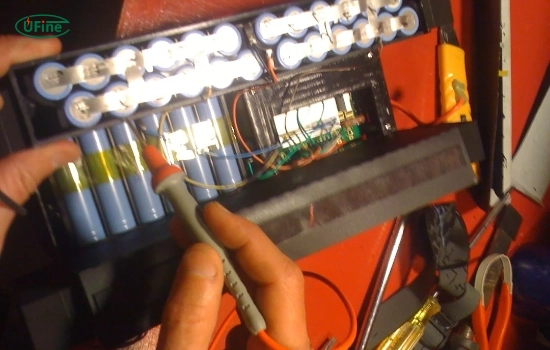
Measure Battery Voltage
Use a multimeter to check voltage.
Steps: Fully charge the battery. Measure the output voltage. Compare it with the rated voltage.
For example:
Battery Rating Fully Charged Voltage 36V about 42V 48V about 54.6V If voltage is much lower, the battery may be degraded.
-
Perform a Load Test
A load test evaluates performance while power is drawn. Connect a load tester or ride the bike under normal conditions. Monitor voltage drop. Large drops under load indicate high internal resistance, a common sign of battery aging.
-
Check BMS Indicators
Some batteries include LED indicators or digital displays showing errors related to cell imbalance, overcurrent protection, or temperature faults.
-
Professional Testing
Local e-bike shops can perform advanced diagnostics such as internal resistance measurement and cell balance analysis.
Part 5. How to choose the right replacement e-bike battery
Choosing the correct electric bike battery replacement is essential for safety and performance.
-
Check Voltage Compatibility
Voltage must match the motor controller. Common voltages include 24V, 36V, 48V, and 52V. Using the wrong voltage can damage the controller or motor.
-
Confirm Physical Fit
Battery packs come in different shapes: rear rack batteries, down-tube batteries, and integrated frame batteries. Measure the mounting space before purchasing.
-
Consider Capacity (Ah / Wh)
Higher capacity provides longer range.
Example:
Battery Estimated Range 36V 10Ah 30–50 km 48V 15Ah 60–90 km This is why many riders choose an e-bike battery upgrade instead of simply replacing the original battery.
-
Check Connector Type
Different e-bike systems use different connectors. Ensure compatibility with motor controller, charger, and battery mount.
-
Look for Quality Cells
High-quality cells improve safety and lifespan. Common cell suppliers include Panasonic, Samsung, and LG.
Industry safety recommendations can be found through organizations such as: UL Safety Standards (battery safety standards).
Part 6. How to replace an e-bike battery (step-by-step)
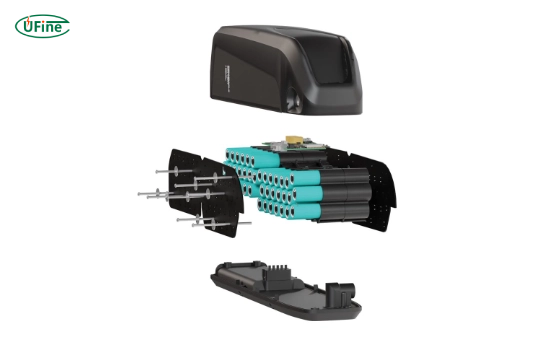
Many electric bikes use removable battery packs, making electric bicycle battery replacement relatively simple.
Turn Off the E-Bike
Always power off the bike and disconnect the charger before starting.
Remove the Old Battery
Depending on the design: use a key to unlock removable batteries, slide the battery out of the mounting rail, or for integrated batteries, remove the frame cover or screws.
Inspect Battery Contacts
Check for dust, corrosion, or loose connectors. Clean gently with a dry cloth.
Install the Replacement Battery
Slide the new battery into the mounting rail and ensure it locks securely. Make sure all connectors are properly aligned.
Power On and Test
Turn on the bike and check display status, motor response, and charging function. Take a short test ride to verify performance.
Recycle the Old Battery
Lithium batteries should never be thrown in household trash. Use certified recycling programs such as: Call2Recycle.
Part 7. E-bike battery upgrade vs replacement
Sometimes riders choose an e-bike battery upgrade rather than simply replacing the old battery.
| Scenario | Recommended Action |
|---|---|
| Battery capacity loss | Replace with same capacity |
| Short riding range | Upgrade to higher Ah battery |
| Old battery technology | Upgrade to newer lithium pack |
| Weight concerns | Replace with lightweight design |
An upgrade can increase range by 30–60%, depending on battery size.
However, upgrades must maintain voltage compatibility and physical fit.
Part 8. FAQs
How do I replace an e-bike battery?
Turn off the bike, unlock and remove the old battery, inspect connectors, install the replacement battery, and test the system before riding.
How much does an electric bike battery replacement cost?
Most replacement batteries for electric bikes cost between $300 and $800, depending on capacity, brand, and battery design.
Can I upgrade my e-bike battery for longer range?
Yes. An e-bike battery upgrade with higher amp-hour capacity can extend riding distance. Ensure the voltage and connectors remain compatible with the motor system.
How often should an e-bike battery be replaced?
Most riders need an electric bike battery replacement every 3–5 years, depending on charging cycles and environmental conditions.
Are replacement e-bike batteries safe?
High-quality lithium batteries with proper BMS protection and certified cells are safe when used with compatible chargers and controllers.
Related Tags:

More Articles
Dead Battery or Device Failure? How to Find the Cause
Think your device is broken? Learn how to tell if the problem comes from battery aging or hardware failure before replacing your electronics.
Why iPhone Duo Uses Two Batteries: The Engineering Behind Foldable Phone Power
Why do foldable phones need two batteries? Explore the engineering challenges behind iPhone Duo’s dual-battery architecture and future battery trends.
Solid-State Batteries: 3 Myths You Need to Know
Solid-state batteries promise safer EVs and longer range, but the reality is more complex. Discover the challenges behind this next-gen technology.
Battery Capacity vs Discharge Rate: The Choice Engineers Face
Higher capacity or higher discharge rate? Learn how to choose the right LiPo battery for longer runtime, stable power output, and better device performance.
Battery Cable Size Guide: Choose the Right Wire Fast
Not sure what battery cable size you need? Learn how to select the right wire gauge, terminal size, and cable for safer, more efficient battery systems.


