
- Key Takeaways
- Part 1. What is a 9v battery connector?
- Part 2. Common 9v battery connector types
- Part 3. 9v battery connector types comparison
- Part 4. 9v battery connector materials and terminal structure
- Part 5. How to choose the right 9 volt battery connector
- Part 6. How to use a 9v battery connector safely
- Part 7. Common 9v battery connector problems and fixes
- Part 8. 9v battery connector applications
- Part 9. FAQ about 9v battery connectors
A 9V battery connector links a 9-volt battery to an electronic device or circuit by attaching to the battery’s positive and negative terminals. It ensures stable power delivery and allows quick battery replacement.
Different 9V battery connector types—such as snap connectors, wire leads, and PCB terminals—are used in alarms, testing equipment, DIY electronics, and small portable devices. Understanding how these connectors work helps engineers, hobbyists, and device designers choose the right 9 volt battery connector for reliable operation.
Key Takeaways
- A 9V battery connector attaches to the positive and negative 9V battery terminals and transfers power to a device or circuit.
- The most common connector types include snap connectors, 9V battery cables, clip connectors, and PCB mount connectors.
- Connector quality depends on terminal materials, insulation, and wire thickness.
- Choosing the right 9 volt battery connector requires considering device type, wiring method, and available installation space.
- Proper wiring and insulation help prevent loose connections, short circuits, and power interruptions.
Part 1. What is a 9v battery connector?
A 9 volt battery connector is a small electrical interface that connects a 9V battery to an electronic circuit.
Unlike cylindrical batteries, a 9V battery uses two snap-style terminals on the top of the battery:
- Positive terminal: smaller round contact
- Negative terminal: larger hexagonal contact
A connector attaches to these terminals and transfers power through wires or circuit contacts.
Typical components of a 9 volt battery and connector system include:
- Metal snap contacts
- Insulated wires (usually red and black)
- Protective plastic housing
These connectors allow quick battery replacement while maintaining reliable electrical contact.
Many small electronic systems rely on compact battery connectors. For example, see our guide on Types of Lithium Batteries to learn how different battery types power portable electronics.
Part 2. Common 9v battery connector types
1 Snap connectors
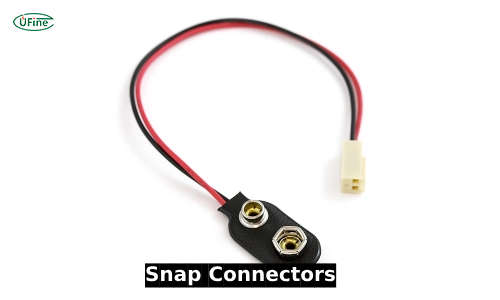
Snap connectors are the most widely used 9V battery connectors.
Features
- Two metal snaps that match battery terminals
- Plastic housing with wire leads
- Standard red and black wiring
Advantages
- Fast installation and removal
- Low cost and widely available
- Suitable for many consumer electronics
Typical uses
- Smoke detectors
- Toys
- DIY electronics kits
- Arduino projects
2 Barrel plug connectors
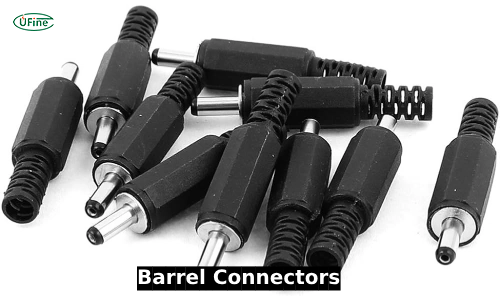
Some adapters convert a 9V battery connector into a DC barrel plug.
Features
- Snap connector on battery side
- Standard DC output plug
- Integrated wiring
Advantages
- Allows a 9V battery to power devices with DC input ports
- Useful for portable electronics testing
3 Clip connectors
Clip connectors use spring metal clips instead of snap terminals.
Features
- Metal clip contacts
- Strong mechanical grip
- Durable construction
Advantages
- Reliable electrical connection
- Good resistance to vibration
Typical uses
- Electronic testing equipment
- Laboratory setups
- Temporary power connections
4 9v battery cable connectors

A 9V battery cable is a connector with extended wire leads.
Features
- Snap connector attached to battery
- Longer insulated wires
- Easy soldering to circuits
Advantages
- Flexible battery placement
- Ideal for prototypes and robotics
5 PCB mount connectors
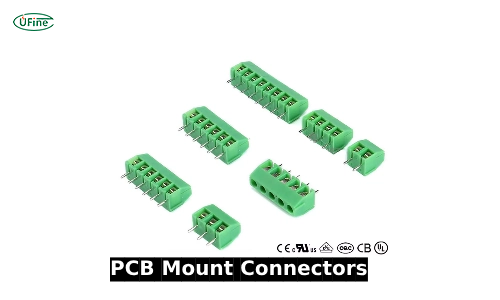
A PCB mount 9V battery connector is soldered directly onto a circuit board.
Features
- Through-hole or surface-mount pins
- Fixed battery connection point
- Compact installation
Advantages
- Stable and permanent electrical connection
- Reduced wiring complexity
For connector standards and electrical contact guidance, see International Electrotechnical Commission.
Part 3. 9v battery connector types comparison
| Connector Type | Typical Structure | Best Use Case | Advantages |
|---|---|---|---|
| Snap Connector | Snap terminals with wire leads | Toys, alarms, DIY circuits | Easy installation and removal |
| 9V Battery Cable | Snap connector with longer wires | Prototyping and robotics | Flexible battery placement |
| Clip Connector | Spring metal clips | Testing equipment | Strong electrical contact |
| Barrel Plug Adapter | Snap connector with DC plug | Guitar pedals and electronics | Direct DC device power |
| PCB Mount Connector | Connector soldered to board | Integrated electronics | Permanent secure connection |
This table summarizes the most common 9V battery connector types used in electronics.
Part 4. 9v battery connector materials and terminal structure
The durability of a 9 volt battery connector depends on its materials and construction.
-
Plastic Housing
- Provides insulation
- Protects electrical contacts
- Prevents accidental short circuits
-
Metal Terminals
Connector terminals are usually made from nickel-plated steel or copper alloy. These metals provide strong electrical conductivity and corrosion resistance.
-
Wire Insulation
The wires in a 9V battery cable typically use PVC insulation or rubber coating. This insulation protects the wires and improves flexibility.
Important Construction Features
When selecting a connector, consider:
- Secure terminal fit
- Durable wire attachment (crimped or soldered)
- Proper insulation
- Strain relief on wires
These features improve long-term reliability.
Part 5. How to choose the right 9 volt battery connector
Selecting the correct 9V battery connector depends on several practical factors.
Device Type
Different devices require different connectors.
| Device | Recommended Connector |
|---|---|
| Smoke alarms | Snap connector |
| DIY electronics | 9V battery cable |
| Test equipment | Clip connector |
| Integrated electronics | PCB mount connector |
Power Requirements
Most 9V battery systems power low-current devices, but connectors should still have proper wire gauge, reliable metal contacts, and good insulation.
Space Constraints
Compact devices may require short wire leads, low-profile connectors, or PCB-mounted battery terminals.
Installation Method
Ask whether the connector will be soldered to a circuit board, connected with wires, or used for temporary testing. This determines the most suitable 9 volt battery connector type.
Part 6. How to use a 9v battery connector safely
Using a 9V battery connector is simple when proper wiring practices are followed.
Prepare Tools
Typical tools include: wire strippers, soldering iron, screwdriver, multimeter.
Check Connector Wiring
Standard wiring colors: Red wire → positive terminal, Black wire → negative terminal. Always verify polarity before connecting.
Connect to the Circuit
Attach the wires by soldering to PCB pads, connecting to terminal blocks, or crimping connectors.
Attach the Connector to the Battery
Align the connector snaps with the 9V battery terminals and press firmly until they snap into place.
Test the Device
Before final assembly: power on the device, check voltage with a multimeter, ensure stable operation.
Part 7. Common 9v battery connector problems and fixes
Even simple connectors may occasionally fail.
-
Loose Connections
Symptoms: device randomly shuts off, intermittent power
Fix: ensure snaps fully attach to the 9V battery terminals, replace worn connectors
-
Corroded Terminals
Moisture or battery leakage can corrode contacts.
Fix: clean terminals with alcohol, apply electrical contact cleaner
-
Damaged 9V Battery Cable
Frayed wires interrupt current flow.
Fix: replace the connector cable, add heat-shrink insulation
-
Short Circuits
Short circuits occur when positive and negative wires touch.
Fix: improve insulation, separate wires properly
Safety guidelines for electronic connectors can also be found through UL Standards, which publishes electrical safety standards.
Part 8. 9v battery connector applications
9 volt battery connectors are widely used in small electronic systems requiring compact and replaceable power sources.
Common applications include:
- Smoke detectors
- Guitar pedals
- Electronic testing devices
- Educational electronics kits
- DIY robotics and sensor projects
- Portable radios and small devices
These applications rely on a simple and reliable 9V battery connector for quick battery replacement and stable power delivery.
Part 9. FAQ about 9v battery connectors
What is a 9V battery connector?
A 9V battery connector is an adapter that attaches to the positive and negative 9V battery terminals and connects the battery to an electronic circuit or device.
What are the common 9V battery connector types?
- Snap connectors
- 9V battery cable connectors
- Clip connectors
- PCB mount connectors
- Barrel plug adapters
Each type supports different wiring methods and installation requirements.
How do you use a 9V battery connector?
To use a 9V battery connector, attach the snaps to the battery terminals and connect the wires to the device circuit using soldering or terminal blocks. Always match polarity: red wire → positive, black wire → negative.
What is a 9V battery cable?
A 9V battery cable is a connector with attached wires that allows a battery to power a circuit located away from the battery compartment.
Are 9V battery connectors universal?
Most 9 volt battery connectors follow the standard snap terminal design used by PP3 batteries. However, connectors may vary in wire length, insulation quality, and mounting style.
Related Tags:

More Articles

JST vs Molex: The Right Battery Connector Choice
JST or Molex for your battery? Learn how connector selection affects current, voltage drop, reliability, and device performance.
Custom Battery Pricing: Costs Manufacturers Don’t Mention
A low battery quote may not be the final cost. Discover common hidden expenses that affect custom lithium battery projects.
Battery Wire Length: Hidden Cause of Power Loss
A longer battery wire can cause voltage drop, power loss, and unstable operation. Learn how wire length affects battery performance.
How Device Sleep Modes Affect Battery Life
Think sleep mode extends battery life? Learn why devices still drain power and how firmware, hardware, and batteries affect runtime.
LiPo Battery and PCB Design: Clearance, Insulation, and Placement
Learn how to optimize LiPo battery PCB clearance, insulation, placement, wiring, and thermal design—and avoid common integration mistakes.


