- Key Takeaways
- Part 1. What does buying batteries in bulk mean?
- Part 2. Advantages of buying bulk batteries
- Part 3. Disadvantages of buying batteries in bulk
- Part 4. When should you buy batteries in bulk?
- Part 5. Key factors before buying bulk batteries
- Part 6. Where to buy batteries in bulk?
- Part 7. Bulk batteries vs retail batteries
- Part 8. FAQs about buying batteries in bulk
Buying bulk batteries or sourcing from a wholesale battery supplier can reduce cost and improve supply stability. But it is not always the best choice for every user or business.
This guide explains when buying batteries in bulk makes sense, the risks to watch, and how to choose the right supplier.
Key Takeaways
- Buying batteries in bulk lowers unit cost but requires proper inventory planning.
- Shelf life and storage conditions directly affect battery performance and ROI.
- Bulk purchasing is best for high-consumption applications like industrial devices or IoT systems.
- Choosing a reliable wholesale battery supplier is critical for quality and consistency.
- Lithium batteries offer longer shelf life than alkaline, making them better for bulk storage.
Part 1. What does buying batteries in bulk mean?
Buying batteries in bulk means purchasing a large quantity at once, usually at a discounted price per unit.
This model is common in:
- Manufacturing and OEM production
- Industrial equipment maintenance
- Medical and IoT device deployment
- Retail and distribution businesses
For technical buyers, bulk purchasing is not just about price. It is about supply chain stability, specification consistency, and lifecycle cost control.
Part 2. Advantages of buying bulk batteries
1. Lower Cost Per Unit
Bulk pricing reduces procurement cost. This is especially important for:
- High-volume applications
- Long-term projects
- OEM manufacturing
For example, sourcing bulk lithium batteries can reduce unit cost by 10–30% depending on volume and customization.
2. Stable Supply And Fewer Interruptions
Having inventory on hand avoids downtime. This matters in:
- Industrial automation
- Security systems
- Medical devices
A stable battery supply ensures devices remain operational without delays.
3. Reduced Packaging Waste
Bulk packaging uses fewer materials compared to retail packs.
This supports sustainability goals and reduces logistics waste, especially for large-scale deployments.
4. Better Customization Options
When working with a manufacturer, bulk orders often unlock:
- Custom voltage and capacity
- Special temperature ranges
- Unique form factors
You can explore options like OEM and ODM lithium battery solutions to match your exact application.
Part 3. Disadvantages of buying batteries in bulk
1. Higher Upfront Cost
Bulk purchasing requires initial capital.
For small businesses, this can affect cash flow, especially if inventory turnover is slow.
2. Storage Requirements
Batteries must be stored correctly:
- Temperature: typically 15–25°C
- Low humidity
- No metal contact (to avoid short circuits)
Improper storage can reduce capacity and increase safety risks.
For safety standards, refer to guidelines from organizations like the UL (Underwriters Laboratories).
3. Shelf Life And Degradation
All batteries degrade over time.
Typical shelf life:
- Alkaline: 5–10 years
- Lithium (primary): up to 10–15 years
- Lithium-ion: 2–5 years (depends on storage conditions)
If you over-purchase, unused inventory may lose value.
4. Risk Of Mismatch Or Obsolescence
Buying the wrong type or specification in bulk can be costly.
Always confirm:
- Voltage compatibility
- Size and form factor
- Discharge requirements
Part 4. When should you buy batteries in bulk?
Bulk purchasing is recommended when:
| Scenario | Recommendation |
|---|---|
| High daily usage | ✅ Strongly recommended |
| Long-term projects | ✅ Recommended |
| Low or irregular usage | ❌ Not ideal |
| Limited storage space | ❌ Risky |
| Rapidly changing device specs | ❌ Avoid bulk |
Part 5. Key factors before buying bulk batteries
1. Battery Usage Rate
Calculate your monthly or yearly consumption.
If turnover is fast, bulk buying makes sense.
2. Battery Type Selection
Different applications need different chemistries:
- Lithium-ion → Rechargeable devices
- LiFePO4 → High safety and long cycle life
- Alkaline → Low-cost consumer use
For cylindrical cells, check options like 18650 lithium-ion batteries.
3. Storage And Inventory Management
Use FIFO (First-In, First-Out) to avoid aging stock.
Track:
- Purchase date
- Expiration date
- Batch numbers
4. Supplier Reliability
Choose a supplier with:
- Stable production capability
- Certifications (UN38.3, UL, IEC)
- Engineering support
You can also review how batteries are made in this battery production process guide.
Part 6. Where to buy batteries in bulk?
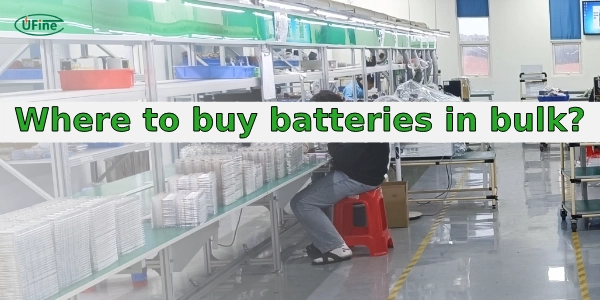
You can source bulk batteries from distributors, retailers, or directly from manufacturers.
For technical buyers, working with a manufacturer offers more control.
Why Choose Ufine Battery As A Wholesale Battery Supplier?
Wide Product Range
- Lithium-ion, LiFePO4
- Ultra-thin and high-rate batteries
- High/low temperature batteries
Flexible Order Quantity
- Supports small MOQ and large-scale bulk batteries orders
Customization Capability
- Voltage, capacity, size, and protection circuit design
Fast Response and Delivery
- Engineering support for quick project matching
Warranty Support
- 1-year warranty for reliability assurance
For example, small devices can use compact cells like 3.7V 30mAh lithium-ion batteries for space-constrained designs.
Part 7. Bulk batteries vs retail batteries
| Factor | Bulk Batteries | Retail Batteries |
|---|---|---|
| Cost per unit | Lower | Higher |
| Packaging | Minimal | Individual |
| Customization | Available | Limited |
| Storage need | High | Low |
| Best for | Businesses | Consumers |
Part 8. FAQs about buying batteries in bulk
How long do batteries in bulk last?
Shelf life depends on chemistry. Lithium batteries last longer than alkaline. Proper storage is key to maintaining performance.
Is buying batteries in bulk cheaper?
Yes. Bulk purchasing reduces unit cost. This is especially true when sourcing from a wholesale battery supplier.
What is the best way to store bulk batteries?
Store in a cool, dry place. Avoid heat and moisture. Keep batteries in original packaging and away from metal objects.
Are bulk batteries safe?
Yes, if handled correctly. Follow storage guidelines and safety standards such as UL and UN38.3.
Who should buy batteries in bulk?
Businesses, OEM manufacturers, and high-usage users benefit the most. For low usage, buying smaller quantities is safer.
Related Tags:

More Articles
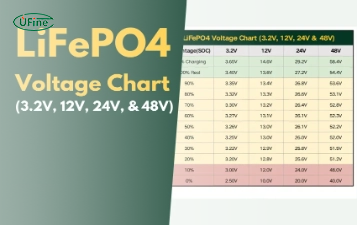
LiFePO4 Voltage Chart Guide: Everything You Need to Know
Check the LiFePO4 voltage chart for 3.2V, 12V, 24V and 51.2V batteries. Compare SOC, charging voltage, cutoff limits and internal resistance.
Lithium Ion Cell Sizes: A Comprehensive Guide
Compare lithium ion cell sizes with a chart of dimensions, capacity ranges, cell types, applications, and key factors for selecting the right battery.
6 Volt Tractor Battery vs 12 Volt: Which One Fits Your Farm Equipment Best?
Compare 6V and 12V tractor batteries. Learn which voltage fits vintage or modern tractors, which specifications matter, and how to convert safely.
The Ultimate Guide to a Molten Salt Battery
Learn how a molten salt battery works, its main types, advantages, disadvantages, operating temperature, safety, and grid energy storage uses.
2000mAh Battery Runtime: How Long Will It Last in Real Devices?
Learn how to calculate 2000mAh battery runtime and backup time. See real device examples, power-loss factors, and battery replacement checks.