Popular Choice
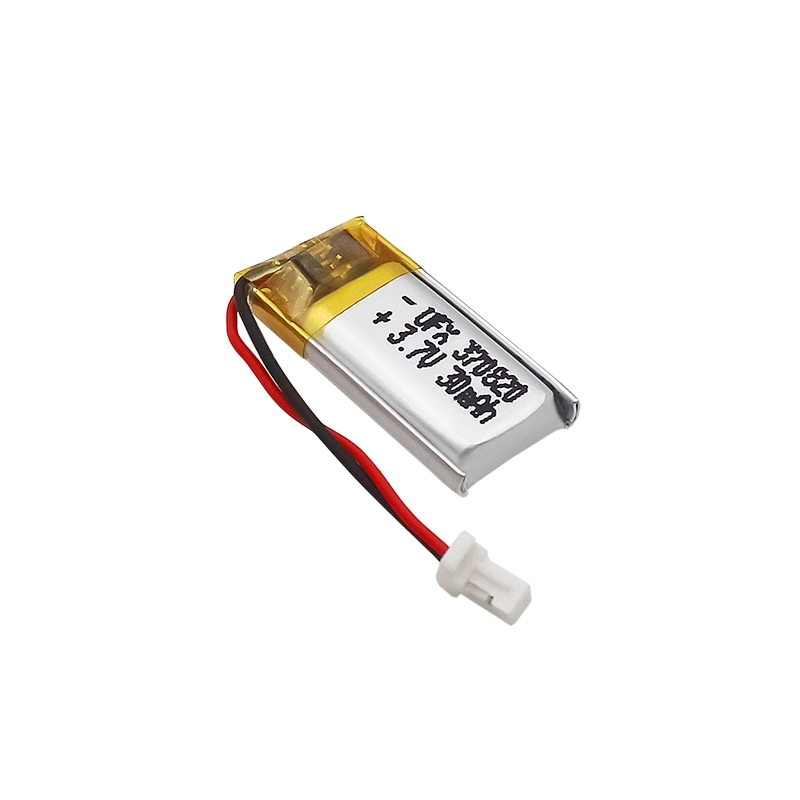
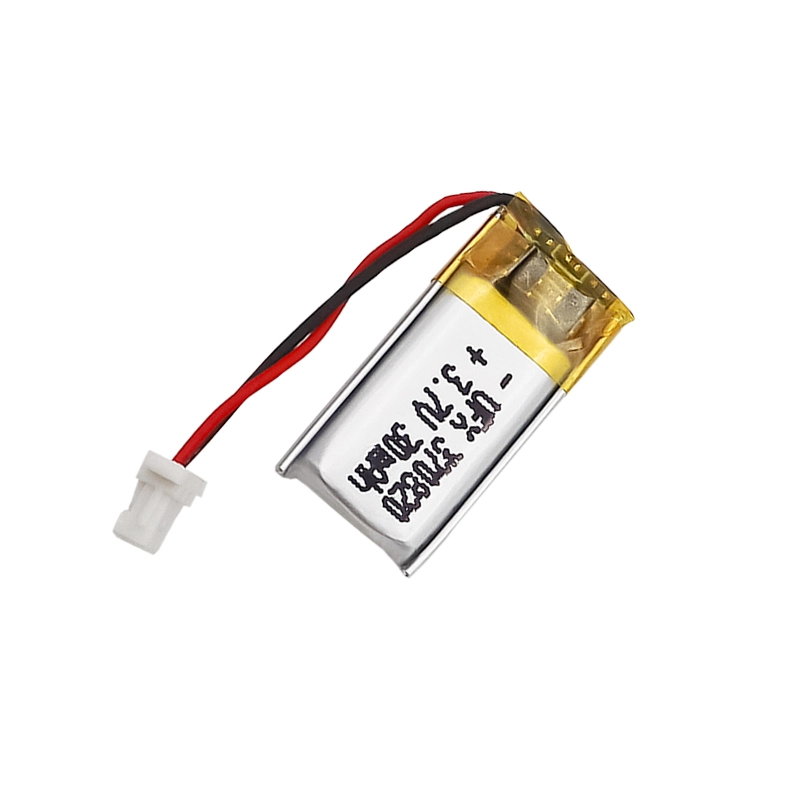
Ultra-Mini 3.7V 30mAh Lithium Ion Battery for Compact IoT Devices

- 16 Years Experience
- 200+ Certifications
- 1000+ Customers
- 7X24 Customer Support
-
Product Details
-
Specs
-
Content
-
FAQs

3.7V 30mAh 370820 LiPo Battery for Ultra-Compact Devices
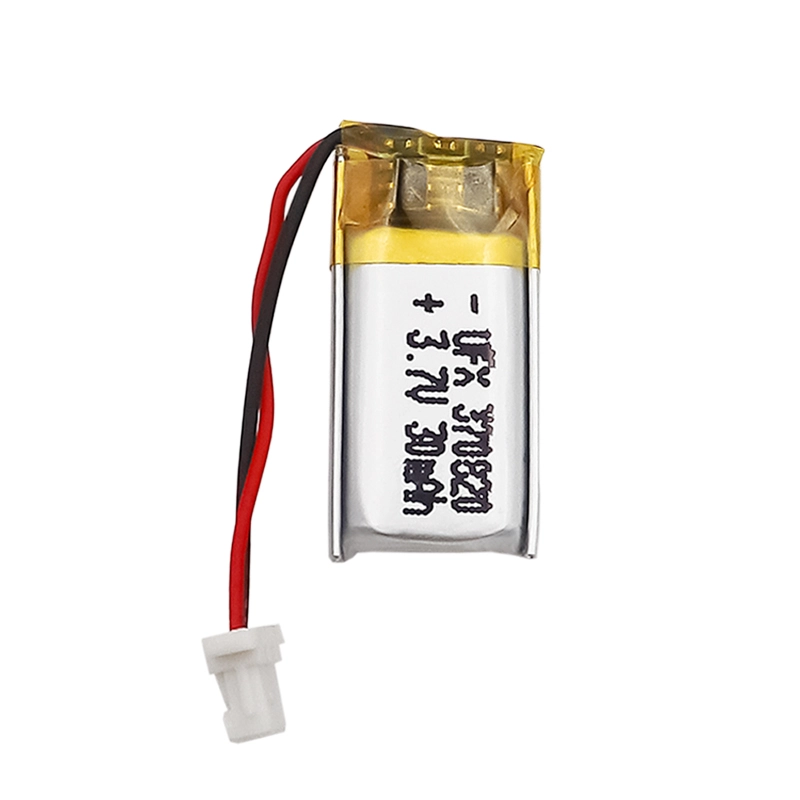
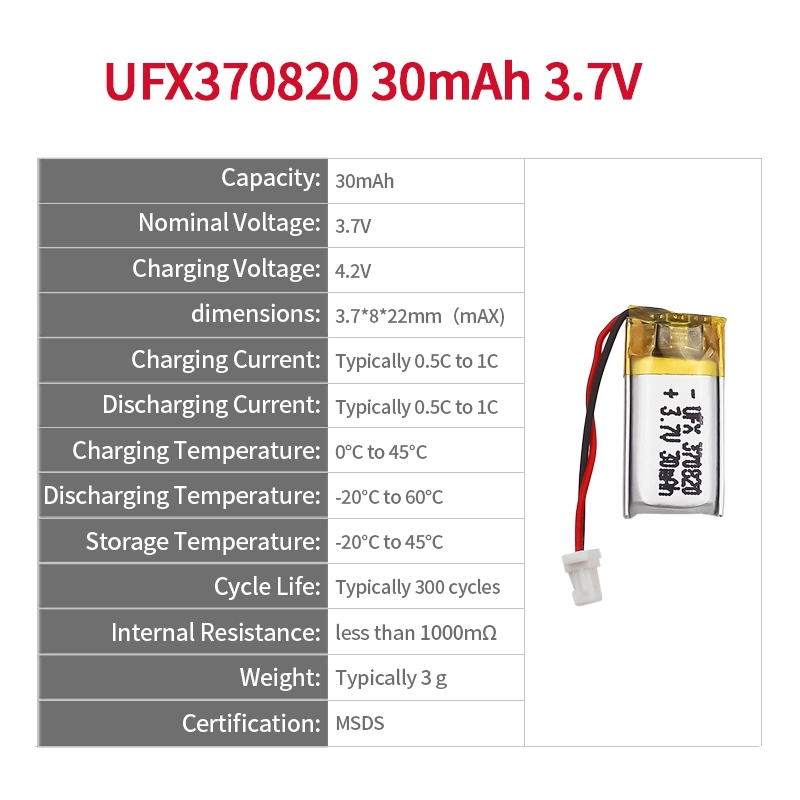
The Ufine 370820 lithium polymer battery provides 3.7V nominal voltage, 30mAh capacity, and 0.111Wh nominal energy. Its maximum size is approximately 3.7 × 8 × 22 mm. This small pouch cell is designed for electronics where battery space and weight are limited.

Performance Characteristics of 3.7V 30mAh 370820 LiPo Battery
The 370820 battery has defined current, cycle-life, temperature, and storage limits. These values help engineers check whether it fits a low-power device.
- Charge & Discharge
- Cycle Life
- Temperature Range
- Storage Conditions
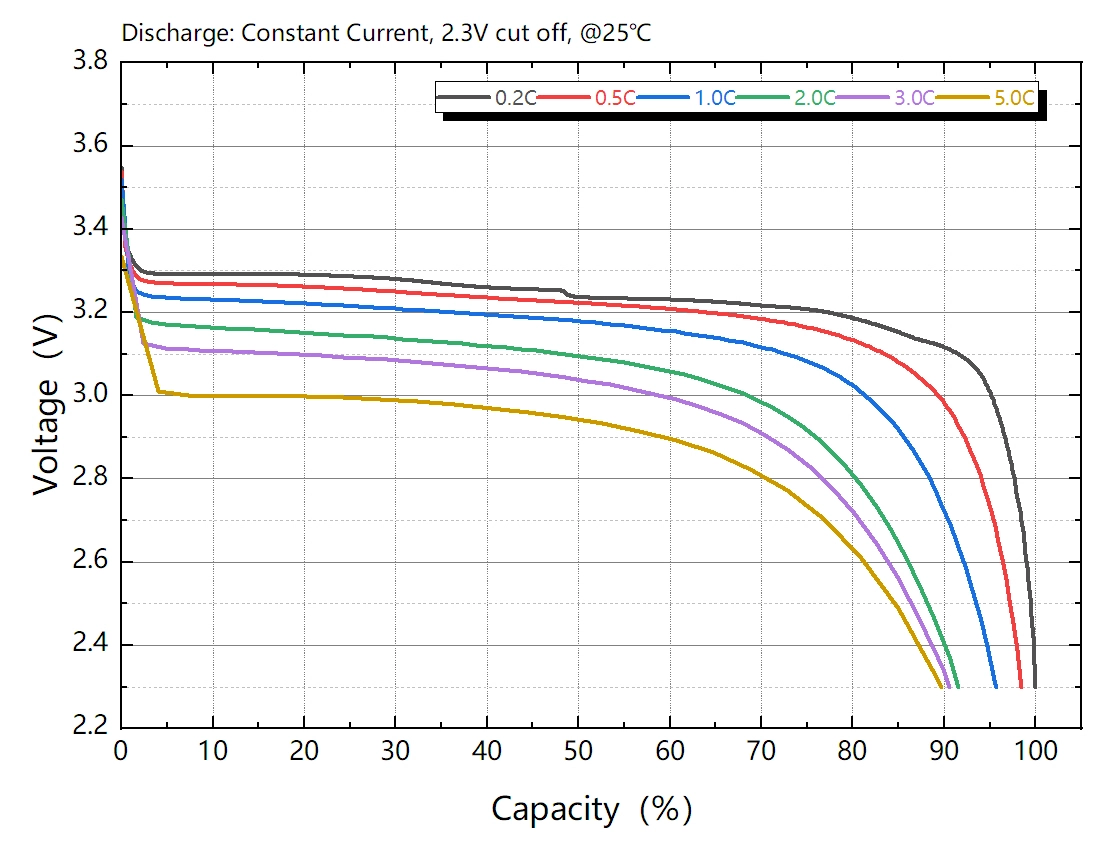
Current Limits for Small Devices
The 370820 has a standard charge and discharge current of 6mA. Its maximum charge and discharge current is 30mA.
- Standard charge current: 6mA
- Standard discharge current: 6mA
- Maximum charge current: 30mA
- Maximum discharge current: 30mA
- Discharge cut-off voltage: 2.4V
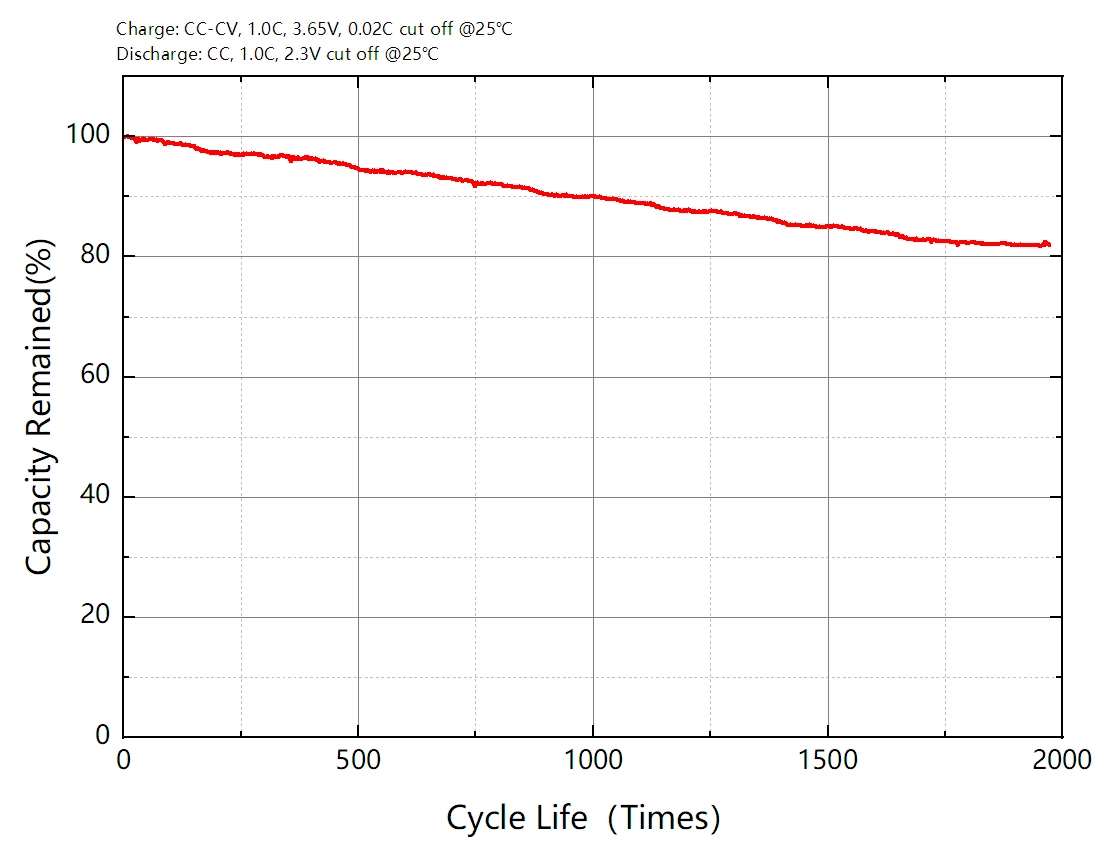
Cycle Life and Capacity Retention
The 370820 is designed for repeated charging and discharging. Its specified capacity retention remains ≥80% after 500 cycles.
- After 100 cycles: ≥92% capacity retention
- After 300 cycles: ≥88% capacity retention
- After 500 cycles: ≥80% capacity retention
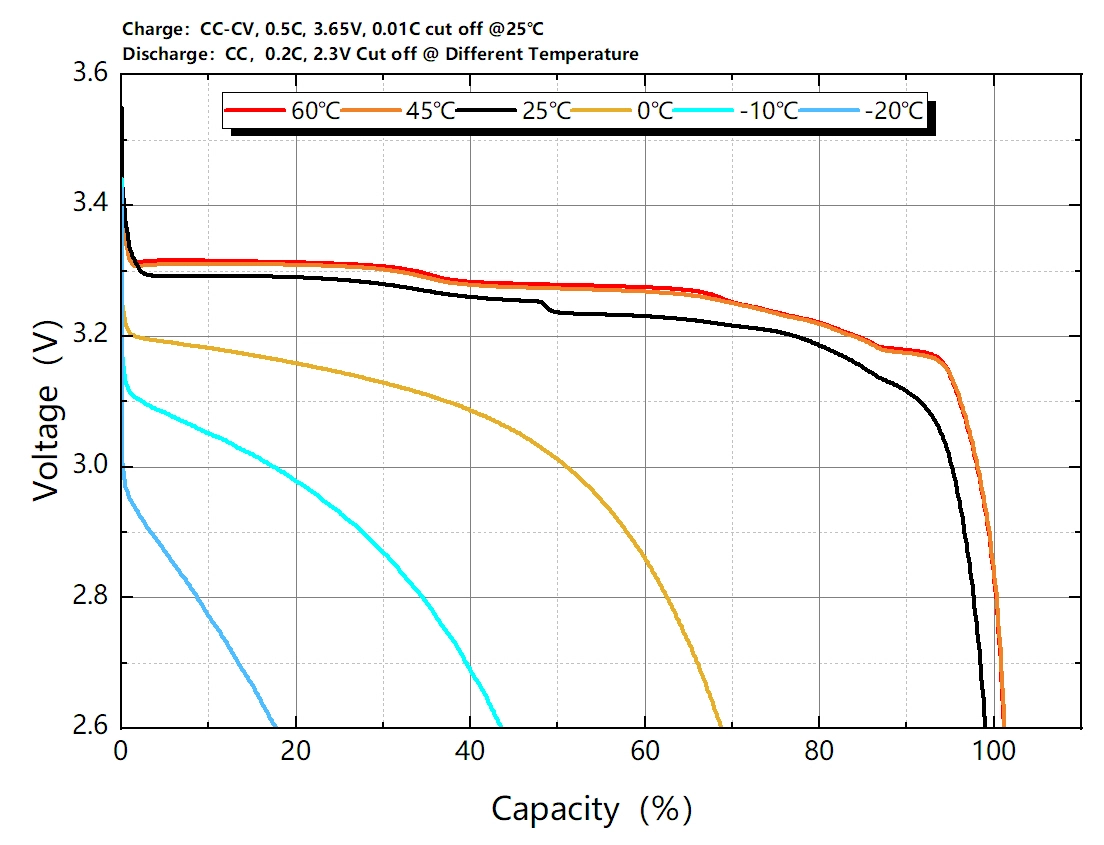
Defined Operating Temperature Range
Charging and discharging have different temperature limits. Therefore, both ranges should be checked during device design.
- Charging temperature: 0°C to 45°C
- Discharging temperature: -20°C to 60°C
- Use outside these ranges requires separate engineering evaluation
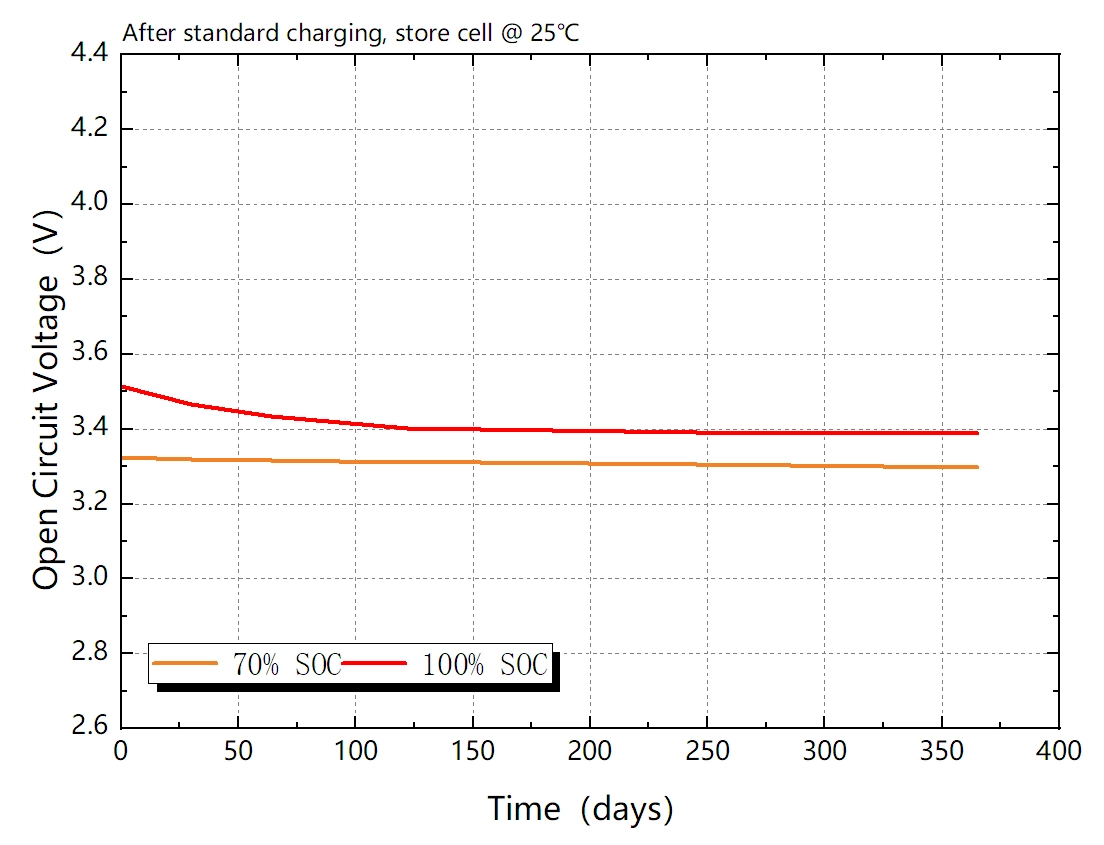
Storage Temperature and Duration
The storage temperature depends on how long the battery will be stored. For longer storage periods, a lower temperature range is specified.
- Up to 1 year: -20°C to +30°C
- Up to 3 months: -20°C to +45°C
- Up to 1 month: -20°C to +60°C
370820 Battery Engineering Highlights
The 370820 combines 30mAh capacity with a very small pouch-cell format. It is designed for low-power electronics with limited internal battery space.
30mAh Power in a Small 1S1P Format
The battery measures approximately 3.7 × 8 × 22 mm maximum and weighs about 3g. Its 1S1P design provides a standard 3.7V rechargeable power source for compact electronic products.
- Nominal voltage and capacity: 3.7V / 30mAh
- Nominal energy: 0.111Wh
- Maximum dimensions: 3.7 × 8 × 22 mm
- Approx. weight: 3g
- Configuration: 1S1P
- Standard charge/discharge current: 6mA
- Maximum charge/discharge current: 30mA
- Maximum charge voltage: 4.2V
- Internal resistance: <1000mΩ
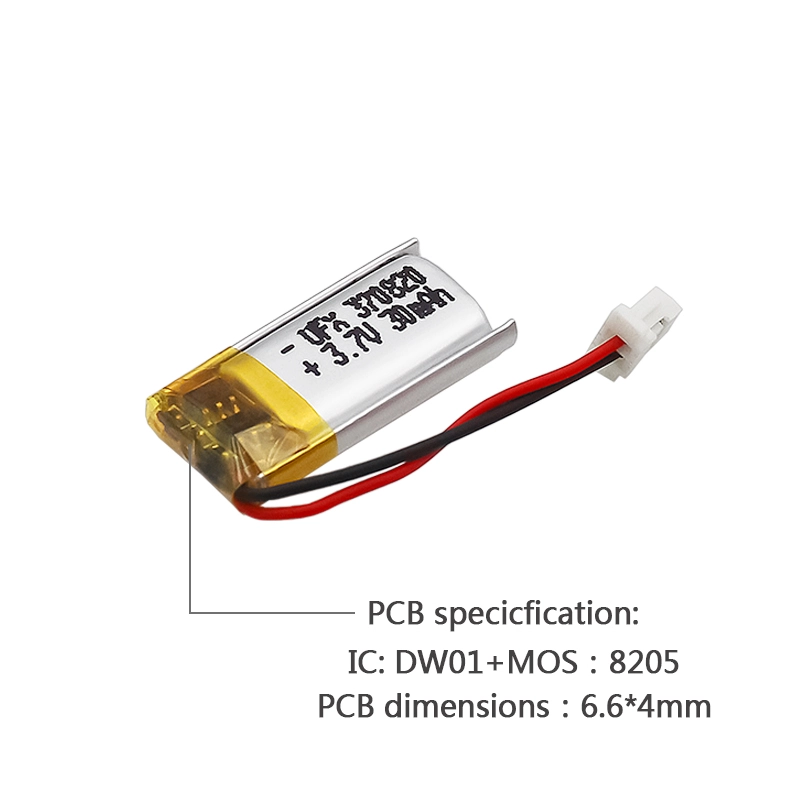
- PCM protection: Yes

Manufacturing Controls for the 370820 LiPo Battery
The 370820 follows defined production and inspection controls. These checks cover dimensions, materials, assembly, and electrical performance.
View Production Details 


Standard 370820 Battery vs Custom Options
The standard 370820 provides a defined 3.7V and 30mAh configuration. Selected pack components can also be adjusted for OEM integration.
Standard 370820
- 3.7V nominal voltage
- 30mAh nominal capacity
- 0.111Wh nominal energy
- Maximum size: 3.7 × 8 × 22 mm
- Approx. weight: 3g
- 1S1P configuration
- 6mA standard charge current
- 6mA standard discharge current
- 30mA maximum charge current
- 30mA maximum discharge current
- 4.2V maximum charge voltage
- 2.4V discharge cut-off voltage
- Charging temperature: 0°C to 45°C
- Discharging temperature: -20°C to 60°C
- PCM protection included
- NTC: No
Custom Options
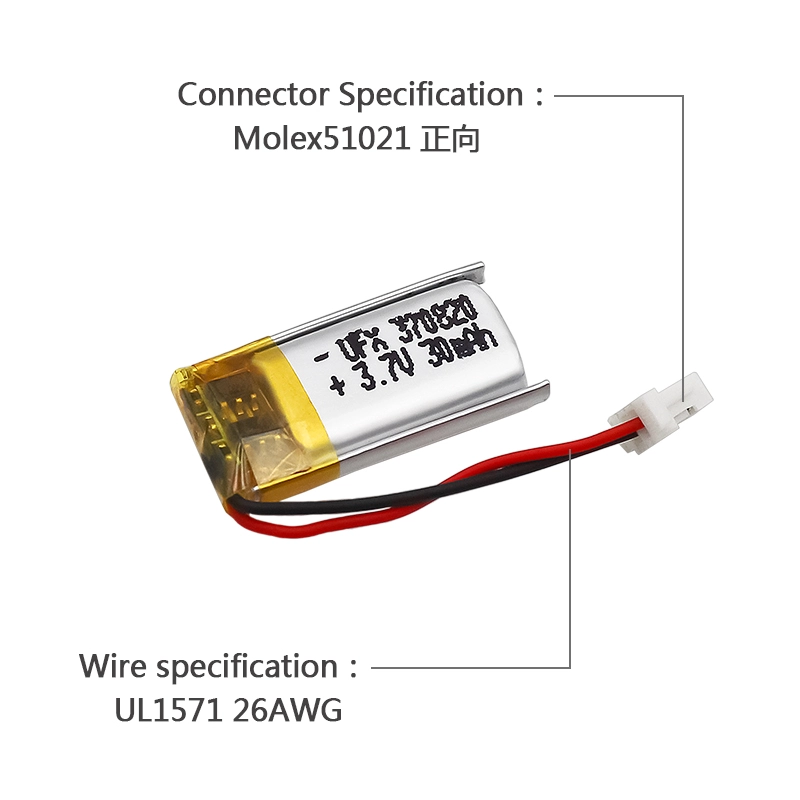
- Wire lead configuration
- Connector type and interface
- Wire length and polarity
- PCM configuration
- Optional NTC or temperature sensing
- Other size or capacity requirements subject to engineering evaluation
Battery Specification
-
1. Mechanical Characteristics
Cell 370820 PCM Yes NTC No Weight appr. 3g Configuration 1S1P -
2. Electrical Specification
Capacity 30mAh Nominal Voltage 3.7V Energy 0.111Wh Internal Resistance less than 1000mΩ Max. Charge Voltage 4.2V Discharge Cut Off 2.4V Max. Charge Current 30mA Max. Discharge Current 30mA Standard Charge Current 6mA Standard Discharge Current 6mA Charging Temperature 0℃ to 45℃ Discharging Temperature -20℃ to 60℃ Storage Temp.Range 1 year at -20℃ to +30℃ 3 mos. at -20℃ to +45℃ 1 mo. at -20℃ to +60℃ Cycle life 100 cycles ≥92% 300 cycles ≥88% 500 cycles ≥80% -
3. Cell protection
Overcharge Detection 4.28V ±50mV (80 to 200msec delay, release 4.08V ±50mV) Overdischarge Detection 2.4V ±100mV (40 to 120msec. delay, release 3.0V ±100mV) Overcurrent Detection 2.5A to 4.5A (5 to 10msec. delay) Short protection Yes
The 3.7V 30mAh lithium ion battery (370820) is designed for ultra-compact electronics where every millimeter and every microamp matters. Its lightweight build and steady discharge behavior make it an excellent choice for IoT sensors, micro-wearables, and intelligent tags that operate under extremely low-power modes.
In this guide, you’ll learn the real-world applications, expected 30mAh battery life, usage practices, and customization options—helping you decide whether this 3.7V 30mAh battery fits your next miniaturized device. For engineering teams working with compact hardware, this article will provide practical insights that go far beyond typical battery specs.
Part 1. Where the 3.7V 30mAh lithium battery is commonly used
Despite its tiny capacity, the 30 mah battery plays a vital role in modern microelectronics. Its thin form factor allows seamless integration into designs that conventional batteries simply cannot support.
-
IoT sensor nodes – Ideal for motion detectors, asset tags, and micro-environment monitors operating in intermittent wake cycles.
-
Wearable patches – Powers disposable or semi-permanent health patches, including skin-contact sensors and temperature monitors.
-
Miniature trackers – Suitable for pet tags, smart identification devices, and compact BLE locators.
-
Micro robotics – Supports tiny actuators or micro-bots that require short bursts of stable voltage.
Part 2. Understanding 30mAh battery life in hours
Engineers often ask: “How long is the 30mAh battery life in hours?” The answer depends entirely on the device’s average current consumption.
-
0.5 mA load → Around 60 hours of runtime
-
1 mA load → Around 30 hours of runtime
-
5 mA load → Around 6 hours of runtime
-
Deep-sleep IoT designs → Weeks or months depending on duty cycle
For ultra-low-power systems, this 30mAh battery supports surprisingly long operating periods—especially when paired with optimized firmware. If you need an exact estimate, Ufine engineers can help model your load profile.
Part 3. Usage and handling tips for the 3.7V 30mAh Li-ion cell
To maximize efficiency and extend the 30mAh battery life, consider the following best practices:
-
Avoid unnecessary wake cycles—duty cycle optimization drastically increases runtime.
-
Ensure the charging current is properly limited to protect the small cell structure.
-
Prevent deep discharge by keeping voltage above the recommended cutoff.
-
Use low-impedance wiring to maintain stable voltage in tiny wearables or embedded devices.
Part 4. Insights from developers using ultra-mini Li-ion cells
Teams working with compact electronics often choose the 3.7v 30mah battery for its balance of size, weight, and reliability. Feedback from engineers includes:
-
IoT developers love the small footprint that fits seamlessly into PCB-level enclosures.
-
Wearable designers appreciate its thin profile, allowing flexible and skin-friendly form factors.
-
Research labs rely on stable discharge for prototypes requiring predictable test results.
Part 5. Custom options available for the 3.7V 30mAh battery
Ufine Battery provides flexible customization to ensure the 3.7V 30mAh lithium cell integrates perfectly into specialized designs:
-
Tailored wire leads and connectors for assembly-ready installation.
-
Optional protection circuit modules (PCM) for enhanced operating safety.
-
Customizable shapes and thickness for ultra-slim embedded devices.
-
Special low-temperature or high-temperature versions for unique environments.
Start your project with a battery built for precision. Request a consultation to explore custom options for your 3.7V 30mAh lithium ion battery.
FAQs
-
What makes the 3.7V 30mAh lithium battery 370820 suitable for ultra-small devices?
The 370820 cell offers a slim, lightweight structure that fits into compact IoT sensors, wearable patches, and micro-trackers. Its low self-discharge and stable output make it reliable for devices with very limited battery compartments. -
How long can a 30mAh battery last in low-power applications?
The 30mAh capacity can last from several hours to several weeks depending on current draw. For example, a 1mA load may run for around 30 hours, while IoT systems using deep-sleep cycles can extend operation significantly. -
Can the 3.7V 30mAh battery be recharged with standard Li-ion chargers?
Yes, it supports standard 3.7V Li-ion charging profiles, but the charging current must be appropriately limited due to the small capacity. Ufine recommends using low-current chargers designed for micro-cells to maintain longevity and safety. -
What devices typically use a 3.7V 30mAh lithium polymer cell?
This battery is often used in skin-contact medical sensors, BLE beacons, RFID-type smart tags, miniature robotics, and compact research prototypes where limited space and ultra-low power consumption are required. -
Does Ufine offer customization for the 30mAh battery 370820?
Yes. Ufine provides OEM/ODM customization including wire leads, connectors, protection circuit modules, and shape adjustments. Custom solutions help integrate the cell seamlessly into small device structures.
Ready to Power Your Project?
We’ll help you design the perfect power source — tailored to your voltage, capacity, size, C-rate, and performance needs.
Contact Us NowWhat Our Customers Are Saying
We love hearing from you! Your experiences help us improve and inspire others. Check out what our happy customers have to say about our lithium batteries—share your thoughts with us too!









Latest Articles
About Lithium Battery Industry News

JST vs Molex: The Right Battery Connector Choice
JST or Molex for your battery? Learn how connector selection affects current, voltage drop, reliability, and device performance.
2026-9-15 Ufine
Custom Battery Pricing: Costs Manufacturers Don't Mention
A low battery quote may not be the final cost. Discover common hidden expenses that affect custom lithium battery projects.
2026-9-15 Ufine

Battery Wire Length: Hidden Cause of Power Loss
A longer battery wire can cause voltage drop, power loss, and unstable operation. Learn how wire length affects battery performance.
2026-9-14 Ufine